Monsoon fury: Why IMD has banished fishermen from Maharashtra coast till July 10

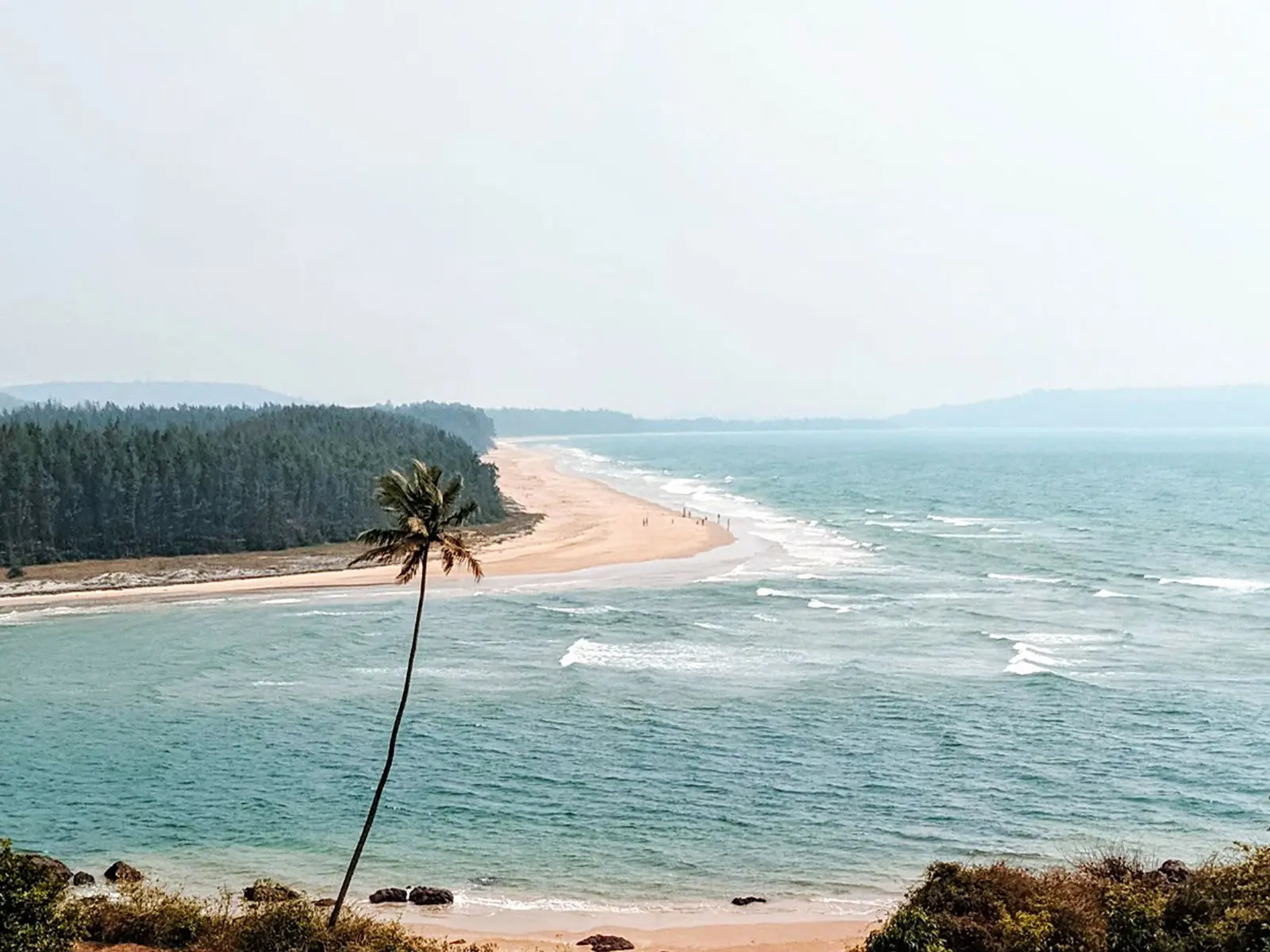&imwidth=600&imheight=450&format=webp&quality=medium "Monsoon fury: Why IMD has banished fishermen from Maharashtra coast till July 10")
Monsoon fury: Why IMD has banished fishermen from Maharashtra coast till July 10 Photograph: (Credit: ANI)
IMD issues a strict coastal warning for Maharashtra and Goa till July 10 as wind speeds threaten to touch 80 kmph. Local Cautionary Signal No. III hoisted at all ports; fishermen advised to avoid the sea.
Torrential rains continue to batter Mumbai, its suburban regions, and other parts of Maharashtra for the third consecutive day. Over 48 hours, the region received record-breaking rainfall, with the city division recording 300 mm, the western suburbs 345 mm, and the eastern suburbs a staggering 380 mm. Worsening the situation are gusty winds reaching speeds of 70 to 80 km/h. The Brihanmumbai Municipal Corporation's (BMC) Disaster Management Department is conducting round-the-clock monitoring of the unfolding situation.
To address immediate hazards, specialised teams have been strategically stationed at highly vulnerable locations. These units are prepared to provide rapid emergency responses to incidents such as tree collapses, electrical short circuits, and structural failures or cave-ins of dilapidated buildings. Furthermore, to combat severe waterlogging across the region, the civic body has continuously deployed high-capacity dewatering pumps, suction machinery, and additional field personnel to ensure rapid drainage.
Amidst these ongoing emergency operations, a Special General Body Meeting has been officially convened for July 9. The session is expected to feature intense debates among officials on the latest rain-related updates, infrastructure challenges, and emergency incidents. Through these coordinated administrative and field efforts, the BMC aims to mitigate the impact of the deluge and safeguard citizens.
Also read: Is India’s monsoon changing? What monsoon 2026 reveals about climate trends | WION Decodes
Trending Stories
&im=FitAndFill=(700,400)&imwidth=280&imheight=210&format=webp&quality=medium)
&imwidth=280&imheight=210&format=webp&quality=medium)
&imwidth=280&imheight=210&format=webp&quality=medium)
&imwidth=280&imheight=210&format=webp&quality=medium)
&imwidth=280&imheight=210&format=webp&quality=medium)
&imwidth=280&imheight=210&format=webp&quality=medium)
&imwidth=280&imheight=210&format=webp&quality=medium)
&imwidth=280&imheight=210&format=webp&quality=medium)
&imwidth=280&imheight=210&format=webp&quality=medium)
&imwidth=280&imheight=210&format=webp&quality=medium)
&imwidth=280&imheight=210&format=webp&quality=medium)
&imwidth=280&imheight=210&format=webp&quality=medium)
&imwidth=280&imheight=210&format=webp&quality=medium)
&imwidth=280&imheight=210&format=webp&quality=medium)
&imwidth=280&imheight=210&format=webp&quality=medium)
&imwidth=280&imheight=210&format=webp&quality=medium)
&imwidth=280&imheight=210&format=webp&quality=medium)
&imwidth=280&imheight=210&format=webp&quality=medium)
&imwidth=280&imheight=210&format=webp&quality=medium)
&imwidth=280&imheight=210&format=webp&quality=medium)
&imwidth=280&imheight=210&format=webp&quality=medium)
&imwidth=280&imheight=210&format=webp&quality=medium)
&imwidth=280&imheight=210&format=webp&quality=medium)
&imwidth=280&imheight=210&format=webp&quality=medium)
&imwidth=280&imheight=210&format=webp&quality=medium)
&im=FitAndFill=(700,400)&imwidth=280&imheight=210&format=webp&quality=medium)
&imwidth=280&imheight=210&format=webp&quality=medium)
&imwidth=280&imheight=210&format=webp&quality=medium)
&imwidth=280&imheight=210&format=webp&quality=medium)
&imwidth=280&imheight=210&format=webp&quality=medium)
&imwidth=280&imheight=210&format=webp&quality=medium)
&imwidth=280&imheight=210&format=webp&quality=medium)
&imwidth=280&imheight=210&format=webp&quality=medium)
&imwidth=280&imheight=210&format=webp&quality=medium)
Warning to fishermen:
- North Maharashtra Coast: Extremely squally weather with wind speeds of 60–70 kmph (gusting to 80 kmph) is expected through 6–7 July, before reducing to 40–50 kmph (gusting to 60 kmph) between 8–10 July.
- South Maharashtra-Goa Coast: Winds will reach up to 60–70 kmph on 6 July, 50–60 kmph on 7 July, and ease to 40–50 kmph from 8–10 July.
- Fishermen Mandate: A strict safety advisory prohibits fishermen from venturing out into the sea from 6 July to 10 July.
- Port Warnings: Local Cautionary Signal No. III (LC-III) must be hoisted across all ports from Dahanu to Shrivardhan along the North Coast, and from Bankot to Marmagaon along the South Coast and Goa.
| Expected Impacts | Actions Suggested |
| Urban flooding & low-lying waterlogging. | Check traffic advisories for congestion ahead of travelling. |
| Landslides/mudslides/ likely in hilly terrains. | Avoid frequent waterlogging zones or driving through flooded areas. |
| Major travel disruptions via road, rail, air, and ferry. | Residents near rivers, streams, and landslide-prone steep slopes must remain highly alert. |
| Localised municipal utility outages (water, power). | Avoid working in open fields or taking shelter under tall structures during lightning. |
| Uprooted weak trees, lightning damage, and crop inundation. | Dam, barrage, and hydro plant control authorities must take immediate precautionary measures. |

