Maharashtra anti-conversion law: New rules trigger debate over religious freedom and prayer meetings

&imwidth=600&imheight=450&format=webp&quality=medium "Maharashtra anti-conversion law: New rules trigger debate over religious freedom and prayer meetings")
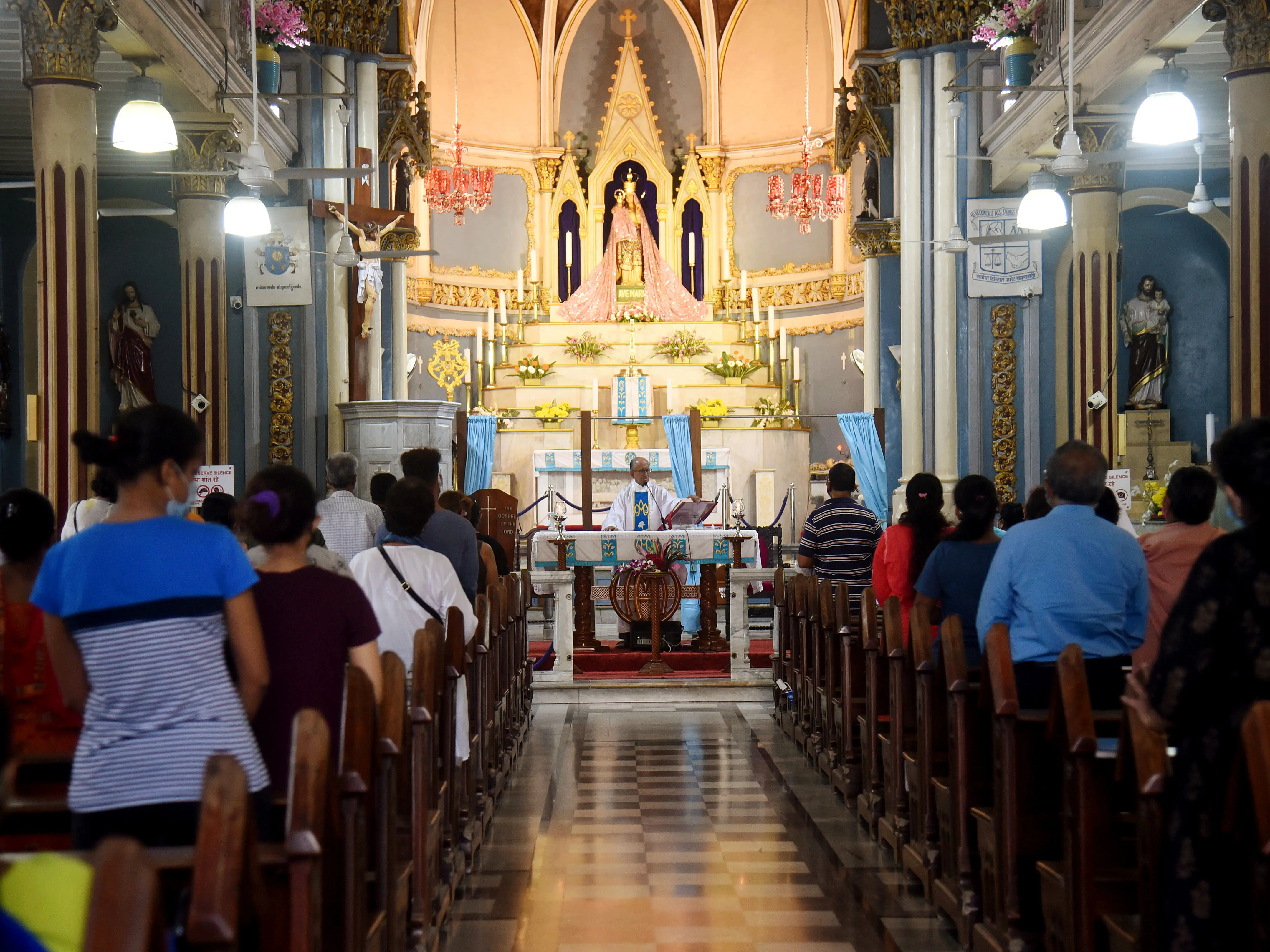
Devotees offer prayers at a church in Mumbai. Photograph: (ANI (File Photo)
Maharashtra’s Freedom of Religion Act, 2026, has prompted churches in the Mumbai region to introduce safeguards for prayer meetings, while its provisions have sparked a wider debate over preventing forced conversions and protecting voluntary religious freedom.
Maharashtra’s newly enacted Freedom of Religion Act, 2026, commonly referred to as the state’s anti-conversion law, is already having an impact on religious gatherings, with churches in the Mumbai Metropolitan Region introducing additional safeguards for worshippers.
The law received the President’s assent earlier this month and has now come into force following its official notification. It seeks to prevent religious conversions allegedly carried out through coercion, fraud, inducement or marriage, while prescribing a formal procedure for those who voluntarily wish to change their religion.
One of the key provisions requires a person intending to convert to another religion to provide 60 days’ prior notice to the district magistrate. The legislation also lays down post-conversion procedures and provides for criminal penalties in cases where authorities establish prohibited means of conversion. Repeat offences can attract imprisonment of up to 10 years, while other violations can carry prison terms of up to seven years, depending on the offence.
The legislation has triggered a wider debate over where the line should be drawn between preventing forced conversions and protecting an individual’s constitutional freedom to practise and profess a religion.
The issue has become particularly visible in the Mumbai region. Several churches across the MMR have begun asking worshippers to sign self-declaration forms stating that they are attending prayer meetings voluntarily and without pressure. Church authorities say the forms are being maintained as a precaution against possible allegations of forced conversion and could be produced before police or government authorities if required.
Also Read: ‘Can’t work much now’: Nitin Gadkari sparks retirement speculation amid Cabinet reshuffle buzz
Trending Stories
&imwidth=280&imheight=210&format=webp&quality=medium)
&im=FitAndFill=(700,400)&imwidth=280&imheight=210&format=webp&quality=medium)
&imwidth=280&imheight=210&format=webp&quality=medium)
&imwidth=280&imheight=210&format=webp&quality=medium)
&imwidth=280&imheight=210&format=webp&quality=medium)
&im=FitAndFill=(700,400)&imwidth=280&imheight=210&format=webp&quality=medium)
&imwidth=280&imheight=210&format=webp&quality=medium)
&imwidth=280&imheight=210&format=webp&quality=medium)
&imwidth=280&imheight=210&format=webp&quality=medium)
&imwidth=280&imheight=210&format=webp&quality=medium)
&imwidth=280&imheight=210&format=webp&quality=medium)
&imwidth=280&imheight=210&format=webp&quality=medium)
&imwidth=280&imheight=210&format=webp&quality=medium)
&imwidth=280&imheight=210&format=webp&quality=medium)
&imwidth=280&imheight=210&format=webp&quality=medium)
&imwidth=280&imheight=210&format=webp&quality=medium)
&imwidth=280&imheight=210&format=webp&quality=medium)
&imwidth=280&imheight=210&format=webp&quality=medium)
&imwidth=280&imheight=210&format=webp&quality=medium)
&imwidth=280&imheight=210&format=webp&quality=medium)
&imwidth=280&imheight=210&format=webp&quality=medium)
&imwidth=280&imheight=210&format=webp&quality=medium)
&imwidth=280&imheight=210&format=webp&quality=medium)
&imwidth=280&imheight=210&format=webp&quality=medium)
&im=FitAndFill=(700,400)&imwidth=280&imheight=210&format=webp&quality=medium)
&imwidth=280&imheight=210&format=webp&quality=medium)
&imwidth=280&imheight=210&format=webp&quality=medium)
&imwidth=280&imheight=210&format=webp&quality=medium)
&imwidth=280&imheight=210&format=webp&quality=medium)
&imwidth=280&imheight=210&format=webp&quality=medium)
&imwidth=280&imheight=210&format=webp&quality=medium)
&imwidth=280&imheight=210&format=webp&quality=medium)
&imwidth=280&imheight=210&format=webp&quality=medium)
&imwidth=280&imheight=210&format=webp&quality=medium)
&imwidth=280&imheight=210&format=webp&quality=medium)
Church leaders say the move is also linked to concerns over alleged disruptions at places of worship.
The Archdiocese of Bombay has expressed concern over the new legislation, arguing that legitimate religious activities such as prayer meetings and other church-related work could come under greater scrutiny. The Church has maintained that it opposes forced conversion but wants safeguards to ensure that lawful religious practice is not criminalised.
The law has also already featured in police investigations in Pune. Police registered cases involving allegations of attempts to induce individuals to convert. In one case involving a UK-based Overseas Citizen of India cardholder, authorities alleged that religious speeches were delivered without the required permission.
However, there has also been controversy over the initial implementation. Pune police were reported to have invoked the new legislation in cases before its official enforcement date, with senior officials subsequently acknowledging that the law had been applied prematurely. The episode has raised questions about procedural safeguards and the manner in which the new legislation will be enforced.
For the Maharashtra government, the stated objective is to curb forced or fraudulent religious conversions. For critics and sections of the Christian and Muslim communities, the concern is that broad interpretation of the provisions could affect voluntary religious expression, interpersonal relationships and ordinary religious gatherings.
With the law now operational, its implementation on the ground — particularly around prayer meetings, religious instruction, interfaith relationships and complaints of alleged inducement — is likely to remain under close scrutiny.