Maharashtra 15-day strict Covid restrictions: What’s allowed, what’s not

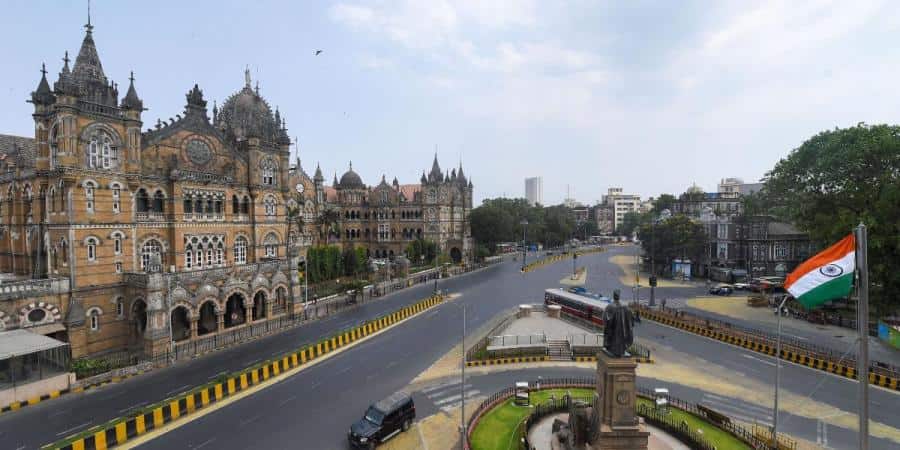
Mumbai-lockdown
Maharashtra Chief Minister Uddhav Thackeray on Thursday announced restrictions starting 8 p.m. on April 14, till April 30, to break the chain of the coronavirus which has gripped the state.
However, Mumbai suburban trains and city buses will continue to run, but commutes will be permitted for those in the designated `essential services, he said.
Maharashtra has been the country's worst-hit state due to the coronavirus, accounting for about a quarter of India's 13.5 million cases.
These things will not be allowed during the COVID-19 curfew in Maharashtra:
Citizens are not allowed to move in public places without valid reasons mentioned by the government.

All the establishments, public places, activities and services shall remain closed.
Only people from the essential services category will be allowed to unrestricted movements.
The decision regarding drivers, attendants to work in the 'exception category' will be taken by local authorities.
Essential categories that will be allowed
Shops: Grocery, vegetable shops, fruit vendors, dairies, bakeries and confectionaries can be open between 7 a.m. to 8 p.m.
Medical services:Hospitals, diagnostic centres, vaccination clinics and any manufacturing and distribution related to medical products.
Veterinary services, animal care shelters and pet food shops. Cold storage and warehousing services.
Transport:Public transport including aeroplanes, trains, taxis, autos and buses. Banks, stock exchanges, depositories and clearing corporations. Agriculture and other related activities.
E-commerce:Only for the supply of essential goods and services. Accredited media. Petrol pumps. Data centres and IT services supporting critical infrastructure.
Water, electric and gas supply. Postal services.
Manufacturing units producing raw material for an essential service.
Government, banking, insurance and pharmaceutical firm offices.
Only home delivery of food from restaurants and roadside eateries.
House-helps would be allowed to travel and work