Joshimath ground subsidence: PMO holds high-level meeting, officials told to assess situation on ground

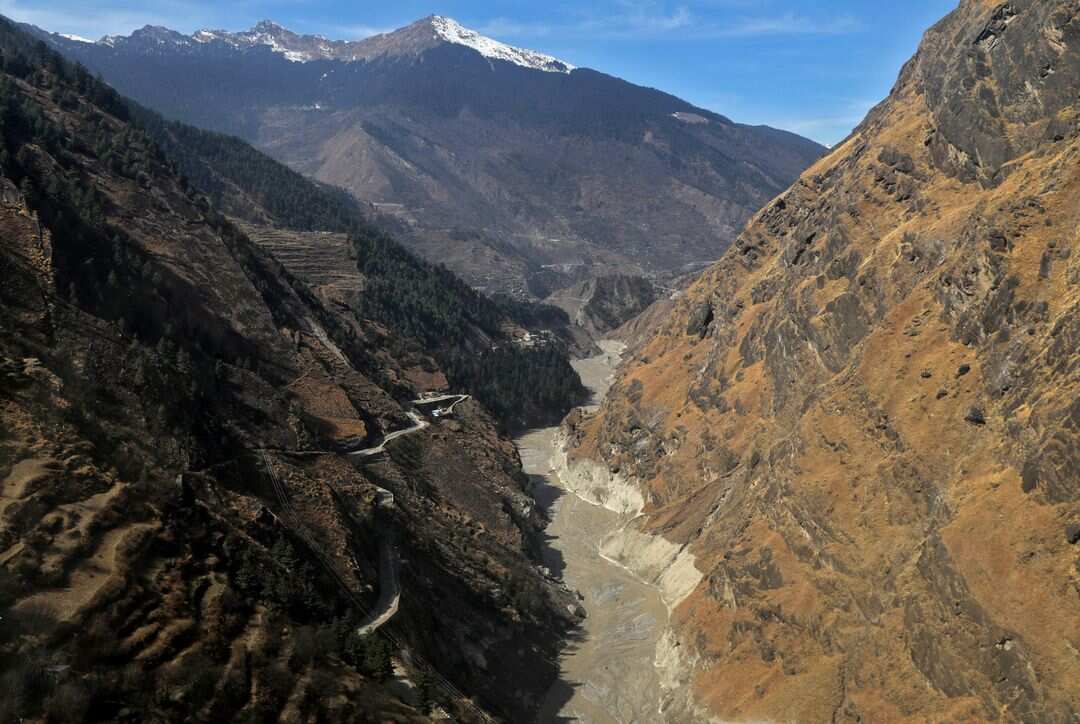
Joshimath is considered the gateway to famous pilgrimage sites like Badrinath and Hemkund Sahib
The Prime Minister’s Office held a high-level meeting with various government agencies and experts on Sunday to draft short, medium and long term plans to deal with the ground subsidence situation at northern Uttarakhand’s Joshimath hill town.
The land of the Joshimath has been sinking because of weak foundation and enhanced toe erosion, coupled with the incessant rainfall and floods in the recent past. It is estimated that human activity remains the biggest contributor.
During the meeting, the officials and experts were asked to assist the state government to tackle the crisis. Apart from that, the Secretary of Border Management and members of the National Disaster Management Authority (NDMA) have been told to visit the Himalayan state tomorrow and assess the situation further.

Experts from the National Remote Sensing Centre (NRSC), Hyderabad, and the Indian Institute of Remote Sensing (IIRS), Dehradun, have been asked by the state government to conduct a study of Joshimath area through satellite images and submit a detailed report with photographs.
Various agencies of the Union government and experts are assisting the Uttarakhand government in preparingshort, medium and long term plans.One team of NDRF and four teams of SDRF have already reached Joshimath.
Experts from National Disaster Management Authority, National Institute of Disaster Management, Geological Survey of India, IIT Roorkee, Wadia Institute of Himalayan Geology, National Institute of Hydrology and Central Building Research Institute will also participate in the studies and deliberationsand give their recommendations accordingly.
India: Over 600 houses in Joshimath have developed cracks, leaving people in agony
)
New Zealand farms shift to carbon forests: Carbon credits fuel a land rush reshaping rural life
)
Report: Zelensky meets CIA chief Ratcliffe at Shannon airport, weeks after his secret Moscow trip
)
Samay Raina-Mukesh Chhabra controversy explained: What happened over girlfriend joke on India's Got Latent?
)
IND vs JPN one-off T20I: India survive scare from Japan to win five-over a side match by 2 runs
)
Explainer: Why rare-earth export licences and Board of Trade are US priorities ahead of Trump-Xi summit
)
Pilot recreates Mona Lisa in sky over Oklahoma and Arkansas in four-hour flight: VIDEO
)
Anti-AI activists storm summit, say 'incompetent' leaders are leading us into a disaster - 'We need a vote'
)
Putin's United Russia party wins 355 seats in Duma election; 4 other parties cross threshold to enter parliament
)
Saudi Arabia exits China-led mBridge digital currency platform amid Saudi-Houthi conflict
&im=FitAndFill=(700,400))
Anant Nag to recieve Dadasaheb Phalke Award: From Ankur to Nishant- Revisit his best films and iconic performances on OTT
)
$110 billion Warner Bros merger: Paramount reaches settlement with 12 US states
)
FIFA chief Infantino wants to reform governing body with consultation from federations
)
'Lot of things to learn from experienced players': Jayasuriya backs Rohit, Virat for 2027 ODI World Cup
)
From ‘communist’ to ‘great mayor’: Trump praises Mamdani after New York meeting, discusses immigration and housing
)
AI models chose to harm humans to stop ‘pain,’ alarming study raises fresh safety questions
)
Key accused in Bihar's Jamui molestation case, arrested after police shoot him in leg
)
UK PM Burnham agrees to 'defensive' military support for Saudi Arabia against Houthis
)
Who is Clavicular? The 20-year-old controversial 'Looksmaxxing' influencer charged with rape allegations
)
Microsoft executive called AI training the ‘largest theft of labour in human history’
)
J&K Assembly Session begins amid chaos: BJP, ruling alliance clash as statehood demand dominates
)
US and China vie for AI dominance as calls grow for regulation | Gravitas
)
'Needs time away from the international scene': England white-ball captain Brook on pacer Brydon Carse's future
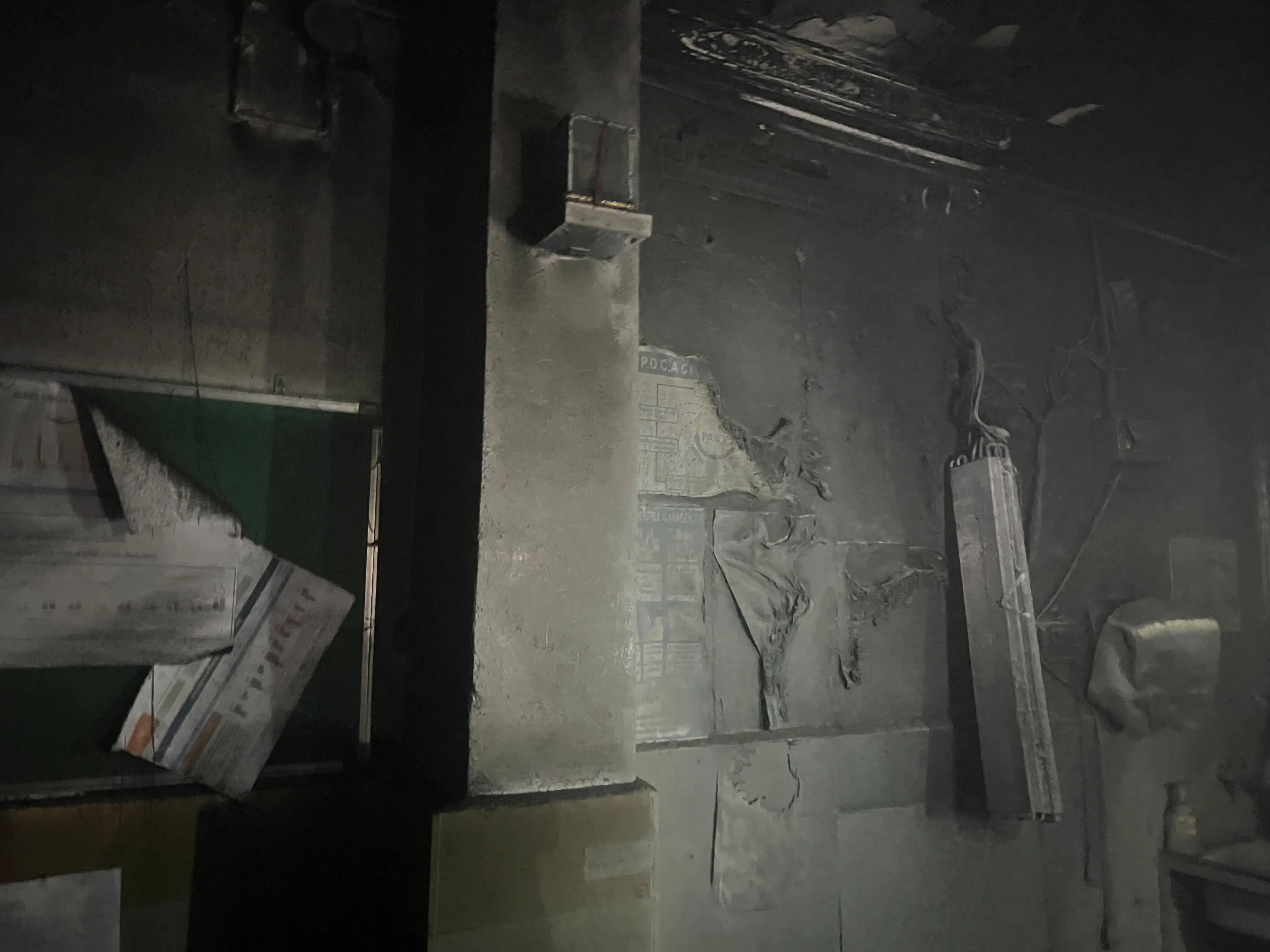)
Two infants die after fire breaks out at RIMS newborn care unit in Telangana's Adilabad
)
Trump's helipad event overshadowed by audio failure as major TV networks suspend pool coverage
)
IND vs JPN, one-off T20I: Japan captain Kendel on pushing India to the brink - ‘It was special’
)
Raaka creates history! Allu Arjun’s film secures Guinness World Record ahead of release
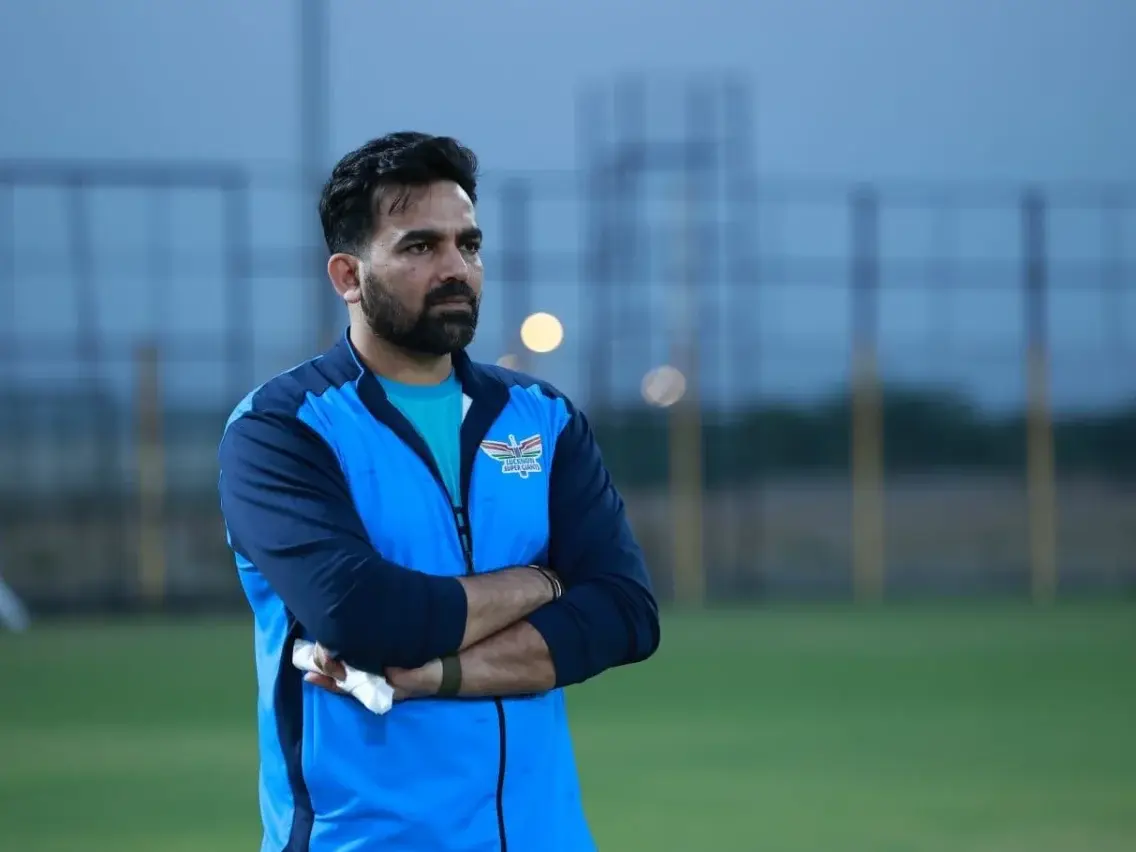)
How Zaheer Khan came to be CSK's head coach of IPL 2027
)
40-foot waves crash into cruise ship in dangerous stretch near Antarctica. Watch
)
UK banks are rethinking financial crime detection because of algorithm
&im=FitAndFill=(700,400))
New OTT releases this week (September 21-27, 2026): Shaque: Trust No One, Hunkkaar, Don’t Be Shy- 5 new titles coming to Netflix, Prime Video and more
)
Asian Games 2026: India women's cricket team beats Sri Lanka by 147 runs for first gold
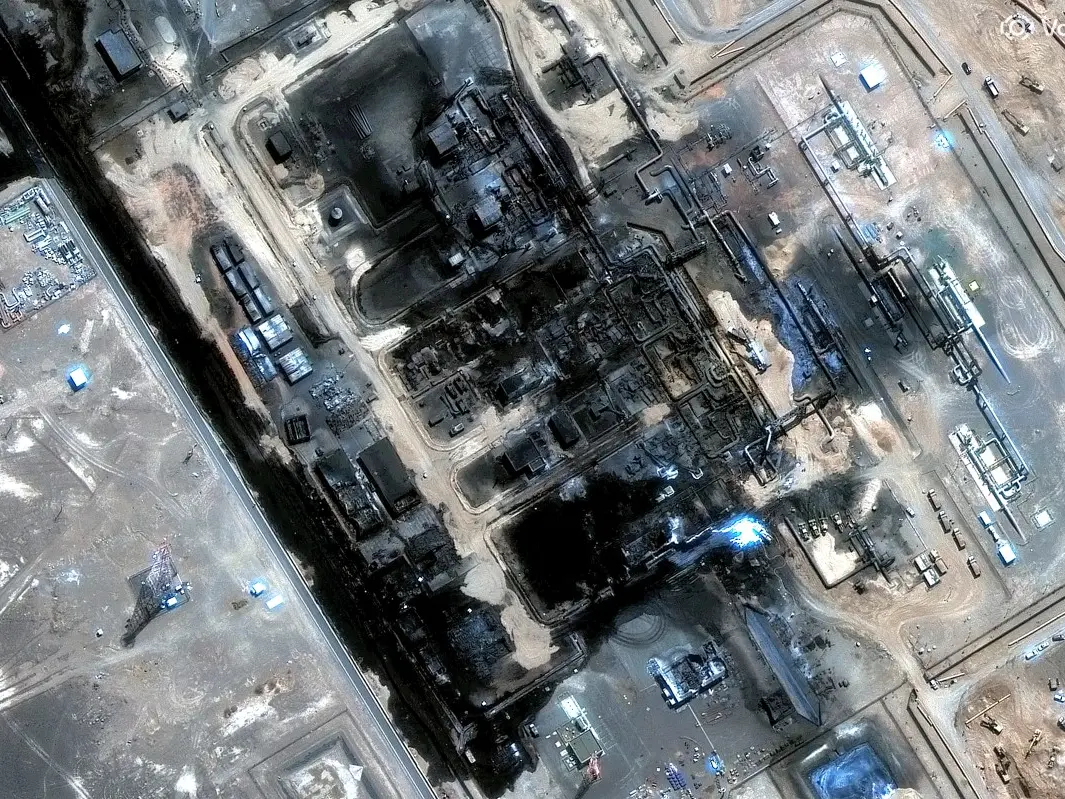)
Oil slips to $98 as Saudi Arabia restarts East-West oil pipeline
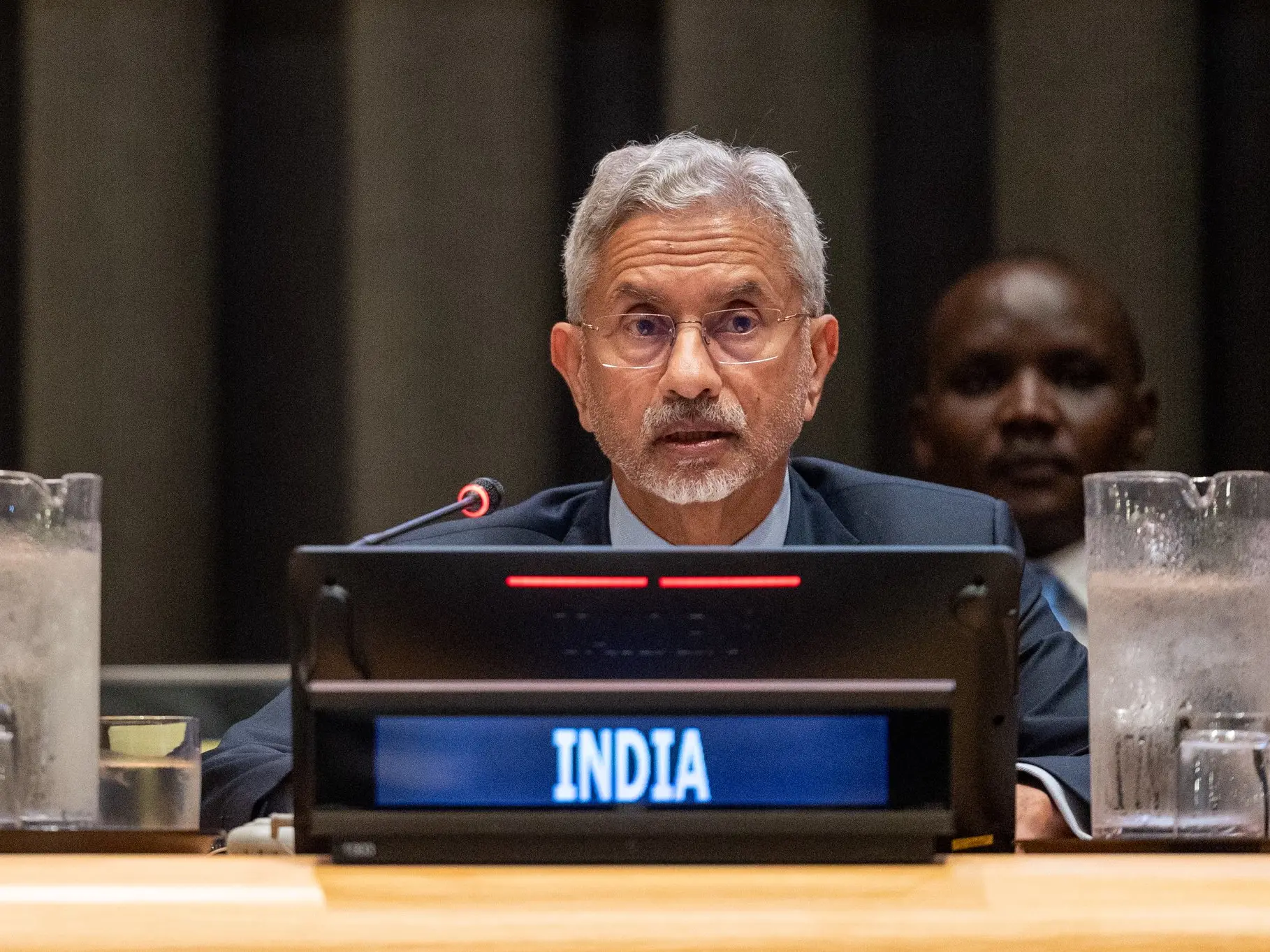)
India at UNGA81: Jaishankar warns global order under 'growing stress', pushes for ‘reformed multilateralism’
)
Jailer 2: Vidya Balan joins Rajinikanth's upcoming film as Kantha | Watch
)
Randeep Hooda arrives in Gujarat for his first National Film Award: ‘Very grateful’
&im=FitAndFill=(700,400))
National Film Awards 2026: Kartik Aaryan, Mammootty, Yami Gautam, Randeep Hooda and other key winners
)
Indonesian groups sue govt over wildfires as haze crosses borders, nearly 900,000 hectares burned
)
‘0% chance’: Nvidia CEO Jensen Huang dismisses AI extinction fears by 2030
)
US-Iran war, peace deals and more: What to expect from Trump's UNGA 2026 speech
Garhwal Commissioner Sushil Kumar said that Joshimath has been declared a ‘landslide-subsidence zone’ and over 60 families have been evacuated to temporary relief centres while90 families are yet to be shifted to safety.
Chamoli district magistrate Himanshu Khurana went on a door-to-door to survey for assessing the damageand appealed people living in houses that have developed cracks to move to relief centres. He urgedpeople to move out of unsafe houses as arrangements for their stay have been made in hotels, homestays and other safe places.The state government will pay Rs 4,000 per month for up to six months to those who want to move to rented accommodations, he added.
The Geological Survey of India has been tasked with examining the suitability of Koti Farm, Herb Institute and the horticulture department's land in Joshimath and in Pipalkoti's Semaldala area for rehabilitation purposes.
The requests were made by Chief Minister Pushkar Singh Dhami after visiting the affected areas in Joshimath.
Why Joshimath is important?
Joshimath is considered the gateway to famous pilgrimage sites like Badrinath and Hemkund Sahib and international skiing destination Auli.
Warnings ignored?
There is palpable anger among the people against the government, claiming that they have been apathetic to the warnings about the dangerous situation of buildings in the Himalayan town due to heavy construction activities going on around it.
High court’s help sought
A plea has been filed in the Delhi High Court asking the judiciary to direct the central government to constitute a committee headed by a retired judge to look into the issue of the sinking of Joshimath in Uttarakhand and rehabilitate the affected families.
The plea, which has pointed out the woes of over 3000 people of Joshimath, states that cracks have developed in at least 570 houses due to continued land subsidence.
ALSO READ |Joshimath sinking: Why is this town in India's Uttarakhand falling apart?
After sinking of land, over 60 families are reported to have left the town while others are either risking their lives by staying there or searching for alternate accommodation in winter, it claimed.
Are other areas also at risk?
Experts believe that other tourist areas like Uttarkashi and Nainital are also at risk of land sinking, putting the lives of hundreds and thousands of people at risk.
Dr Bahadur Singh Kotlia, Professor of Geology at Kumaun University, told India Today that the main new reason behind the sudden sinking is because of the reactivation of the Main Central Thrust (MCT-2)— a geological fault where the Indian Plate has pushed under the Eurasian Plate along the Himalayas.
"This MCT-2 zone has reactivated, which is causing the sinking of ground in Joshimath and no geologist can predict when this reactivation will happen. We have been warning governments for two decades now, but it was all ignored till now. You cannot fight geology, you cannot fight and win with nature," says Dr Bahadur Singh Kotlia, Professor of Geology at Kumaun University.
(With inputs from agencies)
WATCH WION LIVE HERE: