ISRO delivers a Saturday Space Science Thriller, Gaganyaan maiden test flight 'TV-D1' successful


Image of TV-D1 Test Flight of Mission Gaganyaan before launch.
It was a Saturday Science Thriller like no other! Themuch-anticipated ISRO rocket launch that was originally scheduled for 8:00 am, was rescheduled twice within an hour (to 8:30 and 8:45). At 8:45 am, as people and journalists at the spaceport looked skywards, the vehicle did not lift off. As the countdown timer was at minus five seconds, the computer had put the launch on hold, owing to an anomaly in engine ignition.Videos from the launchpad showed the rocket emitting red fumes, indicating that it was just moments away from launch. The ISRO Chief had acknowledged the anomaly and said that their team would identify the fault and schedule the launch after the fault was rectified. When most people lost hope, ISRO had silently rectified the issue within an hour and launched at 10 am sharp.
After the setback on the launchpad, ISRO Chief Dr S. Somanath said, "The lift-off attempt of TV-D1 could not happen today...We had a very smooth Automatic Launch Sequence leading up to the command to lift off the engine...But the engine ignition has not happened in the nominal course, we have to find out what went wrong with that. The entire vehicle is safe." While it seemed that the launch would happen only weeks later, ISRO was quick to rectify the issue with their computer systems and resume the countdown.

A few seconds after the clock struck 10:00 am, amid hazy skies, the only indication of the Test Vehicle having lifted off was the loud rumble of the liquid-fuelled Vikas engine that powers the Test Vehicle. Soon after, the flight events happened precisely in the planned sequence.As per the plan, 61 seconds from lift-off, the vehicle reached an altitude of 11.9kmand a speed of Mach1.2 (1480kmph) and that's when the rocket shut down, as pre-programmed. Immediately, the Crew escape system triggered and the top portion of the rocket comprising the escape system and the crew module ejected itself higher and farther away from the rocket. They travelled a couple of kilometres higher away from the rocket. 90 seconds after lift-off, at around 17kmaltitude, the crew escape system and crew module separated. While the rocket and the crew escape system rapidly fell into the sea, the crew module used multiple parachutes to gradually descend and splash down, almost 10 km away from the spaceport's shore. From lift-off to splashdown, this mission took place in nine minutes, and the ISRO Mission Control broke into a celebration as the parachutes deployed during the crew module descent.
In his post-mission address, ISRO Chief Dr. S. Somanath said, 'TV-D1' fully accomplished its objectives. "Crew module has safely landed. I'm very happy to announce a successful mission accomplishment. The crew module has splashed down at the required velocity and this confirmation data has been received. The recovery activity will continue to happen" he added.
&imwidth=180&imheight=135&format=webp&quality=medium)
'Nidal Hasan's firing-squad execution to be livestreamed', says Pentagon; first US military execution since 1961
&imwidth=180&imheight=135&format=webp&quality=medium)
Trump's naked 23-karat gold statue unveiled near European Parliament
&imwidth=180&imheight=135&format=webp&quality=medium)
Musk doubles down on Starlink India licence allegations; Rahul Gandhi says ‘wait till...’
&imwidth=180&imheight=135&format=webp&quality=medium)
Thai Actors Fourth Nattawat, Gemini Norawit face racism accusations from Indian fans over viral Bollywood act
&imwidth=180&imheight=135&format=webp&quality=medium)
Nigeria govt rolls out 30-day NNPC petrol discount, insists it is not a subsidy
&imwidth=180&imheight=135&format=webp&quality=medium)
Captain Smit Machchhar on feet again, walks 10 steps as recovery continues after Flydubai flight attack
&im=FitAndFill=(700,400)&imwidth=180&imheight=135&format=webp&quality=medium)
Fastest-growing Asian economies in 2026: Who tops the chart? Where does India rank?
&imwidth=180&imheight=135&format=webp&quality=medium)
24-year-old Sri Lankan man sentenced to death for blasphemy in Saudi Arabia
&imwidth=180&imheight=135&format=webp&quality=medium)
A Love Other Than Yours: The temptation to cheat and what pushes people over the edge
&imwidth=180&imheight=135&format=webp&quality=medium)
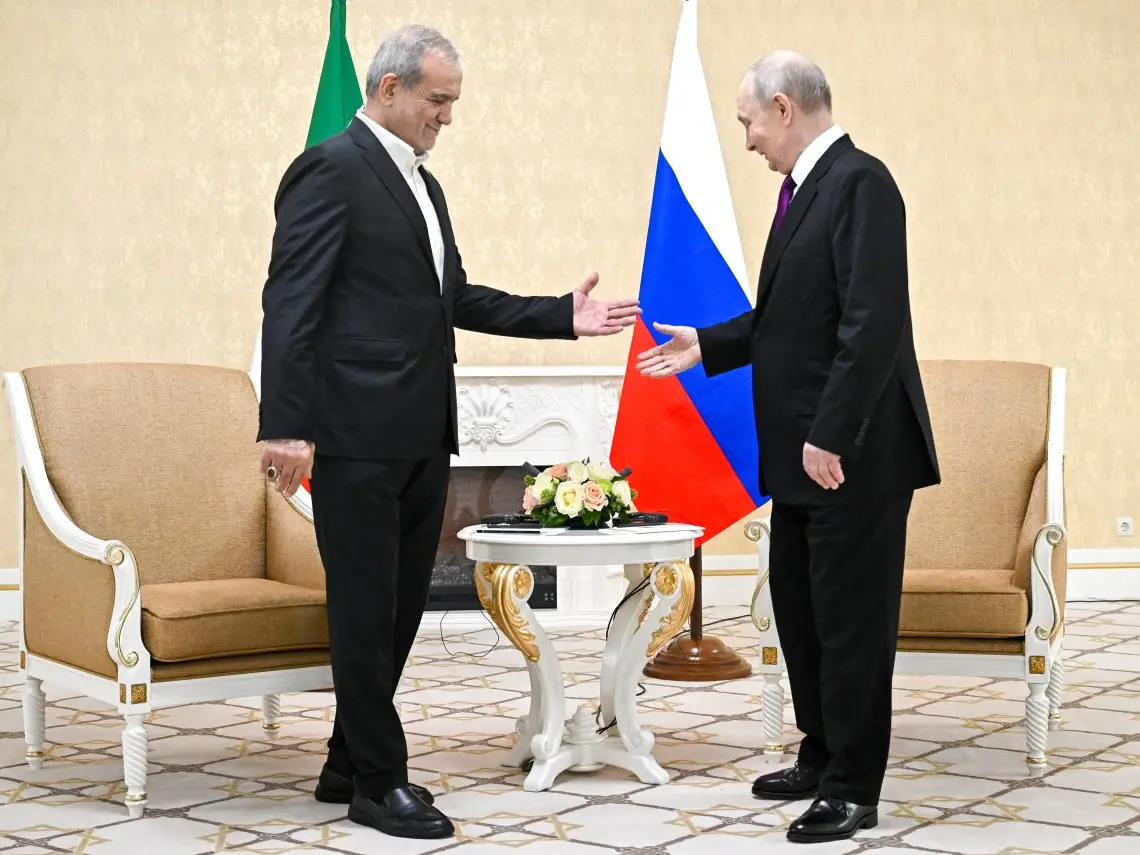
Russia president Putin promises to 'do everything' to help settle Middle East conflict as US-Iran negotiations stall
&imwidth=180&imheight=135&format=webp&quality=medium)
‘Wait till you discover the other guy’: Rahul Gandhi takes a swipe as Musk's 'Ambani real boss of India' remark triggers X subscription cancellations
&imwidth=180&imheight=135&format=webp&quality=medium)
BTS agency HYBE announces first-ever Weverse Con Festival in India
&imwidth=180&imheight=135&format=webp&quality=medium)
Trump has a new 'enemy': Anyone who calls it 'artificial intelligence'. Here's what we wants instead
&imwidth=180&imheight=135&format=webp&quality=medium)
India at UN: Pak allows terror groups to operate from its soil
&imwidth=180&imheight=135&format=webp&quality=medium)
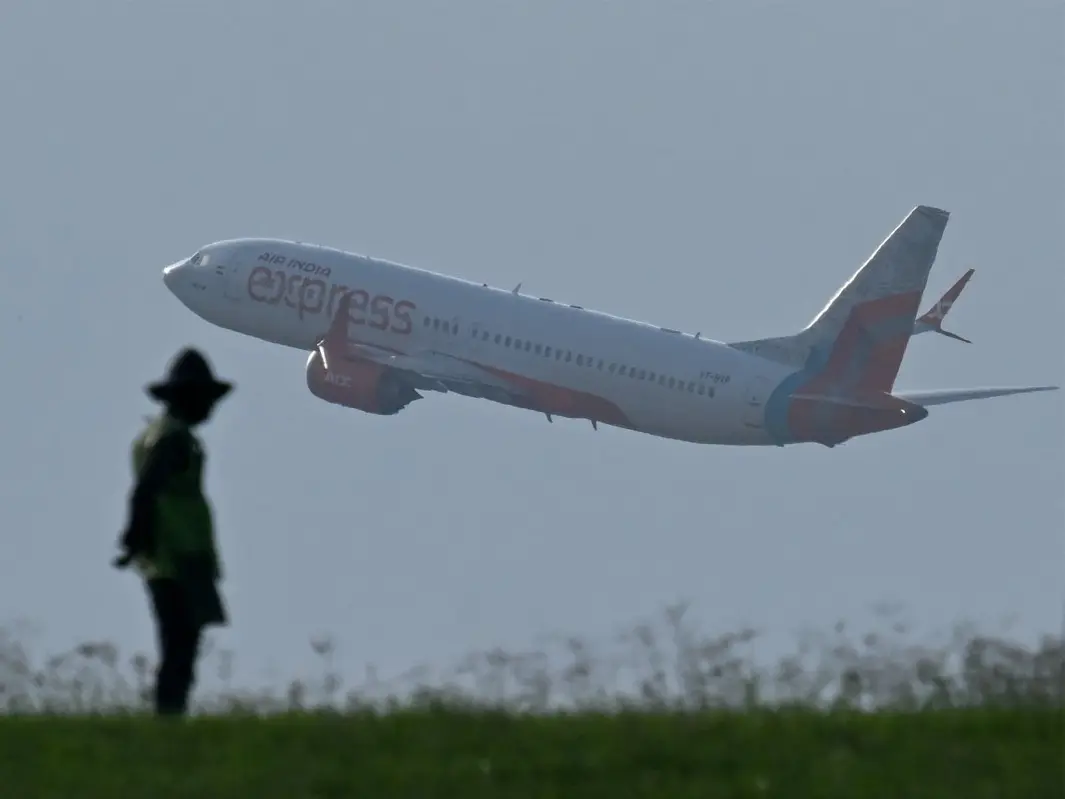
Air India, Air India Express increase fuel surcharge on domestic, international flights amid rising ATF costs
&im=FitAndFill=(700,400)&imwidth=180&imheight=135&format=webp&quality=medium)
Nana Patekar’s upcoming big-screen films: From Shakti Shalini to Eetha
&imwidth=180&imheight=135&format=webp&quality=medium)
'Something truly catastrophic will happen': Former OpenAI researchers sound the alarm, claim they were fired for prioritising AI safety
&im=FitAndFill=(700,400)&imwidth=180&imheight=135&format=webp&quality=medium)
From Kramatorsk buses to Yandex fire: Russia-Ukraine war in the last 48 hours
&imwidth=180&imheight=135&format=webp&quality=medium)
Pakistan denies reports of PAF jets being used in attacks against Iran-backed Houthis in Yemen
&imwidth=180&imheight=135&format=webp&quality=medium)
New York ICE shooting sparks protests as Mamdani to call on Trump to halt ICE operations
&imwidth=180&imheight=135&format=webp&quality=medium)
Atlantic hurricane Isaias could make landfall as a strong Category 2 storm, tornado warnings issued
&imwidth=180&imheight=135&format=webp&quality=medium)
Nana Patekar's #MeToo controversy: From Tanushree Dutta’s allegations to court ruling
&imwidth=180&imheight=135&format=webp&quality=medium)
Who is Nana Patekar's wife Neelakanti? The bank officer who earned Rs 2,500 when he earned Rs 50
&imwidth=180&imheight=135&format=webp&quality=medium)
French students light European bonfire, protests erupt in Belgium, Italy & Greece | Gravitas
&imwidth=180&imheight=135&format=webp&quality=medium)
France student protests: Over 500 arrested, govt promises 3,000 substitute teachers
&imwidth=180&imheight=135&format=webp&quality=medium)
Arizona congressional candidate claims she was sexually assaulted while repairing signs
&imwidth=180&imheight=135&format=webp&quality=medium)
New Cold War: Why is China buying more gold? Explained
&imwidth=180&imheight=135&format=webp&quality=medium)
OpenAI shuts down Russian, Iranian influence operations using ChatGPT to spread propaganda
&imwidth=180&imheight=135&format=webp&quality=medium)
'Understood consequences of a few mistakes': Ishan Kishan reflects on journey back to India team
&imwidth=180&imheight=135&format=webp&quality=medium)
Sri Lankan Tamil worker gets death sentence in Saudi Arabia over blasphemy, calls for pardon intensify
&imwidth=180&imheight=135&format=webp&quality=medium)
Zendaya gives The Odyssey white lace jacket a stylish twist at Paris Fashion Week 2026
&imwidth=180&imheight=135&format=webp&quality=medium)
SC asks Centre to frame mechanism against unethical pharma marketing practices
&imwidth=180&imheight=135&format=webp&quality=medium)
US suspends Microsoft, Infosys, Tata, Wipro from green card programme over alleged H-1B abuse
&imwidth=180&imheight=135&format=webp&quality=medium)
Trump honours Microsoft CEO Satya Nadella with top technology honour amid immigration scrutiny
&imwidth=180&imheight=135&format=webp&quality=medium)
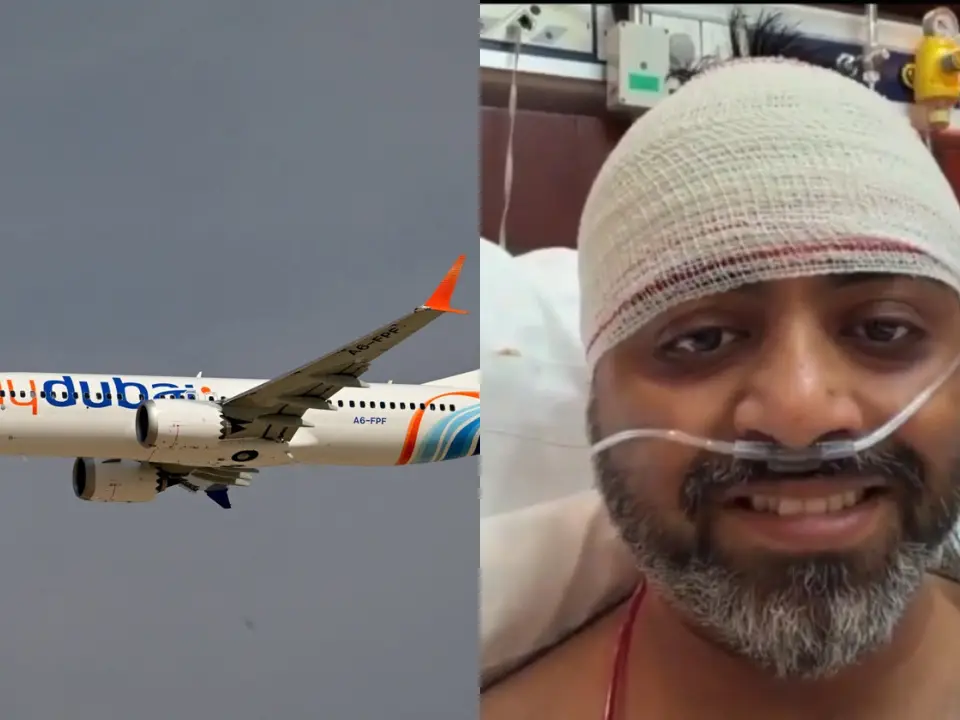
Flydubai flight attack: Indian pilot Smit Machchhar to receive Israel's highest civilian bravery award for saving 174 lives
Explaining the delay, the anomaly and the suspense, Somanath said that the initial delay was owing to weather-related issues. "Thereafter, the computer detected an anomaly in the rocket and put the launch on hold, with barely 5 seconds to go for lift-off. "We understood that the non-conformance(error detected) was due to a monitoring anomaly in the system. We identified and rectified it very fast and took our time to refill the gases in the rocket and again went for the launch" he elaborated. Referring to the process of rapidly identifying and rectifying the anomaly, Somanath said that it was training for the team, in preparation for the Gaganyaan astronaut mission.
According to 'TV-D1' Mission Director Sivakumar, the three components in this test - Test Vehicle rocket, Crew Escape System and Crew Module had performed perfectly in their maiden attempt. The ISRO Chief said that more data from this mission would be available, once the crew module is recovered and handed over to ISRO at the Chennai Port. WION had first reported that two Indian ships INS Shakti and SCI Saraswati would be waiting at a safe distance to recover the empty capsule. INS Shakti is a fleet tanker of the Indian Navy and SCI Saraswati is a multi-purpose support vessel (meant to supply offshore installations and serve research purposes) of the Shipping Corporation of India. Notably, both these vessels are capable of having helicopters on board, thereby acting as a force multiplier and offering airborne assistance to their respective primary missions.Visuals beamed to ISRO, from aerial assets showcased the crew module recovery activity at sea. The activity involved multiple large vessels and smaller crafts.
The maiden Test Vehicle success offers more confidence to ISRO to execute at least three more missions under varied flight conditions. The ISRO Chief expressed optimism about the maiden unmanned flight(complete Gaganyaan mission flight, without astronauts) taking place in early 2024.
You cannow write for wionews.comand be a part of the community. Share your stories and opinions with ushere.
WATCH WION LIVE HERE
