Is COVID back in India? What variants are circulating? What you should know

&imwidth=600&imheight=450&format=webp&quality=medium "Is COVID back in India? What variants are circulating? What you should know")
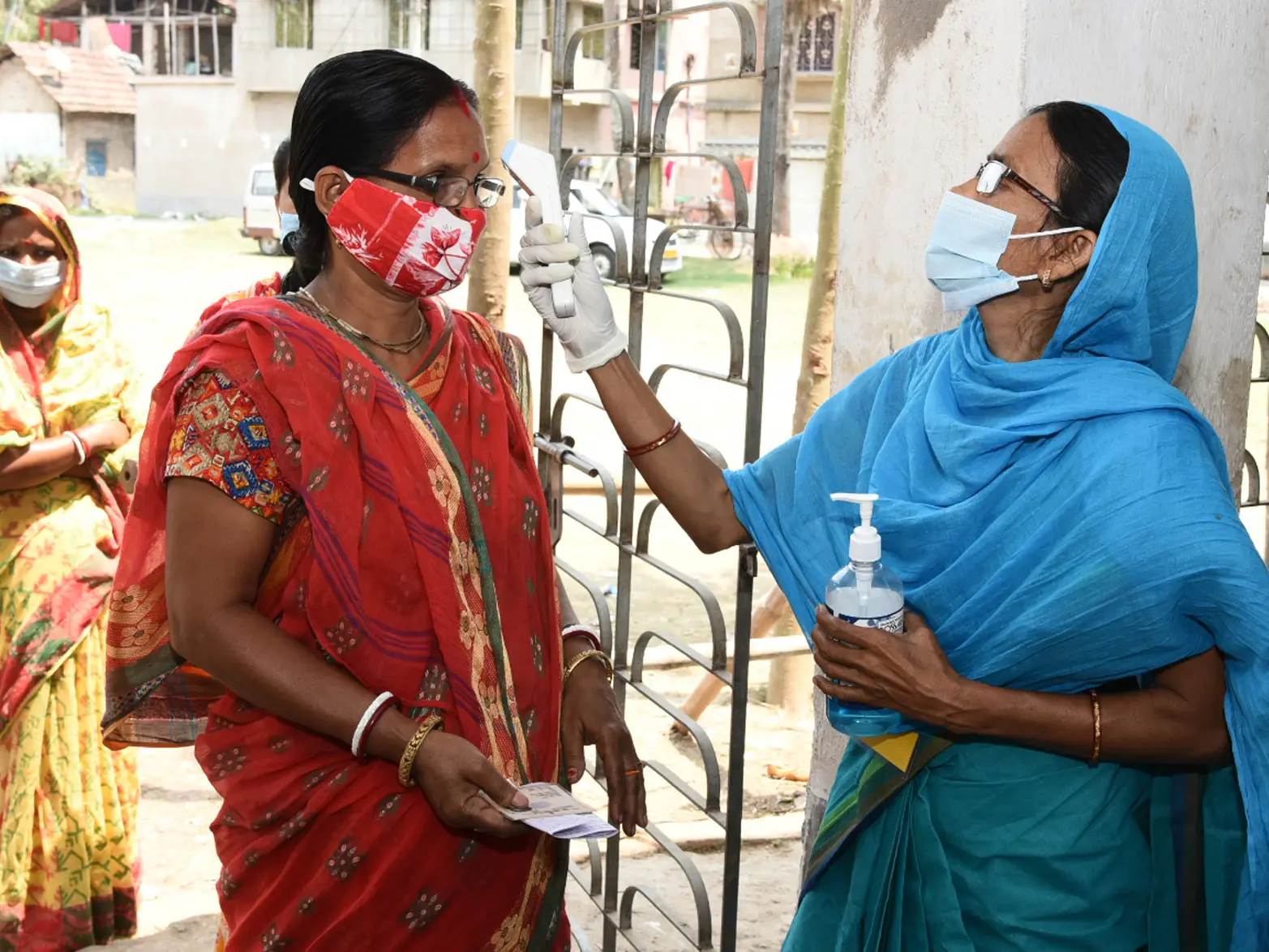
A file picture from India during the Covid pandemic Photograph: (Others)
There were some mild, localised increases in COVID-19 in India in 2025. These are mainly driven by Omicron subvariants. Symptoms are mostly mild. Here is what else you should know
There has been a mild increase in COVID-19 cases at several points during 2025 in India, though there is no major nationwide resurgence. The most recent upticks have been modest and localised, not comparable to the large waves seen earlier in the pandemic.
Covid cases in first half of 2025
In the first half of 2025, India experienced a rise in active cases in May–June. Active cases increased from around 257 in mid-May to over 1,000 in late May, and then rose to approximately 4,000 in early June, reaching more than 7,000 by mid-June. These increases coincided with the detection of several Omicron descendant subvariants.
Which are the new Covid subvariants in India?
The new subvariants detected in India include JN.1, NB.1.8.1, LF.7, and XFG.
Trending Stories
)
)
)
)
)
)
)
)
)
)
)
)
)
)
)
)
)
)
)
)
)
)
)
)
)
)
)
)
)
)
)
)
)
)
)
)
)
JN.1 has been circulating throughout 2025 and is one of the more frequently identified subvariants of Omicron.
NB.1.8.1 and LF.7 have been detected in smaller numbers in states such as Tamil Nadu and Gujarat. XFG has been reported across several states. All of these subvariants are classified as Variants Under Monitoring and none are considered Variants of Concern or high-risk.
Symptoms associated with the new Covid subvariants
The symptoms of JN.1, NB.1.8.1, LF.7, and XFG remain similar to previous Omicron lineages. These typically include mild respiratory symptoms such as fever, cough, and fatigue.
Most cases have been mild. Deaths that have occurred are largely reported among elderly or medically vulnerable patients. There is no evidence of unusually severe disease in healthier populations.
COVID-19 vaccines and existing immunity continue to offer strong protection against severe illness and hospitalisation.
Covid in India in 2025: A snapshot
During the mid-year rise, Kerala, Maharashtra, and Delhi recorded some of the higher active caseloads compared with other states.
There is no large COVID-19 wave underway in India as of late 2025, but health authorities continue genomic and epidemiological surveillance.
As of the latest official reports, India’s active COVID-19 cases are low compared with earlier peaks.
The World Health Organization is monitoring Omicron descendant subvariants globally, including in India. There is no indication that the currently circulating subvariants are causing increased severity or significant immune escape.