Integrated Theatre Command structure for Indian defence forces: Why it matters

&imwidth=600&imheight=450&format=webp&quality=medium "Integrated Theatre Command structure for Indian defence forces: Why it matters")
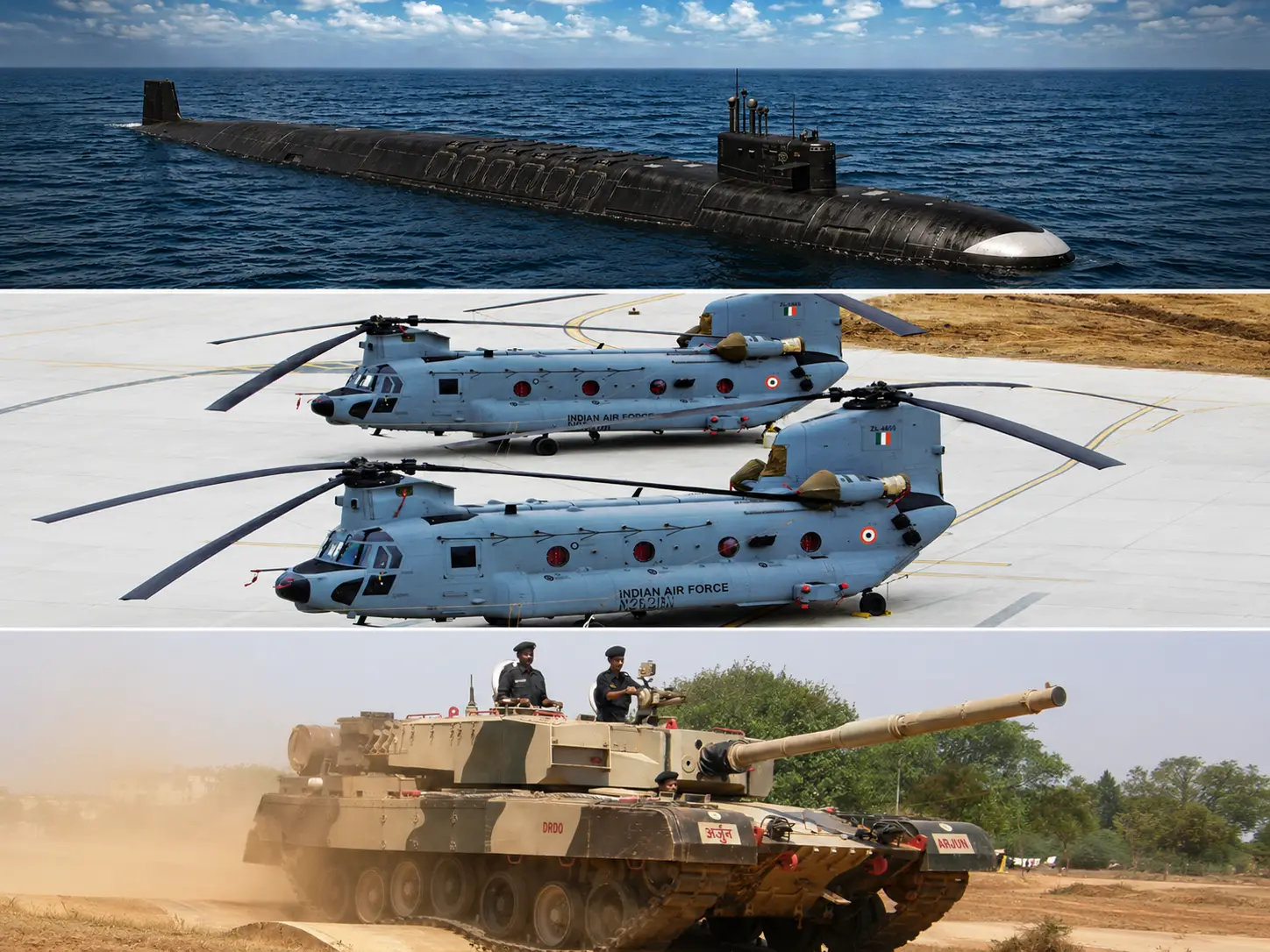
Theatre Command structure combining Indian Army, Navy and Air Force assets has been under discussion for years Photograph: (Others)
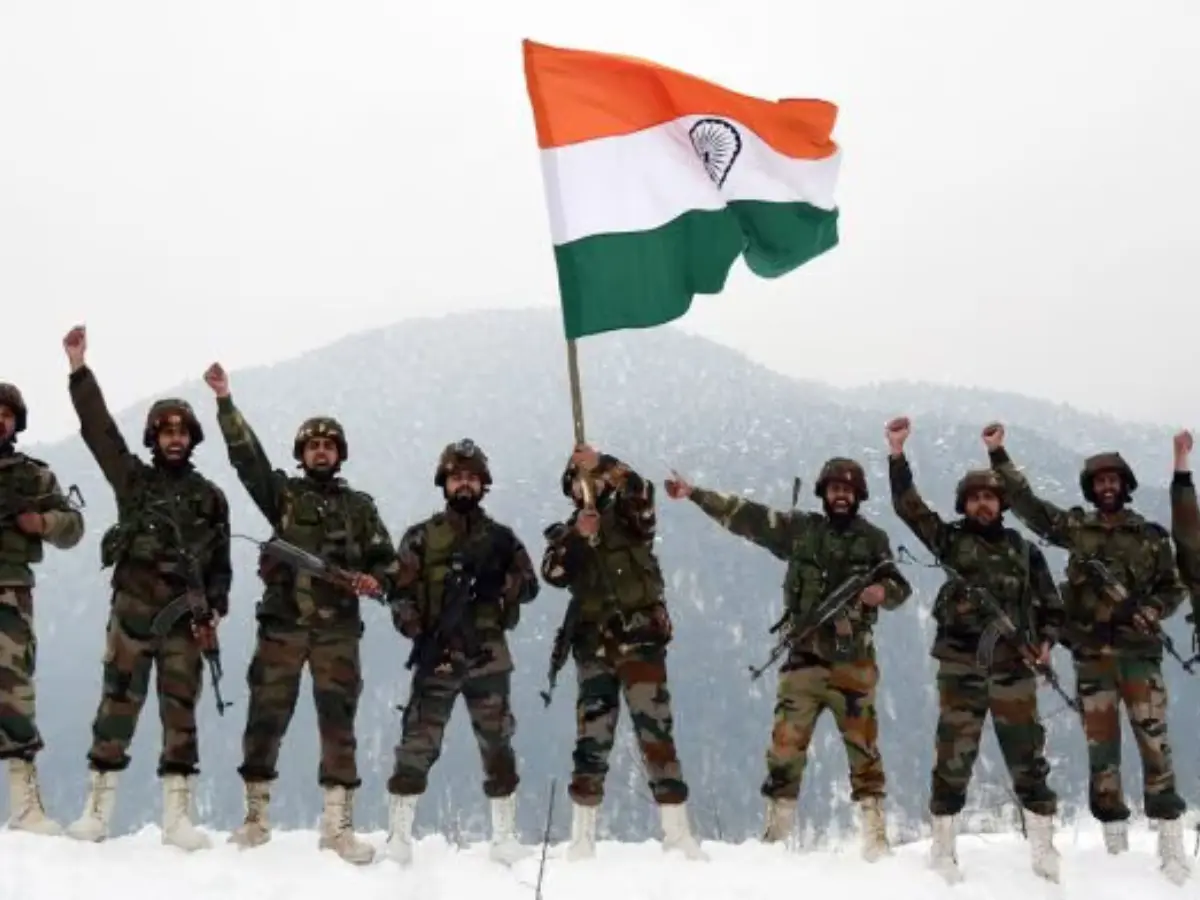
India is moving closer to Integrated Theatre Commands. The reforms are aimed at unifying Army, Navy and Air Force operations in three key defence frontiers. The proposal now awaits government approval after years of planning and consultations. Here is why it matters
India is moving towards a military command reform that could see the introduction of three new Integrated Theatre Commands (ITCs) combining Army, Navy and Air Force assets operating in geographical theatres under single operational commanders. The aim is to improve jointness, logistics, planning and warfighting. The ITC model is expected to speed up operational responsiveness by replacing service-specific planning with unified operational commands capable of employing land, air and maritime assets together. According to defence officials, greater jointness is essential to address increasingly complex multi-domain security challenges, including from China and Pakistan. Here is what you should know:
The Theatre Command plan: What the reports are claiming
A report by Hindustan Times claimed, citing sources, that Northern, Western and Maritime Theatre Commands will be created. They will be focused on China, Pakistan and the Indian Ocean Region, respectively, with each expected to be led by a four-star officer. Four new posts equivalent to the current service chiefs, including that of the Vice Chief of Defence Staff or Vice CDS, will be created, it said. Some other media reports suggested that the initial theatre commanders may instead be three-star officers, reporting through a Vice CDS.
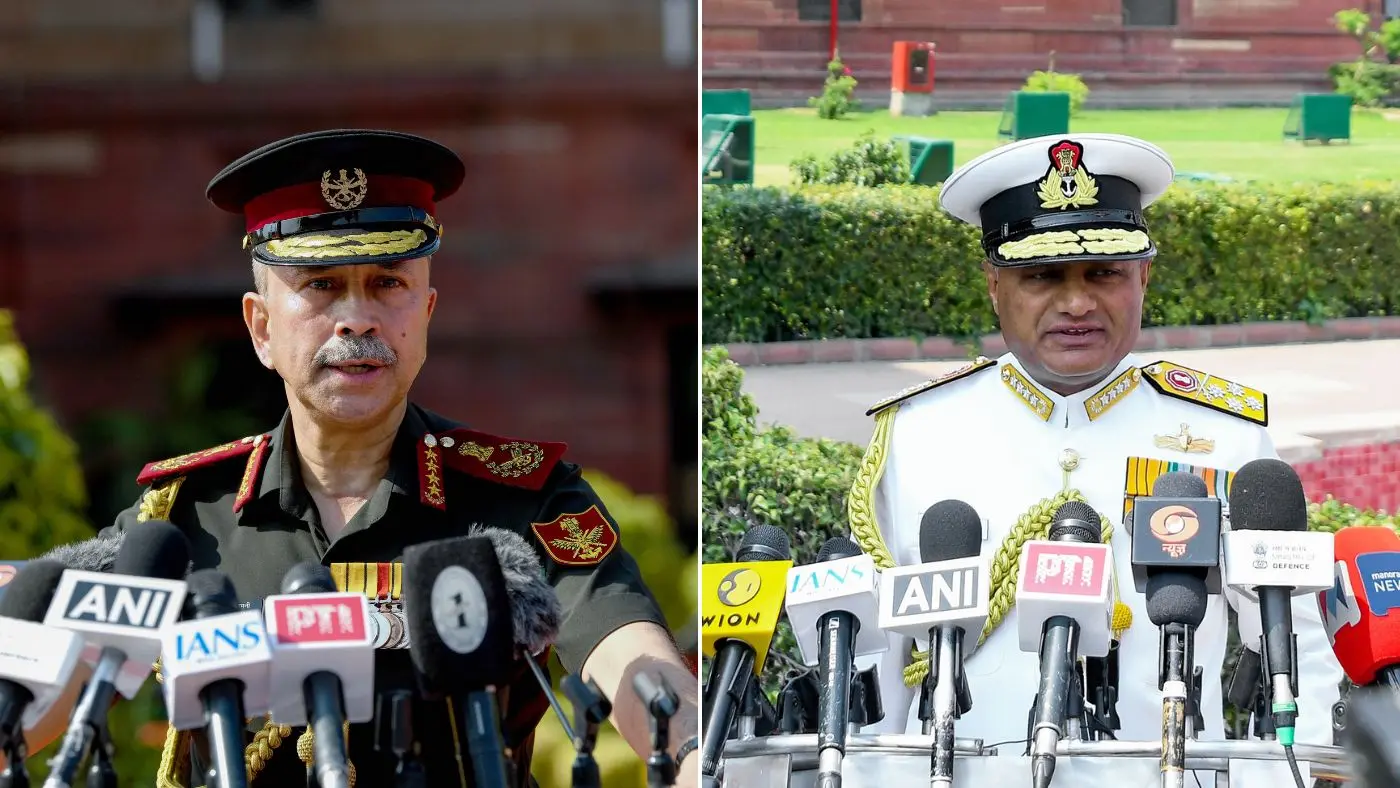
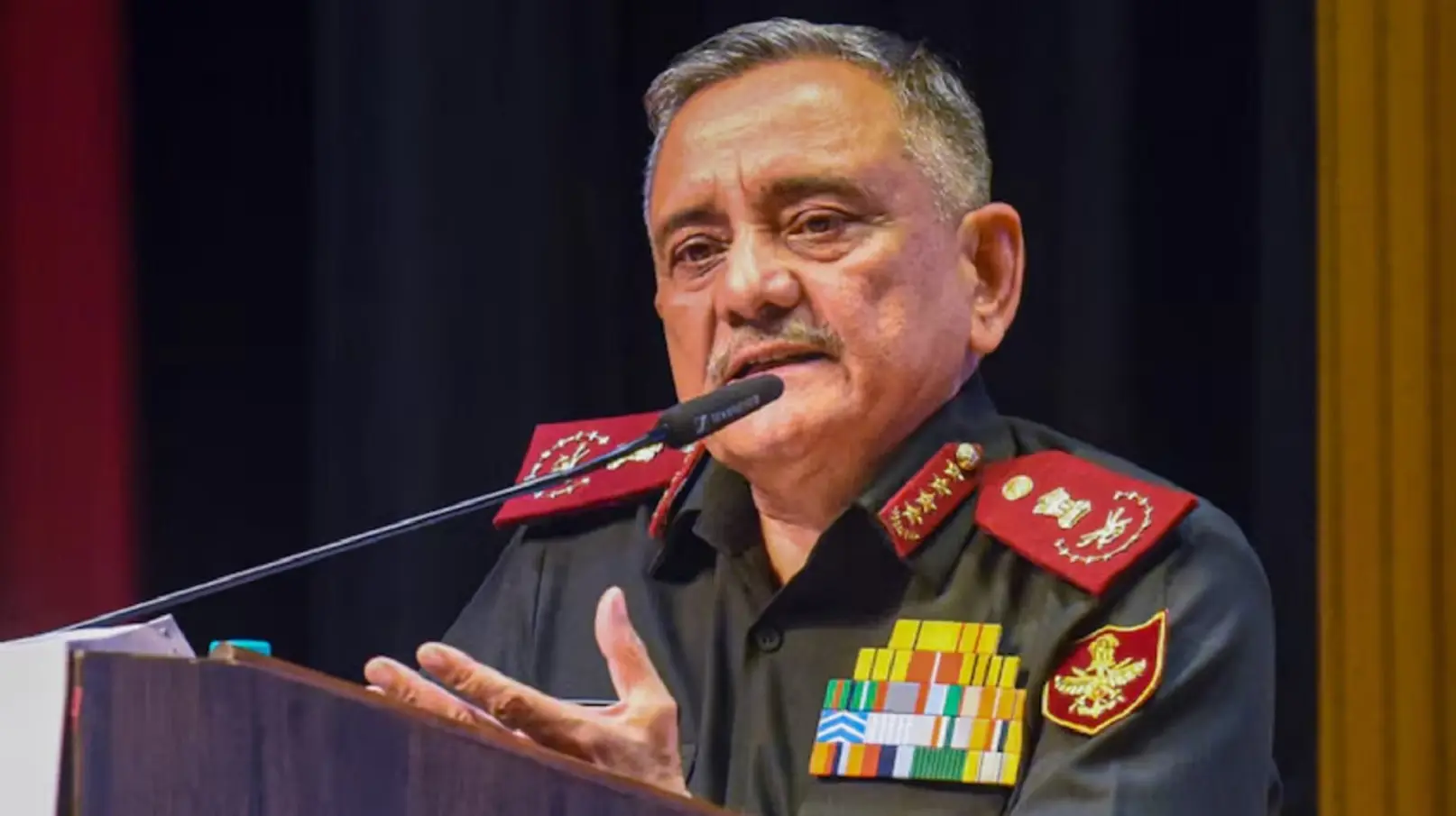
General Anil Chauhan, the former Chief of Defence Staff (CDS), had submitted the final draft proposal on the subject before leaving office in May. The new CDS, General NS Raja Subramani, will make a detailed presentation of the proposal before all stakeholders and Defence Minister Rajnath Singh, the report said. Some reports have also claimed that the headquarters could be located at Lucknow, Jaipur and Thiruvananthapuram, but there is no official confirmation.
Theatre Commands structure for Indian defence forces: A long time coming
Jointness and theatreisation have been key defence reforms under discussion for years. They were among the recommendations of the Kargil Review Committee (1999), which called for greater integration among the armed forces following the Kargil conflict. The Naresh Chandra Task Force and the Shekatkar Committee later reinforced this idea. Former CDS General Chauhan, speaking at the Major General Samir Sinha Memorial Lecture at the United Service Institution in New Delhi in May, said that three sets of recommendations on ITCs had been submitted to Defence Minister Rajnath Singh. He said consultations among the Army, Navy and Air Force had concluded and that the proposal had moved into the government's decision-making process.
Trending Stories
&imwidth=280&imheight=210&format=webp&quality=medium)
&im=FitAndFill=(700,400)&imwidth=280&imheight=210&format=webp&quality=medium)
&imwidth=280&imheight=210&format=webp&quality=medium)
&imwidth=280&imheight=210&format=webp&quality=medium)
&imwidth=280&imheight=210&format=webp&quality=medium)
&imwidth=280&imheight=210&format=webp&quality=medium)
&imwidth=280&imheight=210&format=webp&quality=medium)
&imwidth=280&imheight=210&format=webp&quality=medium)
&imwidth=280&imheight=210&format=webp&quality=medium)
&imwidth=280&imheight=210&format=webp&quality=medium)
&imwidth=280&imheight=210&format=webp&quality=medium)
&imwidth=280&imheight=210&format=webp&quality=medium)
&imwidth=280&imheight=210&format=webp&quality=medium)
&im=FitAndFill=(700,400)&imwidth=280&imheight=210&format=webp&quality=medium)
&imwidth=280&imheight=210&format=webp&quality=medium)
&imwidth=280&imheight=210&format=webp&quality=medium)
&imwidth=280&imheight=210&format=webp&quality=medium)
&imwidth=280&imheight=210&format=webp&quality=medium)
&imwidth=280&imheight=210&format=webp&quality=medium)
&imwidth=280&imheight=210&format=webp&quality=medium)
&imwidth=280&imheight=210&format=webp&quality=medium)
&imwidth=280&imheight=210&format=webp&quality=medium)
&imwidth=280&imheight=210&format=webp&quality=medium)
&im=FitAndFill=(700,400)&imwidth=280&imheight=210&format=webp&quality=medium)
&imwidth=280&imheight=210&format=webp&quality=medium)
&imwidth=280&imheight=210&format=webp&quality=medium)
&imwidth=280&imheight=210&format=webp&quality=medium)
&imwidth=280&imheight=210&format=webp&quality=medium)
&imwidth=280&imheight=210&format=webp&quality=medium)
&imwidth=280&imheight=210&format=webp&quality=medium)
&imwidth=280&imheight=210&format=webp&quality=medium)
&imwidth=280&imheight=210&format=webp&quality=medium)
&imwidth=280&imheight=210&format=webp&quality=medium)
&imwidth=280&imheight=210&format=webp&quality=medium)
When will the Theatre Command be implemented?
Implementation will require approval from the highest levels of the government, including the Cabinet Committee on Security (CCS). The Government has not officially released the final structure, locations or command hierarchy of the proposed Integrated Theatre Commands. Neither the Ministry of Defence (MoD) nor the CCS has announced final approval or a date for implementation. The command hierarchy also remains under discussion.
India's current Command structure
India currently operates 17 single-service commands. These comprise seven Army Commands, seven Air Force Commands and three Naval Commands, in addition to two existing Tri-service Commands—the Andaman and Nicobar Command (ANC) and the Strategic Forces Command (SFC). Rationalising these into integrated theatres would represent one of the largest organisational reforms undertaken by the Indian armed forces.
Concerns around Theatre Command restructuring
Former CDS General Chauhan has stated publicly that consensus has largely been achieved among the Services, although details of the final structure continue to evolve. Recent reporting has indicated that the Indian Air Force (IAF) is of the view that scarce air assets should remain centrally managed rather than permanently allocated to geographical theatres, particularly as the IAF currently fields around 31 fighter squadrons against an authorised strength of 42.
Legislative enabler completed
The Inter-Services Organisations (Command, Control and Discipline) Act, 2023 became fully operational after the Government notified the corresponding Rules in the Gazette of India on 27 May 2025. The legislation empowers commanders of notified inter-service organisations to exercise command, administrative and disciplinary authority over personnel from all three Services without requiring amendments to the Army Act, Navy Act or Air Force Act. According to government statements, this reform is regarded as an important legal foundation for greater joint functioning.
Plans to establish supporting joint institutions
In remarks before leaving office, General Chauhan had said that a tri-service Joint Operations Centre (JOC) was expected to become operational. He added that work was progressing on establishing a Defence Geospatial Agency (DGA) and a Defence Communication Agency (DCA).
These organisations aim to strengthen integrated planning, intelligence-sharing and operational coordination regardless of when the Theatre Commands themselves receive final approval.
Joint Logistics Nodes (JLNs) at Mumbai, Guwahati and Port Blair have already been established to improve logistics integration among the three Services.