INSAT-3DS mission success: INSAT series can image India every 12.5 minutes

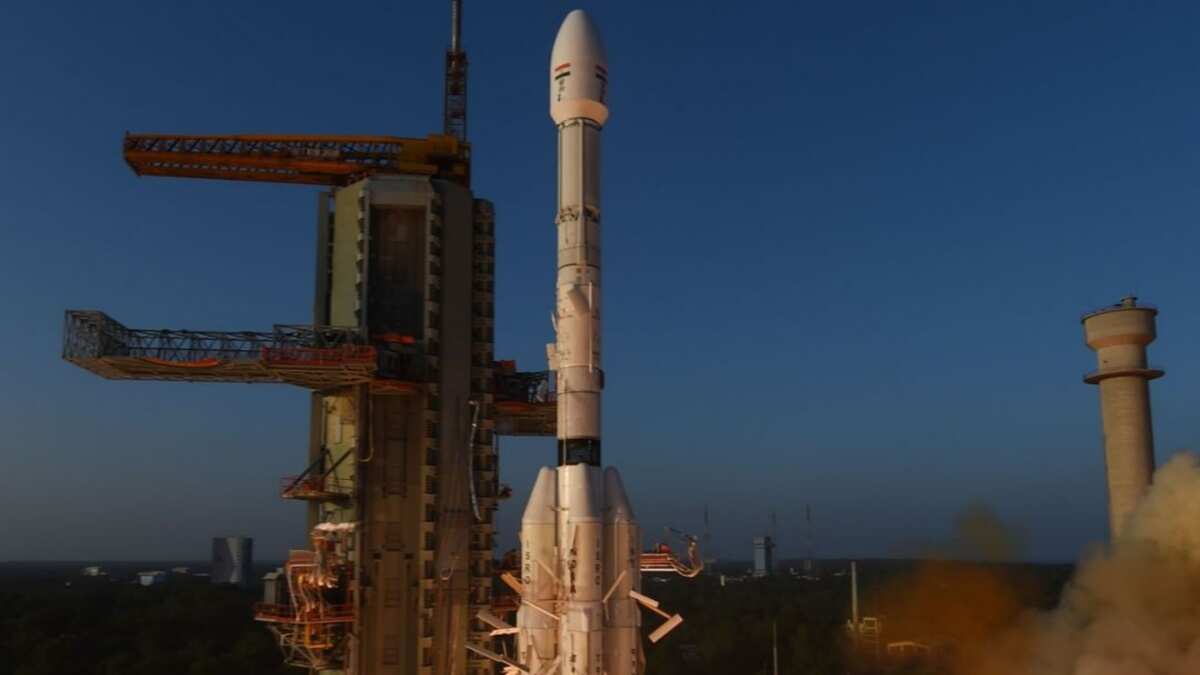
INSAT-3DS
With at least two INSAT series (INSAT-3DR and INSAT 3DS) satellites in operation at an altitude of about 36,000 kmabove Earth's Equator, India's weather-monitoring agencies will have the ability to image the Indian subcontinent every 12.5 minutes. The launch of latest generation INSAT-3DS on Saturday (Feb 17) will enhance country's weather forecasting and disaster warning capabilities, thanks to its advanced sensors and payloads. From an altitude of 36,000 kms, the satellite will have a wide coverage and capability to monitor atmospheric and oceanic parameters across the entire Indian subcontinent and the larger Indian Ocean region.
Responding to WION, Dr S Somanath, Chairman of Indian Space Research Organisation (ISRO), said that the GSLV-F14 rocket, which took INSAT-3DS to the sky has overperformed. It has taken the satellite to an altitude of 38,000 kmabove the Earth. This means that the satellite has been imparted higher energy and it would thus be gradually lowered to a 36,000 km circular orbit. He added that, as a result of the rocket's overperformance, the satellite would be spending lesser fuel to descend to the intended 36,000 km orbit. This would happen in coming days.
Dr Somanath told WION that INSAT-3D weather satellite, which was launched in 2013, would soon be repurposed to perform some experiments, as it has encountered some performance deteriorations. The ISRO chief did not elaborate on the specific nature of the experiments and its objectives.

Because of this, only the latest INSAT-3DS and the earlier INSAT-3DR would be available for the purpose of weather monitoring from 36,000 km orbit.
M Sankaran, Director of ISRO's UR Rao Satellite Centre explained to WION that the INSAT-3D and INSAT-3DR had been offering the capability to capture weather-related data, every 12-and-a-half minutes.
ISRO officials expressed utmost confidence on the performance of GSLV rocket, which has had a chequered past which has earned it the 'naughty boy' moniker. In its sixteen flights to date, the rocket has had four failures. However, after the last failure in August 2021, ISRO has completed two successful missions with this rocket, thereby proving its reliability and robustness.
&imwidth=180&imheight=135&format=webp&quality=medium)
Elon Musk pumps $276 million into Republican campaigns ahead of US midterm elections
&imwidth=180&imheight=135&format=webp&quality=medium)
'I will not be silenced': Ilhan Omar alleges political intimidation after federal officers search her Washington home
&imwidth=180&imheight=135&format=webp&quality=medium)
'I am thoroughly unamused': Judge slams Trump administration after 400 trees cut at Washington golf course
&imwidth=180&imheight=135&format=webp&quality=medium)
Apple HomeView smart home hub may launch soon with A18 chip, display and Siri controls: What to expect
&imwidth=180&imheight=135&format=webp&quality=medium)
Sidhu Moose Wala’s younger brother wins hearts by recreating late singer’s signature move at Toronto Hologram Show
&imwidth=180&imheight=135&format=webp&quality=medium)
BCCI rejects venue shift reports, India vs Sri Lanka 1st ODI to remain in Delhi
&im=FitAndFill=(700,400)&imwidth=180&imheight=135&format=webp&quality=medium)
How does a robot decide what to do next?
&imwidth=180&imheight=135&format=webp&quality=medium)
Pakistan's government blames PTI for rise of terrorism in Khyber Pakhtunkhwa
&imwidth=180&imheight=135&format=webp&quality=medium)
India Rejects Pakistan-China Boundary Commission, Tells Islamabad to Drop 'Theatrics' | GRAVITAS
&imwidth=180&imheight=135&format=webp&quality=medium)
'Absolutely disgusting': Australia slams US plan to livestream Nidal Hasan's execution; Mike Johnson raises concerns, warns of terrorist propaganda
&imwidth=180&imheight=135&format=webp&quality=medium)
'Turn approver, resign, we'll forgive you': Rahul Gandhi claims receiving messages from CEC Gyanesh Kumar
&imwidth=180&imheight=135&format=webp&quality=medium)
Korean peninsula tensions escalate as North Korea launches multiple ballistic missiles, PACOM says 'no threat to US personnel'
&imwidth=180&imheight=135&format=webp&quality=medium)
'Almost certainly': UK Prime Minister Andy Burnham says Iran's IRGC behind RAF Fairford threat
&imwidth=180&imheight=135&format=webp&quality=medium)
Trump weighs firing Kimberly Guilfoyle as US ambassador to Greece amid misconduct allegations: Report
&imwidth=180&imheight=135&format=webp&quality=medium)
India's Ajit Doval, Iran's Mohsen Rezaei hold talks amid escalating West Asia tensions, discuss 'issues of mutual interest'
&imwidth=180&imheight=135&format=webp&quality=medium)
'Ouch!!! That must hurt': Kangana Ranaut hails Kamal Haasan's sharp reply to Elon Musk over Starlink row
&imwidth=180&imheight=135&format=webp&quality=medium)
‘This is just the start’: Maaya Rajeshwaran on historic ITF title, confidence boost and future goals
&imwidth=180&imheight=135&format=webp&quality=medium)
Congress demands action against chief election commissioner
&imwidth=180&imheight=135&format=webp&quality=medium)
Rahul Gandhi's plea against Election Commission delayed as Supreme Court registry flags 14 ‘defects’
&imwidth=180&imheight=135&format=webp&quality=medium)
Portugal Federation confirms Cristiano Ronaldo’s return to national team despite suspension
&imwidth=180&imheight=135&format=webp&quality=medium)
Houthis warns US of 'painful response' if Washington joins Saudi war in Yemen as airlines suspend flights to Saudi Arabia
&im=FitAndFill=(700,400)&imwidth=180&imheight=135&format=webp&quality=medium)
New OTT releases this week (October 12-18, 2026): Sacrifice, Koffee with Karan S9, Roadies Rebirth- 6 titles coming on Netflix, JioHotstar and more
&imwidth=180&imheight=135&format=webp&quality=medium)
1,500 drones illuminate Mumbai sky as Cordelia Cruises unveils second ship, Cordelia Sky
&imwidth=180&imheight=135&format=webp&quality=medium)
UK school ditches technology, shifts from screen to pen and paper for learning
&imwidth=180&imheight=135&format=webp&quality=medium)
Anti-SIR protest in Mumbai: Protestors wear black masks & ribbons in Mumbai
&imwidth=180&imheight=135&format=webp&quality=medium)
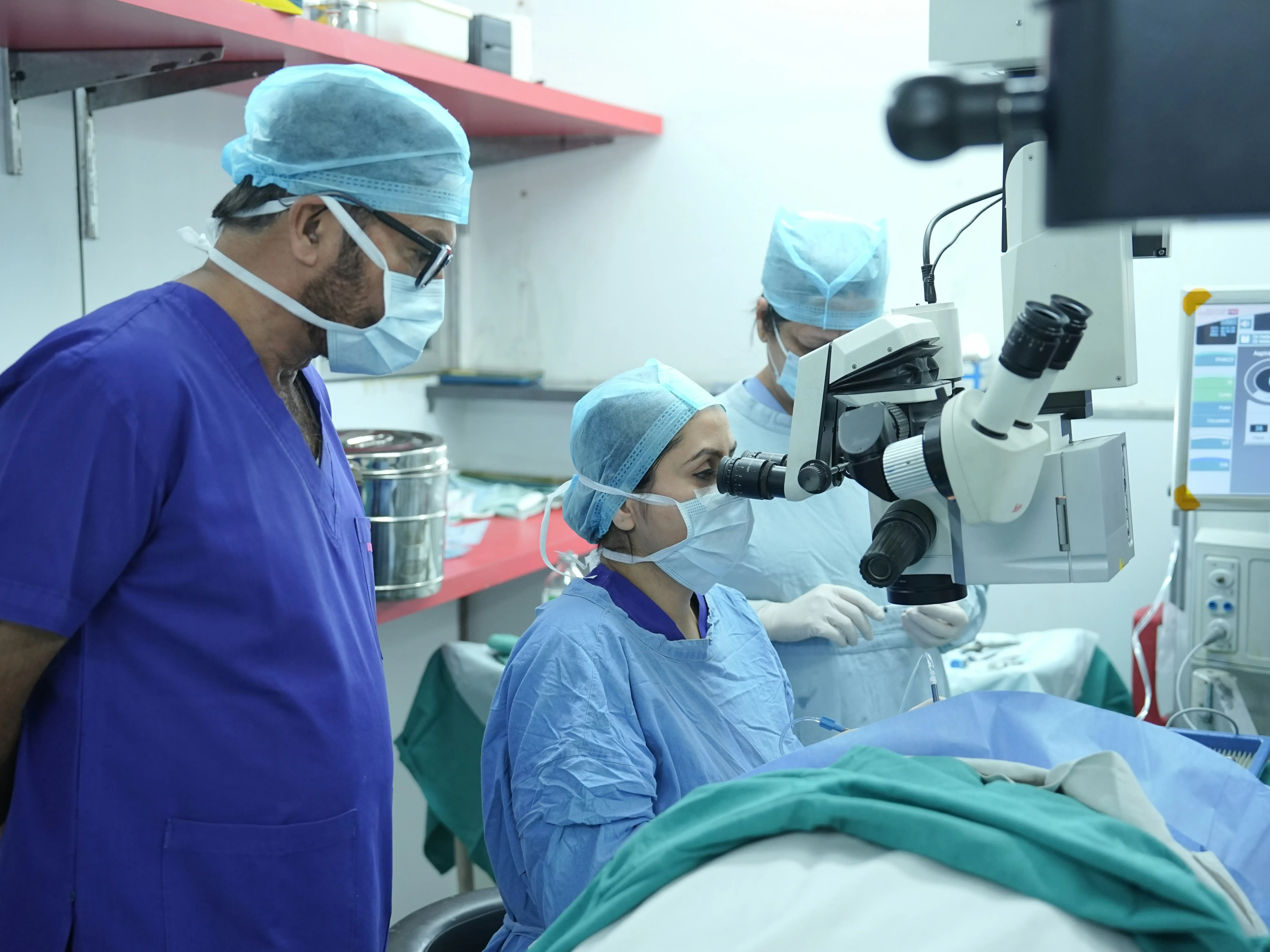
Robotic surgery, advanced treatment: What is coming to this small Gujarat town?
&im=FitAndFill=(700,400)&imwidth=180&imheight=135&format=webp&quality=medium)
Navratri 2026: 9 days, 9 forms of Goddess Durga and 9 colours- Check the complete list
&imwidth=180&imheight=135&format=webp&quality=medium)
UK PM Andy Birnham renews claims of Russian meddling in Brexit vote
&imwidth=180&imheight=135&format=webp&quality=medium)
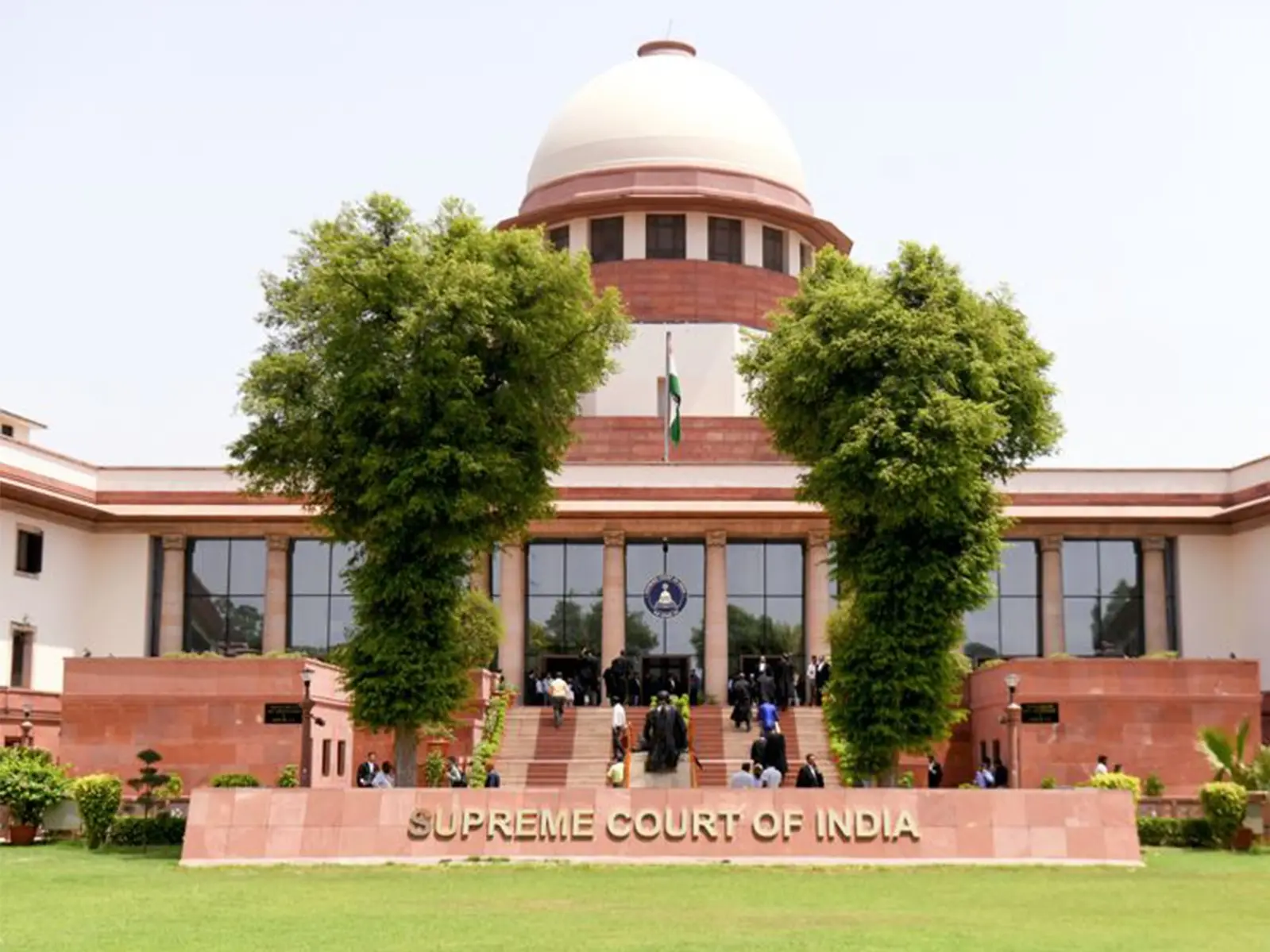
Opposition’s 10 demands in Supreme Court petition range from stay on SIR to audit of voter rolls
&imwidth=180&imheight=135&format=webp&quality=medium)
Trump says he 'may' meet North Korean leader Kim Jong Un during upcoming Asia trip
Notably, this GSLV rocket will be used for the launch of the NASA-ISRO satellite 'NISAR'. The launch is likely to take place in couple of months. Given that NISAR is a large satellite, ISRO has enhanced the volume (storage space) within the rocket's nose cone by installing a larger 4-meter-diameter version. The earlier ones were of around 3.4 metre diameter. Having a larger bay to hold cargo enables the rocket to carry multiple small satellites or a single large satellite. ISRO has also made minor enhancement to the rocket's payload-lifting capability and has increased it by 50 kg.
