&imwidth=800&imheight=600&format=webp&quality=medium "IndiGo flight chaos shows Indian passengers are on a wing and a prayer. And it's not a single airline's problem")
India's civil aviation regulator on Friday (Dec 5) partially withdrew the strict implementation of pilot duty timing rules, moments after the biggest private carrier IndiGo suspended the day's flights out of Delhi and requested more time to implement the new norms. But as a common airline passenger, I knew something was amiss when IndiGo and other airlines started turning long-haul flights into two or three plane changes with stopovers. It became almost impossible to book straight flights for long journeys at what used to be ‘low-cost’ fares. The choice was to either shell out more money or change flights and suffer four or more hours of layovers for three-hour direct flying times. With practically only two or three airlines operating virtually all sectors of India, chaos was bound to happen. The method of continuous operations — sector-hopping — was possible only because airline crews and pilots were forced to work extra hours. But IndiGo chaos is only the tip of the iceberg. There are deeper issues.
What is ailing Indian civil aviation?

The Air India accident earlier this year served as a literal wake-up call about the extent of pilot fatigue and sleep deprivation. After court orders, the regulator, the Directorate General of Civil Aviation (DGCA), cracked down through stricter Flight Duty Time Limitations (FDTL). This upended the previously unchecked exploitation of airline workers, from ground staff to pilots. Work fatigue is real, and many airline employees are either quitting or lining up for interviews with foreign airlines.
Passenger numbers grow, but airline numbers go down
Trending Stories
)
Emmys 2026: Matthew Rhys wins Best Actor twice, sets historic 78-year record
)
3 Italians fly from Delhi to Munich without immigration clearance; Air India gets notice on major security lapse
)
Did India risk its US trade deal despite softer stance at BRICS?
)
Pakistan puts Pak Rs 70 lakh bounty on UN terrorist Masood Azhar; move draws skepticism in Delhi
)
‘US ensuring global energy supplies’: Trump demands reimbursement for securing Strait of Hormuz
)
'She married her brother': Ilhan Omar faces criminal probe over immigration fraud claims
)
'Huge destructive power': North Korea calls its latest missile launches 'live-fire drill' even as US dismisses 'immediate threat'
)
Ukraine strikes Syzran Oil Refinery deep inside Russia, fires erupt
)
‘Let’s go’: Newly declassified videos show dramatic rescue of US Air Force officers downed in Iran
)
Emmy Awards 2026: Widow's Bay and The Pitt win in lead categories- check out the complete list of winners
)
Emmys 2026 In Memoriam: Catherine O’Hara honoured by on-screen children Macaulay Culkin, Annie Murphy, Dan Levy; Dolly Parton, Rob Reiner remembered
)
Iran, India agree to deepen humanitarian and political ties, President Pezeshkian says
)
‘Want to reset ties with India, have engagement based on mutual interests,’ says Bangladesh minister
&im=FitAndFill=(700,400))
Emmys 2026 Red Carpet: Zendaya, Nicole Kidman and Julia Garner lead the glamour peak
)
Turkish Airlines plane flies through a storm three times, triggering severe turbulence
&im=FitAndFill=(700,400))
Why Chinese PL-15 air-to-air missiles use dual-pulse motors compared to European interceptors
)
What is Hyrox, in news for athlete who soiled herself, but kept running and using common equipment?
)
Russia proposes to build 360 kmph Ivolga FG trains in India: What happened on sidelines of BRICS
)
800 million years old - Scientists discover 'fingerprints' of supercontinent Gondwana in ancient rocks
)
Former Pak PM Imran Khan's ex-wife Jemima Goldsmith marries Australian financier: Who is Cameron O'Reilly
)
Plane carrying prominent figure crashes at Libya’s Misrata airport: Report
)
UPI payments up to Rs 2,000 to stays free, but bigger transactions may soon cost you: Govt
&im=FitAndFill=(700,400))
New OTT releases this week (September 14-20, 2026): Lust Stories 3, Waiting Hai, Irumudi- 5 new titles coming on Netflix, Prime Video and more
)
Sent home midway from UK tour, Pakistan's Salman Agha hits 300* in domestic return
)
Who is Kalyan Bainsla, accused in the Gurugram hit-and-run case involving woman biker?
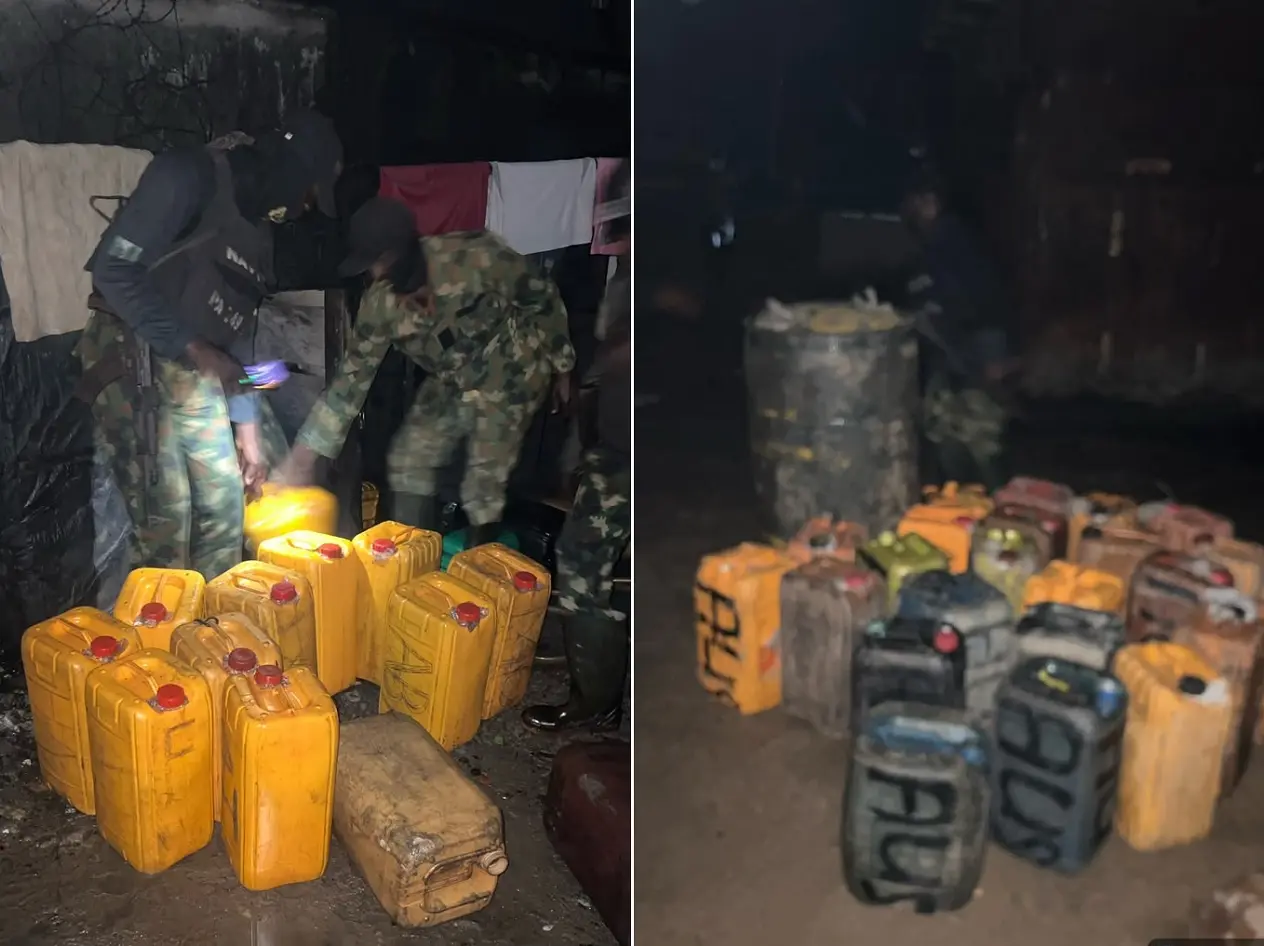)
Nigerian Navy seizes 10,000 litres of suspected illegal fuel in Rivers State crackdown
)
Saudi Arabia discovers 110 million tonnes of Uranium-rich ore in Madinah region
)
Dodgers beat Reds for playoff berth in bid for third consecutive World Series
)
Ecstasy tablets are rage in 'drug haven' Libya | Gravitas
)
'Now Trump is copying us': Shivakumar links US $5,000 plan to Congress guarantees
)
Video of Pakistani lawmaker struggling to read English tribute to Jinnah goes viral - WATCH
)
Trump downplays China's alleged 'help' to Iran in strike on Jordan base | Gravitas
)
Trump loses Supreme Court battle over mail ballots ahead of US midterms: What happened?
)
BCCI VP Rajeev Shukla says Mohsin Naqvi 'did not object' India refusing trophy from ACC chief
)
Photographs, LeT labels vanish from two 2008 Mumbai attack entries in Pakistan’s most wanted list
)
Delhi govt to roll out ₹13,820 crore development projects under Seva Sankalp Abhiyan: CM Rekha Gupta
)
UK man admits drugging, raping wife for 20 years in shocking abuse case
)
Extreme warming in Indian Ocean added 695 billion tons of ice to Antarctica ice sheet
)
China thinned Himalayan troop presence in 2025, India defence report says; terms border situation 'stable'
As aspirational classes grow, more Indians are flying instead of taking trains — from migrant workers to middle-class families to honeymooners, for work, leisure or business. Domestic air travel reached 161.3 million passengers in 2024. In sharp contrast is the fall in the number of airlines operating: since the low-cost boom of the early 2000s, many airlines have shut down, merged or exited. Deccan Air, Kingfisher Airlines, Jet Airways, Vistara, Indian Airlines and AirAsia India are no longer operating as independent full-service carriers. Only a handful remain, and Akasa Air, SpiceJet and Go First operate only in limited sectors.
Airports are stretched thin, under renovation, while more are expected
Despite surging demand that could possibly support more airlines to operate profitably, an artificial scarcity appears to have been created by the above factors. Airport conditions add to the strain. Some military airstrips, such as Hindon Airport, have recently been opened to civil aviation to ease congestion. The proposed Noida International Airport — originally scheduled for a December 2024 opening — is now expected to take at least another year before full operations begin. Meanwhile, major airports such as those in Delhi — including Indira Gandhi International Airport (Terminals 2 and 3) — are undergoing continuous cycles of construction and refurbishment. Yet passenger congestion shows little improvement.
Poor take-offs, lucky landings: Indian flyers are on a wing and a prayer
Airports in India still struggle with weather disruptions, particularly in northern states. In winter, low-visibility ‒ or “fog-delay” mechanisms — often fail despite best efforts, resulting in hundreds of routine delays or cancellations from December to February. Year 2026 appears likely to bring more chaos. Reports suggest that conditions may not stabilise before February, even for major carriers. After the Air India accident, it would not be an exaggeration to say that passengers are on a wing and a prayer, given the numerous near-misses, mid-air turbulence-related incidents, bird hits, weather-caused diversions and emergency landings involving major private airlines.
FDTL, a sudden slap on airlines milking both passengers and crews
The 300-rupee sandwich on low-cost airlines is not new. But the exploitation, it now emerges, has affected not only passengers but airline crews too. How much they had been stretched became clear when airlines simply failed to maintain schedules after mandatory rest periods were strengthened by law.
The disruption at IndiGo came after the full enforcement of revised FDTL rules from November 1. DGCA mandated strict limits on night duties and rest hours to address pilot fatigue. Caught in the bind was IndiGo, the biggest private airline, which operates about 2,300 flights a day with over 400 aircraft in its fleet. It had not hired enough replacement pilots, having long relied on maximising overnight rotations.
In November alone, IndiGo cancelled 1,232 flights, 755 of them directly linked to crew unavailability under the new FDTL norms. On-time performance (OTP), which the airline once boasted as its hallmark (remember IST or Indigo Standard Time?) dropped to 67.7 per cent in November from 84.1 per cent in October. The fallout affected airports nationwide.
Airport congestion worsened in past months
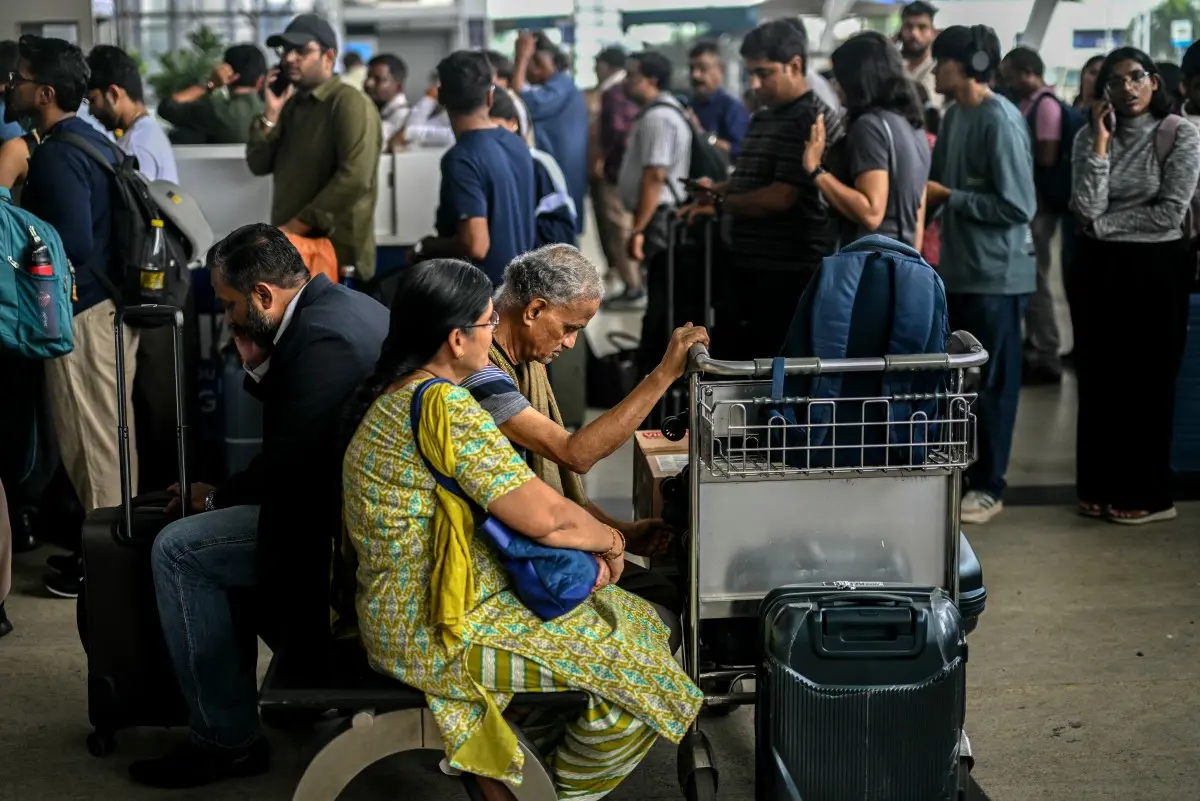
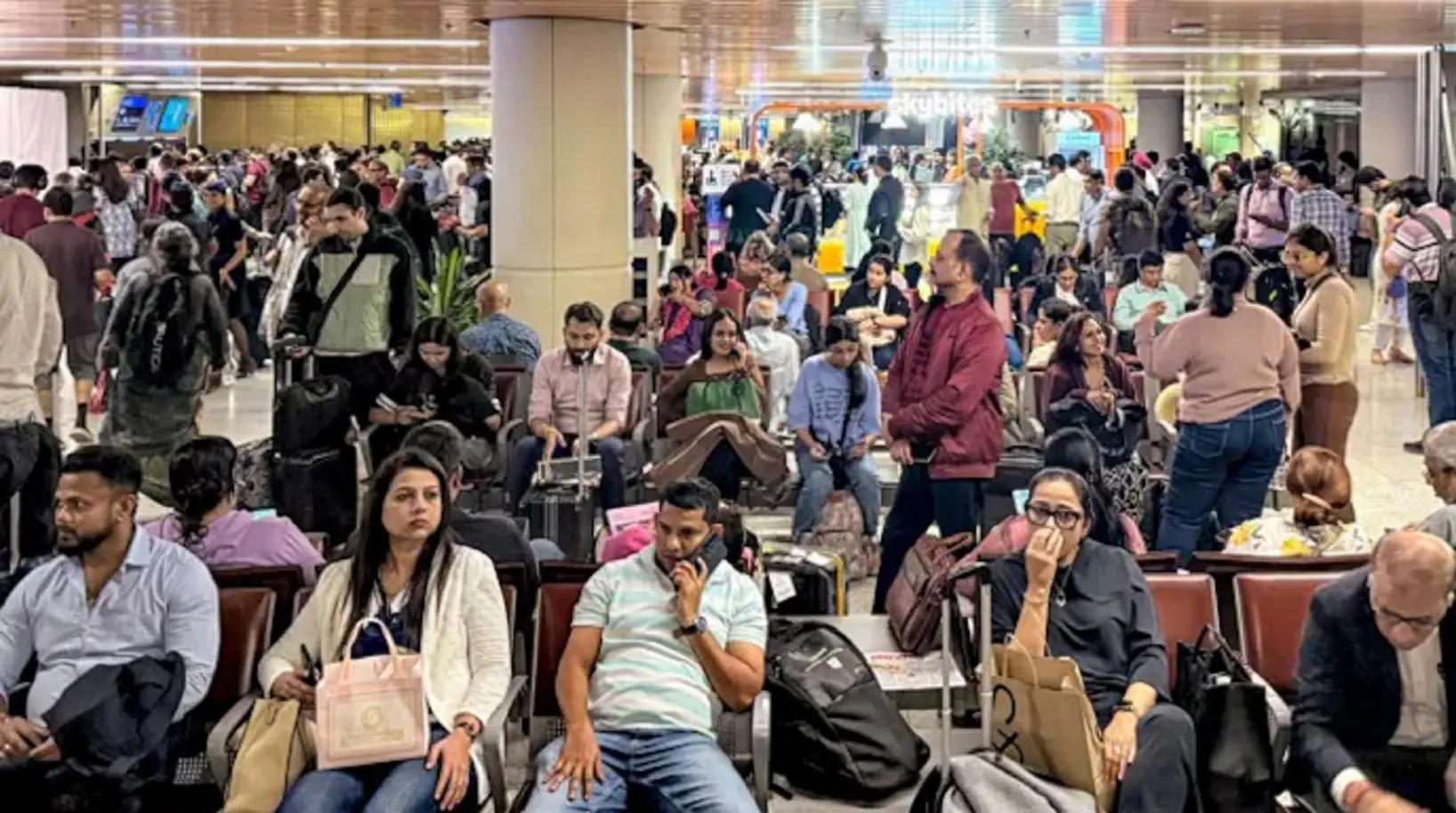
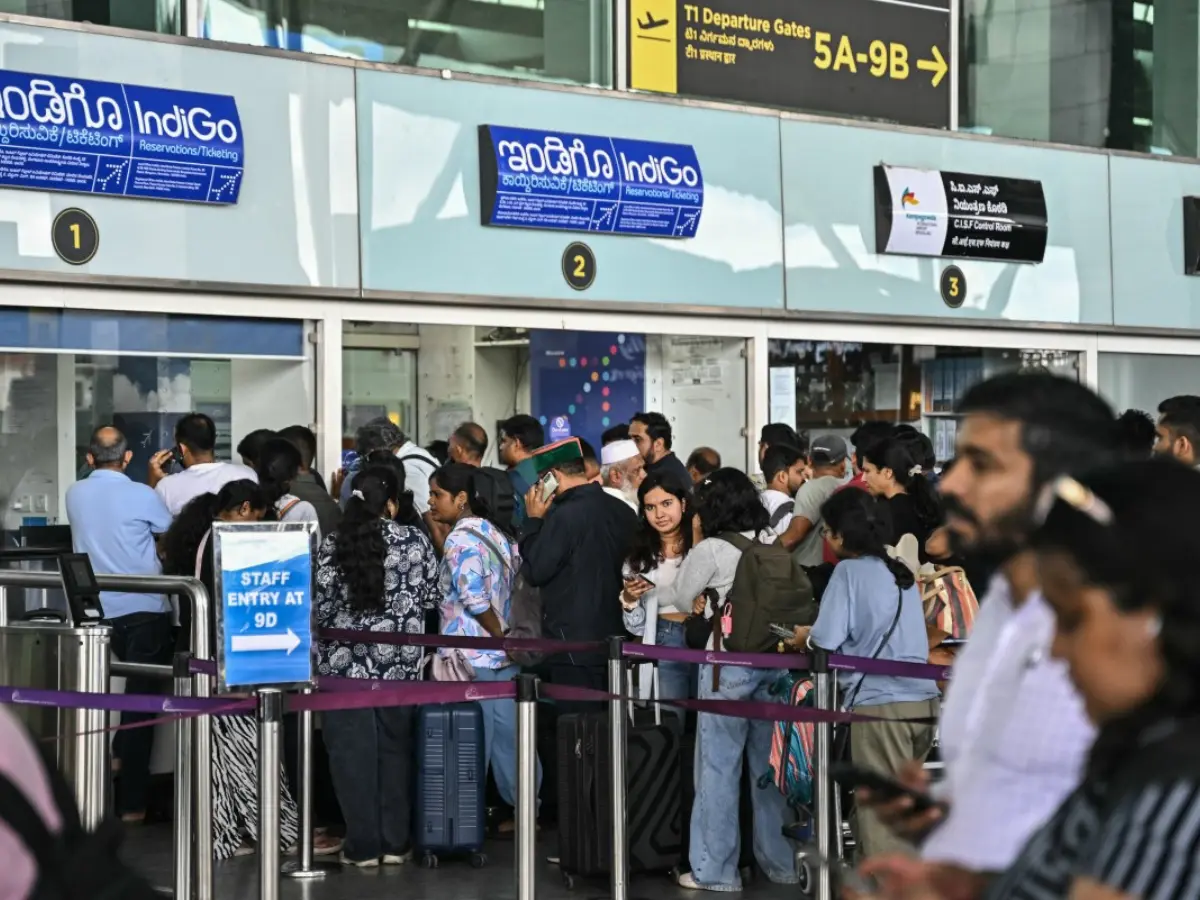
When pilots rest, aircraft are grounded. This caused a ripple effect on practically all airlines, leading to widespread delays and cancellations, which surged to 170–200 per day. Some days saw over 300 cancellations, leaving many passengers stranded and overwhelmed airports.
These are not the only issues: from technical snags to lack of fleet to fuel cost
Airlines are also facing a double whammy of technical issues associated with the duopoly of Airbus / Boeing. In March this year, around 133 aircraft across Indian carriers, which is nearly 16 per cent of the commercial fleet, reportedly remained grounded due to engine-related supply chain delays and defects. Up to 70 planes of IndiGo were grounded as of January 2025, largely due to powder-metal contamination in engines. Replacement with wet-leased or older aircraft raised lease rental costs. Fuel efficiency was low even as fuel cost was going up, squeezing airline profit margins.
Geopolitical headwinds like the wars in Ukraine and West Asia affected fuel supply, and new aircraft deliveries faced long backlogs.
The net result is that capacity remains unable to catch up with soaring demand, creating persistent instability in Indian passenger aviation sector.
So it is time to view the current chaos not as just an IndiGo crisis, but as a symptom of deeper, systemic failure. Stakeholders — the government, private carriers and worker unions — must put their heads together and act before the next major disaster.