India's Nuclear Program: HJ Bhabha's dream remains unfulfilled

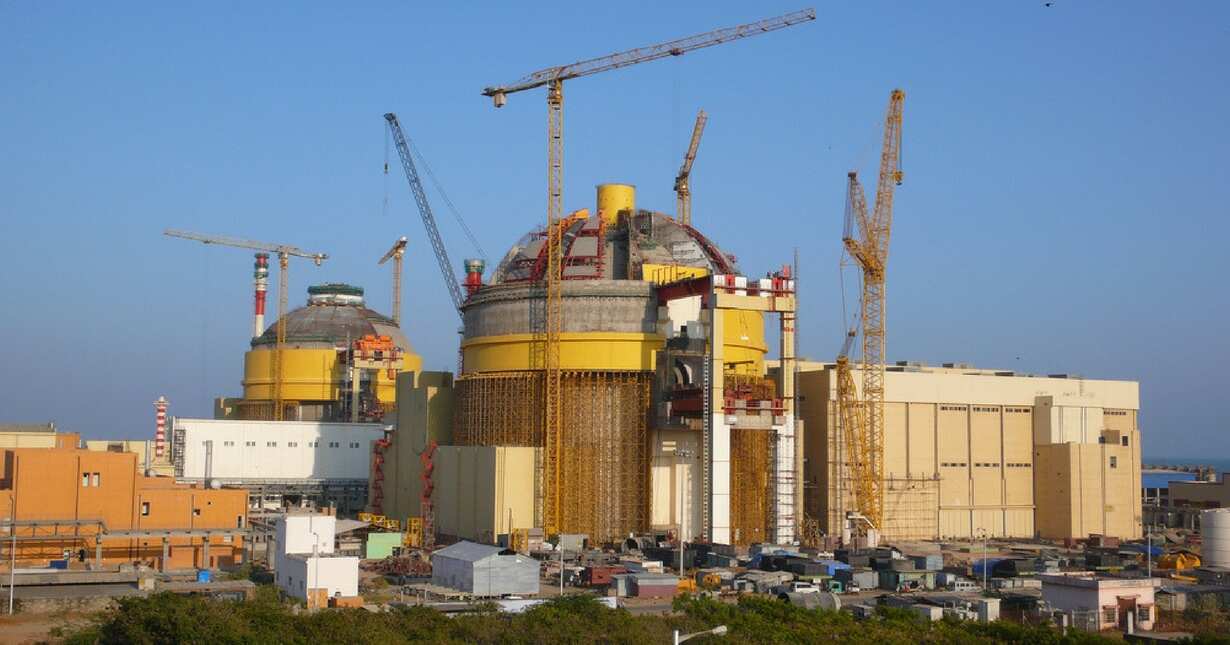
Nuclear power plants
India's current progress in creating nuclear energy calls into a question the current government, who aims to generate 63 GW of nuclear energy by 2032
It was in 1942 that the great physicist Enrico Fermi successfully built the first ever nuclear reactor under a sports ground at the University of Chicago. Yet, already by 1946, within just four years of that pioneering breakthrough, India, a nation on the other side of the world still under the shackles of colonial rule and considered backwards and destitute, had nevertheless set up an Atomic Research Committee to explore nuclear energy possibilities.
 Dr Homi Jehangir Bhabha (Others)
This was years ahead of many "advanced" nations of the time. Soon thereafter, in 1948, India’s Atomic Energy Commission (AEC) was set up. These farsighted steps are owed both to Jawaharlal Nehru and to leading scientists of the country, notably M.N. Saha, S.S. Bhatnagar and Homi Bhabha, who had been closely following nuclear developments around the world.

But the primary credit for taking the entire enterprise forward and developing it belongs to Dr Bhabha, who was named the first Chairman of AEC and Secretary tothe Department of Atomic Energy (DAE). Using his international stature as a physicist and his easy access to Prime Minister Nehru (both Cambridge men), Bhabha set about building the vast nuclear empire which today consists of over 50 different institutions working variously on civilian energy, nuclear weapons as well as pure scientific research.
)
'Lot of things to learn from experienced players': Jayasuriya backs Rohit, Virat for 2027 ODI World Cup
&im=FitAndFill=(700,400))
Kareena Kapoor birthday special: Inside her net worth, best movies, luxurious lifestyle and love story with Saif Ali Khan
)
Trump says he'll build an 'AI Force' and appoint a czar, for 'high IQ' people only
)
Punjab man consumes poison outside DC office; Congress, BJP target AAP government
)
SNL UK takes aim at Ed Sheeran with AI Princess Diana sketch
)
Iran sets 7 conditions to end war with US: What are Tehran’s demands?
)
AI actress Tilly Norwood glitches mid-interview, switches from English to Chinese | Watch
)
Mahabharat actor Saurav Gurjar arrested in Hyderabad, sent to 14-day judicial custody in sexual exploitation case
)
Chancellor Friedrich Merz vows to stay on as exit polls signal major poll setback
)
J&K Assembly Session begins amid chaos: BJP, ruling alliance clash as statehood demand dominates
)
Taylor Swift has a 'proud wife' moment as Travis Kelce scores first touchdown of season: 'That’s my husband!'
)
'Were you here to sell chickpeas?': Wasim Akram criticises Babar Azam's captaincy
&im=FitAndFill=(700,400))
New OTT releases this week (September 21-27, 2026): Shaque: Trust No One, Hunkkaar, Don’t Be Shy- 5 new titles coming to Netflix, Prime Video and more
)
Noel Tata challenges Chandrasekaran’s reappointment as Tata Sons chairman. What happened at the board meeting
)
Italy moves to ban face veils in schools as Meloni pushes new integration measures
)
TIFF 2026: Theja Rio’s Angh wins Platform Prize, puts Nagaland story on global stage
)
Delhi: Flagged voters remain on the draft roll but face hearings
)
Saudi Arabia exits China-led mBridge digital currency platform amid Saudi-Houthi conflict
)
40-foot waves crash into cruise ship in dangerous stretch near Antarctica. Watch
)
Jailer 2: Vidya Balan joins Rajinikanth's upcoming film as Kantha | Watch
)
‘0% chance’: Nvidia CEO Jensen Huang dismisses AI extinction fears by 2030
)
Samsung raises Galaxy S26 prices by Rs 20,000: Here’s what each model now costs
)
Bessent meets China’s He Lifeng to prepare for Trump-Xi summit
)
CDU suffers historic defeat in eastern Germany as AfD surges, Merz vows to stay on
)
China now makes advanced memory chips without the machines it was banned from buying
)
Arvind Kejriwal, family members, Delhi CM Rekha Gupta get SIR notices
)
Trump-Xi summit: US Treasury Secretary holds meeting with Chinese Vice Premier
)
Fleming's aspirations as England Test coach include WTC, top ranking and Ashes
)
Saudi vs Houthis: Houthis claim missiles & drones used in attack on key Saudi sites
)
Delhi Air pollution: Strict crackdown on waste burning
)
Apple reportedly building AI server with M8 Ultra chips, may use Nvidia technology
&im=FitAndFill=(700,400))
What TSMC's 2nm technology means for Apple
)
Glitch in the matrix caught on camera: Woman vanishes after talking to reporter
)
Several petrol pumps, other businesses to refuse UPI payments above Rs 2,000 from Oct 16: Is it legal?
)
AI kill switch explained: Why shutting down a dangerous AI may not be as simple as pressing a button
)
Microsoft executive called AI training the ‘largest theft of labour in human history’
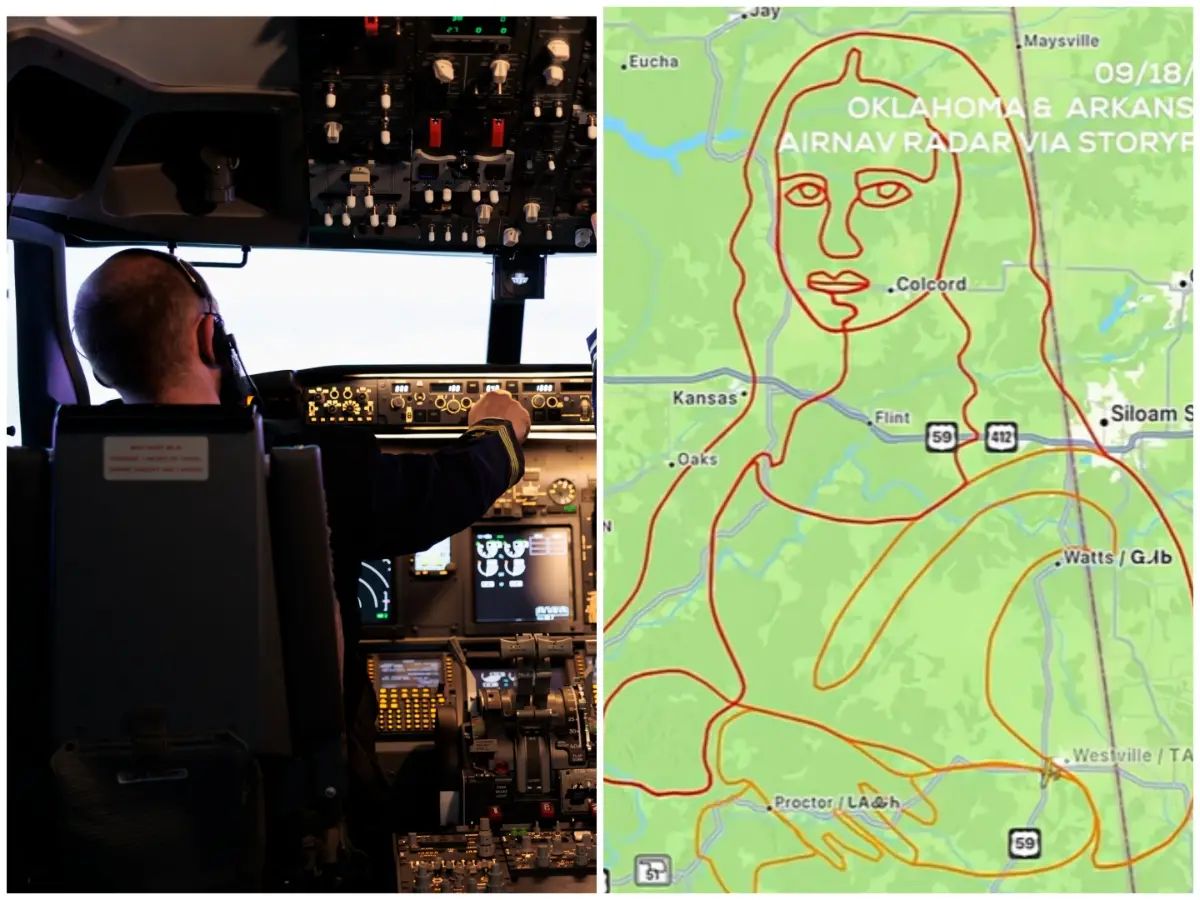)
Pilot recreates Mona Lisa in sky over Oklahoma and Arkansas in four-hour flight: VIDEO
)
US ships in Indian Ocean ‘will be attacked’ if war resumes, warns Iran
)
Samay Raina-Mukesh Chhabra controversy explained: What happened over girlfriend joke on India's Got Latent?
)
Putin's United Russia party wins 355 seats in Duma election; 4 other parties cross threshold to enter parliament
)
S Jaishankar, former Army chief among high-profile names issued Delhi SIR notices
For a person who had started his career as a theoretical physicist, Dr Bhabha’s vision and skill as a builder of institutions and as a diplomat in establishing India’s due role in the international nuclear community were quite remarkable. Equally impressive were his aesthetic and artistic tastes. The Tata Institute of Fundamental Research, another of Dr Bhabha’s creations, not only had numerous original paintings in its lobby but also the best lawns (and the cleanest toilets) among all our scientific organisations.
How well has Dr Bhabha's nuclear dream been realised? This is not the appropriate place to discuss the nuclear weapons part of the program. But the civilian reactor program has, sadly, not progressed anywhere nearly as far as had been hoped, in spite of the considerable financial support and bureaucratic freedom DAE enjoyed. At the turn of the century, over 50 years after it was set up, the DAE could deliver only 2.77 GW (gigawatts) of nuclear power.
Worse still, the DAE brass kept announcing targets that were getting pushed further and further away into the future, as results on the ground fell well short of the projections. There were several reasons behind this. One was the tragic death of Dr Bhabha in 1966 in an air crash over the Alps. He was just 56 years old then. It is possible that if he had been alive longer to guide the program, he would not have let it drift and slide so much. One also suspects that he would have refrained from making the tall claims and unrealistic promises that the nuclear agency periodically indulged in.
The other factor was the imposition of nuclear sanctions by the international community after we had conducted the first nuclear test at Pokhran in 1974. This prevented all nuclear commerce with the outside world, including technical collaboration and the import of equipment and uranium fuel. The sanctions were further extended when we conducted more nuclear tests in 1998.
Things began to improve in the new millennium. The Indo-US nuclear Deal in 2008 lifted the sanctions against us allowing us to import Uranium fuel as well as collaborate with other countries to build bigger modern reactors for us. But once again, actual progress has belied much of the hype. At the time of writing, we still have only 7 GW of nuclear energy, less than 3 per cent of the current total energy capacity. Even this improvement is largely because of the two reactors the Russians have built at Kudangulam. Partnerships with French and US reactor suppliers, under negotiation since 2008, are yet to bear fruit.
In view of this, the plan that the current government announced in the aftermath of the Paris Climate Agreement, of generating 63 GW of nuclear energy by 2032, is extremely unlikely to be realised.