India's mammoth state elections: Five states to vote from Feb 10, counting on March 10

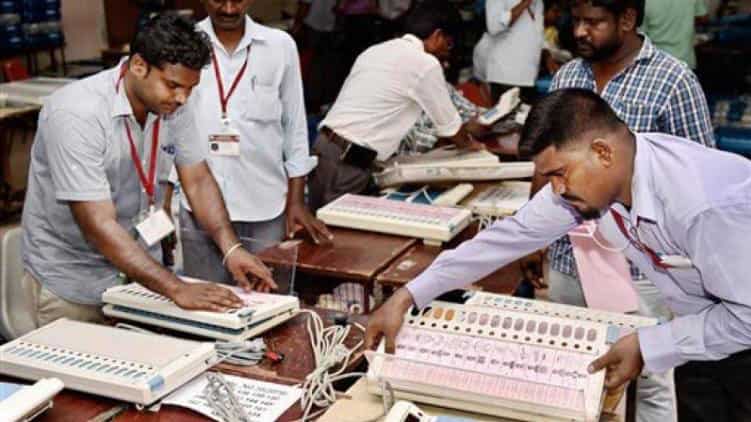
EVM machines
Next month, elections will be held in Uttar Pradesh, India's most populous state and a vital battleground for Prime Minister Narendra Modi.
The election in the northern state, which is currently dominated by Modi's Bharatiya Janata Party, is viewed as a harbinger of national elections in 2024.
In the next few months, elections will be held in the northern provinces of Punjab and Uttarakhand, as well as in the tourist mecca of Goa and the northeastern state of Manipur.
Also read | Five crucial states of India including Punjab, Uttar Pradesh gear up for bellwether local polls

Elections would be held for 403 assembly seats in UP, 117 in Punjab, 70 in Uttarakhand, 60 in Manipur and 40 in Goa.
In this massive election, an estimated 184 million voters, including 85.5 million women, are anticipated to vote.
2.49 million of them are first-time voters.
Assembly Elections Schedule: Counting day March 10
)
The Early Spring is proof not everyone can talk about their real feelings, and it is perfectly OK
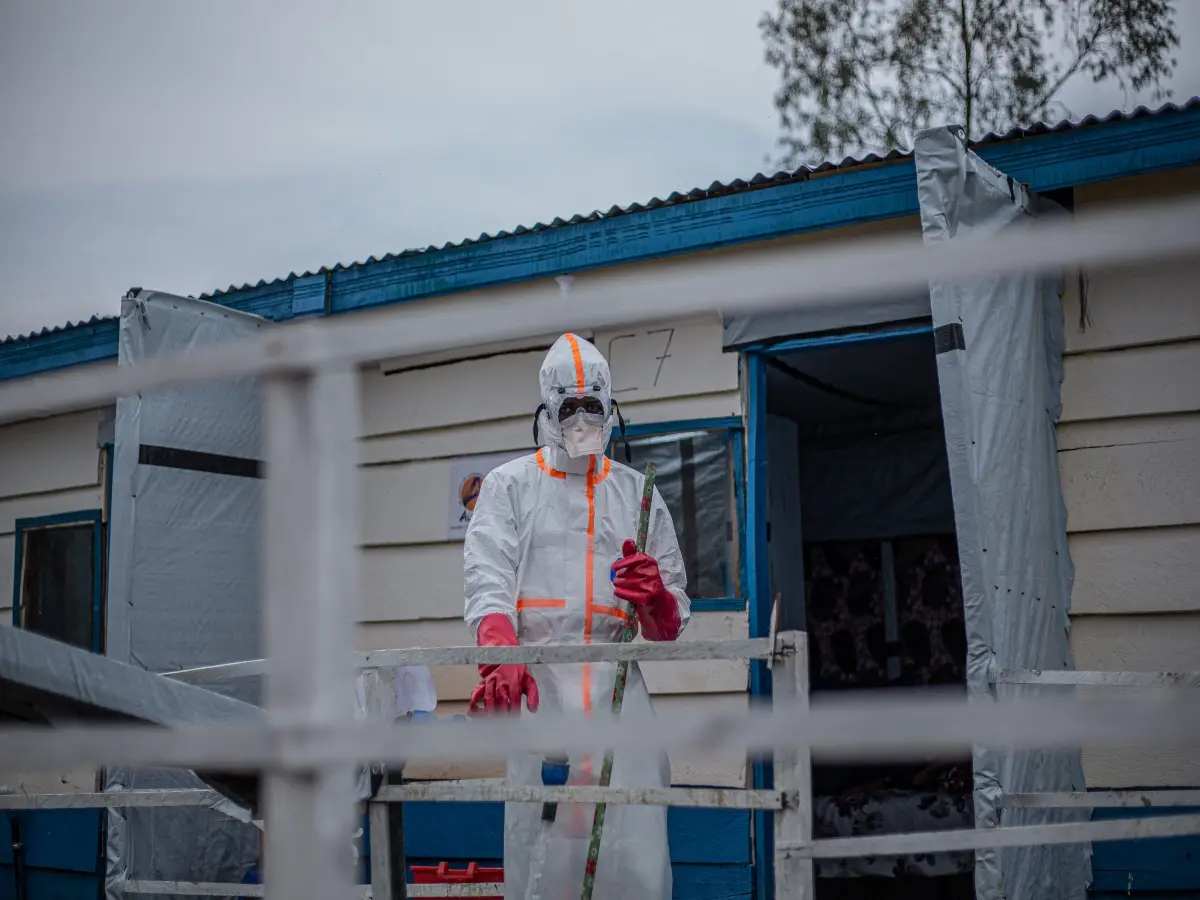)
What are the challenges Congo is facing in containing Ebola outbreak?
)
Mirzapur: The Movie X review: ‘Peak Mass Entertainer', netizens praise Pankaj Tripathi and Ali Fazal's thriller
)
What is Iran's Pickaxe Mountain that Trump has again threatened to bomb?
)
Russia-Ukraine truce in sight? Trump sends US envoys with 'peace plan'; Zelensky offerst emporary ceasefire
)
‘I wouldn’t call it a war,’ says JD Vance on ongoing conflict with Iran
&im=FitAndFill=(700,400))
Krishna Janmashtami 2026: From Dhaniya Panjiri to Makhana Kheer- 5 best sweet dishes perfect for celebrating Lord Krishna’s birth
)
At least 10 killed in explosion at Bolivia military base, several injured
)
Breaking | Vance takes the podium: First White House briefing since Leavitt's exit
)
Israeli strikes on Lebanon kill three, injure 23 despite truce
)
‘Major escalation’: Zelensky accuses Russia of targeting SBU chief’s office
&im=FitAndFill=(700,400))
Why US tanks weigh over 20 tons more than Russian tanks
&im=FitAndFill=(700,400))
Why Russian fighter jets use bulky, low-pressure tyres compared to US jets
)
Taiwan raises 'concerns' over China's missile test
)
Brendan Fraser’s transformation fuels The Mummy 4 excitement as fans welcome back Rick O’Connell
&im=FitAndFill=(700,400))
Why US tanks can spin their heavy turrets much faster than Russian tanks
)
Killing the Himalayas slowly: Human urine is melting a glacier on Mount Everest
)
Bengaluru: Officials find 40 kg expired chilli at chairman's club
)
Bangladesh batter Towhid Hridoy creates history with 350 not out in South Africa
&im=FitAndFill=(700,400))
New Friday OTT releases (September 4, 2026): GDN, Dhamaal 4, Jagamae Sangeetham- Watch 6 new movies and TV shows on Netflix, Prime Video and more
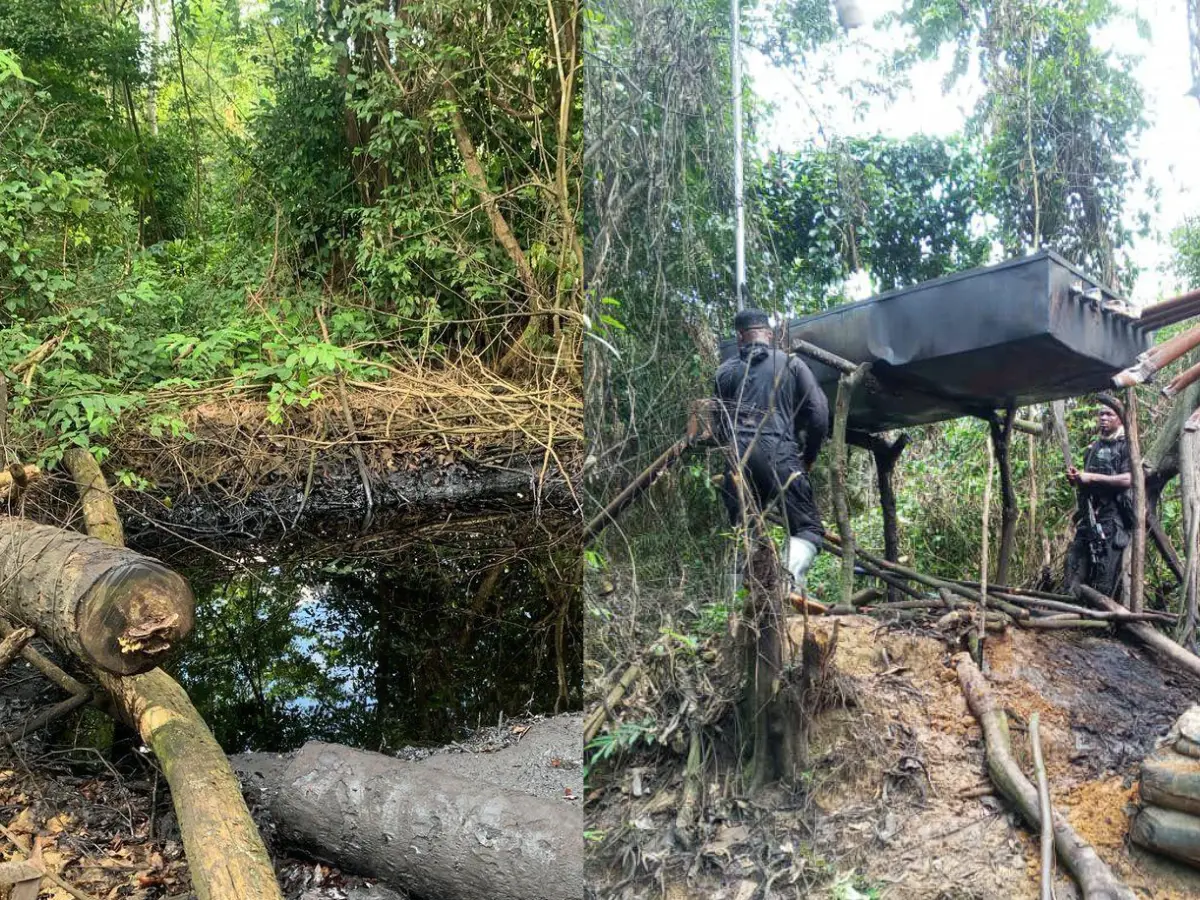)
Nigerian Navy discovers 99,000 litres of suspected stolen, illegally refined products as it intensifies anti-crude oil theft operations
)
World's fifth-largest economy, British army can't afford to train
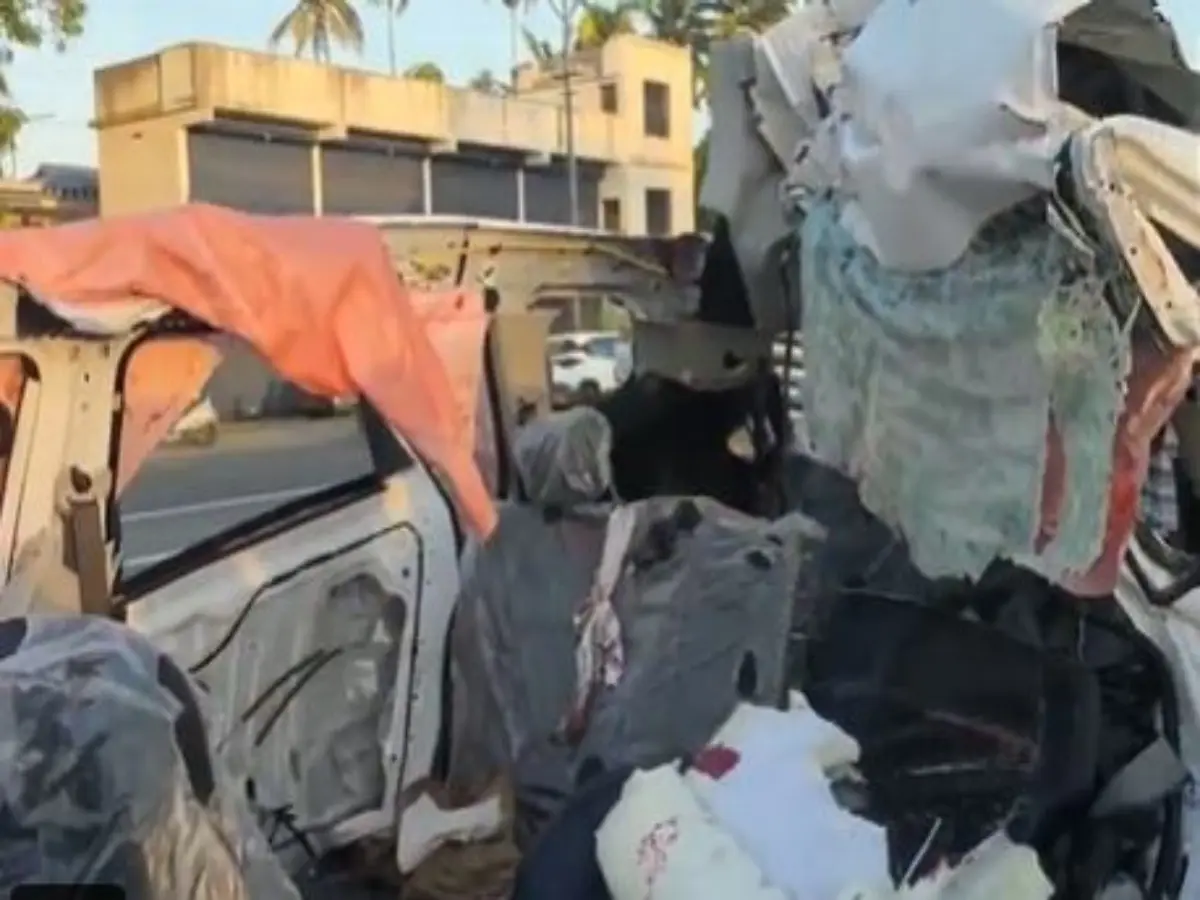)
Eight killed in Kerala’s Thrissur after car rams into lorry parked on highway
)
Who is Aditi Paudel? 17-year-old becomes Japan's first literacy ambassador
)
FBI-wanted fraud accused arrested in Jalandhar over $600,000 scam
)
South Korea mulls deploying military assets to Strait of Hormuz
)
BRICS 2026: $1 trillion sovereign capital set to converge in Delhi for first iBRICS Summit
The EC has capped the number of voters per booth at 1,250, resulting in an increase in the number of polling stations to 30,334 as the average number of voters per polling booth has decreased.
At least one booth in each Assembly constituency will be managed exclusively by women.
Candidates with criminal background
A petition has been filed with the Supreme Court, asking the court to order the Election Commission to ensure that all political parties display information on candidate criminal charges, as well as the reasons for their selection, on the home page of their official website.
Aside from the website, the petition also asks the Election Commission of India (ECI) to direct the ECI to guarantee that every politician publishes their details in electronic, print, and social media, and to bring a contempt case against the party's president if they don't.
In light of the forthcoming assembly elections, barrister Ashwini Kumar Upadhyay filed a petition asking the ECI to issue a directive requiring every political party to explain why it chose a candidate with criminal history over one without.
(With inputs from agencies)