India's mammoth COVID-19 vaccination drive: The body is an Ambassador car, but the engine is a Ferrari

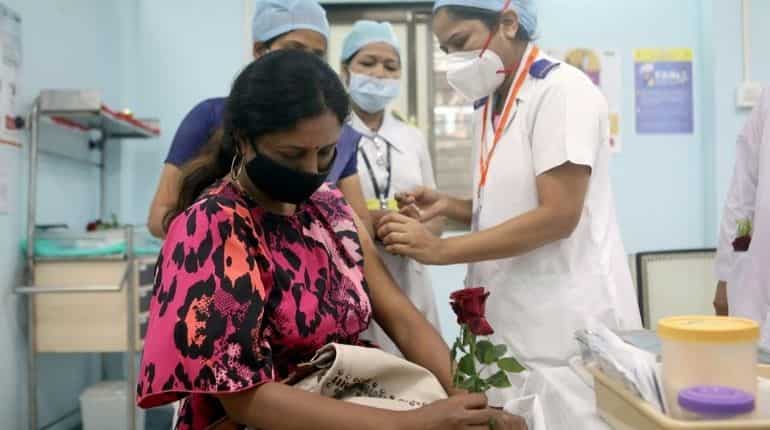
COVID-19 vaccination
The COVID-19 pandemic has had a long-lasting impact on many facets of human life globally.
It has caused significant illness and death in every area of the globe, developing into an unprecedented pandemic — the only one to afflict such a huge proportion of the world's population since the Spanish flu in the early 20th century.
The number of deaths and positive cases shocked and frightened the whole country.
Also read | India on course to deliver one billion Covid vaccinations: Why is it a big deal?

However, with the aid of stringent procedures rigidly followed by the health care system, the Indian government and its people, the disease was more or less stopped in its tracks.
Mass vaccinations, successful containment and mitigation methods, have proved to be a boon to the country.
The Indian health care system that has been frequently labelled as inefficient, sluggish and bureaucratic has gone on to demonstrate how even the most experienced observers may be misled by appearances.
Also Read |DCGI seeks 'technical opinion' to approve Covaxin for kids
&imwidth=180&imheight=135&format=webp&quality=medium)
'We don't think so': Trump says Russian plague lab worker's death not linked to bio-weapon
&im=FitAndFill=(700,400)&imwidth=180&imheight=135&format=webp&quality=medium)
US midterms 2026: 10 leaders and candidates to watch in the battle for Congress
&imwidth=180&imheight=135&format=webp&quality=medium)
Nana Patekar: Remembering a legend of the Indian cinema
&imwidth=180&imheight=135&format=webp&quality=medium)
Nicolas Maduro, wife likely to face new charges over alleged torture of US citizens: Report
&imwidth=180&imheight=135&format=webp&quality=medium)
‘Team first and team ahead’: India coach Gambhir pens heartfelt wish for chief selector Ajit Agarkar
&imwidth=180&imheight=135&format=webp&quality=medium)
IndiGo flight struck by lightning at 17,000 feet, nose of Patna-Lucknow flight damaged
&imwidth=180&imheight=135&format=webp&quality=medium)
Shia LaBeouf and Mia Goth head for divorce after nearly 10 years
&imwidth=180&imheight=135&format=webp&quality=medium)
France protests: How a Gen Z school movement turned into a political war | The Verdict
&imwidth=180&imheight=135&format=webp&quality=medium)
US Midterms 2026: Barack Obama hits campaign trail to boost Democratic candidates
&imwidth=180&imheight=135&format=webp&quality=medium)
Ronaldo sends 'a hug' after Messi says he misses 'wearing the blue and white'
&imwidth=180&imheight=135&format=webp&quality=medium)
Poland: 19-year-old stabs several at Polish vocational school
&imwidth=180&imheight=135&format=webp&quality=medium)
'They came in, they hit us': New videos show Iranian attacks on US Camp Buehring in Kuwait | Watch
&imwidth=180&imheight=135&format=webp&quality=medium)
'I should win it': Trump renews Nobel Peace Prize claim ahead of 2026 announcement
&imwidth=180&imheight=135&format=webp&quality=medium)
Nigerian President Bola Ahmed Tinubu hails Modi’s 25-year leadership milestone, calls for deeper Nigeria-India strategic ties
&imwidth=180&imheight=135&format=webp&quality=medium)
'Baseless and misconceived': India issues statement after Elon Musk's 'oligarchs' claim over Starlink delay
&imwidth=180&imheight=135&format=webp&quality=medium)
France holds talks with Taliban government amid diplomatic outreach
&imwidth=180&imheight=135&format=webp&quality=medium)
Christa Pike wakes after failed execution, asks 'Where am I and who are you?'
&imwidth=180&imheight=135&format=webp&quality=medium)
US readying to strike Iran? Report suggests Trump preparing to put on show of strength ahead of US midterms
&imwidth=180&imheight=135&format=webp&quality=medium)
Trump distances himself from senior political advisers over work for pro-Russian government
&imwidth=180&imheight=135&format=webp&quality=medium)
Christa Pike 'angry' and 'confused' after failed execution; judge orders to preserve evidence
&imwidth=180&imheight=135&format=webp&quality=medium)
Nana Patekar's #MeToo controversy: From Tanushree Dutta’s allegations to court ruling
&imwidth=180&imheight=135&format=webp&quality=medium)
Narendra Modi Stadium bomb threat declared hoax; India & Australia U19 squads safe
&imwidth=180&imheight=135&format=webp&quality=medium)
Veteran actor Nana Patekar dies at 75 after suffering cardiac arrest
&imwidth=180&imheight=135&format=webp&quality=medium)
US midterms 2026: Why the Latino vote could shape control of Congress
&imwidth=180&imheight=135&format=webp&quality=medium)
Captain Smit Machchhar on feet again, walks 10 steps as recovery continues after Flydubai flight attack
&imwidth=180&imheight=135&format=webp&quality=medium)
Trump to honour Elon Musk, Sergey Brin and Jensen Huang with top science honour at White House. Check the full list here
&imwidth=180&imheight=135&format=webp&quality=medium)
Trump's naked 23-karat gold statue unveiled near European Parliament
&imwidth=180&imheight=135&format=webp&quality=medium)
Lightning strikes IndiGo Patna-Lucknow flight at 17,000 feet, damages nose; all 110 safe
&imwidth=180&imheight=135&format=webp&quality=medium)
Mall of America attack: FBI arrests man over alleged ISIS-inspired mass shooting plot with AK-47 and 200 rounds
&im=FitAndFill=(700,400)&imwidth=180&imheight=135&format=webp&quality=medium)
World’s top vehicle producers: Top 10 countries making the most cars. Check where India stands
&imwidth=180&imheight=135&format=webp&quality=medium)
Musk alleges ‘oligarchs’ blocking Starlink in India, here is what we know so far
&imwidth=180&imheight=135&format=webp&quality=medium)
Russia warns Lithuania over nuclear weapons, Europe braces for massive hybrid attack | Gravitas
&imwidth=180&imheight=135&format=webp&quality=medium)
Jon Rahm quits LIV Golf as breakaway tour attempts to relaunch itself
&imwidth=180&imheight=135&format=webp&quality=medium)
Texas man executed by lethal injection; first US execution since botched Christa Pike execution
It has convincingly demonstrated that, while it may resemble the good old ambassador car, it is propelled by none other than the prancing horse of Ferrari.
So what really has made a difference?
Clearly, India has learnt from past failures in organisation and deployment.
The country, in recent years, had tremendous failures in coordination between states and the centre when rollouts happened on ambitious, well-meaning schemes such as Goods and Services Tax.
In the past, there have been coordination failures, at least by way of allegations, in the Indian parliamentary elections. The greatest democratic exercise known to mankind.
But this time, in the face of an unprecedented crisis, India banded together. And more remarkably, the formless, shapeless, "system" seems to have come together to deliver the biggest vaccination drive ever, in the face of odds that the rest of the world, especially our friends in the West, imagined to be insurmountable. And remember, much of the developed world is still struggling with their vaccination drives due to a combination of ignorance, misinformation and logistical issues.
So, what really made the impossible possible for India? Whatever we may think of the "system" as Indians, it does react when it needs to, and it did.
Our civil services system, which is infamously difficult to get into, has delivered.
People who can make a difference have made a difference, proving that they can, and do, deliver when needed.
Most importantly, the political menagerie came together and understood that irrespective of their ideological differences, saving Indian lives is more important than anything else on the agenda.
So while people in Georgia still dispute the merits of the vaccine, people in Gorakhpur are lining up to get vaccinated.
We can reserve the discussion about who is "civilised" for another day.
For now, we can say for sure that the world can learn from India a thing or two about managing pandemics.