India's brain drain dilemma: Can G20 leadership turn the tide?


G20 Delhi
As India assumes the role of G20 president, it faces a critical challenge – the brain drain. This phenomenon, marked by the departure of skilled individuals seeking opportunities abroad, is a pressing concern for a nation on the rise. With 85% of global GDP and 75% of international trade under the G20 umbrella, India's leadership brings unprecedented responsibilities.
To understand this intricate issue and explore potential solutions, we turn toMr. Akshay Chaturvedi, Founder & CEO of LeverageEdu, Fly.finance & Fly Homes. But before we delve into his insights, understanding the issue at hand is important. India's emergence as a global player is undeniable. Its rapidly growing economy and burgeoning pool of young talent are the envy of many nations. However, the brain drain challenge casts a shadow over this promising landscape.
As per the Indian Ministry of External Affairs, the cumulative count of the Indian diaspora, encompassing both Non-Resident Indians (NRIs) and individuals of Indian descent, stands at 32 million. This exodus, while indicative of India's global influence, raises vital questions. How can India, in its G20 presidency, confront the brain drain issue and harness its growing global presence to address this challenge? What strategies can the nation employ to retain talent while respecting individuals' aspirations for global exposure? These questions form the core of our exploration into India's G20 leadership and its pursuit of solutions to the brain drain dilemma.

The Brain Drain phenomenon
The departure of skilled individuals for greener pastures abroad presents a multifaceted challenge. Mr. Chaturvedi offers a unique perspective on this issue, suggesting that the root of the problem lies in the fundamental mismatch between the demand for higher education opportunities and the availability of suitable jobs in India.
Mr. Chaturvedi states, "It’s about how India wins. For the next 10-20 years, the data is right out there to say we don't have enough higher education opportunities for our very large population set, and we don’t have an adequate number of right-fit jobs."
)
'What kind of confession is this?': Pakistan PM Shehbaz Sharif’s 'terrorists would be roaming New York' remark goes viral, raises alarm online. Watch
)
Nor'easter could batter 13 US states this week. What you should know
)
Asia prepares for record El Nino, food shock
)
Raaka creates history! Allu Arjun’s film secures Guinness World Record ahead of release
)
Gravitas | Boosting NHS productivity could save 20,600 lives in UK annually: Report
)
ICC plans T20I expansion and fewer ODIs in 2027–2031 FTP cycle: Report
&im=FitAndFill=(700,400))
National Film Awards 2026: Kartik Aaryan, Mammootty, Yami Gautam, Randeep Hooda and other key winners
)
IND vs JPN T20I: How an overturned wide became point of difference between India's win and a tie
&im=FitAndFill=(700,400))
New OTT releases this week (September 21-27, 2026): Shaque: Trust No One, Hunkkaar, Don’t Be Shy- 5 new titles coming to Netflix, Prime Video and more
)
Most Americans want greater federal AI oversight
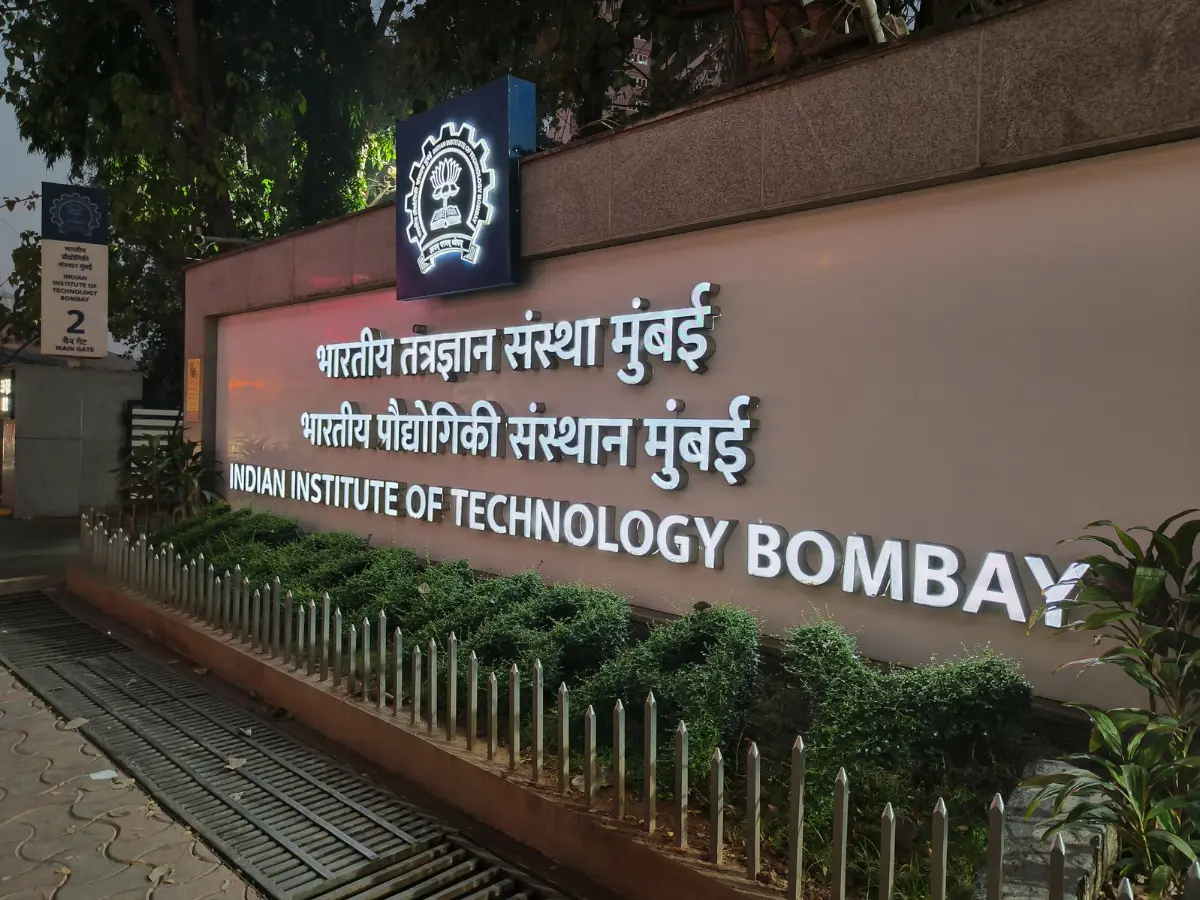)
IIT Bombay professor Suryanarayana Doolla sent on leave amid Sahil Wakode death probe
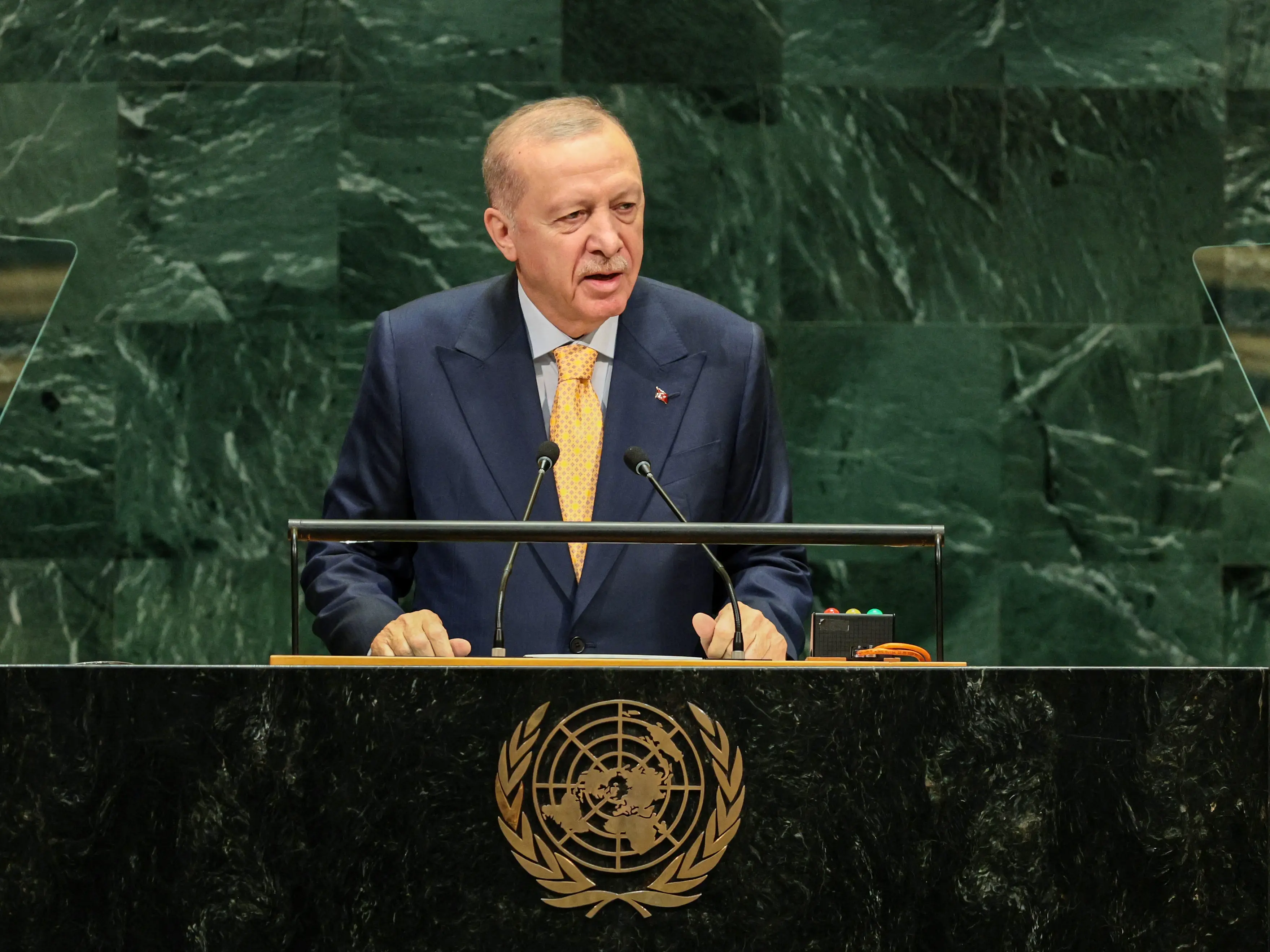)
Erdogan again raises Kashmir issue at UNGA, calls for dialogue under UN Charter
)
Major League Soccer referee sacked for sexist comment about female match referee
)
Yemen clashes kill 154 people in two days as cornered Saudi battles Houthi offensive | Gravitas
)
'This is normally what toddlers do': Why a psychiatrist is raising fresh questions about Trump’s recent behaviour
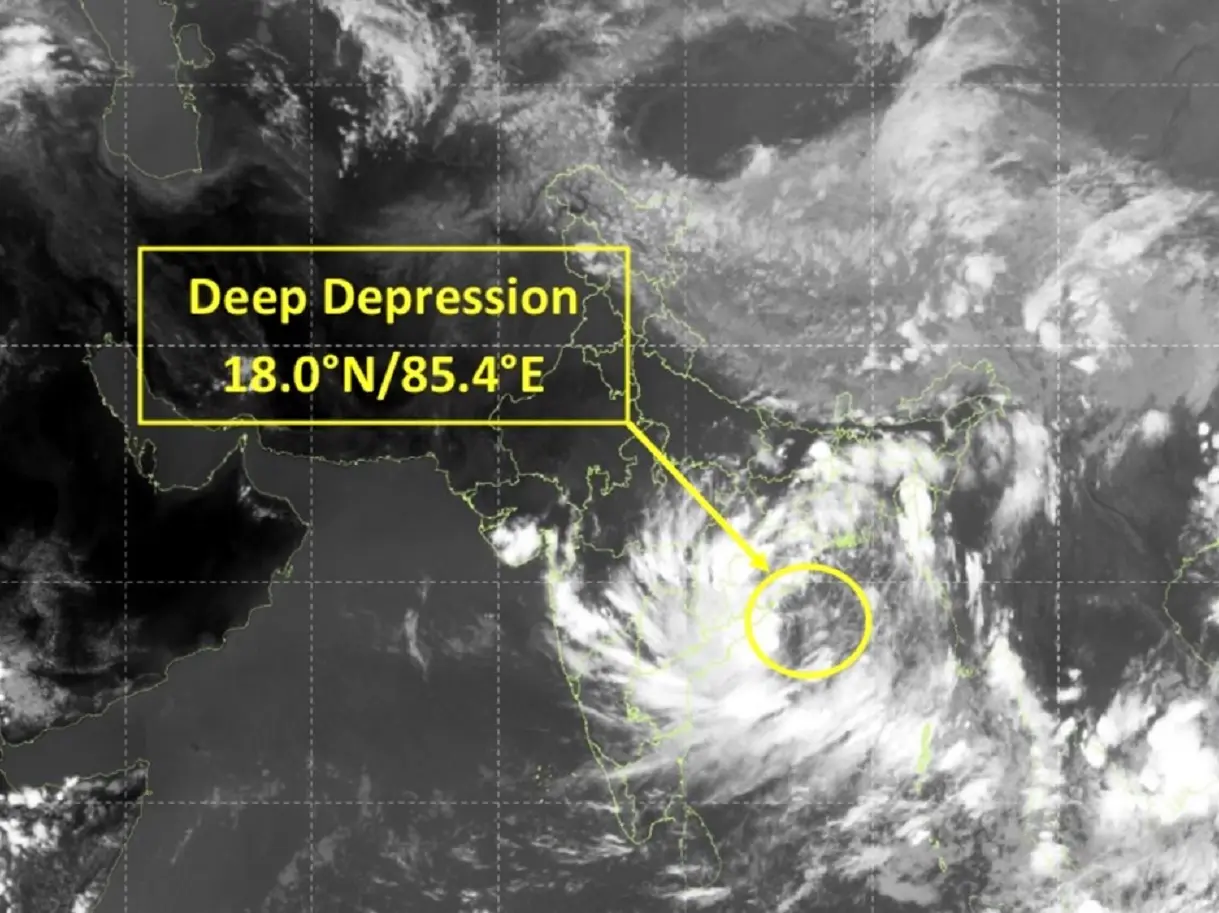)
Cyclone Arnab: Landfall expected before midnight tomorrow as IMD issues orange alerts across six states
)
Trump calls on nations to quit ‘rogue’ and ‘out-of-control’ International Criminal Court, rips UN
)
81st UN General Assembly: Burnham announces UK-US AI defence tie-up
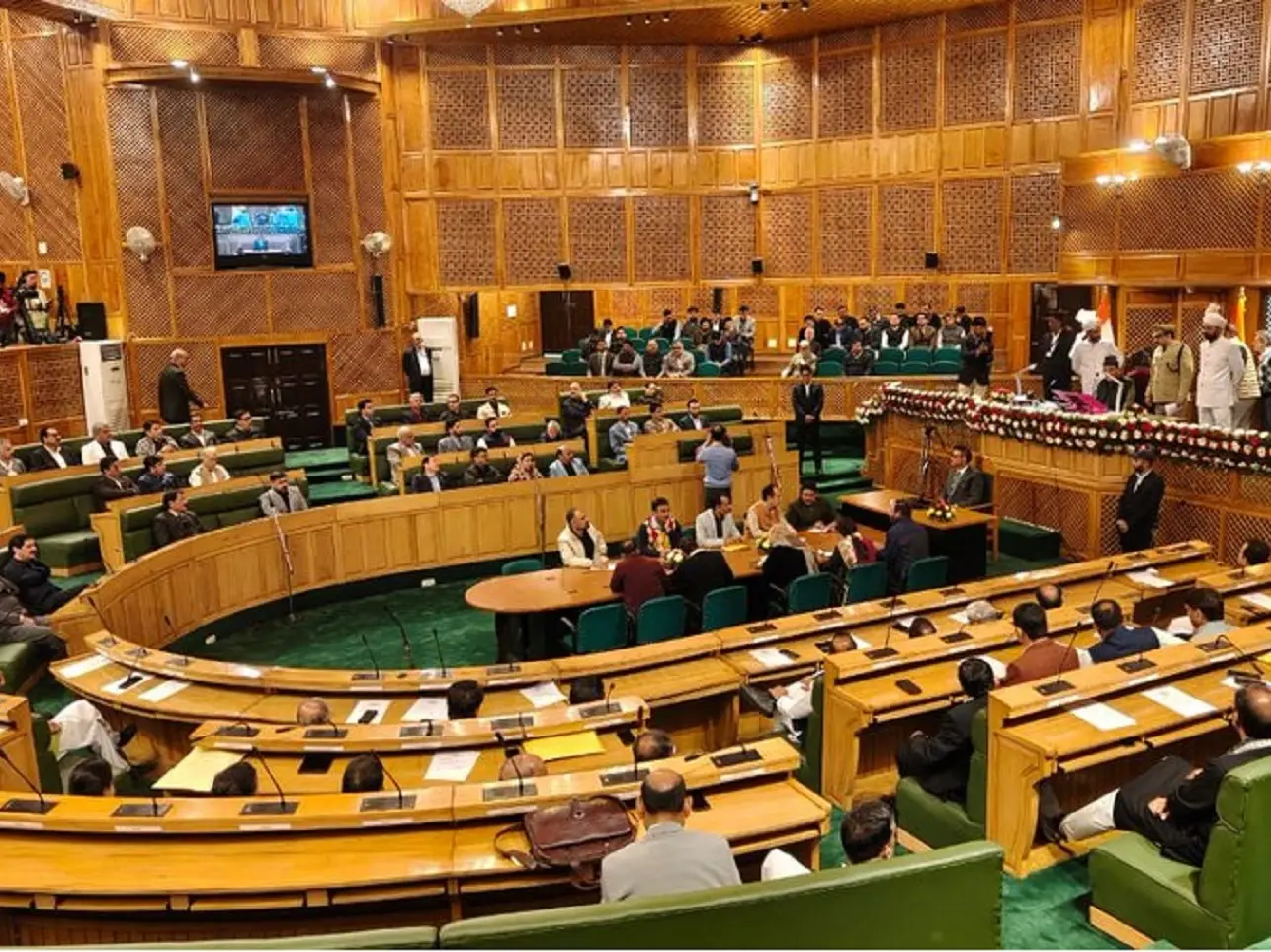)
Over 4,200 books withdrawn from circulation in J&K colleges, 94% from Kashmir
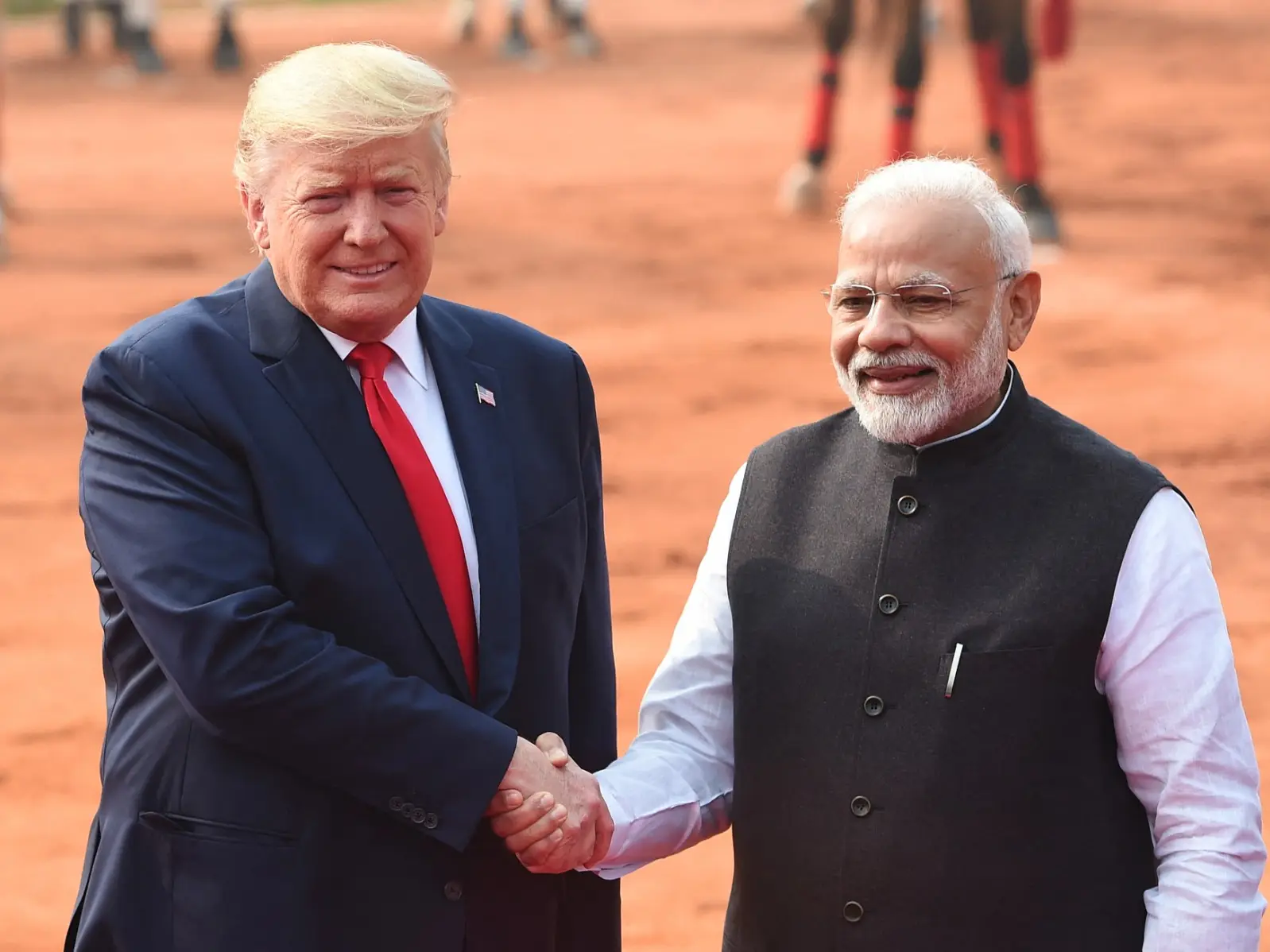)
Trump revives India-Middle East-Europe economic corridor as India emerges central to West Asia’s future: What is it?
)
Four female students raped during 'Red Zone' at California university. What we know
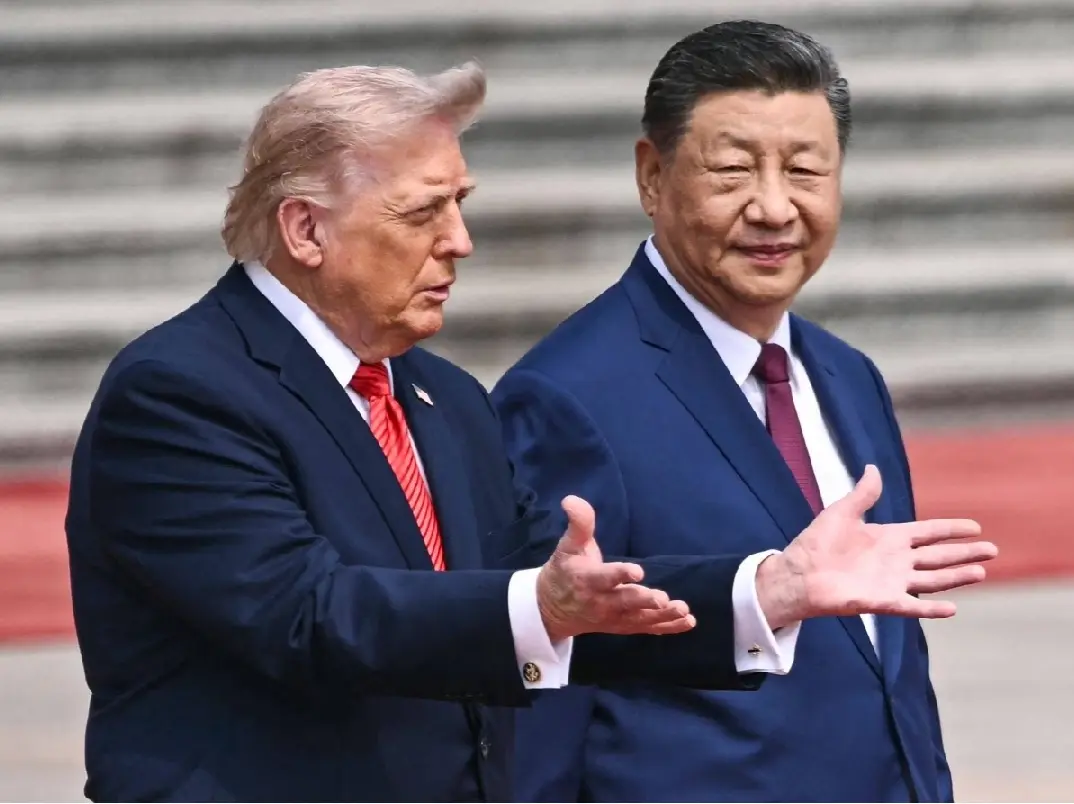)
US and China vie for AI dominance as calls grow for regulation | Gravitas
)
WION Iconic Tourism Summit and Iconic Awards 2026: India's travel economy leaders gather in Delhi
)
IND vs JPN, one-off T20I: Japan captain Kendel on pushing India to the brink - ‘It was special’
)
Trump signs Greenland security deal with Denmark, paving way for two new US military bases
)
'Mumma’s boy from Gwalior who dared to dream': Kartik Aaryan pens long note after first National Award win
)
‘Strike a deal or drive Iran into hell’: Trump issues fresh warning to Tehran at UNGA
)
Anne Hathaway to run in supporting race for Nolan's epic
)
From Gaddafi tearing up UN Charter to Trump’s ‘escalatorgate’: Most unforgettable UNGA moments
)
The Verdict | Moral policing isn’t culture or discipline, it’s crime
)
Infections transmitted from pregnant woman linked to autism risk
)
American manufacturing is reshoring faster than its factory floors can absorb
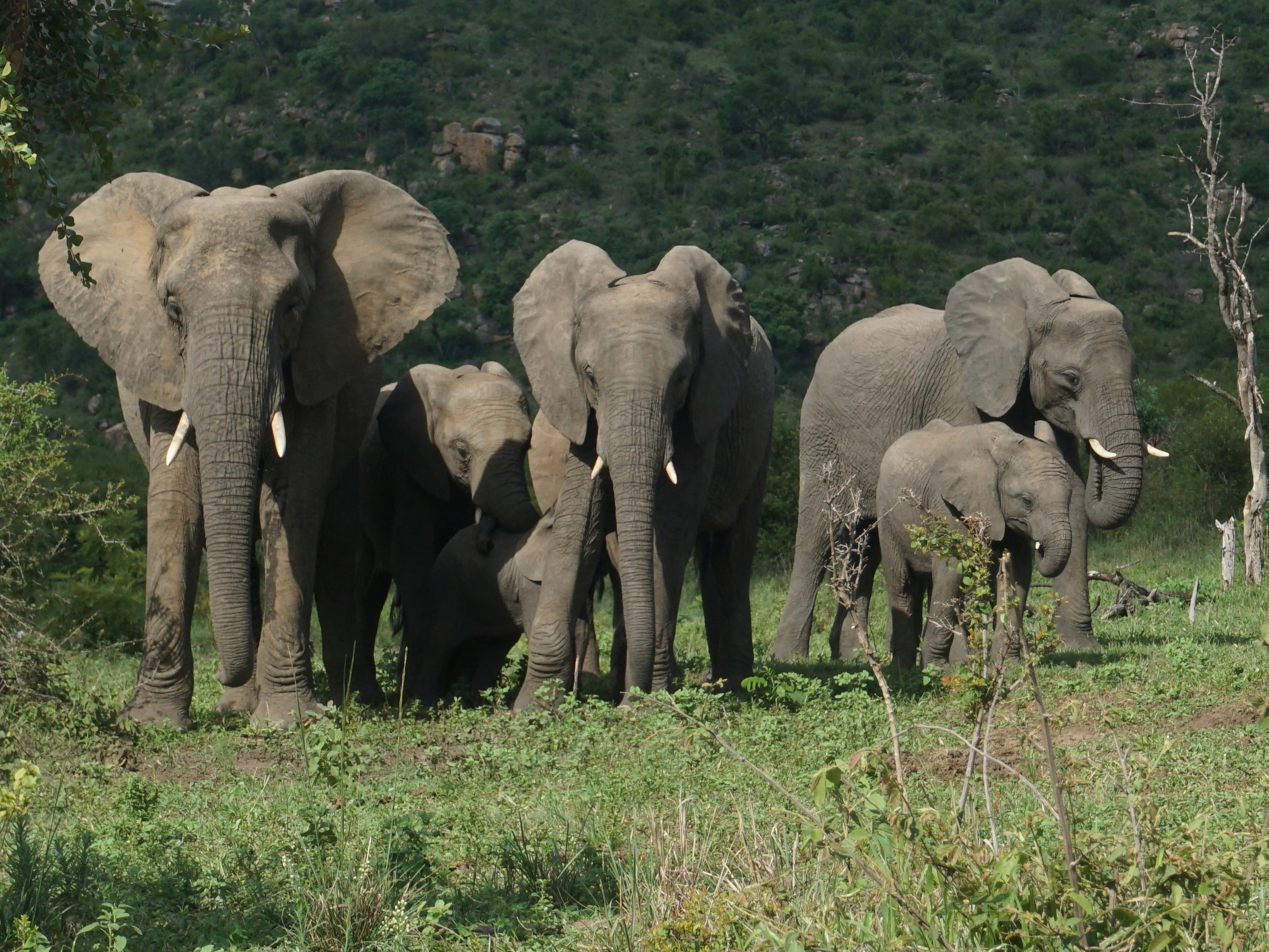)
Elephants hide behind trees, stage surprise attack on poachers targeting rhinos in South Africa
)
Mikel Arteta verbally agrees to three-year extension with Arsenal after title-winning Premier League season
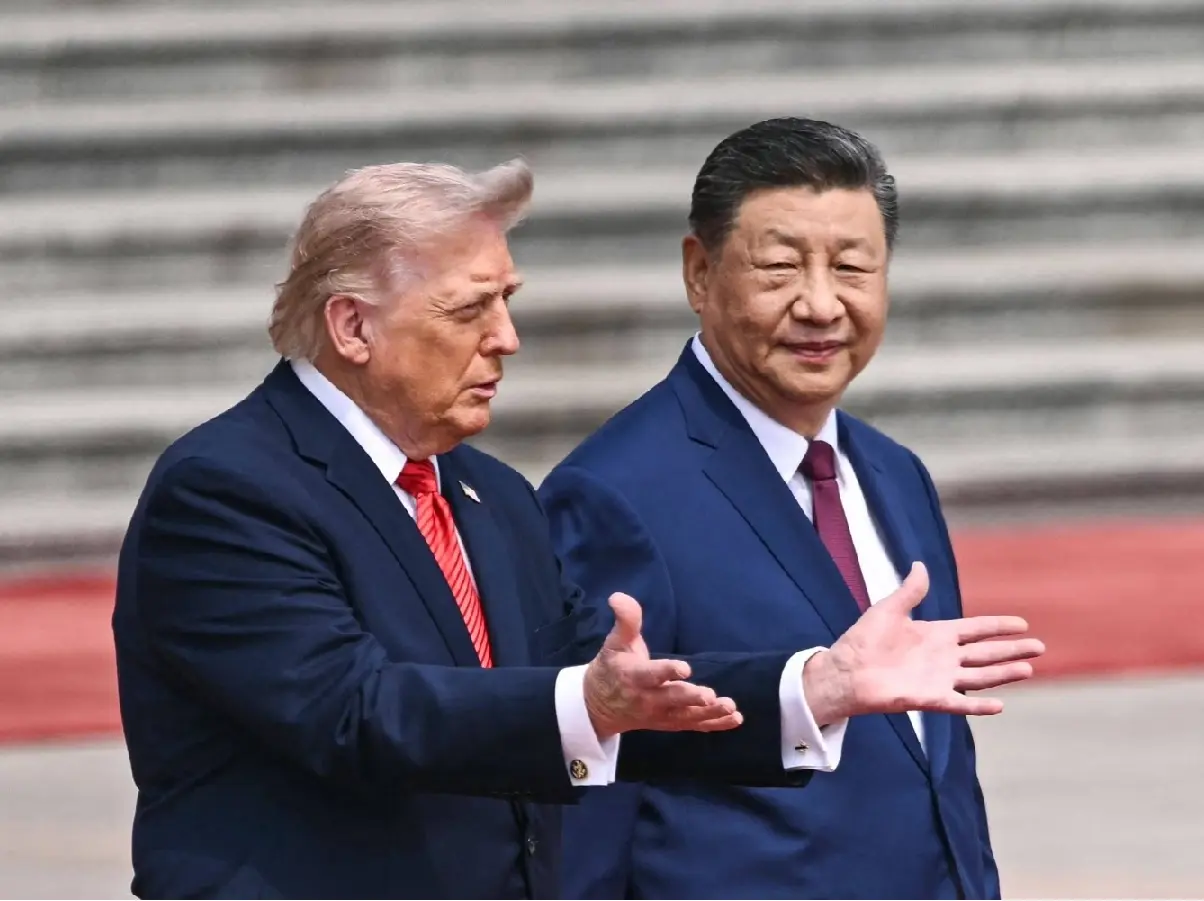)
Explainer: Why rare-earth export licences and Board of Trade are US priorities ahead of Trump-Xi summit
)
Bomb scare in New York amid UNGA: Suspicious suitcase found near UN headquarters
)
Justice eludes Air India 1985 bombing victims as Canada probe goes 'inactive' | Gravitas
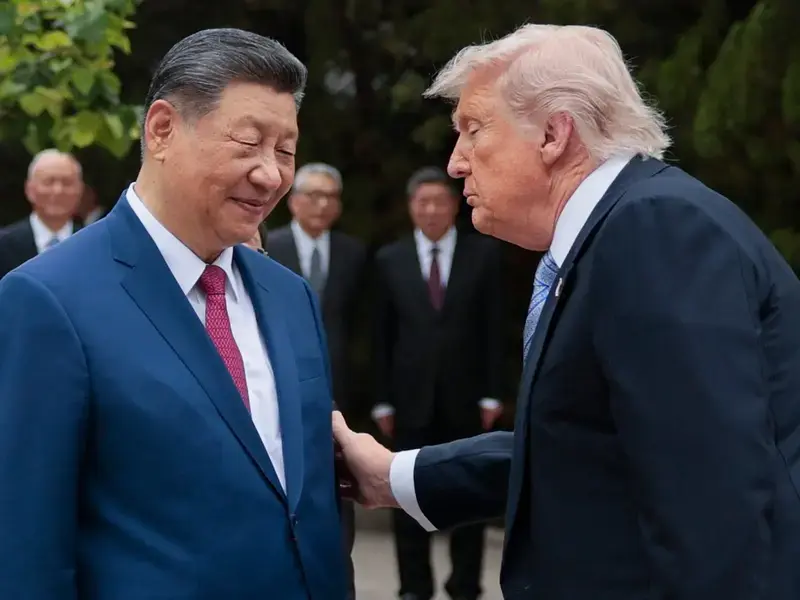)
Trump-Xi summit: From trade to Taiwan, what will the US and Chinese presidents discuss in Washington?
)
WION Iconic Tourism Summit and Awards 2026: Key voices to discuss India’s tourism future
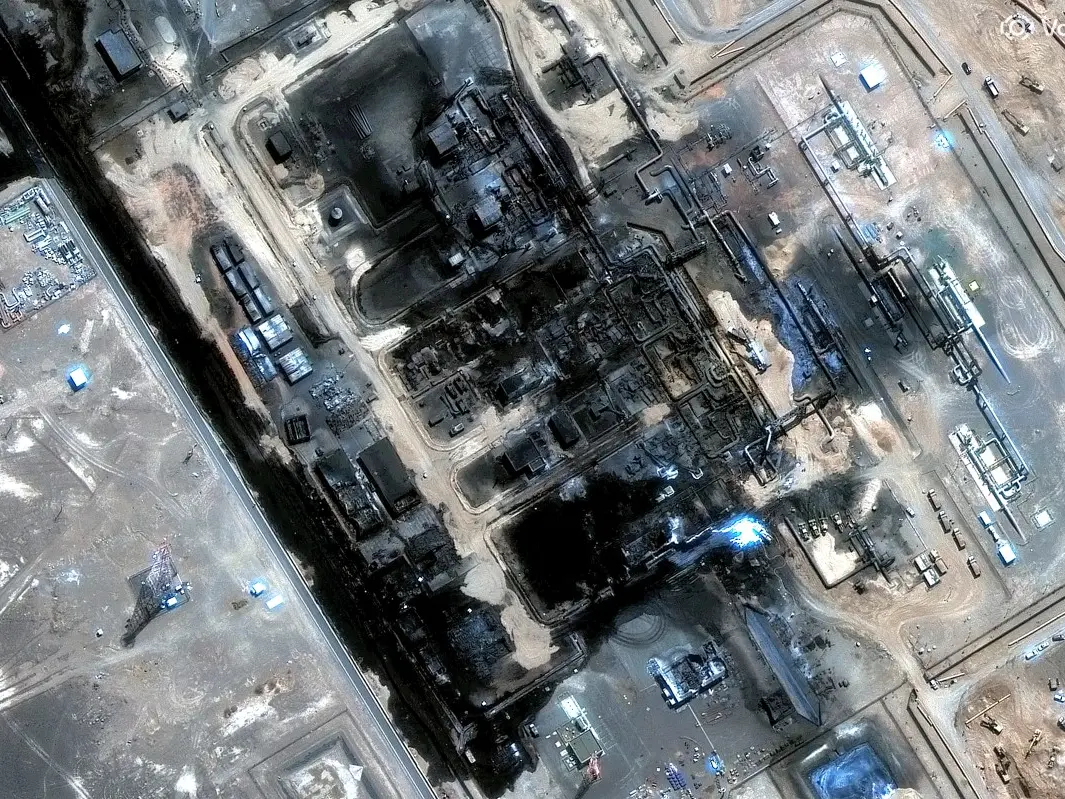)
Oil slips to $98 as Saudi Arabia restarts East-West oil pipeline
A global ‘Vasudhaiva Kutumbakam’ approach
To tackle this challenge head-on, Mr. Chaturvedi advocates for a global approach. He asks, "Can we take a ‘global Vasudhaiva Kutumbakam stand’ and 'solve for talent' for the rest of the world?" In essence, this approach implies that India can take a leadership role in providing talent to the world, ensuring that Indians succeed on a global scale, which, in turn, benefits the nation.
Balancing retention and aspirations
The brain drain conundrum is not one with a singular solution, and Mr. Chaturvedi acknowledges this complexity. He underscores that India's journey to becoming a $10 trillion economy cannot proceed without the export of services. "Us becoming a talent export hub benefits India," he states, emphasising the importance of Indians succeeding globally. This global Indian cohort contributes significantly to Foreign Institutional Investment (FII) inflows, making their success abroad a critical component of India's prosperity.
Leveraging the Indian Diaspora
India boasts a rich history of a global diaspora that has left an indelible mark in various fields worldwide. Mr. Chaturvedi recognises the importance of tapping into this resource, stating, "Indians abroad play a big role in putting India on the global map. They are no less patriots than those in India." To harness this potential, he suggests policy changes and gestures, such as removing residency extension requirements for Indian expatriates, that can make the return home more attractive.
Reviving FDI and Talent Repatriation
Amid the backdrop of declining Foreign Direct Investment (FDI) in India, Mr. Chaturvedi offers insights into strategies that can encourage investment and talent repatriation. He underscores the significant contributions of international students, who, through their jobs abroad, send substantial FDI back to India. Encouraging this trend can be pivotal in revitalising India's economic landscape.
In Mr. Chaturvedi's words, "Our G20 presidency goes on to show the world that we are a force to be reckoned with, but a large majority of that success and global reputation has been built on the backs of hard-working Indians across the globe, so let’s celebrate them in equal measure too."
As India charts its course as the G20 president, the issue of brain drain looms large. However, with innovative thinking and a global perspective, India can turn this challenge into an opportunity. By striking a balance between retaining talent and encouraging global success, leveraging the Indian diaspora, and implementing policies that attract investment and talent, India can unlock its full potential on the world stage and ensure its global competitiveness for years to come.
WATCH WION LIVE HERE