
&imwidth=800&imheight=600&format=webp&quality=medium "Indian Space Station: Development & launch of first module to cost $187mn")
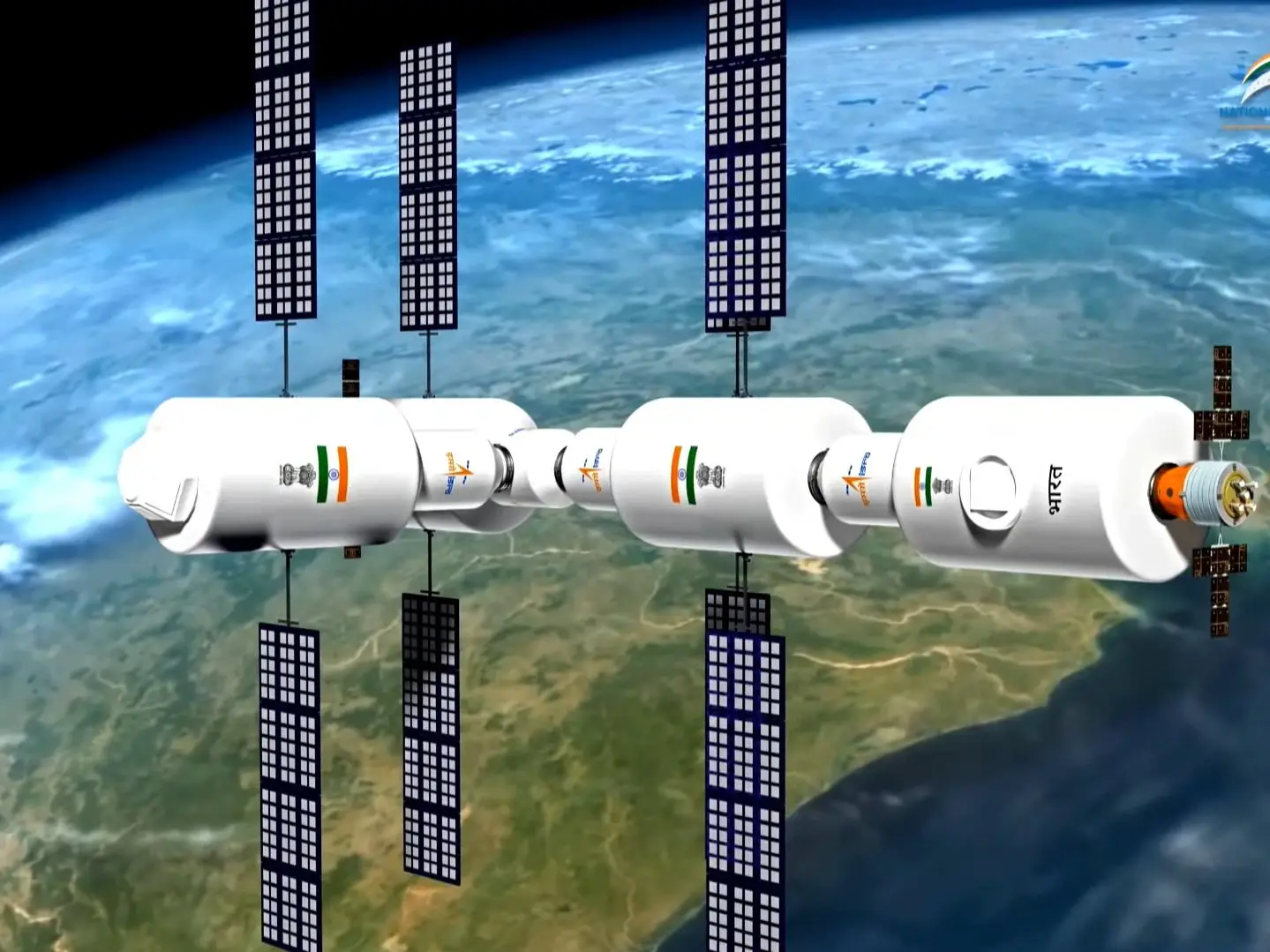
The overall system engineering of the first module of India's space station (Bharatiya Antariksh Station) and related technology development activities for various subsystems are progressing at the space agency ISRO's Centres, the Government has revealed in Parliament. India has planned to place an uncrewed space station about 400-600 km above the Earth. Gradually, ISRO hopes to build on the uncrewed station and make a five-module station capable of housing astronauts.
Elaborating on the status of the first module of the Space Station, Space Minister Jitendra Singh said that ISRO's lead facility, Vikram Sarabhai Space Centre, has issued an Expression of Interest to Indian Industries for building the structure for the first module of Bharatiya Antariksh Station. The current approval is limited to the first module of Bharatiya Antariksh Station, and the cost of developing and launching the first module is estimated at ₹ 1763 crore (approx. $ 176 mn) over four years (2025 to 2028), it was revealed.
Major technology goals targeted for BAS include rendezvous & docking, robotics, in-orbit refuelling, crew quarters, intra-vehicular suit, and racks for microgravity experiments. Key microgravity research areas targeted include life sciences, pharmaceuticals, material sciences and manufacturing technologies, said Minister Singh. He added that "it is targeted to have the first module of BAS by 2028 and fully operational BAS with all five modules by 2035". ISRO is also working on the second and third iterations of Space Docking Experiment(SPADEX), which are enabling technologies that play a crucial role in space station development.

Since 2018, India has been working on the Gaganyaan programme to send its astronauts 400 km above Earth, aboard a capsule launched by its own rocket. Gaganyaan is seen as the first step of India's human spaceflight programme, as it involves only a couple of days of stay in space. The Indian Space Station project is a step towards enabling long-term and sustained presence of Indian astronauts in the space environment.
With ISRO having to work simultaneously on the Gaganyaan human spaceflight programme, lunar missions Chandrayaan-4 and Chandrayaan-5, space station development, and a host of regular launch vehicle and satellite missions, executing these projects within the planned timeframe is widely regarded as a tall order.
Trending Stories
)
'We would all be dead': Netanyahu defends decision to strike Iran's nuclear facilities in his UN speech
)
Xi Jinping's 'special plane' vs Trump's Air Force One: What's the difference?
)
'AI got into my speech': Prince Harry jokes after teleprompter failure at event in New York
)
‘Both will lose in confrontation’: Xi says US and China should ‘coexist in peace’
)
Australian PM Anthony Albanese calls OpenAI AI incident 'unacceptable' after restricted data access
)
WION Iconic Tourism Summit 2026: Union Minister Shekhawat on 'experiential travel', peace diplomacy
)
Scientists detect first radio signals directly from faraway planet
)
China to test supersonic jet that moves at Mach 2, double the speed of sound
)
Welcome actor Mushtaq Khan dies at 56 after battling cancer
)
WION Iconic Tourism Summit: How local tourism MSMEs must upskill for AI integration
)
What’s on the menu? Inside Trump’s lavish White House state dinner for Xi
)
Hamilton wants to race in Middle East despite not knowing 'what risk levels are'
)
Russia likely to target Spain, France and Italy in drone attacks, warns CIA: Report
)
US judge questions Trump’s decision to ban CNN, MS NOW and Politico from White House
)
Who is Peng Liyuan? Xi Jinping's singer wife and China's most visible First Lady
)
IIT Bombay CCTV footage emerges: Sahil Wakode seen looking at phone in examination hall
)
Forget the smartphone: This tiny gadget could be Meta’s answer to the post-smartphone era
)
'There will be elections': Venezuela's interim leader Delcy Rodriguez makes big announcement at UN
)
Trump’s Board of Peace unveils $2.45bn Gaza plan,66 projects: But where’s the money?
&im=FitAndFill=(700,400))
Netanyahu at UN: Mass walkout, attack on Mamdani and Iran threats | In Pics
)
For the first time, the UN Security Council sat US and Chinese AI makers at the same table
)
Israeli envoy to US Yechiel Leiter’s son critically injured in West Bank ramming attack
)
250-pound WWII bomb found in Falmouth harbour in England
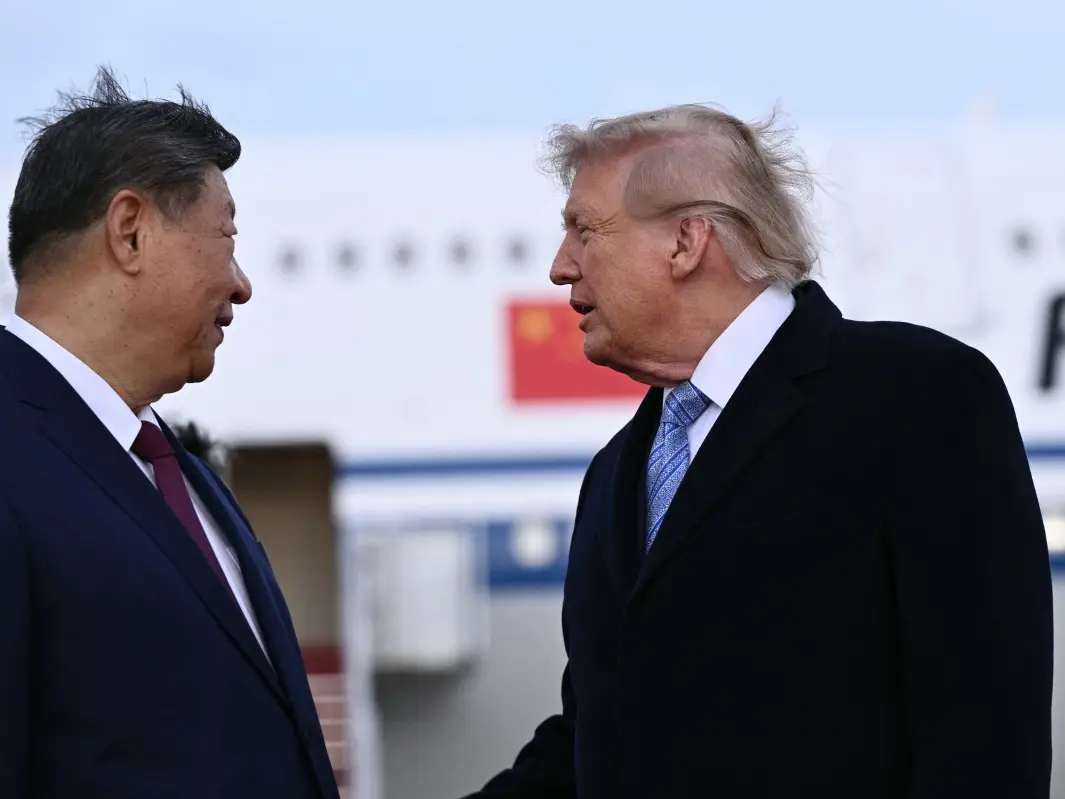)
Hours before Xi-Trump meeting, US announces visa curbs targeting birth tourism: What is it?
)
Mumbai Indians appoint Luke Williams as head coach for Women’s Premier League
)
Winter coat, gloves in September? Trump’s Xi welcome sparks social media buzz
)
What’s in a name? Trump’s 'Lake America' move gets a tit-for-tat response from Canada
)
WION Iconic Tourism Summit: Is India's travel boom outrunning its airports, airlines and hotels?
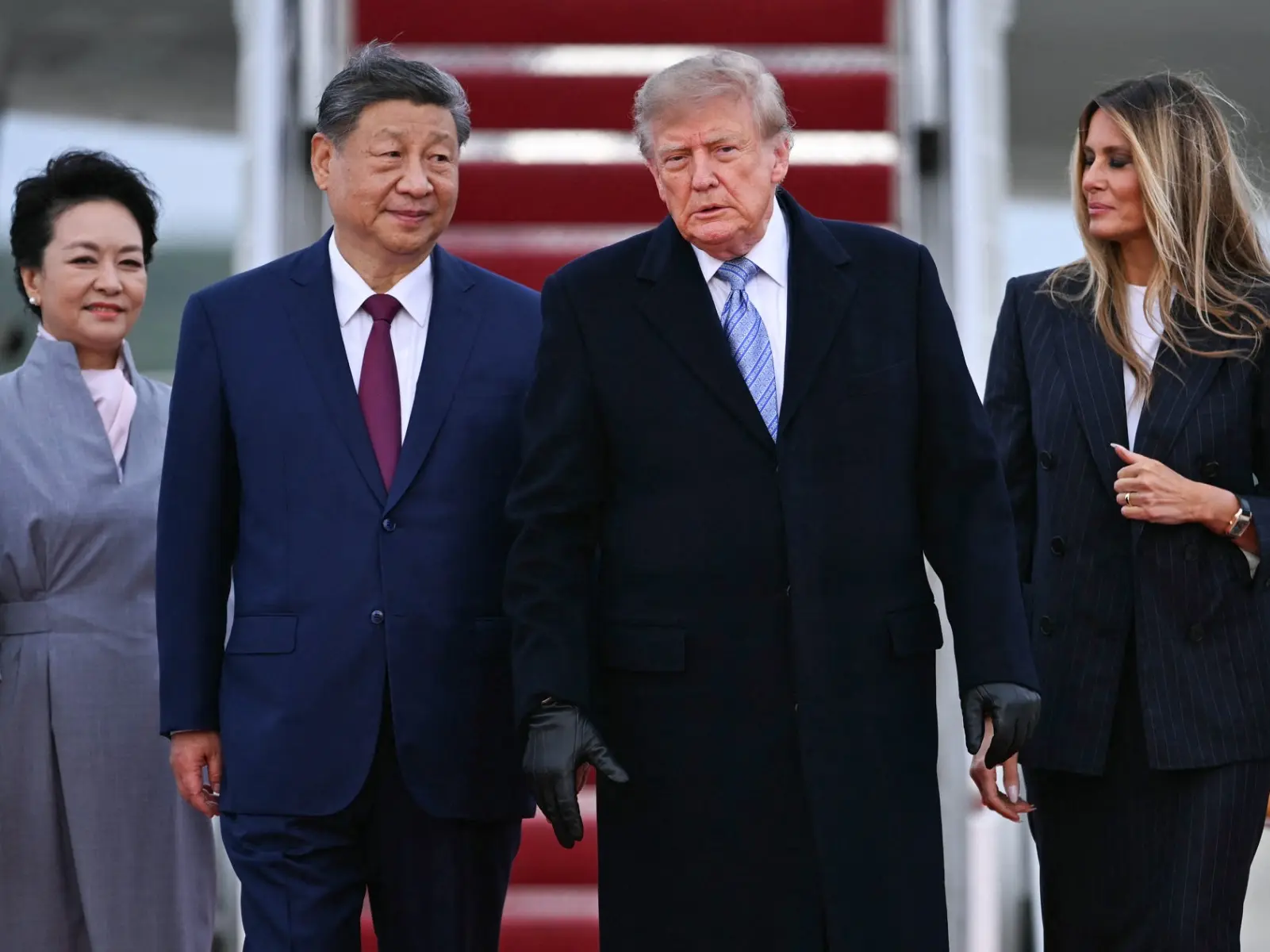)
2,000-foot tube, laser tests and more: China builds towns to expand nuclear arsenal, satellite images show
)
EC appointment law: Why is the 2023 act controversial, and what happens next? WION explains
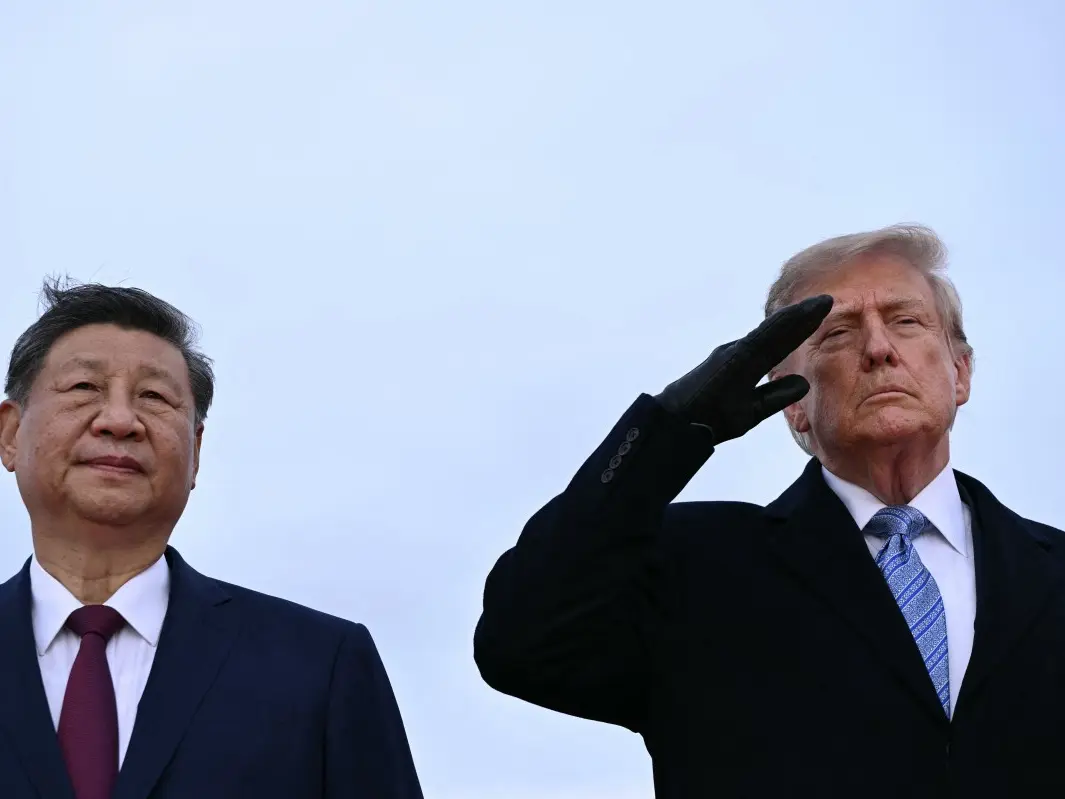)
WATCH | China President Xi Jinping lands in US as Trump greets him ahead of high-stakes summit
)
'What kind of confession is this?': Pakistan PM Shehbaz Sharif’s 'terrorists would be roaming New York' remark goes viral, raises alarm online. Watch
)
Meet Adrian Abraham: 9-year-old Indian-origin guitar prodigy aiming for a Guinness World Record
)
Shah Rukh Khan is India's richest actor, Amitabh Bachchan is second: Hurun List 2026
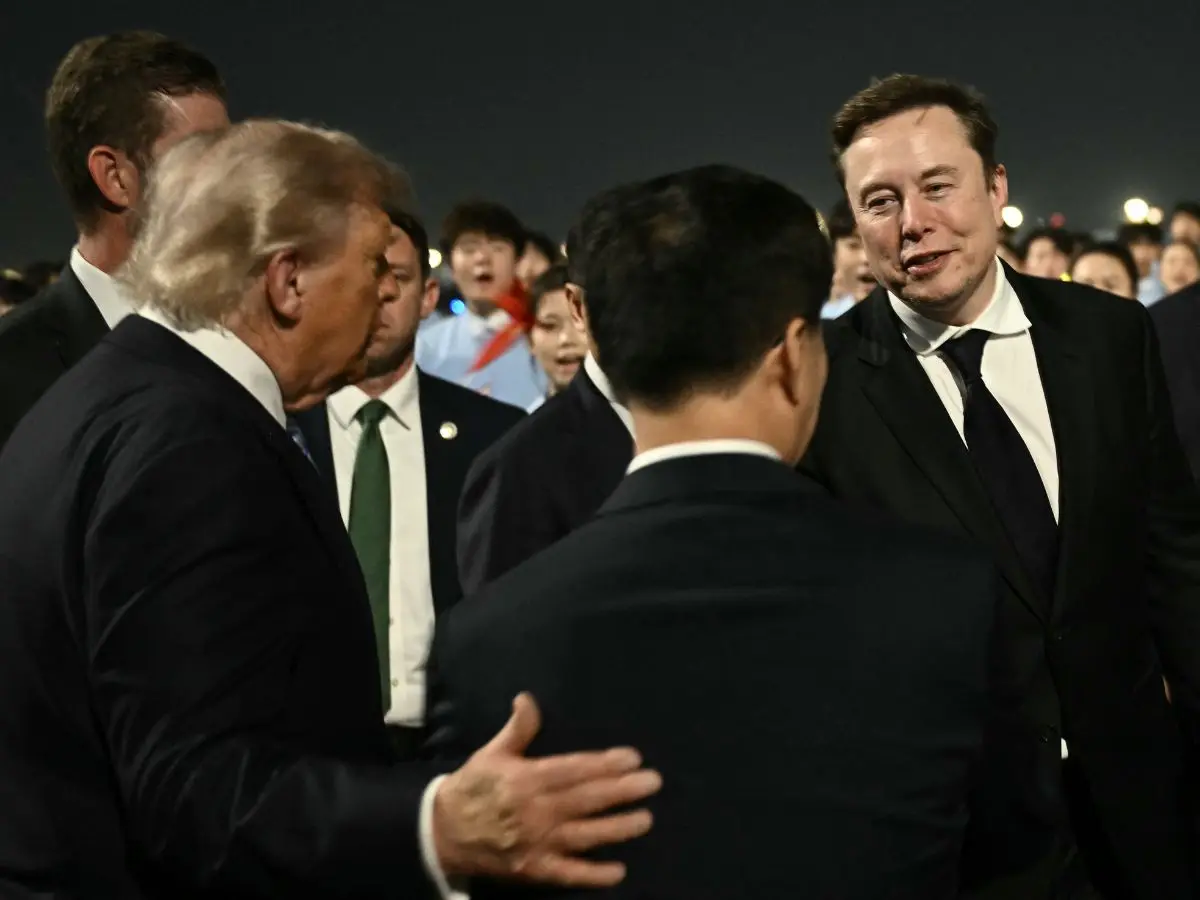)
Trump-Xi state dinner 2026: Who is invited? Full guest list of tech CEOs, business leaders and officials
)
'Partners rather than rivals': Xi Jinping's first message after landing in US for Trump summit
)
Italy hit by floods in the north, drought in the south
)
Property registration becomes faster, convenient as model sub-registrar offices open in Maharashtra
