India-US trade deal: MEA responds to changes in WH fact sheet, says 'joint statement based on shared understanding'

&imwidth=600&imheight=450&format=webp&quality=medium "India-US trade deal: MEA responds to changes in WH fact sheet, says 'joint statement based on shared understanding'")
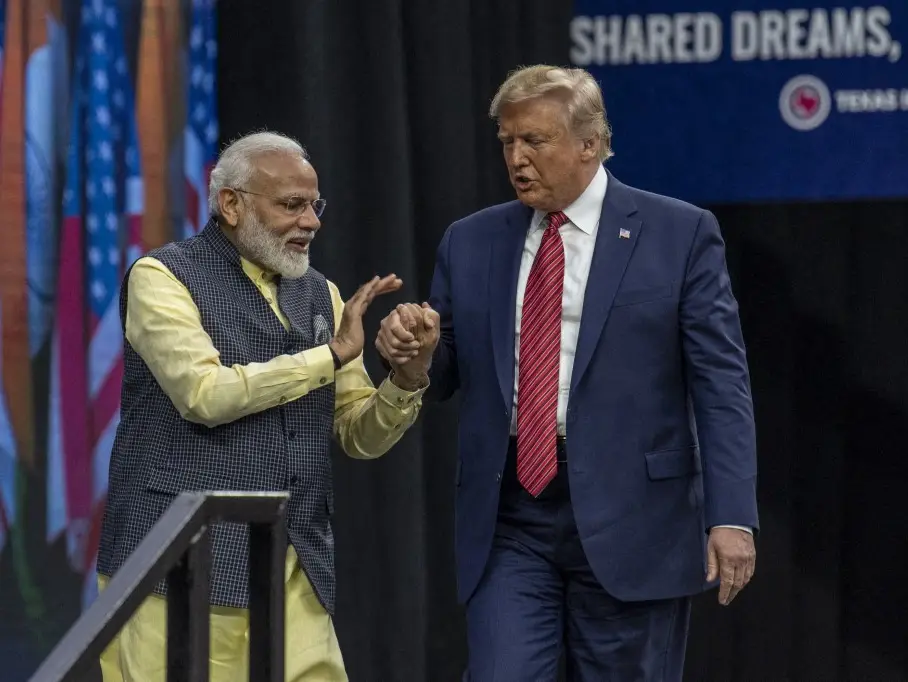
PM Narendra Modi and Donald Trump Photograph: (AFP)
MEA in its weekly briefing on Thursday (February 12), said White House changes to the India-US trade fact sheet match the joint statement and reflect both countries’ shared understanding
The Ministry of External Affairs (MEA) has clarified that recent changes made to the White House fact sheet on the India-US trade deal are consistent with the mutual understanding reached by both countries. Addressing the issue during the weekly media briefing, MEA spokesperson Randhir Jaiswal stressed that the joint statement issued by New Delhi and Washington remains the foundation of the interim trade framework. He said that the changes introduced in the US document align with what was jointly agreed upon.
According to Jaiswal, both countries had settled on a joint statement outlining the framework for an interim pact centered on reciprocal and mutually beneficial trade. He reiterated that this document continues to serve as the guiding basis for shared commitments, and the revised US fact sheet reflects that agreed position.
What were the changes in the White House document?
A few days after the joint statement announcing the trade understanding was released on February 7, the White House published a fact sheet on February 9 providing additional details about the “historic” deal. However, the document was updated the following day, February 10, with several notable modifications. One significant change was the removal of “certain pulses” from the list of agricultural products on which India was expected to lower or eliminate tariffs. The earlier version had included items such as dried distillers’ grains (DDGs), red sorghum, tree nuts, fresh and processed fruits, specific pulses, soybean oil, wine, and spirits, along with all US industrial goods.
Another revision involved digital services taxation. The updated fact sheet no longer mentions India's removal of its digital services levy. India had already withdrawn its 6% equalisation levy on digital advertising services, effective April 1, 2025, making the reference redundant. Additionally, language regarding India’s financial commitments was softened. The earlier version suggested India would invest $500 billion in American energy products, aircraft, precious metals, and other goods. The revised document now states that India “intends to buy” more American products, replacing the stronger language about investment.
Trending Stories
&im=FitAndFill=(700,400)&imwidth=280&imheight=210&format=webp&quality=medium)
&imwidth=280&imheight=210&format=webp&quality=medium)
&imwidth=280&imheight=210&format=webp&quality=medium)
&imwidth=280&imheight=210&format=webp&quality=medium)
&imwidth=280&imheight=210&format=webp&quality=medium)
&imwidth=280&imheight=210&format=webp&quality=medium)
&imwidth=280&imheight=210&format=webp&quality=medium)
&imwidth=280&imheight=210&format=webp&quality=medium)
&imwidth=280&imheight=210&format=webp&quality=medium)
&imwidth=280&imheight=210&format=webp&quality=medium)
&imwidth=280&imheight=210&format=webp&quality=medium)
&imwidth=280&imheight=210&format=webp&quality=medium)
&imwidth=280&imheight=210&format=webp&quality=medium)
&imwidth=280&imheight=210&format=webp&quality=medium)
&imwidth=280&imheight=210&format=webp&quality=medium)
&imwidth=280&imheight=210&format=webp&quality=medium)
&imwidth=280&imheight=210&format=webp&quality=medium)
&imwidth=280&imheight=210&format=webp&quality=medium)
&imwidth=280&imheight=210&format=webp&quality=medium)
&imwidth=280&imheight=210&format=webp&quality=medium)
&imwidth=280&imheight=210&format=webp&quality=medium)
&im=FitAndFill=(700,400)&imwidth=280&imheight=210&format=webp&quality=medium)
&imwidth=280&imheight=210&format=webp&quality=medium)
&imwidth=280&imheight=210&format=webp&quality=medium)
&imwidth=280&imheight=210&format=webp&quality=medium)
&imwidth=280&imheight=210&format=webp&quality=medium)
&imwidth=280&imheight=210&format=webp&quality=medium)
&imwidth=280&imheight=210&format=webp&quality=medium)
&im=FitAndFill=(700,400)&imwidth=280&imheight=210&format=webp&quality=medium)
&imwidth=280&imheight=210&format=webp&quality=medium)
&imwidth=280&imheight=210&format=webp&quality=medium)
&imwidth=280&imheight=210&format=webp&quality=medium)
Background on the trade deal between India and the US
The trade understanding comes after extended negotiations between the two countries amid heightened trade tensions linked to tariffs imposed by US President Donald Trump. The agreement was first hinted at by US Ambassador to India Sergio Gor before being confirmed by President Trump on his social media platform, Truth Social. The February 7 joint statement laid out the roadmap for an interim trade arrangement, which will serve as a stepping stone toward a comprehensive bilateral trade deal in the future.
MEA responds on UN report flagging role of JeM
On a United Nations report flagging the role of Jaish-e-Mohammed in the blast near Red Fort last year, MEA said, "On the report of the monitoring team, this particular report is available in the public domain. This was the 37th report of the Analytical and Support Sanctions Monitoring Team, published on 4th February 2026. We have seen that they have taken on board India’s inputs regarding our concerns on cross-border terrorism and also as to how we can strengthen the global fight against terrorism."

