India’s Q2 GDP grows at 8.2%, highest in six quarters, despite Trump tariffs

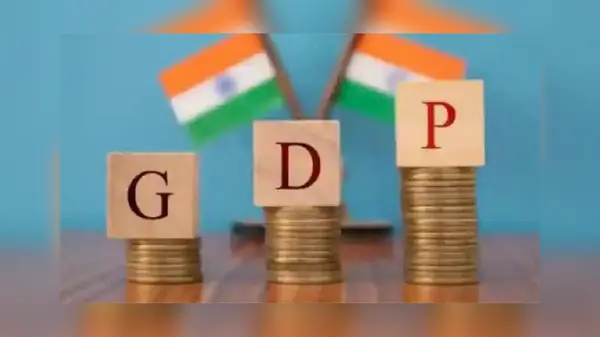
India’s Q2 GDP grows at 8.2%, highest in six quarters, beating all projections Photograph: (PTI)
India’s GDP growth has beaten all forecasts, with manufacturing and services driving momentum and reaffirming the nation’s place as the fastest-growing major economy heading into FY26, even as the economy faced pressure from US tariffs.
The Indian economy registered a robust growth in July-September, and the second quarter Gross Domestic Product (GDP) grew at 8.2% against 7.8% in the first quarter of the current financial year. The 8.2 per cent growth is also the highest in six quarters, and that too despite the early impact of Trump tariffs, as higher manufacturing output and consumption surged over the GST rate cut, offsetting the impact of US tariffs. Factories produced more in anticipation of a consumption boost due to the GST rate cut, according to data from the National Statistics Office (NSO), Ministry of Statistics and Programme Implementation (MoSPI) released on Friday. The GDP growth of 8.2% in Q2 of FY 2025-26 is well above the 5.6% a year ago, higher than the 7.8% posted in the first quarter, and the highest in six quarters.
Prime Minister Narendra Modi hailed the growth in a post on X and said it is very encouraging and reflects the impact of the government’s pro-growth policies and reforms.
Also Read: Ukraine rocked by corruption scandal: Zelensky’s top negotiator raided in alleged $100mn scheme
India’s GDP growth has beaten all forecasts, with manufacturing and services driving momentum and reaffirming the nation’s place as the fastest-growing major economy heading into FY26, even as the economy faced pressure from US tariffs.
The numbers, released by the NSO, point to strong momentum led by manufacturing, construction, and a robust services sector.
GDP at constant prices stood at Rs 48.63 lakh crore in the July-September quarter, up from Rs 44.94 lakh crore a year ago. Nominal GDP grew 8.7% to Rs 85.25 lakh crore.
A significant part of the growth came from the secondary and tertiary sectors. Manufacturing expanded 9.1%, and construction grew 7.2%, while the services remained the standout performer. The tertiary sector grew 9.2%, driven by a strong 10.2% expansion in financial, real estate, and professional services.
Trending Stories
&imwidth=280&imheight=210&format=webp&quality=medium)
&imwidth=280&imheight=210&format=webp&quality=medium)
&imwidth=280&imheight=210&format=webp&quality=medium)
&imwidth=280&imheight=210&format=webp&quality=medium)
&imwidth=280&imheight=210&format=webp&quality=medium)
&imwidth=280&imheight=210&format=webp&quality=medium)
&imwidth=280&imheight=210&format=webp&quality=medium)
&imwidth=280&imheight=210&format=webp&quality=medium)
&imwidth=280&imheight=210&format=webp&quality=medium)
&imwidth=280&imheight=210&format=webp&quality=medium)
&imwidth=280&imheight=210&format=webp&quality=medium)
&imwidth=280&imheight=210&format=webp&quality=medium)
&imwidth=280&imheight=210&format=webp&quality=medium)
&imwidth=280&imheight=210&format=webp&quality=medium)
&imwidth=280&imheight=210&format=webp&quality=medium)
&imwidth=280&imheight=210&format=webp&quality=medium)
&imwidth=280&imheight=210&format=webp&quality=medium)
&imwidth=280&imheight=210&format=webp&quality=medium)
&imwidth=280&imheight=210&format=webp&quality=medium)
&imwidth=280&imheight=210&format=webp&quality=medium)
&imwidth=280&imheight=210&format=webp&quality=medium)
&imwidth=280&imheight=210&format=webp&quality=medium)
&imwidth=280&imheight=210&format=webp&quality=medium)
&imwidth=280&imheight=210&format=webp&quality=medium)
&imwidth=280&imheight=210&format=webp&quality=medium)
&imwidth=280&imheight=210&format=webp&quality=medium)
&im=FitAndFill=(700,400)&imwidth=280&imheight=210&format=webp&quality=medium)
&imwidth=280&imheight=210&format=webp&quality=medium)
&imwidth=280&imheight=210&format=webp&quality=medium)
&imwidth=280&imheight=210&format=webp&quality=medium)
&imwidth=280&imheight=210&format=webp&quality=medium)
&imwidth=280&imheight=210&format=webp&quality=medium)
&imwidth=280&imheight=210&format=webp&quality=medium)
&imwidth=280&imheight=210&format=webp&quality=medium)
&imwidth=280&imheight=210&format=webp&quality=medium)
&imwidth=280&imheight=210&format=webp&quality=medium)
The real private final consumption expenditure (PFCE) grew 7.9% in Q2, compared to 6.4% in the same period last year, signalling steady demand.
However, agriculture lagged behind and grew just 3.5%, while utilities like electricity, gas and water supply grew 4.4%, reflecting a softer patch for these segments.
Overall, the first half of FY26 has delivered an 8% GDP growth rate, up from 6.1% in the first half of the previous financial year.
The stronger-than-expected growth bolsters India’s position as the world’s fastest-growing major economy.
Prime Minister Narendra Modi pushed tax cuts and labour reforms to boost the domestic economy while resisting US pressure on a trade deal by lowering tariffs across key sectors, including agriculture.
Earlier this year, the World Bank said India will need to grow by 7.8 per cent on average over the next 22 years to achieve its aspirations of becoming a developed country by 2047.