
&imwidth=800&imheight=600&format=webp&quality=medium "India's IT giants have lost Rs 15 lakh crore to AI")
India's information technology industry has spent thirty years building the most successful services export business in the country's history. Artificial intelligence has removed nearly half its market value in under two.
The Numbers
The combined market capitalisation of India's five largest IT firms — Tata Consultancy Services, Infosys, Wipro, HCL Technologies and Tech Mahindra — has fallen by more than 46 per cent. From a record ₹33.71 lakh crore in August 2024, the group is down to ₹18.15 lakh crore as of July 2026.

TCS has been hit hardest. Its stock has fallen roughly 56 per cent from an all-time high of ₹4,592.25 reached on August 30, 2024, with market capitalisation dropping from a peak of ₹16.47 lakh crore to ₹7.35 lakh crore. Infosys has lost close to half its value, falling from a peak of ₹2,006.45 in December 2024 to around ₹986 per share.
The Nifty IT index has fallen nearly 40 per cent from its peak.
Why This Is Not An Ordinary Downturn
Trending Stories
)
Taylor Swift has a 'proud wife' moment as Travis Kelce scores first touchdown of season: 'That’s my husband!'
)
BTS' fans question iHeartRadio’s treatment of group after brief festival set
)
Glitch in the matrix caught on camera: Woman vanishes after talking to reporter
)
Punjab man consumes poison outside DC office; Congress, BJP target AAP government
)
Saudi vs Houthis: Houthis claim missiles & drones used in attack on key Saudi sites
)
Apple reportedly building AI server with M8 Ultra chips, may use Nvidia technology
)
Saudi Arabia exits China-led mBridge digital currency platform amid Saudi-Houthi conflict
)
US ships in Indian Ocean ‘will be attacked’ if war resumes, warns Iran
)
Delhi: Flagged voters remain on the draft roll but face hearings
)
ICE shooting in Texas leaves man seriously injured; officials demand independent investigation and transparency
)
Fleming's aspirations as England Test coach include WTC, top ranking and Ashes
)
Several petrol pumps, other businesses to refuse UPI payments above Rs 2,000 from Oct 16: Is it legal?
)
'Were you here to sell chickpeas?': Wasim Akram criticises Babar Azam's captaincy
)
Maharashtra TET paper leak: All 18 accused arrested. How alleged Agra-to-Maharashtra racket unfolded
)
Iran sets 7 conditions to end war with US: What are Tehran’s demands?
)
‘0% chance’: Nvidia CEO Jensen Huang dismisses AI extinction fears by 2030
)
Mahabharat actor Saurav Gurjar arrested in Hyderabad, sent to 14-day judicial custody in sexual exploitation case
)
Bessent meets China’s He Lifeng to prepare for Trump-Xi summit
&im=FitAndFill=(700,400))
What TSMC's 2nm technology means for Apple
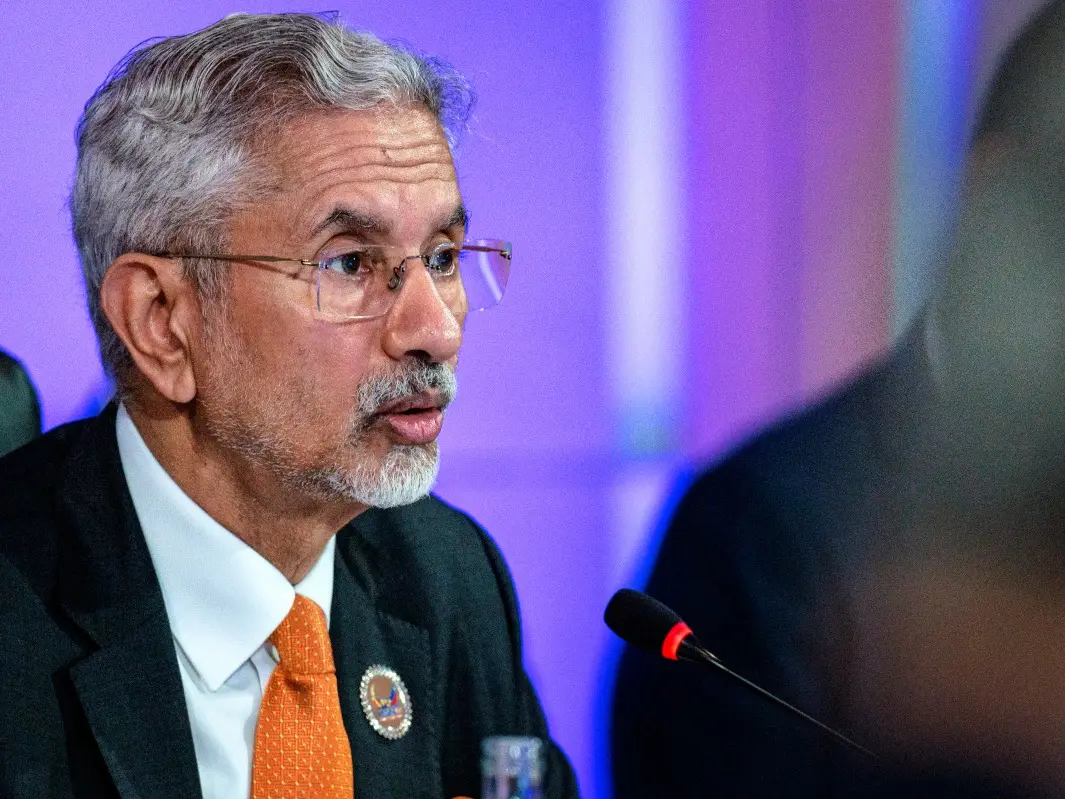)
S Jaishankar, former Army chief among high-profile names issued Delhi SIR notices
)
CDU suffers historic defeat in eastern Germany as AfD surges, Merz vows to stay on
)
Samsung raises Galaxy S26 prices by Rs 20,000: Here’s what each model now costs
&im=FitAndFill=(700,400))
New OTT releases this week (September 21-27, 2026): Shaque: Trust No One, Hunkkaar, Don’t Be Shy- 5 new titles coming to Netflix, Prime Video and more
)
AI actress Tilly Norwood glitches mid-interview, switches from English to Chinese | Watch
)
SNL UK takes aim at Ed Sheeran with AI Princess Diana sketch
)
TIFF 2026: Theja Rio’s Angh wins Platform Prize, puts Nagaland story on global stage
)
Jailer 2: Vidya Balan joins Rajinikanth's upcoming film as Kantha | Watch
)
J&K Assembly Session begins amid chaos: BJP, ruling alliance clash as statehood demand dominates
)
Putin's United Russia party wins 355 seats in Duma election; 4 other parties cross threshold to enter parliament
)
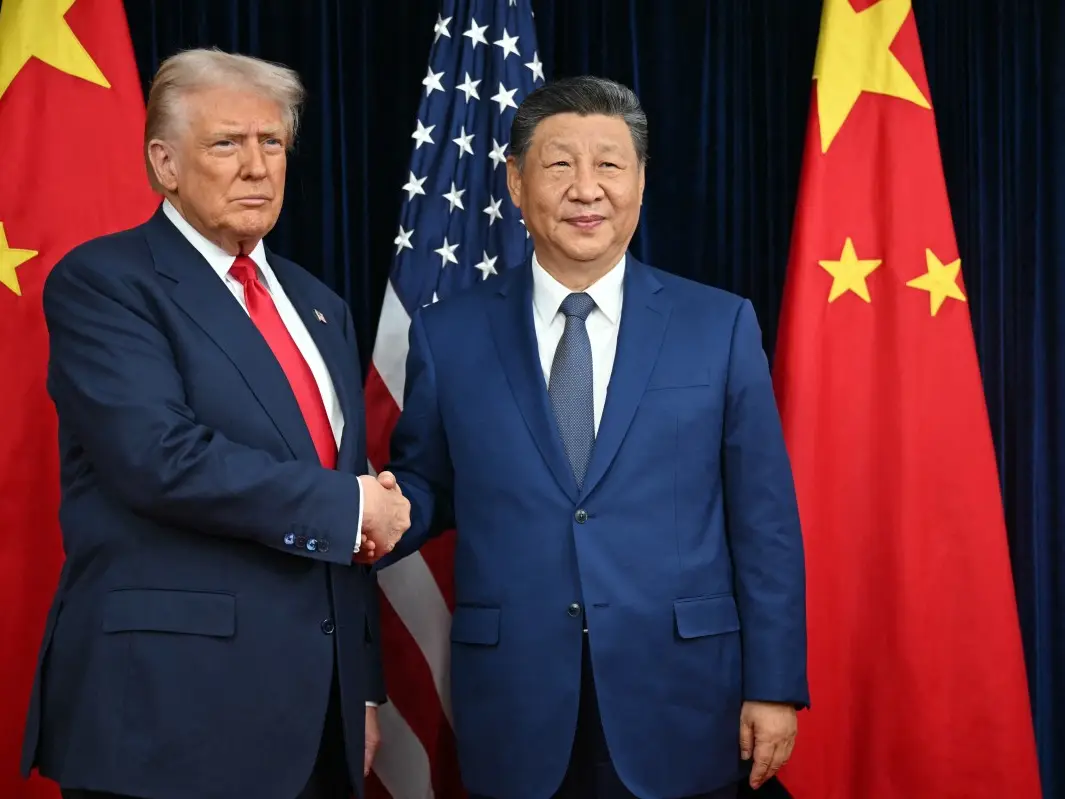
Trump-Xi summit: US Treasury Secretary holds meeting with Chinese Vice Premier
)
China now makes advanced memory chips without the machines it was banned from buying
)
Delhi Air pollution: Strict crackdown on waste burning
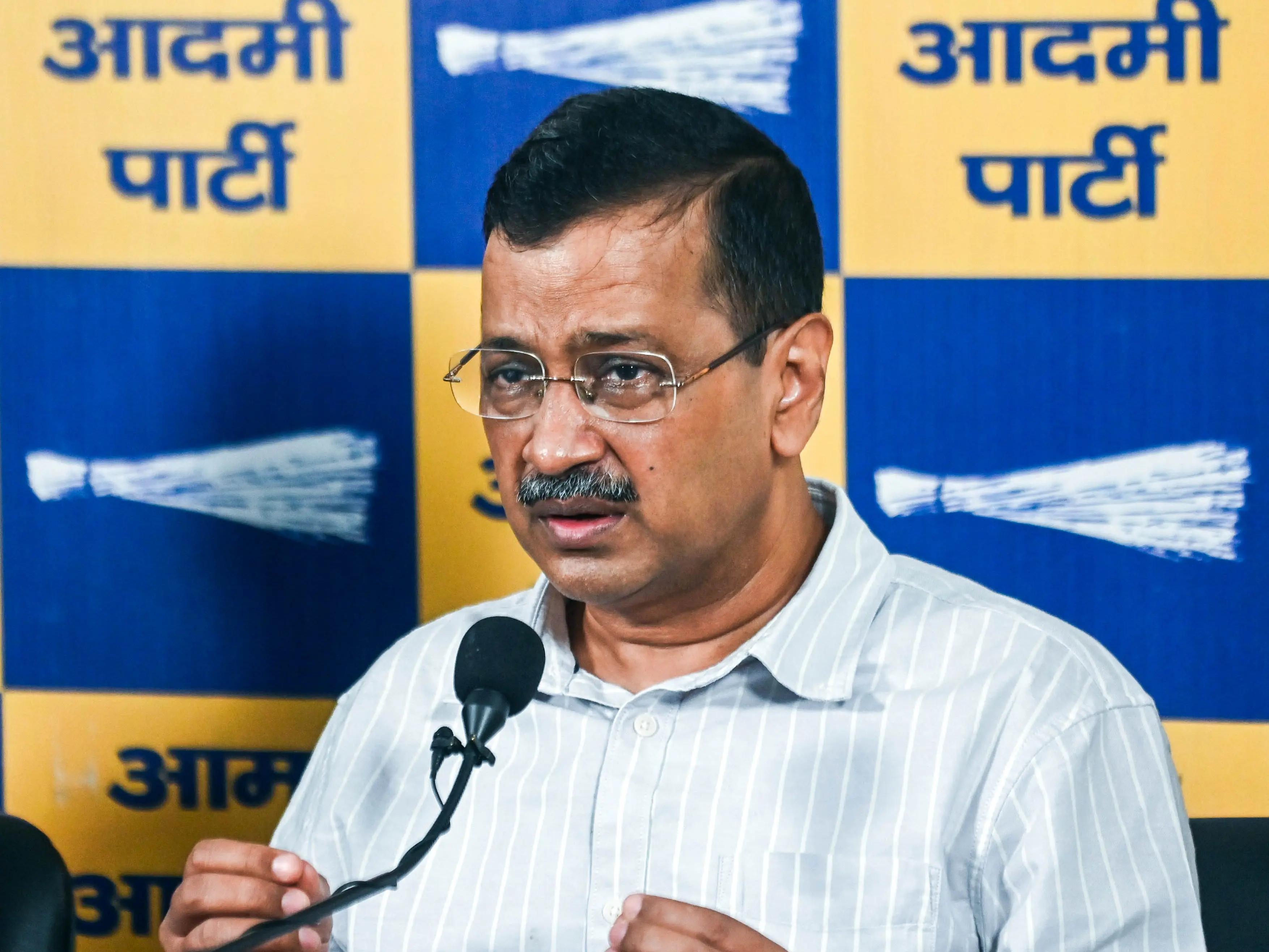)
Arvind Kejriwal, family members, Delhi CM Rekha Gupta get SIR notices
)
Microsoft executive called AI training the ‘largest theft of labour in human history’
&im=FitAndFill=(700,400))
Kareena Kapoor birthday special: Inside her net worth, best movies, luxurious lifestyle and love story with Saif Ali Khan
)
Italy moves to ban face veils in schools as Meloni pushes new integration measures
)
'Lot of things to learn from experienced players': Jayasuriya backs Rohit, Virat for 2027 ODI World Cup
)
Noel Tata challenges Chandrasekaran’s reappointment as Tata Sons chairman. What happened at the board meeting
)
Pilot recreates Mona Lisa in sky over Oklahoma and Arkansas in four-hour flight: VIDEO
)
AI kill switch explained: Why shutting down a dangerous AI may not be as simple as pressing a button
)
Chancellor Friedrich Merz vows to stay on as exit polls signal major poll setback
)
Trump says he'll build an 'AI Force' and appoint a czar, for 'high IQ' people only
Indian IT has weathered downturns before — the dot-com collapse, the 2008 financial crisis, the pandemic. Each was a demand shock: clients postponed projects, then resumed them. The industry emerged larger every time.
This is structurally different. The threat is not that clients have stopped buying software services. It is that generative AI is automating the specific categories of work that the Indian IT model monetises — application coding, testing, customer support, and back-office process handling. Those are the services that filled the seats.
The business model at risk is labour arbitrage: billing a client in dollars for work performed by engineers paid in rupees, with margin earned on the spread and revenue scaling with headcount. Generative AI attacks the foundation of that arrangement directly. When an AI system performs a share of the coding, the number of billable engineers required per unit of delivered work falls — and so does the revenue attached to it.
The Squeeze Visible In The Results
Wipro's most recent quarter illustrates the bind precisely. Revenue for the June quarter rose 10.6 per cent year-on-year to ₹24,478.6 crore — solid growth. Net profit was effectively flat, up 0.6 per cent at ₹3,356.3 crore. Operating margin fell to 16 per cent, a 15-quarter low, with the company citing salary increases, deal ramp-ups and AI investment.
That is the shape of the problem across the sector. Firms must invest heavily in AI capability, because clients will not buy delivery without it. But that investment costs money now and, over time, reduces the number of billable hours each contract generates. The industry is being required to fund the technology most likely to compress its own pricing.
Who Survives It
Ratings agency S&P has assessed that the disruption will hit Indian IT firms unevenly, with TCS, Infosys, HCL Technologies and Wipro better placed than smaller rivals — on the strength of broad industry relationships, pricing power, and cash balances large enough to fund AI investment without distress.
That is a judgement about relative resilience, not about escaping the transition. The larger firms have the balance sheets to buy time. What they must do with that time is convert from a model that sells engineer-hours to one that sells outcomes — charging for the result delivered rather than the headcount deployed, so that AI improving productivity raises margin instead of destroying revenue.
That transition is genuinely difficult. It requires new commercial contracts, new pricing structures, new sales approaches, and a workforce composition different from the one the industry spent three decades assembling. It also has to happen while clients, aware that AI is reducing delivery costs, negotiate for lower prices.
The market has priced in the difficulty. ₹15 lakh crore of value has been removed from five companies whose revenues are, for the most part, still growing. Investors are not forecasting that Indian IT stops earning — they are forecasting that it stops earning at the margins that justified the old valuations.
