India, Russia to sign mobility pact as Moscow pledges to cut trade deficit ahead of Putin visit

&imwidth=600&imheight=450&format=webp&quality=medium "India, Russia to sign mobility pact as Moscow pledges to cut trade deficit ahead of Putin visit")
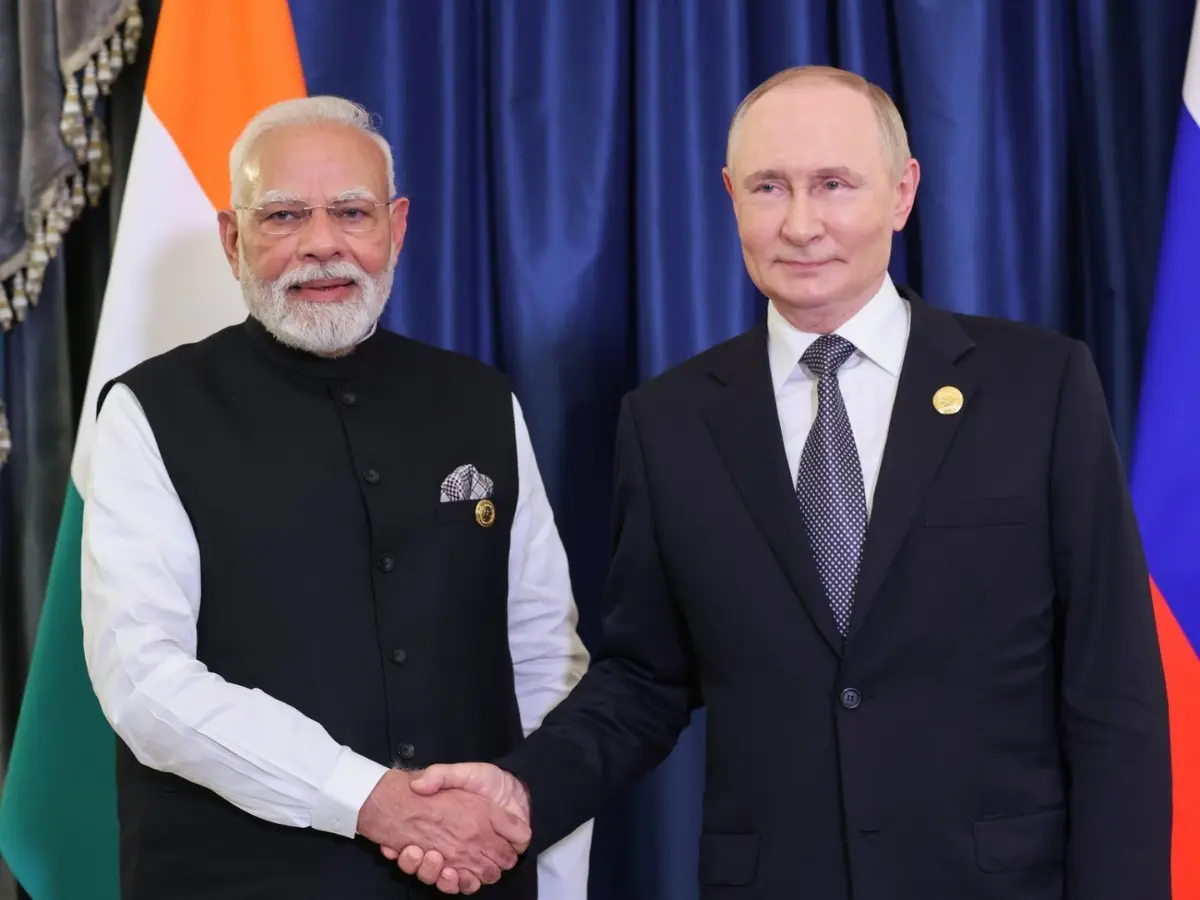
India, Russia to sign mobility pact as Moscow pledges to cut trade deficit ahead of Putin visit Photograph: (Credit: X)
Economic ties will be key focus but trade figures have ballooned in recent years, largely driven by Indian purchases of discounted Russian oil, pushing bilateral trade over $65 billion
With Russian President Vladimir Putin set to visit India this week, on 4th-5th December 2025, for a bilateral summit, focus will be aimed at deepening economic ties and addressing a growing trade imbalance, officials from both sides have confirmed. At the heart of the visit is a newly finalised agreement on the mobility of skilled and semi-skilled workers. Indian Ministry of External Affairs (MEA) officials told reporters on Tuesday, that the document “has been finalised” and is now going through internal processes before formal signing.
“Finalised agreement on mobility of skilled & semi-skilled people. Document has been finalised. Going through internal processes,” officials said. The pact is seen in New Delhi as a practical step to facilitate greater movement of Indian professionals to Russia while encouraging Russian expertise in sectors where India has shortages.
Economic ties will be key focus but trade figures have ballooned in recent years, largely driven by Indian purchases of discounted Russian oil, pushing bilateral trade over $65 billion. Yet the relationship remains heavily skewed as India’s exports to Russia are far less than Russian exports to India. Both sides now say they want to correct the imbalance. “We know our Indian friends are concerned about disbalance in trade. We want to buy more from India. We are looking for joint efforts,” Kremlin spokesman Dmitry Peskov said ahead of the visit, addressing Indian journalists in a Sputnik media organised event. He revealed that Russian and Indian business leaders will meet in the run-up to the summit to identify new export opportunities.
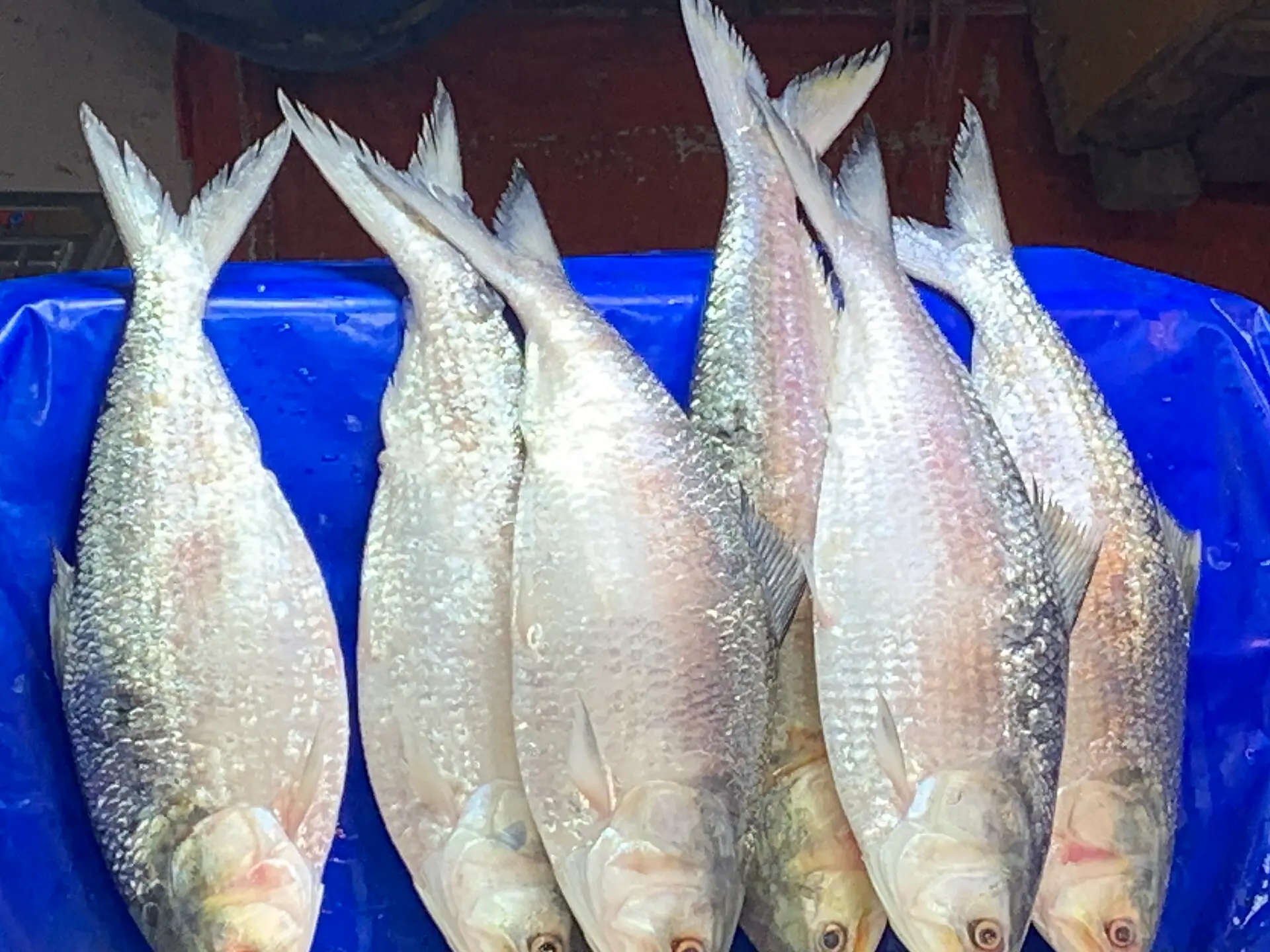
Indian officials echoed the sentiment. “Aim is to bridge the trade deficit between India, Russia,” MEA officials said, highlighting ongoing discussions on exporting marine products, potatoes, pomegranates, pharmaceuticals, processed food, and consumer goods from India to Russia. Peskov was upbeat about longer-term ambitions despite Trump imposing tariffs on India for importing Russian crude oil. “Before 2030, I hope to reach trade at $100 bn. Our trade should not be impacted by the 3rd country. Almost all volumes of trade are in national currencies now,” he said, noting the rapid shift away from the US dollar in bilateral transactions.
Several agreements are expected to be signed in trade, economic cooperation, healthcare, and media sectors, though, as is customary, defence-related pacts will not be publicly announced during the visit. On energy, Peskov stressed continuity despite Western sanctions. “We are an important source of energy supplies to India. It is of mutual benefit,” he said, adding that any short-term dips in oil volumes were being managed. Indian officials took a similar market-driven line, saying private companies make purchasing decisions “based on dynamics in the international market”.
The visit will also touch on broader geopolitical issues, including counter-terrorism cooperation and the Ukraine conflict. Peskov praised India’s stance on the conflict, saying, “we do appreciate the stand of India. The readiness of Delhi to search for a peaceful solution… The Indian side listens to us. India wants to listen to us. India hears us. It’s a mutual understanding.” For New Delhi, the summit underlines what MEA officials describe as “one of the most stable relationships in modern time”.
Trending Stories
)
&im=FitAndFill=(700,400))
)
)
)
&im=FitAndFill=(700,400))
)
&im=FitAndFill=(700,400))
)
)
)
)
)
)
)
&im=FitAndFill=(700,400))
)
)
)
)
)
)
)
)
&im=FitAndFill=(700,400))
)
)
)
)
)
)
&im=FitAndFill=(700,400))
)
)
With new Indian consulates opening in Kazan and soon Yekaterinburg and talks underway for a free-trade agreement with the Russia-led Eurasian Economic Union, both capitals appear determined to place economics at the centre of a partnership that has endured for decades. As one senior Indian official put it: “Focus of the visit is growing trade & economic ties. Russia has been a partner, including during the Cold War years. In the last few years, significant growth in bilateral trade & economic ties. Growing interest to deepen it.”
