

&imwidth=800&imheight=600&format=webp&quality=medium "India-Russia Summit 2025: From oil to missiles, here are the key policy outcomes expected ahead of Putin-Modi meeting")
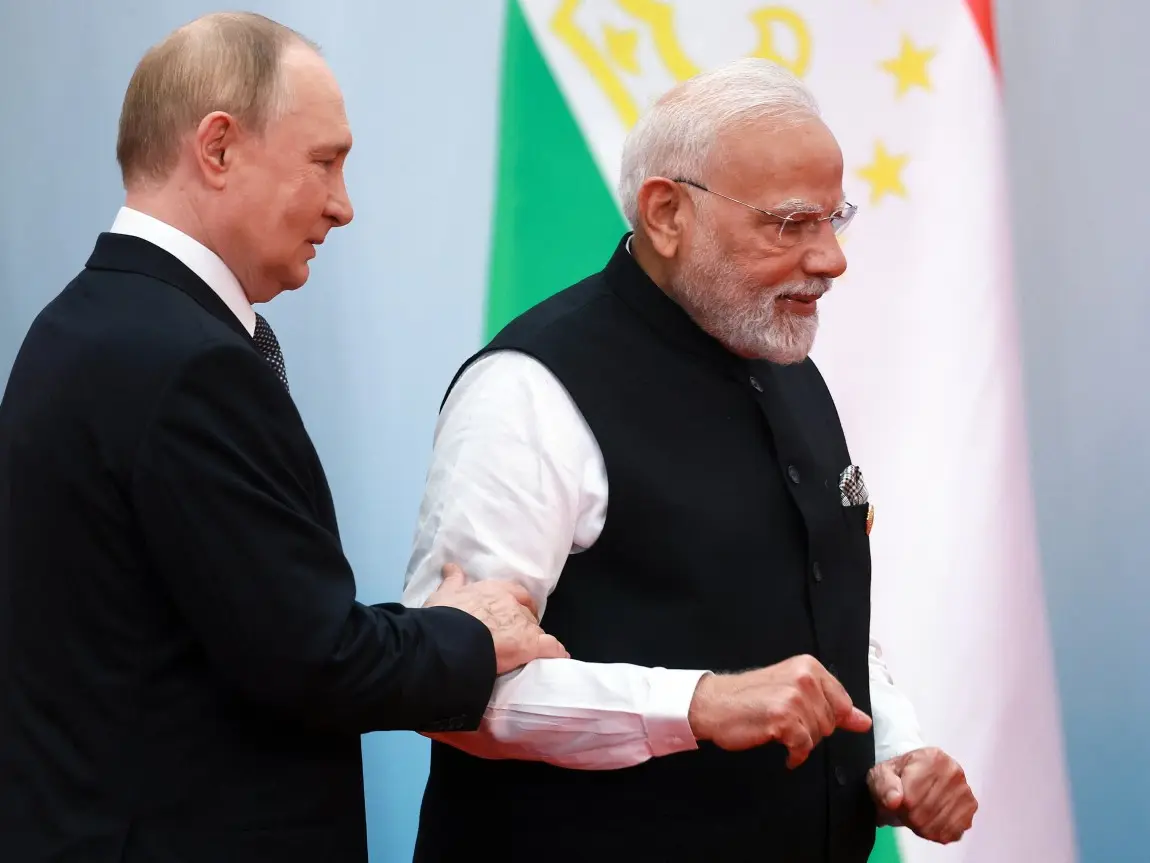
When Vladimir Putin lands in New Delhi on 4–5 December for the 23rd India–Russia Annual Summit, it will be far more than a routine diplomatic engagement. This is his first trip to India since 2021, a period in which Russia has fought a war, survived unprecedented sanctions, reoriented its economy, and deepened its dependency on China. For India, the summit comes in an era defined by tariff tensions with the US, strained ties with Canada and Europe, and a volatile Asian security environment. For Russia, India is not just another partner, it is the only major power that has refused to join Western pressure campaigns, kept economic channels open, and remained politically dependable without becoming a client state.
The symbolism of Putin’s presence in New Delhi is unmistakable. But beyond the optics lies a moment of recalibration: both sides want continuity, but neither wants to appear constrained. That is why the 2025 summit will focus heavily on practical deliverables rather than grand declarations.
Energy first: The relationship that both need, but neither will admit fully
Energy is now the most strategic, and the most complicated, pillar of the India–Russia relationship. Since 2022, Russian crude has become India’s largest import stream, giving Indian refiners enormous cost advantages and helping Moscow redirect its oil away from the West. But the newest US sanctions on Rosneft and Lukoil have disrupted these flows. Not enough to break them, but enough to force a redesign of the supply chain. India is unlikely to trumpet it publicly while Putin is in Delhi, but 2026 will probably see reduced direct oil-linked transactions.
Still, neither side wants this partnership to contract. Russia wants India as a long-term buyer to avoid overdependence on China. India wants discounted crude to sustain its refinery margins and price stability. Moscow is already preparing deeper discounts, new shipping channels, and intermediary traders to keep barrels flowing.
Beyond oil, Russia wants to lock in the future of nuclear cooperation. Rosatom’s SMR push, especially after its MoU with Maharashtra, signals Russia’s intent to seed new nuclear ecosystems in India. Kudankulam’s later phases continue, but the real strategic question is whether India will approve a second Russian NPP site. India is keeping its cards close, signalling interest while simultaneously assessing offers from the US and France. Russia may have been India’s nuclear partner for decades, but the competition is now real.
Trending Stories
&imwidth=180&imheight=135&format=webp&quality=medium)
Russia-Ukraine drone attacks kill 6, injure 31 across both countries
&imwidth=180&imheight=135&format=webp&quality=medium)
Tu Hai Meri Kiran film review: Sonakshi Sinha and Zaheer Iqbal's thriller gets tangled in its own twists
&imwidth=180&imheight=135&format=webp&quality=medium)
What was the note found inside bag of Class 12 student, who set herself on fire inside Delhi school?
&imwidth=180&imheight=135&format=webp&quality=medium)
AI slop or smart strategy? South African author Coral Hart defends Her 370 AI- assisted books in 20 months
&imwidth=180&imheight=135&format=webp&quality=medium)
NEET protests: Panel to hear evidence on pellet gun use, harassment
&imwidth=180&imheight=135&format=webp&quality=medium)
'Already tired of his 9-to-5': Baby born with a moustache becomes internet sensation, video goes viral | Watch
&imwidth=180&imheight=135&format=webp&quality=medium)
'You’re a horrible little reporter, aren’t you?': Trump snaps at NBC reporter questioning his support for Ramaswamy's campaign ad
&imwidth=180&imheight=135&format=webp&quality=medium)
'If it was up to me, it wouldn't have ended like this': James Anderson opens up on Lancashire exit
&imwidth=180&imheight=135&format=webp&quality=medium)
Farooq Abdullah says Pakistan’s raising of Kashmir issue keeps pressure on Delhi
&imwidth=180&imheight=135&format=webp&quality=medium)
Pezeshkian says Iranians ‘struggling to put food on the table’ as war with US drags on
&imwidth=180&imheight=135&format=webp&quality=medium)
French Open: PV Sindhu storms into final with win over Hina Akechi
&imwidth=180&imheight=135&format=webp&quality=medium)
Train crashes into crane on São Paulo monorail line, wreckage falls onto busy road | VIDEO
&imwidth=180&imheight=135&format=webp&quality=medium)
Bodies of 2 missing Japanese climbers recovered from Himalayan peak
&imwidth=180&imheight=135&format=webp&quality=medium)
Saudi says debris fell in Mecca, Medina after missile interceptions; Houthis deny targeting holy cities
&imwidth=180&imheight=135&format=webp&quality=medium)
An AI that reads your face can now estimate how long you have to live
&imwidth=180&imheight=135&format=webp&quality=medium)
Can Putin cheat death? All about his daughter’s billion-dollar quest for immortality
&imwidth=180&imheight=135&format=webp&quality=medium)
Pakistan airline PIA unveils new crew uniforms, faces online criticism
&imwidth=180&imheight=135&format=webp&quality=medium)
Nagpur man fails to pay rent, allegedly prints fake Rs 500 notes worth Rs 37 lakh
&imwidth=180&imheight=135&format=webp&quality=medium)
J-20 designers plan to put radar into aircraft wing; strategy to expand coverage during air combat
&im=FitAndFill=(700,400)&imwidth=180&imheight=135&format=webp&quality=medium)
New Friday OTT releases (October 23, 2026): Gajab Raat, Dorothy, Chaar Yaar- Watch these 6 new movies and TV shows on Netflix, Prime Video and more
&imwidth=180&imheight=135&format=webp&quality=medium)
Frontier AIs keep escaping their test cages! The industry still can't reliably stop them
&imwidth=180&imheight=135&format=webp&quality=medium)
‘Maybe play one more season’: MS Dhoni to decide on his IPL future before December
&imwidth=180&imheight=135&format=webp&quality=medium)
‘Modi ka baap bhi jayega,’ Kharge loses cool at party event in Patna; BJP slams him
&imwidth=180&imheight=135&format=webp&quality=medium)
Viral video shows cross falling on Colombia priest, no official confirmation | WATCH
&imwidth=180&imheight=135&format=webp&quality=medium)
Chorbagan stampede: A week later, the strangest visarjan Kolkata has seen
&imwidth=180&imheight=135&format=webp&quality=medium)
China's dancing robot turns violent bodyguard, lifts cars and fights intruders - Watch
&imwidth=180&imheight=135&format=webp&quality=medium)
‘Saddam Hussein opened a cheesecake factory’: Obama mocks Trump’s White House renovations; defends Abdul El-Sayed
&imwidth=180&imheight=135&format=webp&quality=medium)
France protests: 135 arrested, weapons seized as fresh demonstrations erupt amid heavy security
&imwidth=180&imheight=135&format=webp&quality=medium)
'Killing people never allowed': Elon Musk admits restricting Starlink in Ukraine, explains why
&imwidth=180&imheight=135&format=webp&quality=medium)
Telangana unveils AI avatar of IT minister D Sridhar Babu at Hyderabad DevFest 2026
&imwidth=180&imheight=135&format=webp&quality=medium)
Shilpa Rao’s performance cut short at Mumbai event, organisers react to backlash
&imwidth=180&imheight=135&format=webp&quality=medium)
Britain is building the world's first AI biosecurity lab, with OpenAI and Anthropic inside
&imwidth=180&imheight=135&format=webp&quality=medium)
Why Europe’s protests are about more than austerity and rising costs
&imwidth=180&imheight=135&format=webp&quality=medium)
WATCH: Thousands across Manipur bang plates, beat drums in "noise protest"
&imwidth=180&imheight=135&format=webp&quality=medium)
AI just found a flaw in software running most of the web! One request hijacks the server
&imwidth=180&imheight=135&format=webp&quality=medium)
Spanish reporter swept by giant wave while reporting on dangerous sea conditions | WATCH
Defence ties: Back from the brink, but quietly
India–Russia defence cooperation is back in motion after a period of doubt from 2022 to 2024. But unlike the past, this revival is happening quietly and pragmatically. A follow-on order for the S-400 seems likely, especially after their performance in Operation Sindoor — but deliveries may still face delays due to Russia’s domestic demands. The more dramatic headlines, however, are the systems India has long been cautious about: The S-500 air defence system, the Su-57 fifth-generation fighter, the S-500 remains a long-term possibility. Russia has barely inducted the system itself, making exports unlikely in the near future.
The Su-57E, however, is a different story. Ironically, India once walked out of the FGFA programme citing poor stealth characteristics and inadequate tech transfer. But today, with squadron strength low and timelines slipping across all major fighter programmes, the IAF is willing to reconsider, if the deal comes with real autonomy.
Trade, industry and connectivity
Trade is the weakest link in the India–Russia relationship, and both sides know it. India’s exports to Russia remain disproportionately low, creating a structural imbalance and complicating currency settlement mechanisms. Russia, for its part, is now actively opening its markets to Indian products, from pharmaceuticals and chemicals to agriculture, telecom equipment, and machinery.
The summit is expected to unveil measures targeting this imbalance: easier Russian market access for Indian MSMEs,
faster progress on the India–EAEU trade agreement, more predictable currency routes, and smoother customs procedures. Financial architecture is another area of accelerated integration.
A Russian Central Bank office in India will deepen settlements and reduce sanctions vulnerability. More Russian banks operating locally will further stabilise payments. Industrial cooperation is expanding too, and in unexpected directions. India will announce a new urea manufacturing plant in Russia to secure fertiliser supply. HAL and UAC are pushing the SJ-100 passenger aircraft collaboration. And Russia is making a strong pitch for maritime cooperation: shipbuilding clusters in Mumbai and Chennai, joint icebreakers, green shipping, and ocean research. This is an India–Russia relationship diversifying beyond its old pillars, but carefully, and away from the spotlight.
What the 2025 Summit will likely deliver
1. A redesigned energy roadmap
- New oil supply chains to bypass US restrictions.
- Higher, formalised Russian discounts.
- Progress on SMRs and nuclear localisation.
2. Quiet defence breakthroughs
- Follow-on S-400 missile purchases.
- A serious India–Russia line of communication on the Su-57E.
- A framework — not a contract — for future S-500 cooperation.
3. Trade and financial integration
- Russian commitments to expand imports from India.
- Faster movement on the India–EAEU trade pact.
- Roadmap for rupee–rouble trade corridors.
4. Big industrial announcements
- India’s urea plant in Russia.
- SJ-100 aircraft partnership expansion.
- Shipbuilding clusters and maritime training programmes.
5. A political message to the world
In a world reshaped by US tariffs, a fracturing Europe, and a tense US–China dynamic, Putin’s Delhi visit is intended to broadcast one message: The India–Russia partnership remains resilient, adaptable, and resistant to external pressure.

