

&imwidth=800&imheight=600&format=webp&quality=medium "India must pivot from ‘copy-paste’ startups to true innovation, says ShareKhan founder Shripal Morakhia")
In an era where "disruption" is often just a marketing buzzword for rebranding existing western models, Shripal Morakhia stands as a rare architect of original Indian ecosystems. The man who gave India its first sophisticated retail brokerage with ShareKhan and pioneered age-agnostic immersive gaming with Smaaash is now looking at a horizon dominated by Artificial Intelligence and his verdict for the Indian startup ecosystem is sobering.
Morakhia argues that India’s current startup boom is largely built on a "brick-and-click" illusion. We are, in his view, currently "buying second-hand clothes, rebranding them, and selling them as new." While the country celebrates billion-dollar valuations in quick-commerce and food delivery, Morakhia points to a glaring void in deep-tech, robotics, and hardware.
"Where is the startup that makes you feel proud because you didn’t exploit anyone except your brain to create something unique?" he asks. He notes that while US and China are locked in an AI arms race, India is focused on "value addition" of 15-20 per cent assembling phones rather than designing the chips that power them.
Drawing from his experience of surviving the Dot-com crash, Morakhia warns of a massive correction in the AI space unless companies can show a clear path to profitability. He offers a provocative assessment of the global landscape: while the US may lead in Large Language Models (LLMs), China is "far superior" in application and cost-efficiency.
Interestingly, Morakhia is putting his theories into practice. He is currently 95 per cent complete with a "Jungle Book" film created entirely through AI. Bypassing expensive US software, he utilised Chinese AI applications to achieve high-end results at a fraction of the cost, proving that the future of creativity lies in "knowing what to talk to the AI about," rather than just technical coding.
The Entrepreneur’s Burden
Trending Stories
&imwidth=180&imheight=135&format=webp&quality=medium)
Dhurandhar: The Revenge album submitted for Grammy consideration; But what does it mean?
&imwidth=180&imheight=135&format=webp&quality=medium)
'I ended 8 wars': Trump slams Nobel Peace prize decision, claims award was his due
&imwidth=180&imheight=135&format=webp&quality=medium)
Adéla gives KATSEYE’s Lara Raj and Megan Skendiel a shout-out at Fonda Theatre in LA
&imwidth=180&imheight=135&format=webp&quality=medium)
Shreyas Iyer blames dew for West Indies' record run chase in 2nd T20I in Ranchi
&imwidth=180&imheight=135&format=webp&quality=medium)
UK navy hit by espionage scandal: Sailor accused of spying for Russia | Gravitas
&imwidth=180&imheight=135&format=webp&quality=medium)
'Jantar Mantar not the story of India': BJP's Sambit Patra claims 'anarchists' tried to hold Delhi captive
&imwidth=180&imheight=135&format=webp&quality=medium)
New York protests erupt as Trump administration defends ICE shooting
&im=FitAndFill=(700,400)&imwidth=180&imheight=135&format=webp&quality=medium)
Happy Birthday Rekha: Watch these 7 evergreen Bollywood hits on Netflix, Prime Video and more
&imwidth=180&imheight=135&format=webp&quality=medium)
'Ouch!!! That must hurt': Kangana Ranaut hails Kamal Haasan's sharp reply to Elon Musk over Starlink row
&imwidth=180&imheight=135&format=webp&quality=medium)
Panama president declares ‘major disaster’ after powerful 7.7-magnitude earthquake; over 80 aftershocks recorded
&imwidth=180&imheight=135&format=webp&quality=medium)
Rahul Gandhi calls Modi, Shah ‘cowards’ amid CJP protest crackdown in Delhi

Kamal Haasan slams Elon Musk over Starlink delay row: 'Indian people, will decide our own future - not Western'
&imwidth=180&imheight=135&format=webp&quality=medium)
Two-thirds of competitive GOP candidates split with trump ahead of November midterms
&imwidth=180&imheight=135&format=webp&quality=medium)
'I am not going to be watching it': JD Vance on livestream of Nidal Hasan's firing squad execution
&imwidth=180&imheight=135&format=webp&quality=medium)
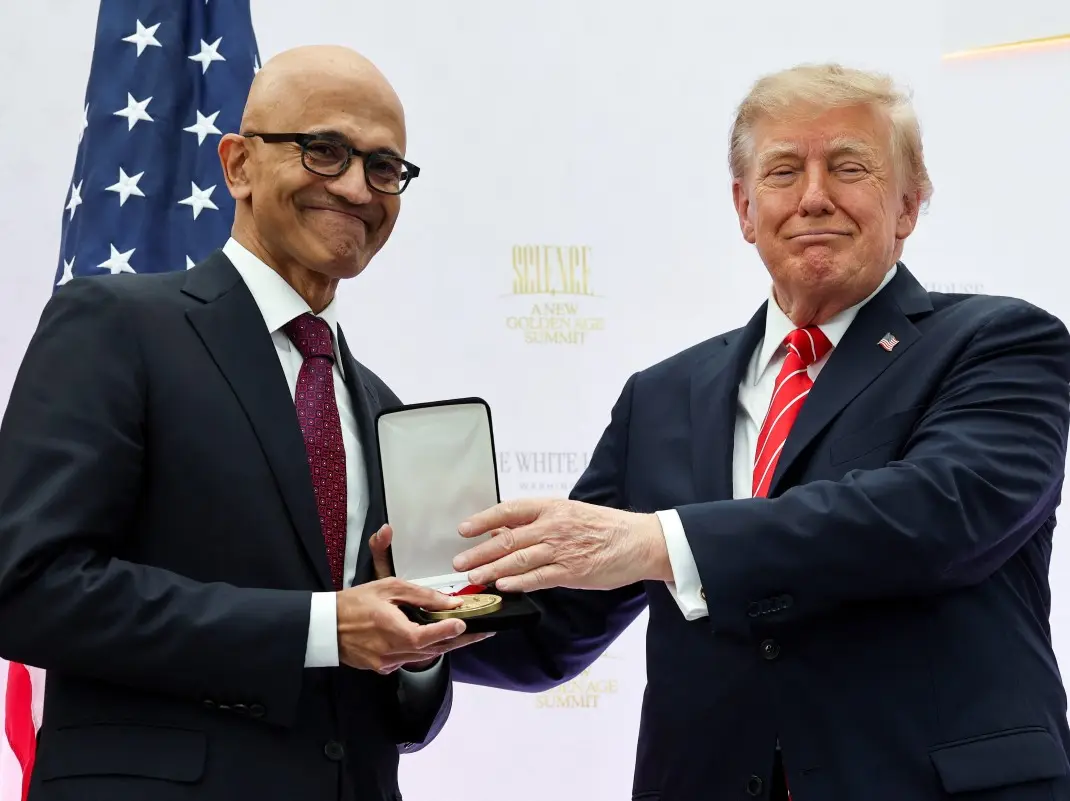
Trump honours Microsoft CEO Satya Nadella with top technology honour amid immigration scrutiny
&imwidth=180&imheight=135&format=webp&quality=medium)
Why was CJP founder Abhijeet Dipke detained? What Delhi Police said
&imwidth=180&imheight=135&format=webp&quality=medium)
SC questions closure of 57 Delhi Metro stations, asks Centre to resume services in regulated manner
&imwidth=180&imheight=135&format=webp&quality=medium)
Thai queen becomes first reigning monarch to fly jet solothailand #queen #wion
&imwidth=180&imheight=135&format=webp&quality=medium)
Flydubai co-pilot developed extremist views while studying in Australia: UAE prosecutors
&imwidth=180&imheight=135&format=webp&quality=medium)
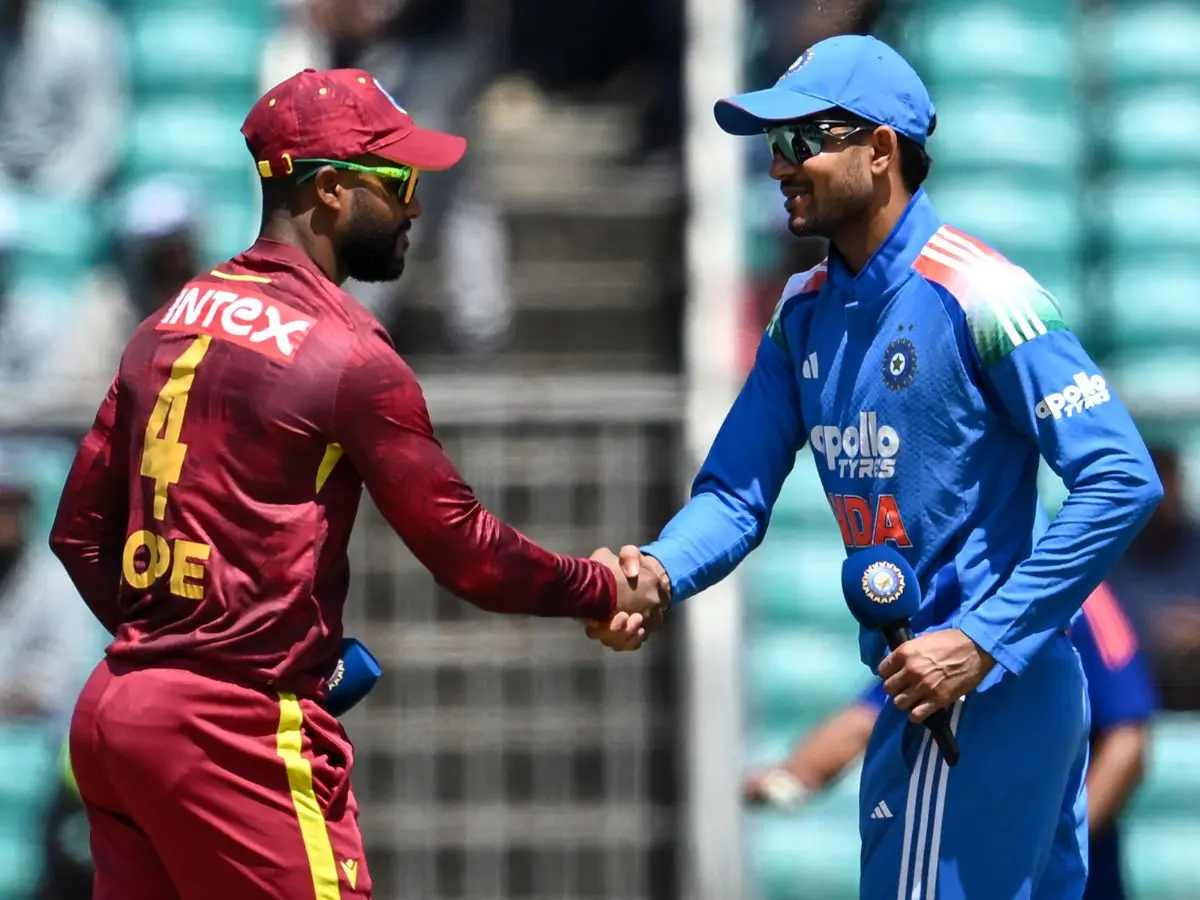
‘250? Cool.’: Shai Hope takes swipe at Shubman Gill’s Instagram caption after Ranchi T20I masterclass
&imwidth=180&imheight=135&format=webp&quality=medium)
Ryan Reynolds’ private messages reveal his blunt views on Justin Baldoni from Blake Lively’s legal case
&im=FitAndFill=(700,400)&imwidth=180&imheight=135&format=webp&quality=medium)
Rakul Preet Singh birthday special: 7 times the Ramayana actress served glamorous looks
&imwidth=180&imheight=135&format=webp&quality=medium)
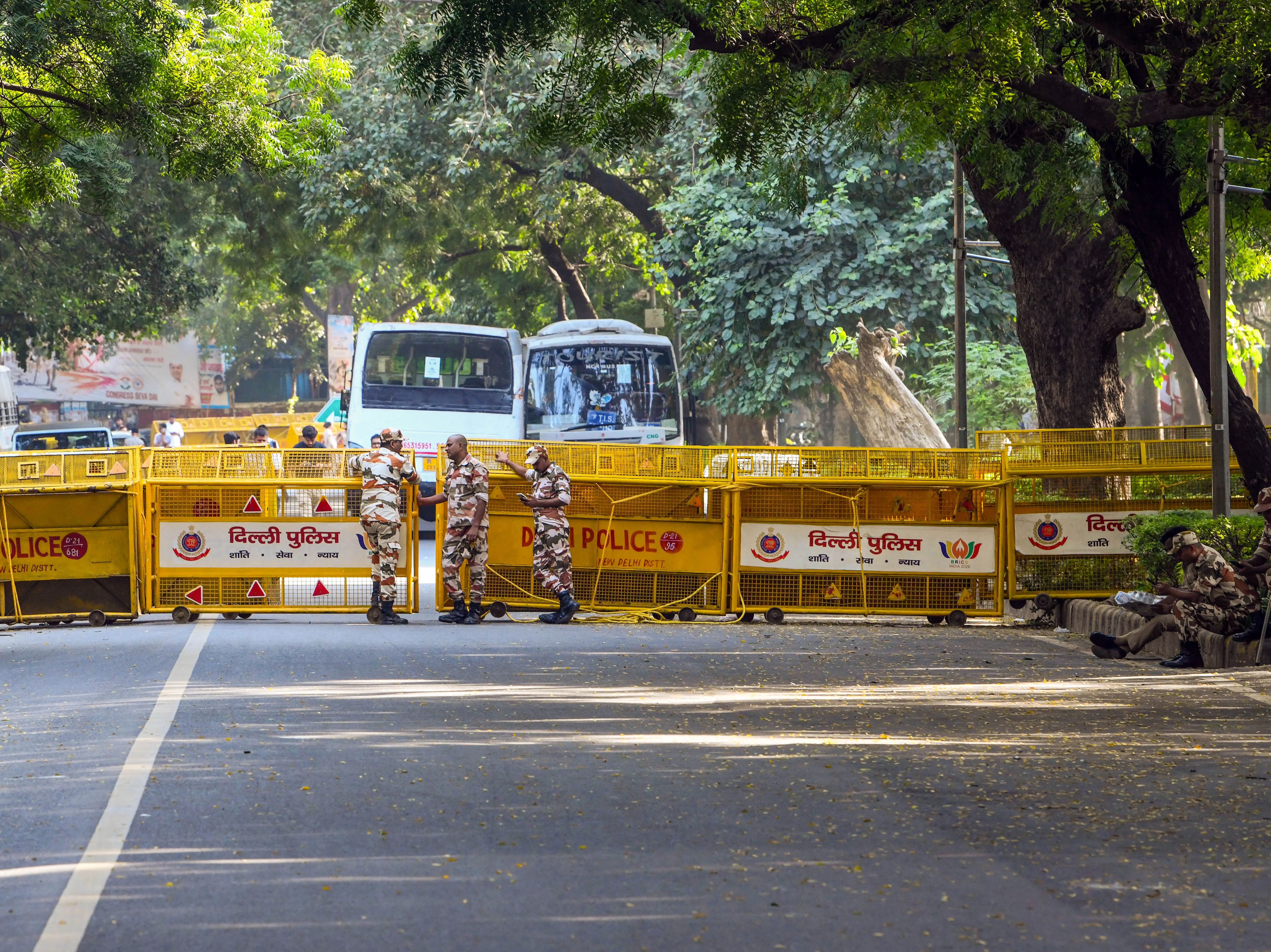
Delhi protest: Metro curbs, train cancellations, traffic diversions as protesters seek CEC Gyanesh Kumar’s resignation
&imwidth=180&imheight=135&format=webp&quality=medium)
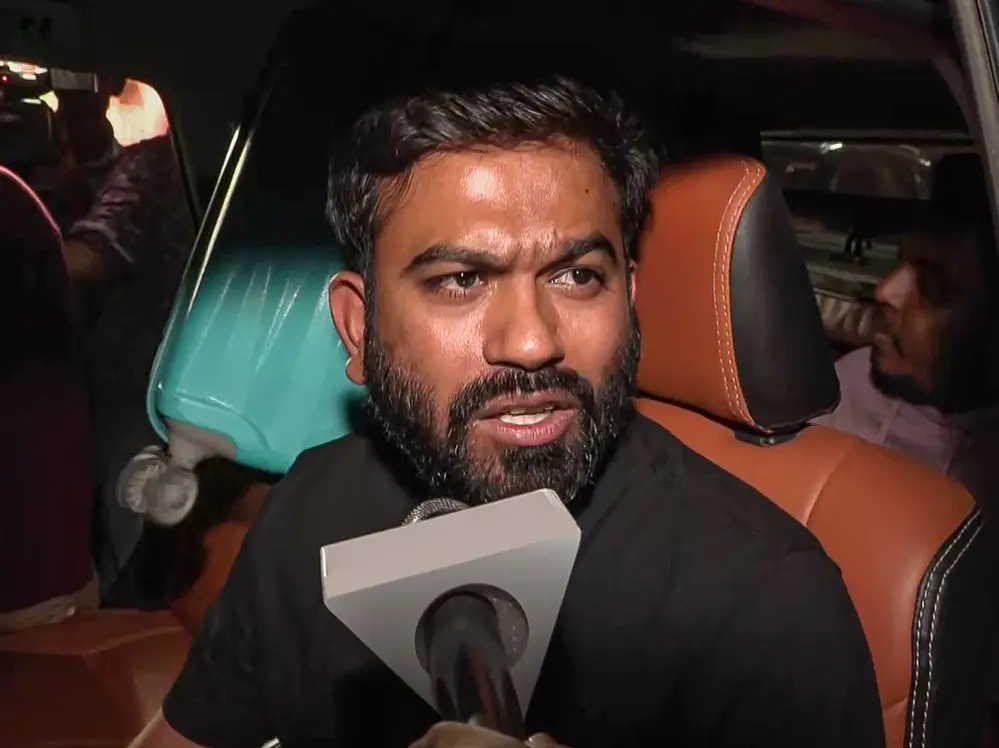
'Modi is a dictator': Abhijeet Dipke claims govt 'scared' of youth, slams stringent measures ahead of CJP Jantar Mantar protest
&imwidth=180&imheight=135&format=webp&quality=medium)
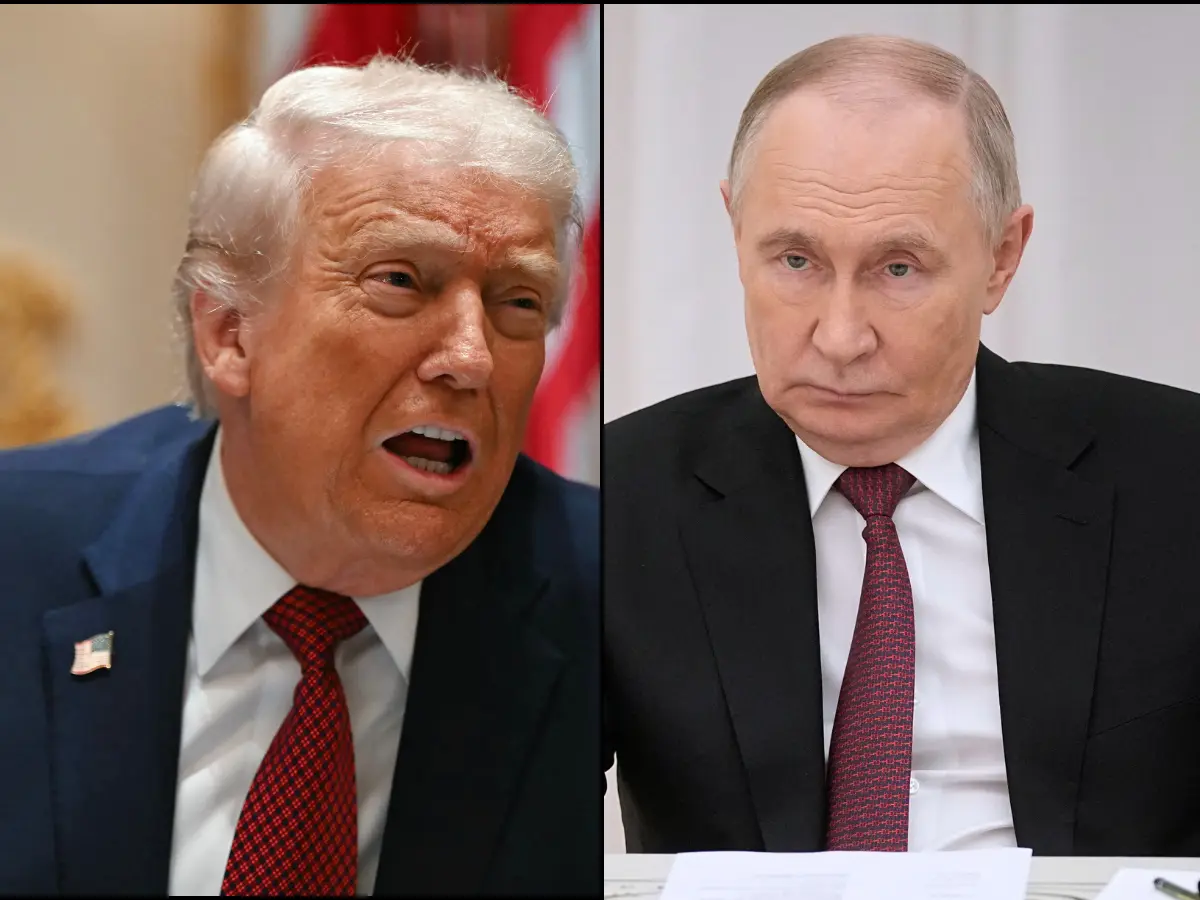
Trump announces Russian diesel deal as Zelensky criticises move
&imwidth=180&imheight=135&format=webp&quality=medium)
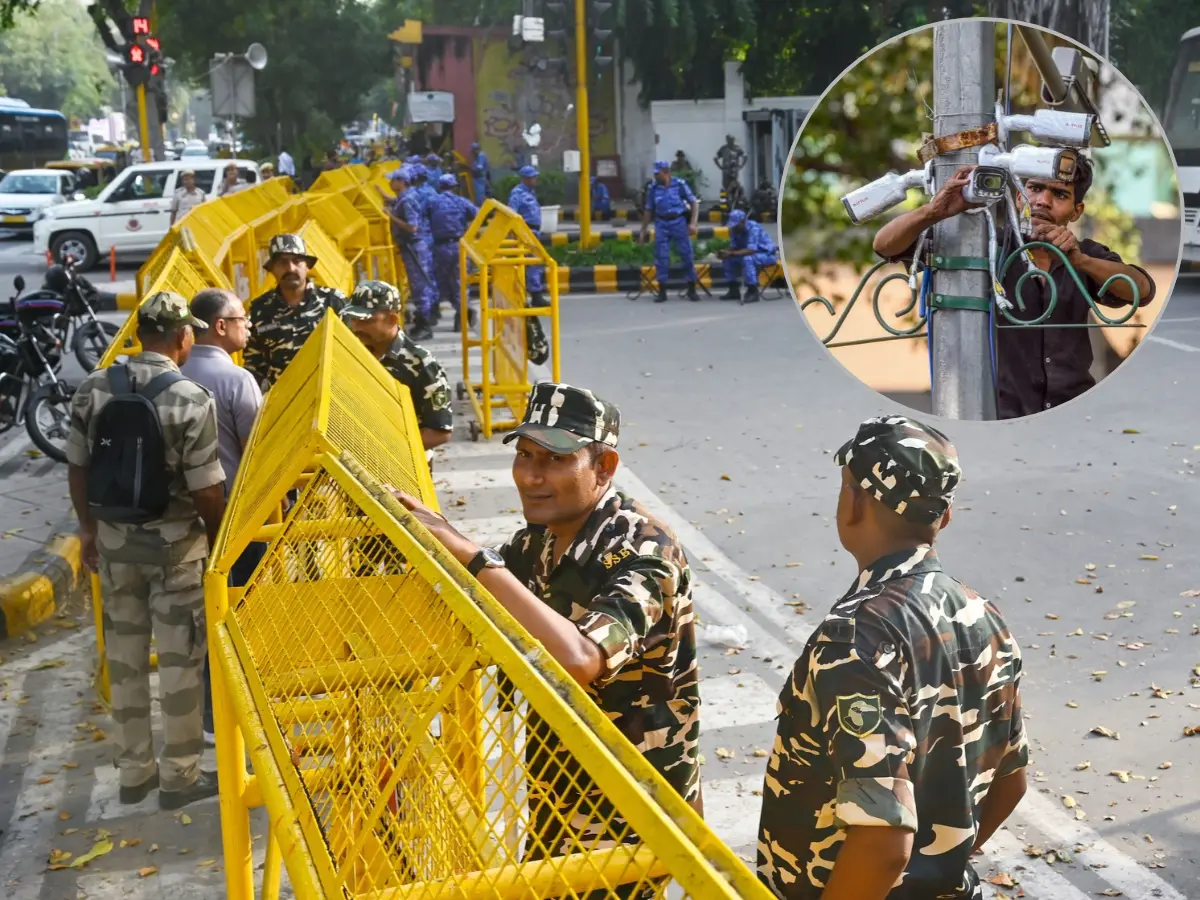
‘Right to protest must be protected, but...’: Delhi Police reveals why it denied CJP permission for October 10 Jantar Mantar protest
&imwidth=180&imheight=135&format=webp&quality=medium)
'Spent Rs 2,000 cr to elect Trump': Elon Musk bought US President's loyalty by writing the biggest political cheque in human history
&im=FitAndFill=(700,400)&imwidth=180&imheight=135&format=webp&quality=medium)
New Friday OTT releases (October 9, 2026): Reporting Live, Animals, Take Charge of My Heart- 6 new titles coming on Netflix, JioHotstar and more
&imwidth=180&imheight=135&format=webp&quality=medium)
All 22 Indian seafarers safe in attack on Panama-flagged tanker off UAE coast
&imwidth=180&imheight=135&format=webp&quality=medium)
Katie Zacharia likely to succeed Karoline Leavitt as Trump's White House press secretary
&imwidth=180&imheight=135&format=webp&quality=medium)
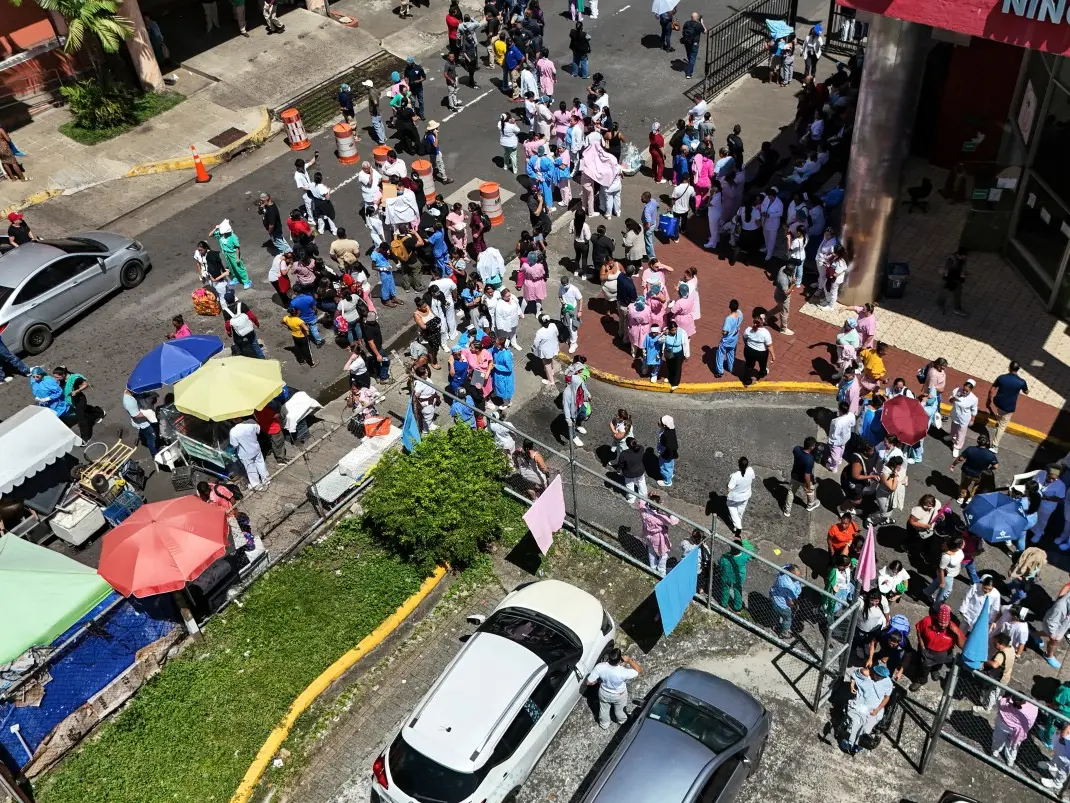
Powerful 7.7 magnitude earthquake strikes Panama, tsunami warning issued
&imwidth=180&imheight=135&format=webp&quality=medium)
Pakistan denies reports of PAF jets being used in attacks against Iran-backed Houthis in Yemen
&imwidth=180&imheight=135&format=webp&quality=medium)
J&K Government orders major police reshuffle, transfers 100 officers across UT
&imwidth=180&imheight=135&format=webp&quality=medium)
100,000 strikes in 3 years: How October 7 redefined Israel's war
&imwidth=180&imheight=135&format=webp&quality=medium)
'Even Indira Gandhi didn't do this': Abhijeet Dipke, Saurav Das and Ashutosh Ranka detained from inside their flight | Watch video
&imwidth=180&imheight=135&format=webp&quality=medium)
Delhi on high alert for CJP protest: Delhi police to use body cams to 'prove whether we did anything’; Pink Force, RAF, 35,000 personnel deployed
&im=FitAndFill=(700,400)&imwidth=180&imheight=135&format=webp&quality=medium)
Food shortages, suicide attempts and more: USS Abraham Lincoln returns to US after 321 day deployment — What happened aboard the US carrier?
&imwidth=180&imheight=135&format=webp&quality=medium)
‘Never-ending flow of cheap labour’: JD Vance hits back at Indian-origin Congresswoman over US green card curbs for major tech companies
Reflecting on his own journey, including the high-stakes battle to revive Smaaash post-COVID and his public fallout with lenders, Morakhia offers a crucial distinction for the next generation: "Be creative and bold, but don’t be emotional like I was. Be creative and logical."
He advocates for a "co-promoter" model for visionaries, ensuring that a professional partner manages the organisational debt and structure while the "creator" focuses on the vision. His most urgent advice? Never take debt on the books until the business is throwing off enough cash to repay it over a five-year cycle.
The Philosophy of Resilience: Never Say Die
This spirit of relentless persistence is the core theme of his latest book, "Never Say Die." Far from a standard business memoir, the book serves as a raw, unfiltered look at the grit required to build, lose, and rebuild in the volatile Indian market. It is a call to arms for entrepreneurs to move beyond the "copy-paste" culture and embrace the grueling, yet rewarding, path of original creation. For Morakhia, the message is simple: in the world of high-stakes innovation, the only true failure is choosing to stay down.
