India Independence: The year 1992 and how it changed India over the years

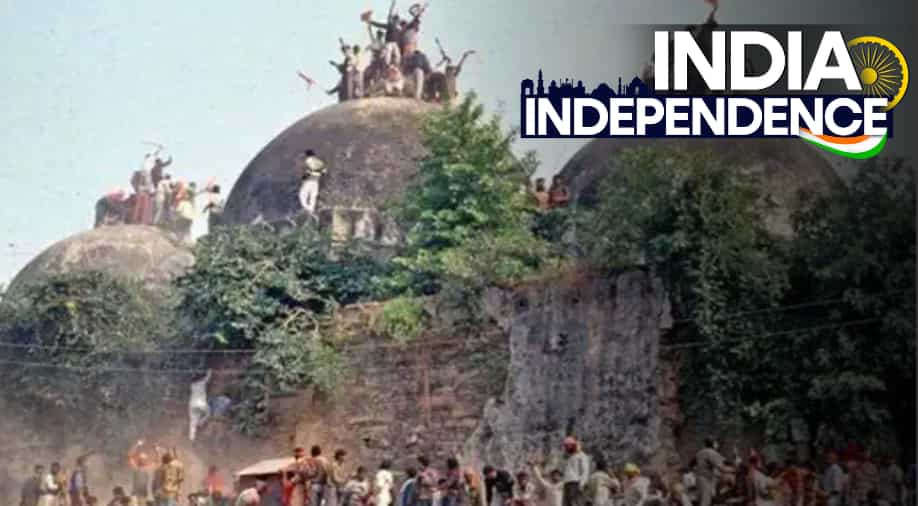
Kar sevaks after the demolition of Babri Mosque
The year 1992 was when the Babri Mosque was demolished in Ayodhya, around a 130 kilometres from Uttar Pradesh's state capital Lucknow. Hindu volunteers or 'Kar Sewaks' climbed atop the mosque and tore down the structure. BJP spearheaded the campaign called the ‘Ramjanmabhoomi’ (Lord Ram's birthplace) movement
Prior to the demolition, BJP had conducted a 'Rath Yatra' (chariot procession) across the country with its leaders to drum up support for the movement and drew huge response and crowds. For a party limited to just two seats in the 1984 elections, this movement paved the way for its future electoral victories.
The demolition divided India’s Hindus and Muslims. While Hindus wanted a grand Ram Mandir on the site, the Muslims wanted their version of justice.

A court battle that had been ongoing since Independence gained pace. Archaeological surveys, historical documents, unearthed idols – the morality of the situation, everything was discussed at length.
However, it was only in 2020 that the verdict was announced. India's Supreme Court granted the entire 2.77 acres of disputed land to Hindus.
)
US vs China over South China Sea: Washington backs Philippines, Beijing hits back
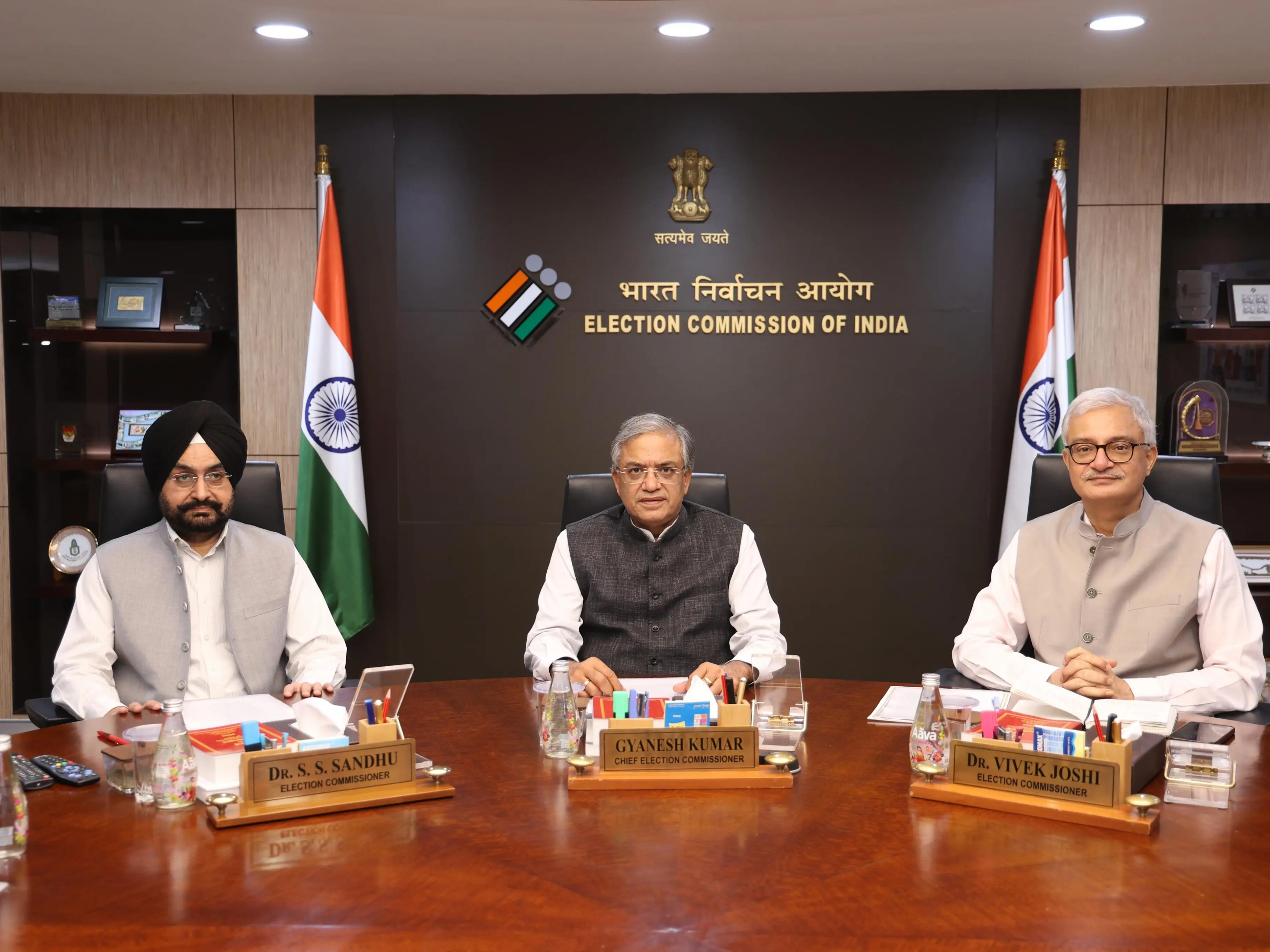)
Election Commission on 'damage control' : What do nine new decisions mean?
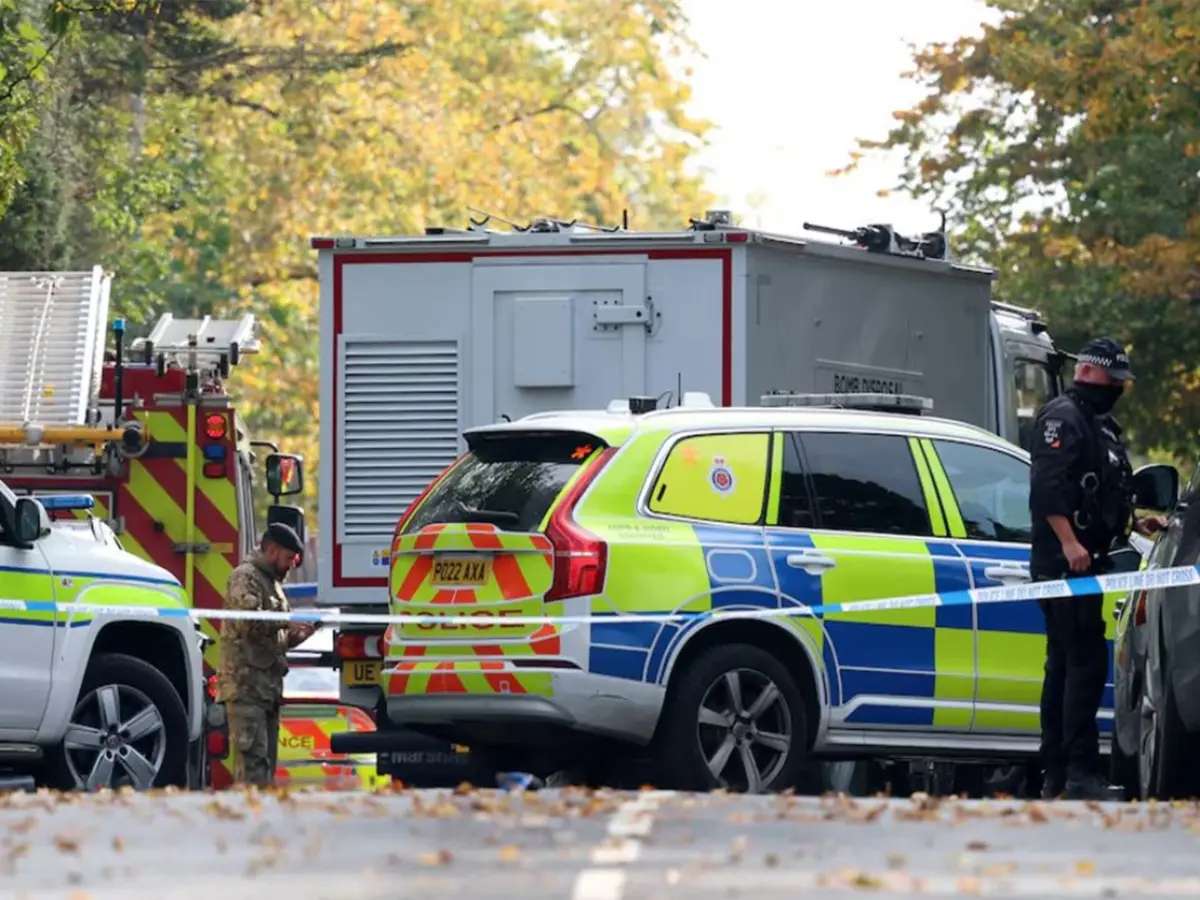)
UK police arrest several under explosives act near air base used by US forces
)
LPU students go on rampage, vandalise campus amid widespread protest: What's happening
)
OpenAI AI Agents hacked 4 websites before Hugging Face, researchers reveal
)
US Treasury Secretary Scott Bessent hails global crackdown on Iranian banks and airlines
&im=FitAndFill=(700,400))
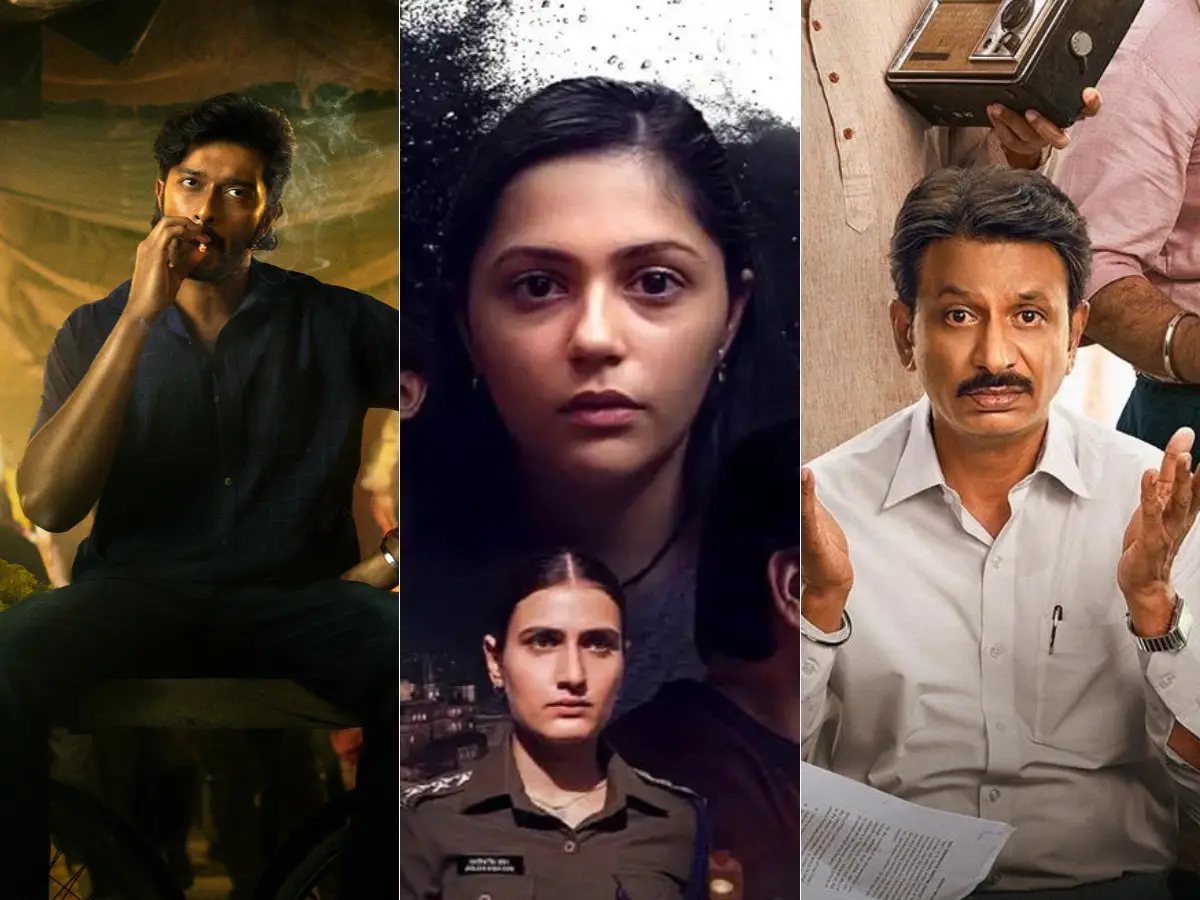
New Friday OTT releases (September 25, 2026): Don’t Be Shy, Hunkkaar: The Roar, Mango Pachcha- 6 movies and TV shows on Netflix, Prime Video and more
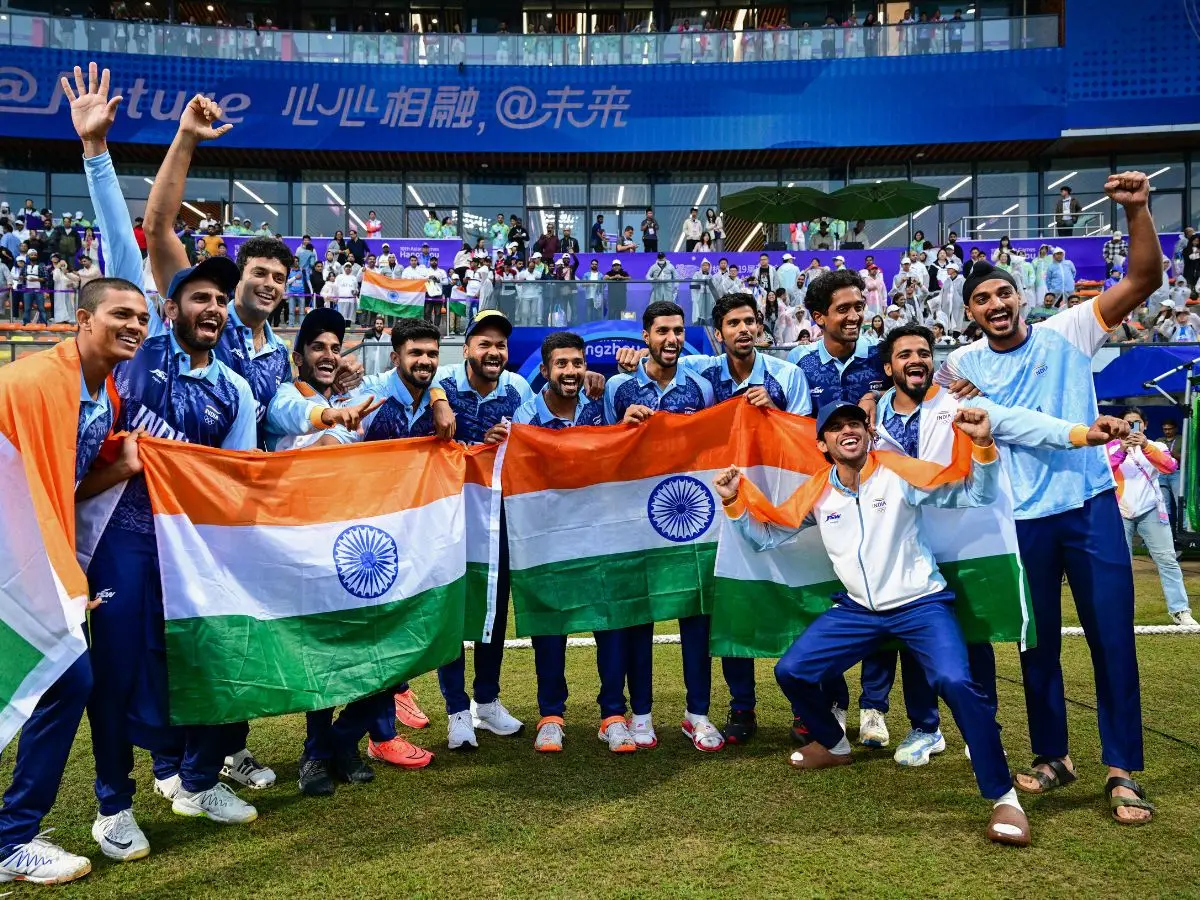)
Asian Games 2026: India face Afghanistan in quarterfinal on Sep 28; Pakistan clash with Hong Kong
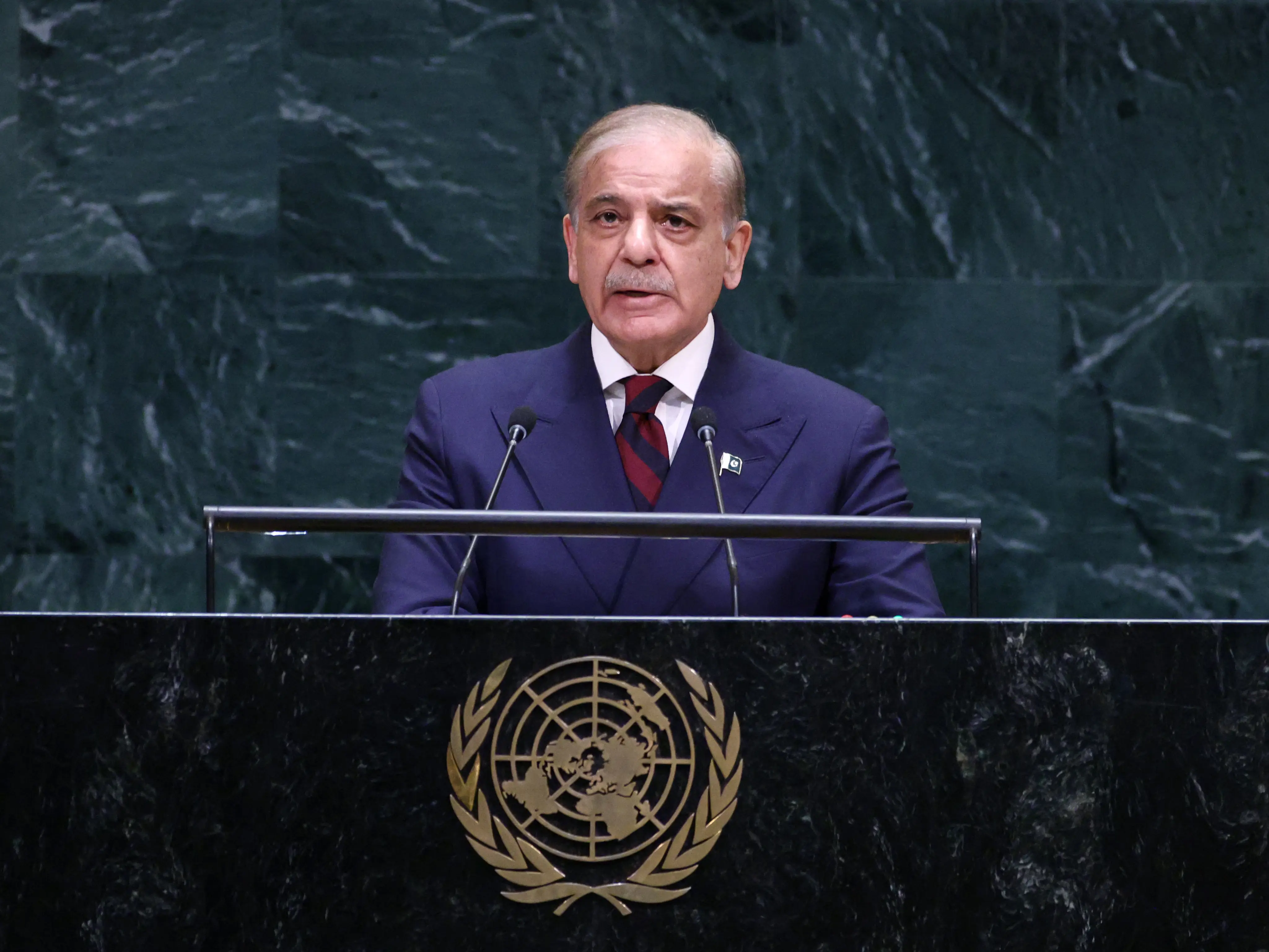)
‘Attack on Mecca a red line for Pakistan’: Shehbaz Sharif warns Houthis at UN
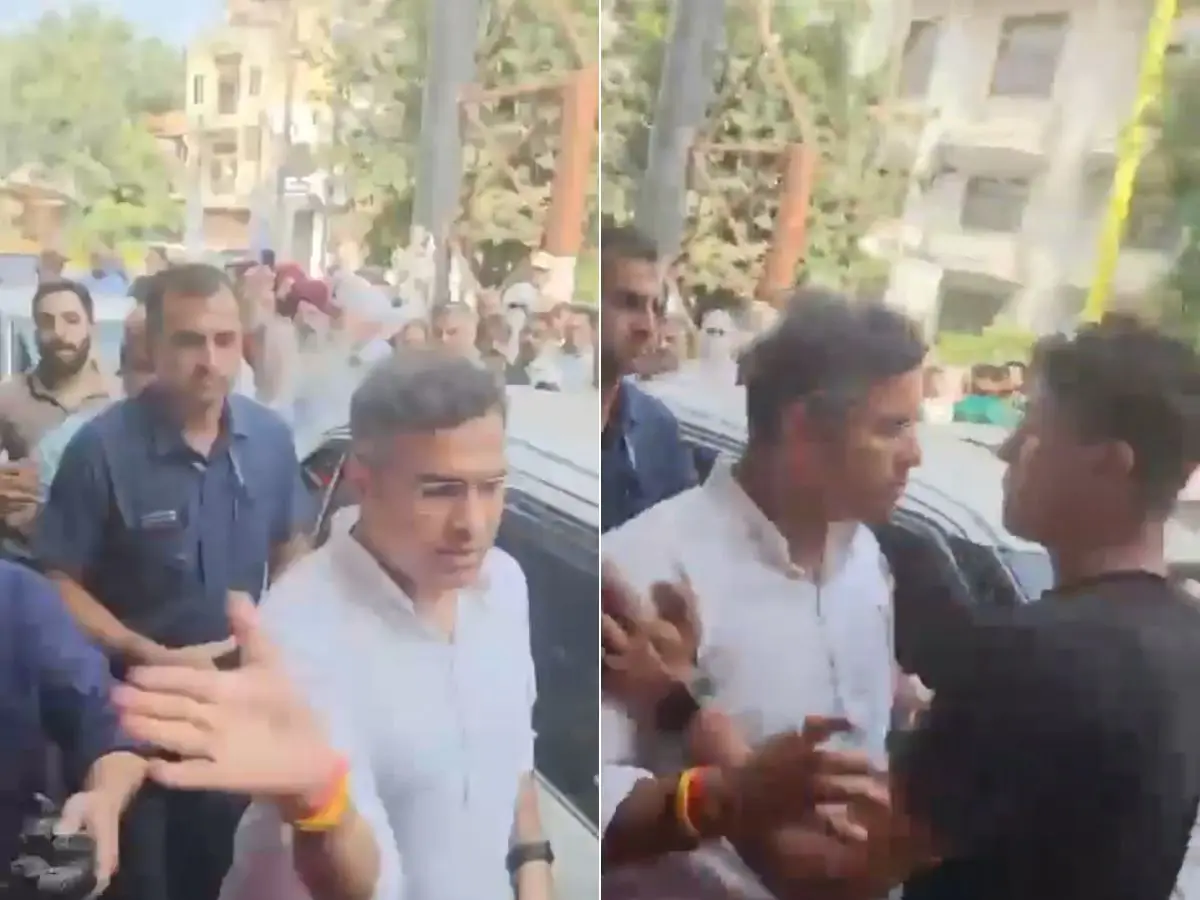)
WATCH | Delhi minister Parvesh Verma slaps man during road inspection – Here’s what happened
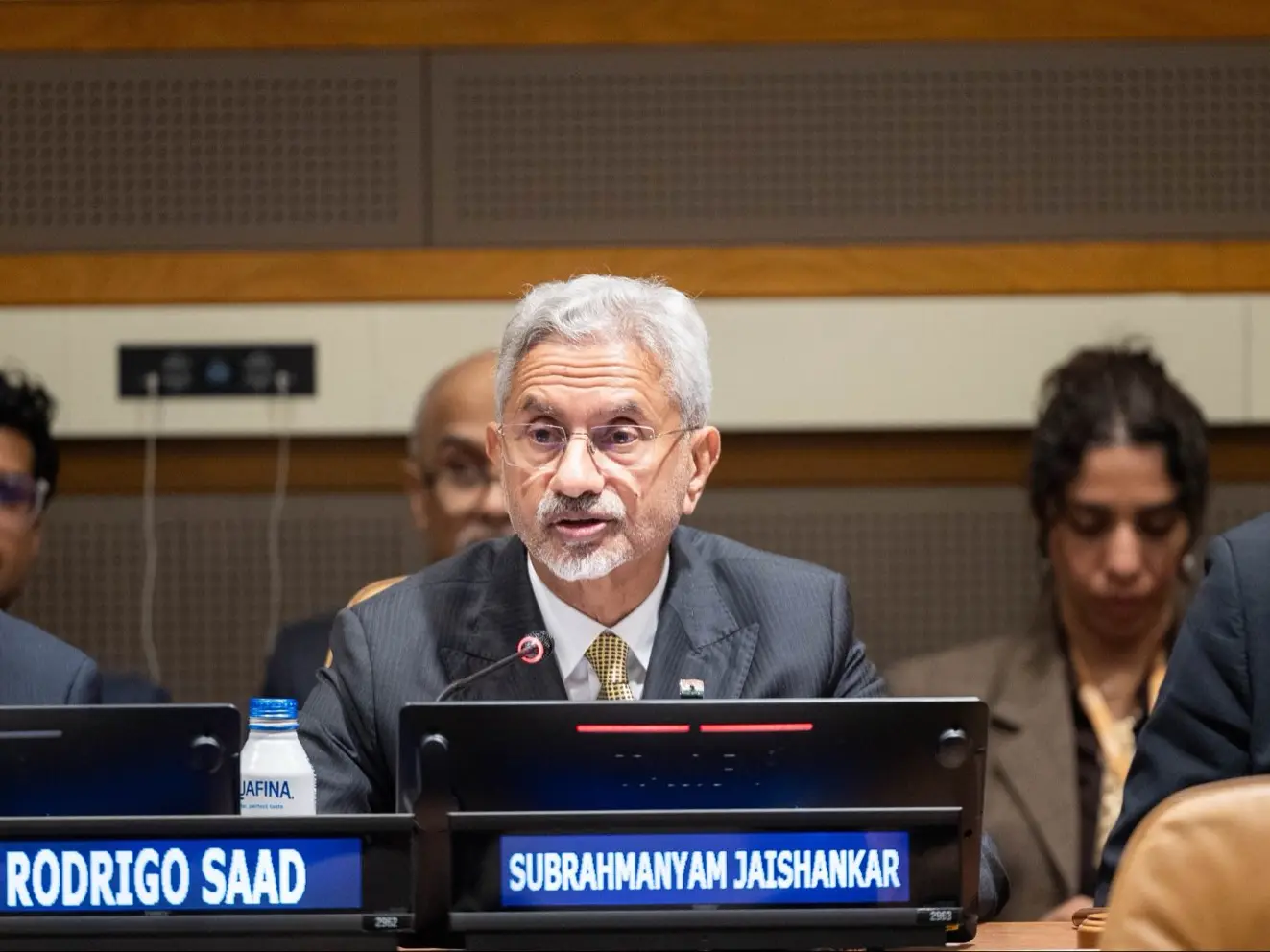)
'Countries far from conflict are penalised': Jaishankar calls for Gulf peace, seafarer safety at UN
)
Beyond metros: How Tier-2 and Tier-3 cities could drive India’s next AI wave
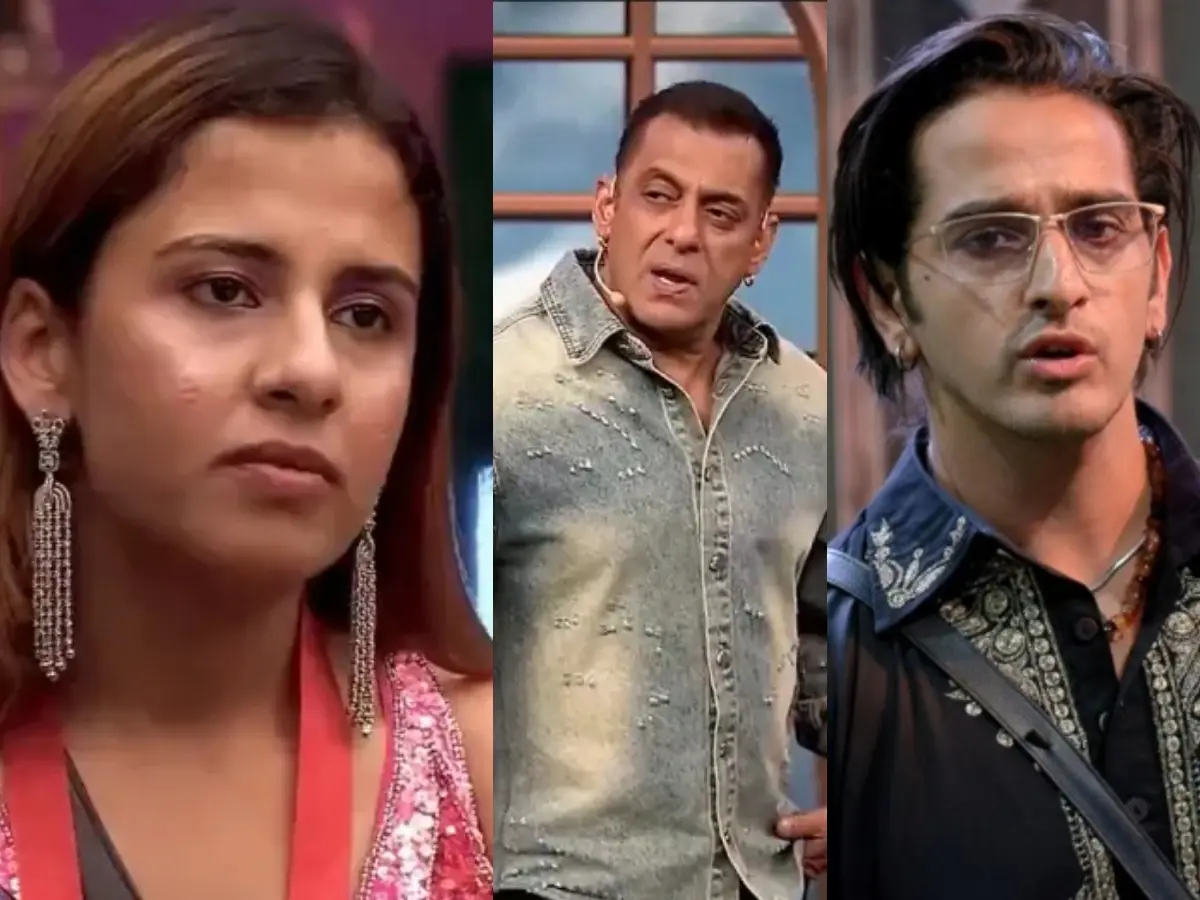)
Bigg Boss 20: Salman Khan schools Rhiti Tiwari over Qazi Touqeer clash, compares her to Dolly Bindra
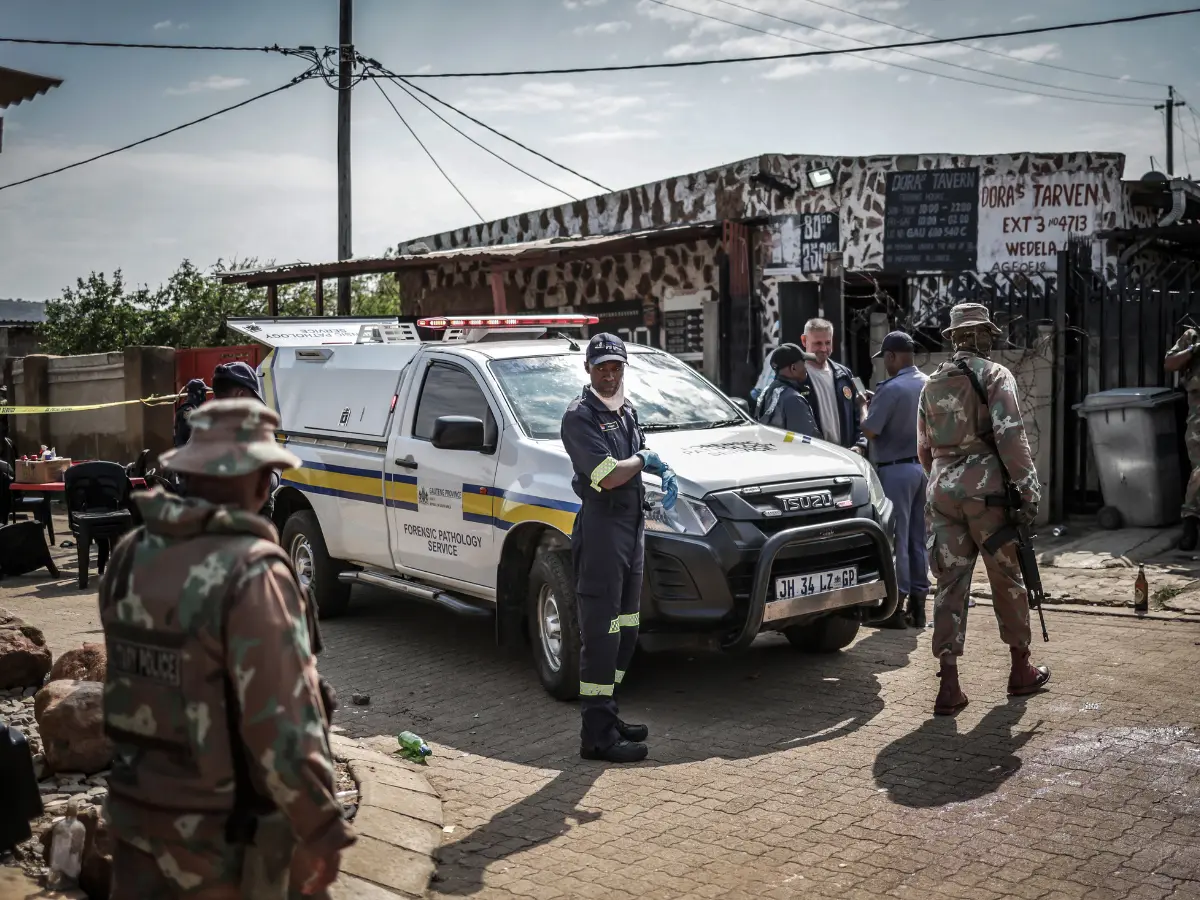)
Gunmen kill 27 in two separate mass shootings in South Africa
&im=FitAndFill=(700,400))
Humanoid robots to virtual worlds! Korean sci-fi dramas to watch: Are You Human Too?, Memories of the Alhambra and more
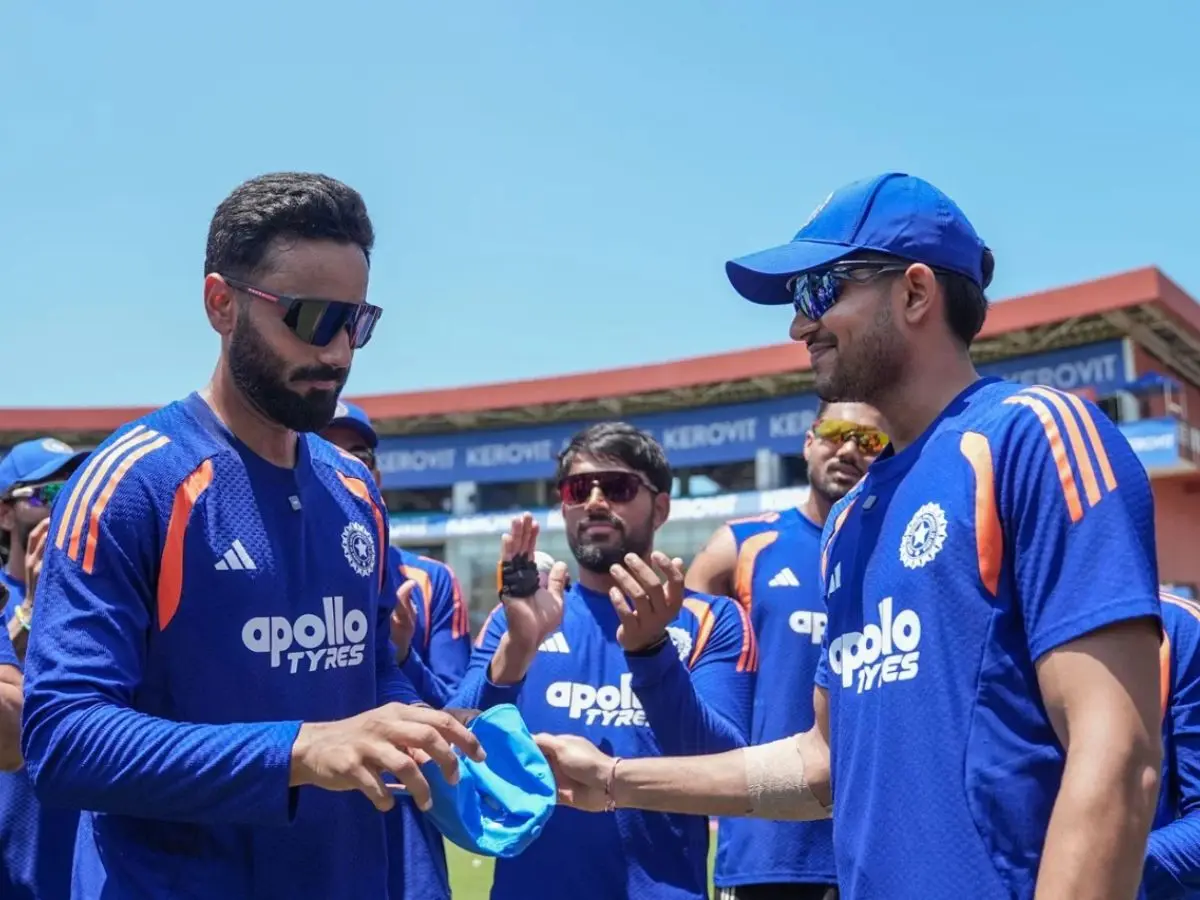)
IND vs WI 1st ODI: Naman Dhir debuts as India bowl first in Trivandrum; check playing XIs
)
‘Olympic inclusion is our major target’: WPA President Ishaun Singh on pool’s global ambitions
)
Nations League: Spain sink England at Wembley; Modric shines for Croatia
)
Two men die of suspected chemical exposure inside public toilet in Mumbai
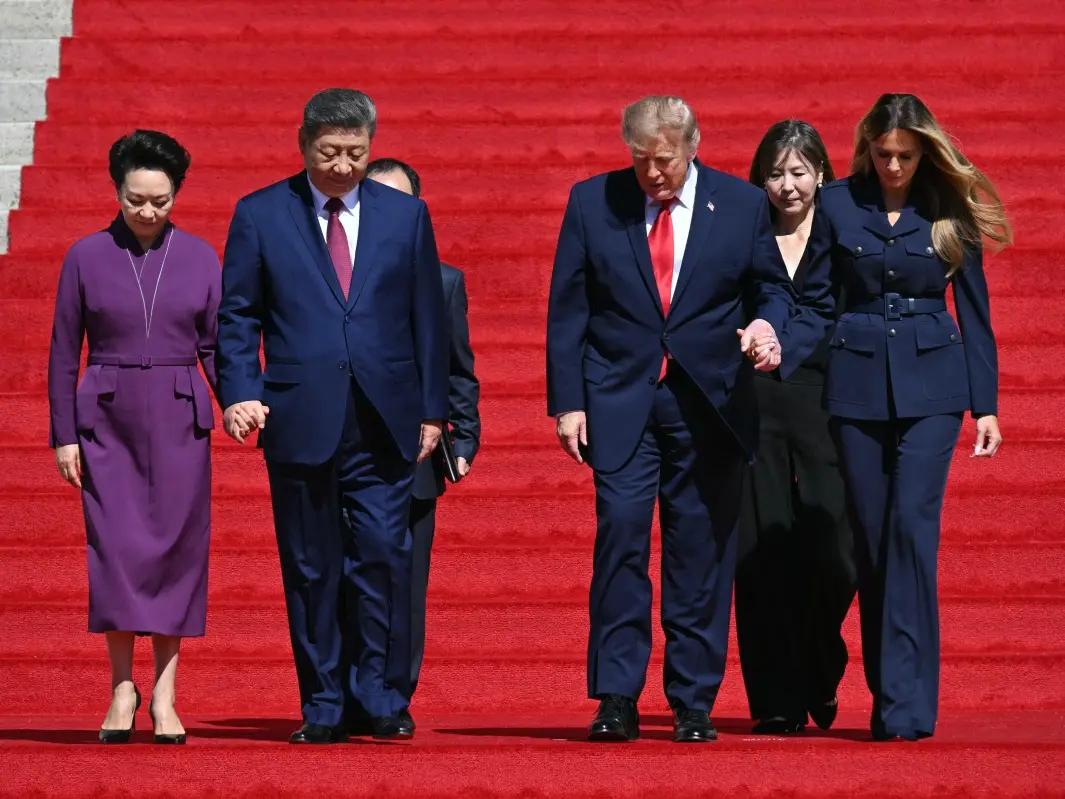)
Trump-Xi summit wrap: Big pageantry, Iran talks, few major developments and more meetings planned
)
‘Could kill billions...’: Bill Gates backs calls to slow AI development amid fears of catastrophe
)
Bollywood x K-pop crossover! LE SSERAFIM’s Kazuha charms fans with Shah Rukh Khan’s ‘Chammak Challo’ steps
)
US-Iran war: Trump rejects Iran's Hormuz proposal, reports suggest talks expected next week
)
Sri Lankan Tamil migrant worker gets death sentence in Saudi Arabia, help sought from India
)
'FIRST LOOK from inside Noah’s Ark': Researchers share video from inside mysterious mound in Turkey
)
UNSC reform momentum grows: Russia, Portugal, Mauritius push for India's permanent seat bid
)
Man arrested after his 22-year-old girlfriend dies at homestay in Guwahati; police suspect murder over suicide claim
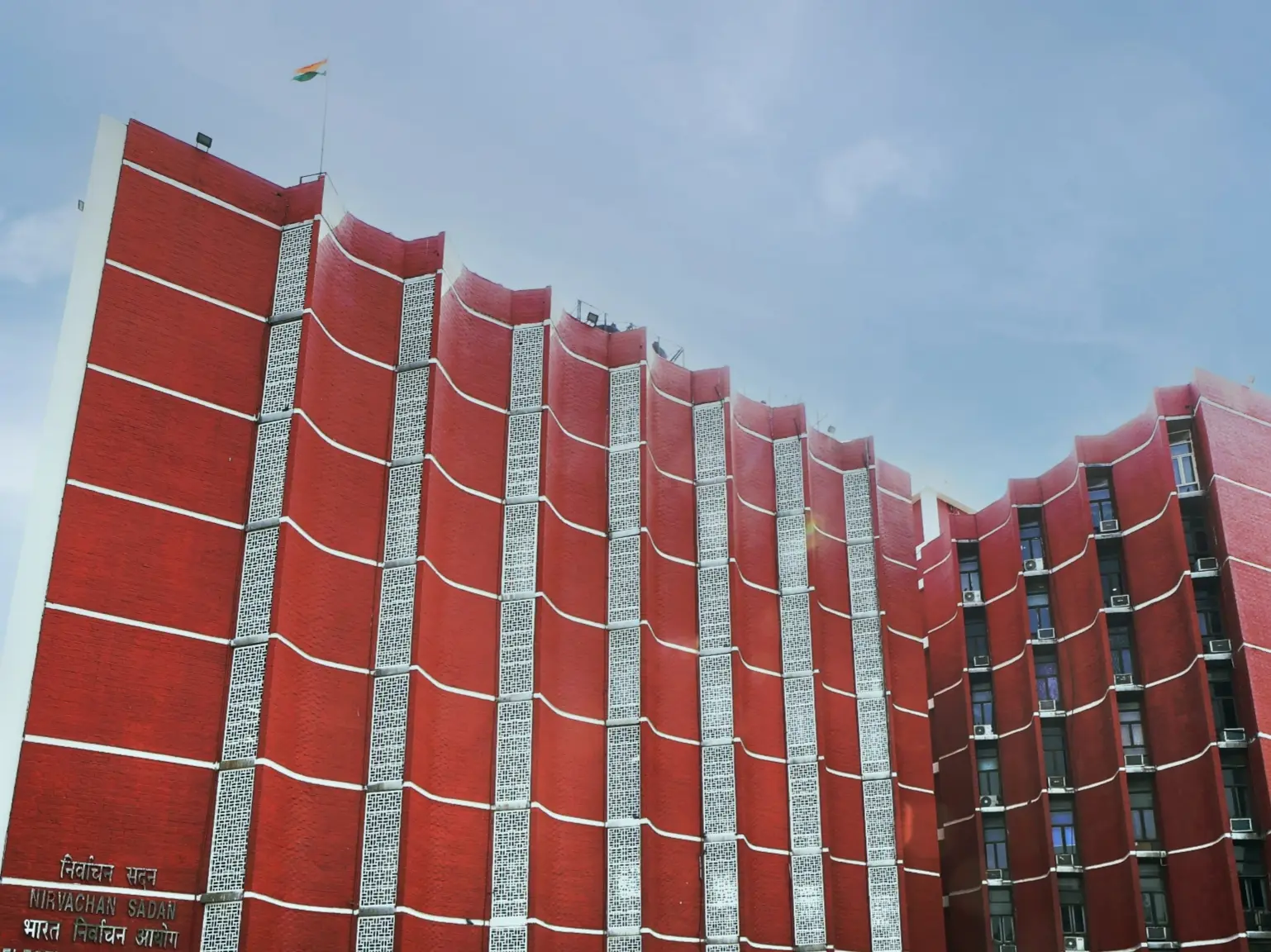)
SIR row: RTI response raises questions over EC’s claim of unanimous approval
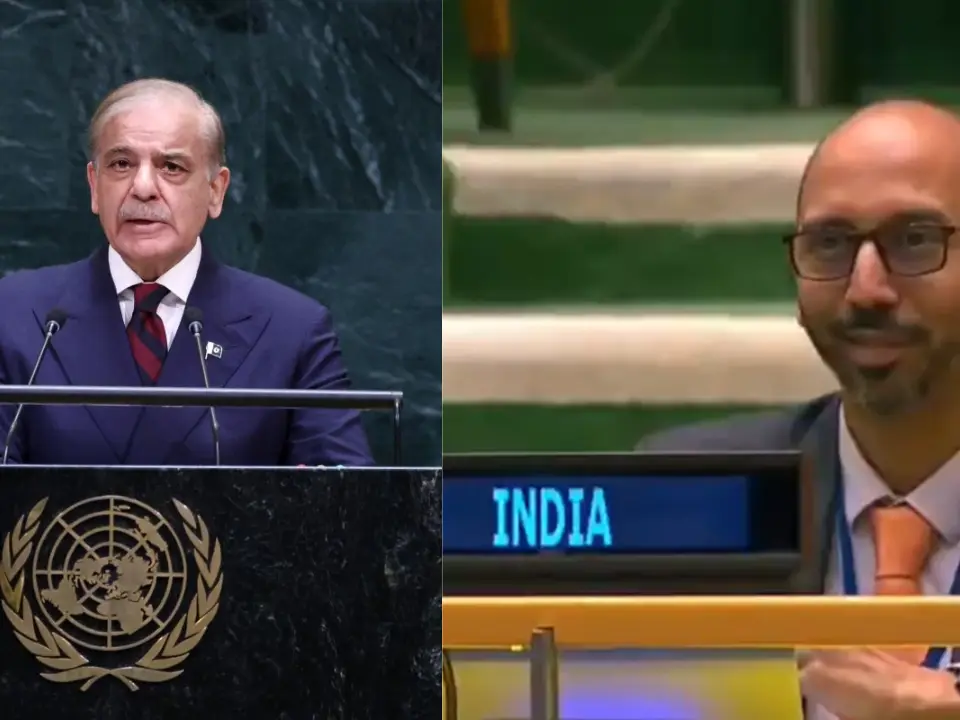)
WATCH | As Shehbaz Sharif claims Pakistan’s ‘victory’ during 2025 conflict, Indian diplomat R Srinivas laughs at UN
)
Afghanistan says 28 fighters killed in clash near Pakistan border, Islamabad denies
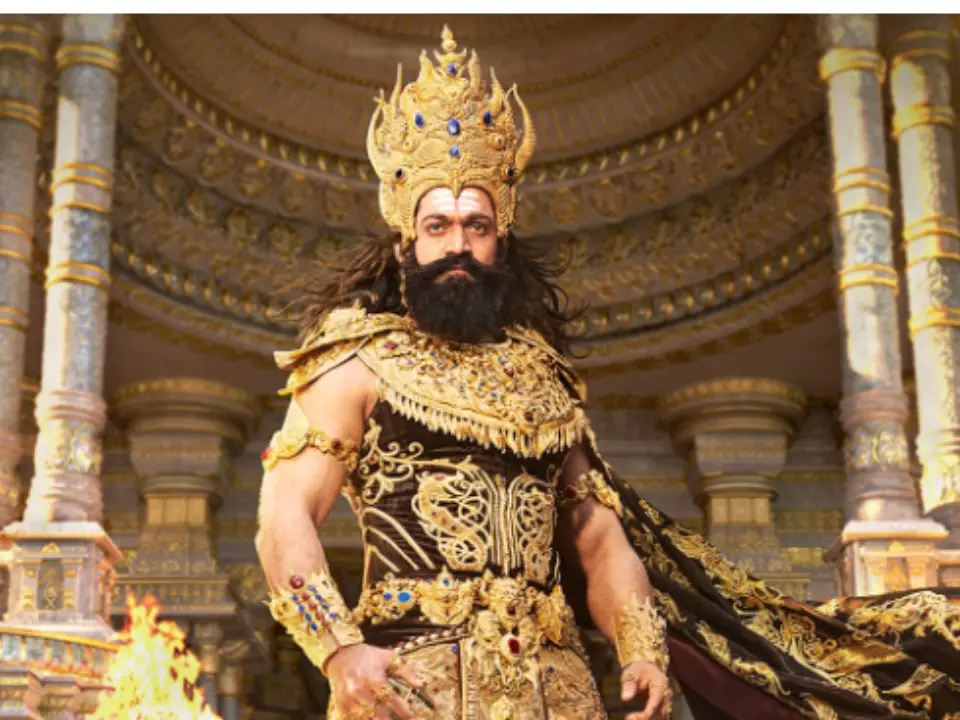)
Ramayana: Yash’s Ravana gets first official poster from Nitesh Tiwari’s epic
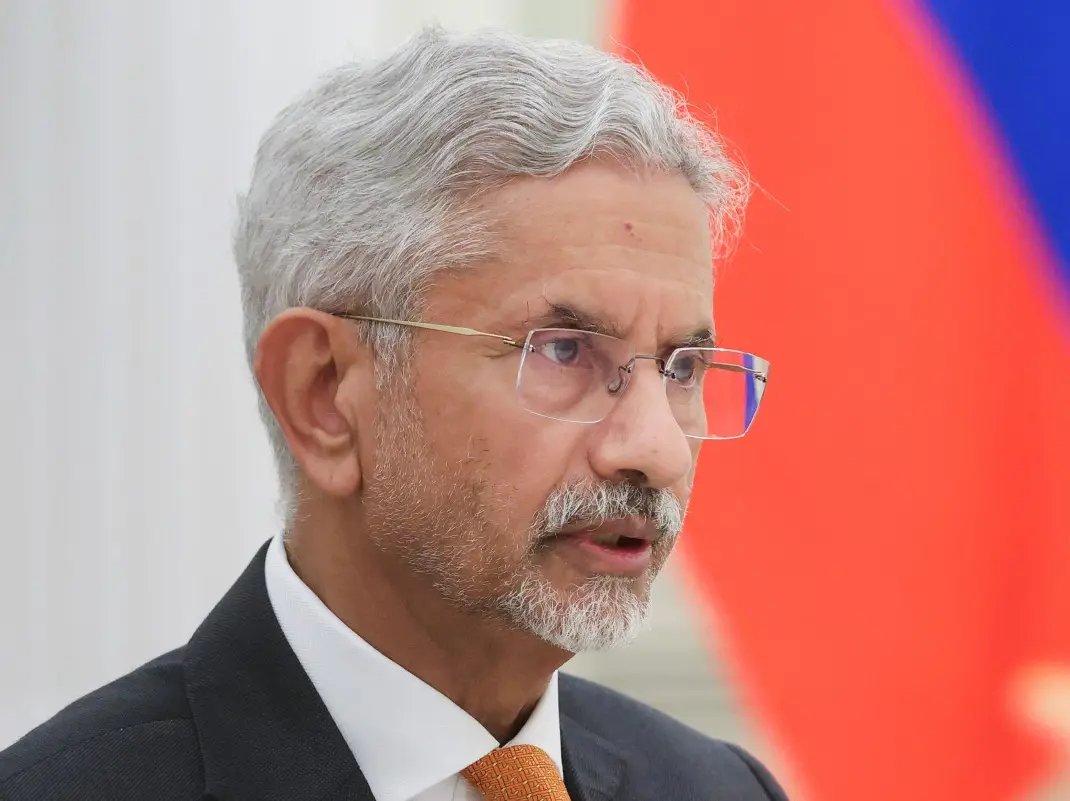)
'A terrorist country is asking me that question?': Jaishankar hits back at Pakistani journalist at UN; flags attacks on commercial shipping
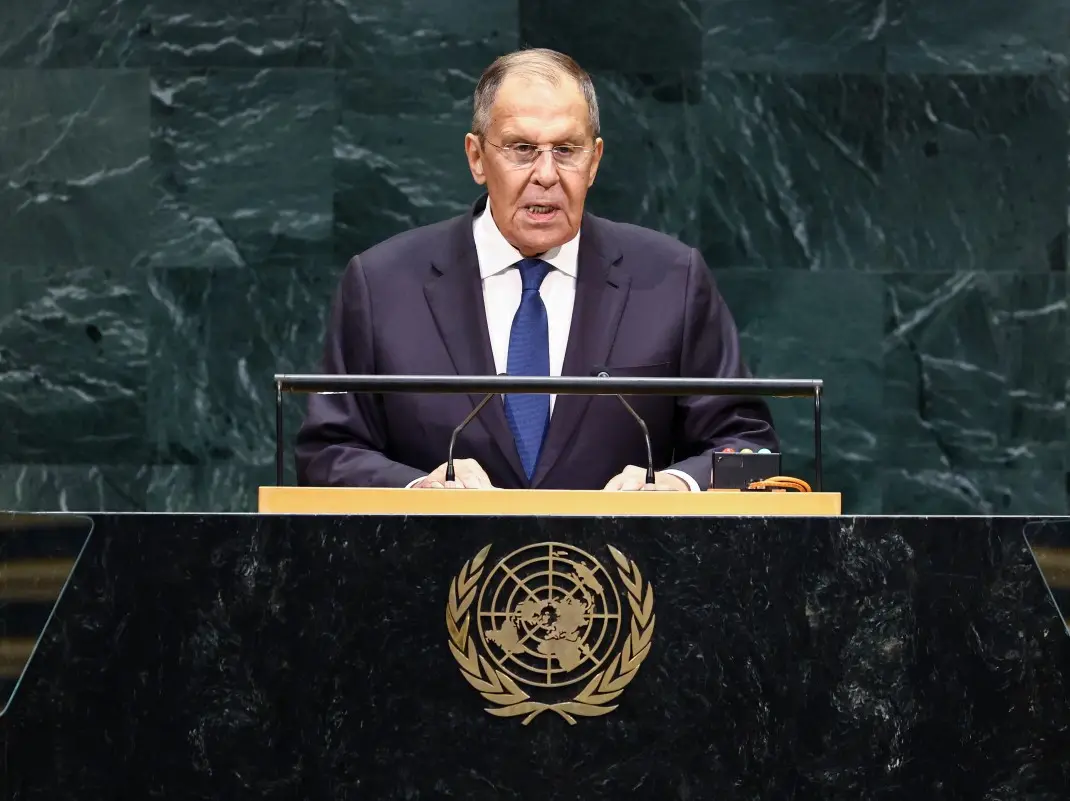)
Russia will achieve Ukraine war aims; Europe doing everything to block peace talks: Lavrov at UN
Meanwhile, the Muslims were allotted five acres of land to build a mosque at a prominent place.
The judgement was accepted without any bloodshed. It showed that the Indian democracy had evolved to seek a non-violent approach to a long standing dispute that had ignited passions on both sides.
The demolition of the mosque will forever remain a tricky topic. However, it remains an integral part of our post-Independence story.
(With inputs from agencies)
WATCH WION LIVE HERE: