India: In 11 years, more than 1,300 graduates from govt-run IIST have joined ISRO

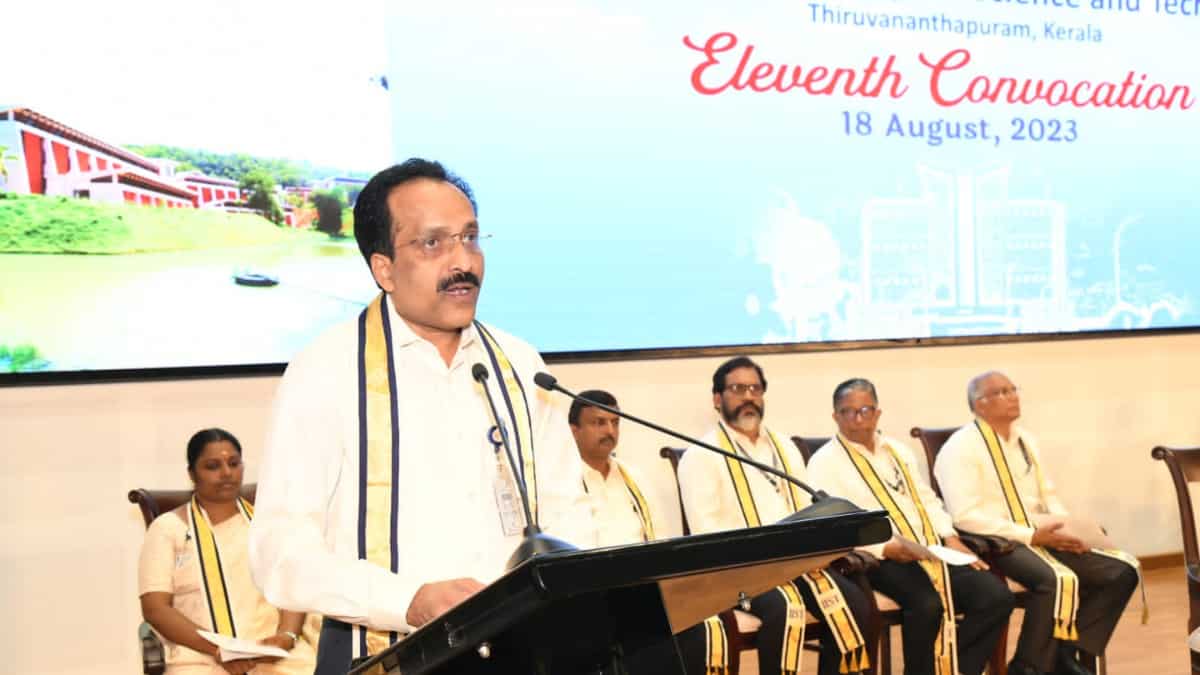
ISRO chairman at IIST
Churning out top scientific talent for 11 years, the government-run Indian Institute of Space Science and Technology (IIST) in Kerala’s Thiruvananthapuram has contributed more than 1,300 scientists and engineers to the Indian Space Research Organisation (ISRO).
Functioning as an autonomous body under the Department of Space, Government of India, IIST is the first of its kind in the country and offers high-quality education at the undergraduate, graduate, doctoral and post-doctoral levels in areas with a special focus on space sciences, space technology and space applications.
Stepping into its 16th year, the IIST held its 11th Convocation on Friday (August 18).

On Friday, a total of 275 students conferred their degrees at the Institute, which comprises B.Tech, M.Tech and PhDs. The Convocation was presided over by top officials from the Indian space sector – Dr. B N Suresh, Chancellor, IIST, Dr. K Radhakrishnan, Member Space Commission and former Chairman ISRO, Dr. S Somanath, Chairman ISRO, Dr. V Narayanan, Director ISRO, LPSC, Dr. S. Unnikrishnan Nair, Director IIST&VSSC, among others.
Speaking at the event, Chairman ISRO, Dr. S. Somanath highlighted the top priorities of ISRO – reliably increase the throughput of production of rockets and satellites to meet market demand;reduce the cost of access to space;work on re-usable vertical take-off and landing rockets;build intelligent rockets and satellites; build more powerful rockets based on methane-liquid oxygen engines; and build multi-purpose spacecraft with miniaturised electronics and advanced technology.
He also touched upon the role of IIST in fostering the research and development culture in ISRO and transitioning the space agency to perform more technology development activities aimed at the future. “IIST is an integral part of ISRO and is the research canvas of ISRO” he urged the students and faculty to use the ISRO labs and centres for their research work.
&imwidth=180&imheight=135&format=webp&quality=medium)
'Even Indira Gandhi didn't do this': Abhijeet Dipke, Saurav Das and Ashutosh Ranka detained from inside their flight | Watch video
&im=FitAndFill=(700,400)&imwidth=180&imheight=135&format=webp&quality=medium)
Fastest-growing Asian economies in 2026: Who tops the chart? Where does India rank?
&im=FitAndFill=(700,400)&imwidth=180&imheight=135&format=webp&quality=medium)
Rakul Preet Singh birthday special: 7 times the Ramayana actress served glamorous looks
&imwidth=180&imheight=135&format=webp&quality=medium)
Trump honours Microsoft CEO Satya Nadella with top technology honour amid immigration scrutiny
&im=FitAndFill=(700,400)&imwidth=180&imheight=135&format=webp&quality=medium)
Food shortages, suicide attempts and more: USS Abraham Lincoln returns to US after 321 day deployment — What happened aboard the US carrier?
&imwidth=180&imheight=135&format=webp&quality=medium)
'I ended 8 wars': Trump slams Nobel Peace prize decision, claims award was his due
&imwidth=180&imheight=135&format=webp&quality=medium)
Powerful 7.7 magnitude earthquake strikes Panama, tsunami warning issued
&imwidth=180&imheight=135&format=webp&quality=medium)
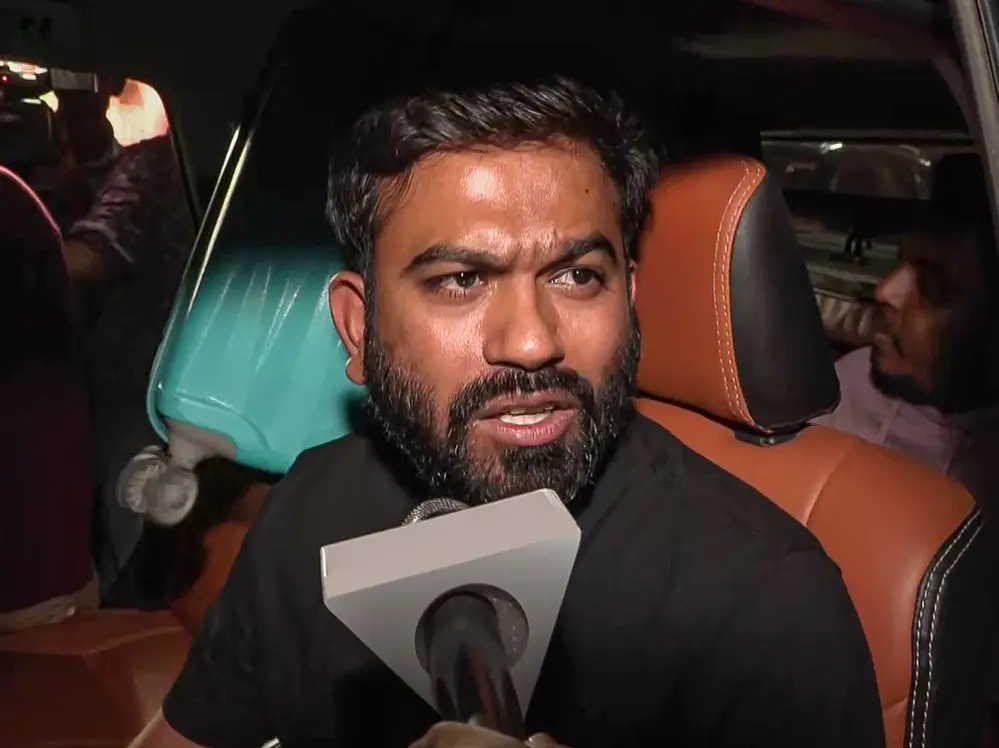
'Modi is a dictator': Abhijeet Dipke claims govt 'scared' of youth, slams stringent measures ahead of CJP Jantar Mantar protest
&imwidth=180&imheight=135&format=webp&quality=medium)
Trump has a new 'enemy': Anyone who calls it 'artificial intelligence'. Here's what we wants instead

Kamal Haasan slams Elon Musk over Starlink delay row: 'Indian people, will decide our own future - not Western'
&imwidth=180&imheight=135&format=webp&quality=medium)
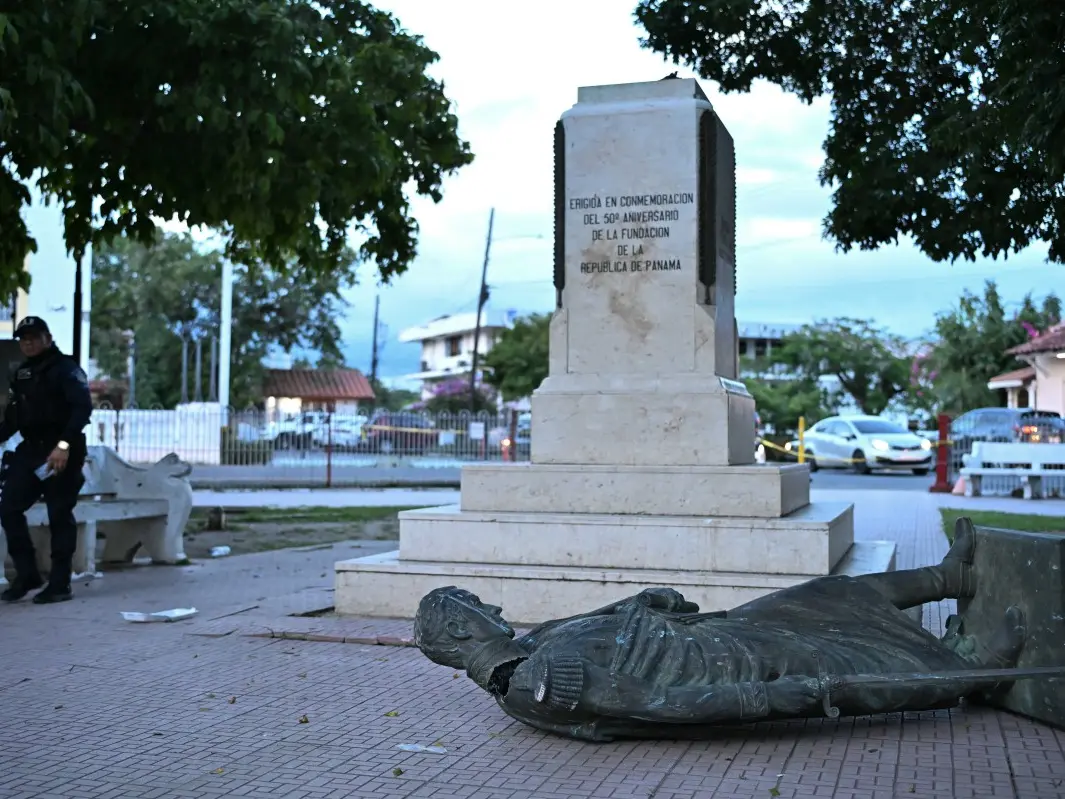
Panama president declares ‘major disaster’ after powerful 7.7-magnitude earthquake; over 80 aftershocks recorded
&imwidth=180&imheight=135&format=webp&quality=medium)
Dhurandhar: The Revenge album submitted for Grammy consideration; But what does it mean?
&imwidth=180&imheight=135&format=webp&quality=medium)
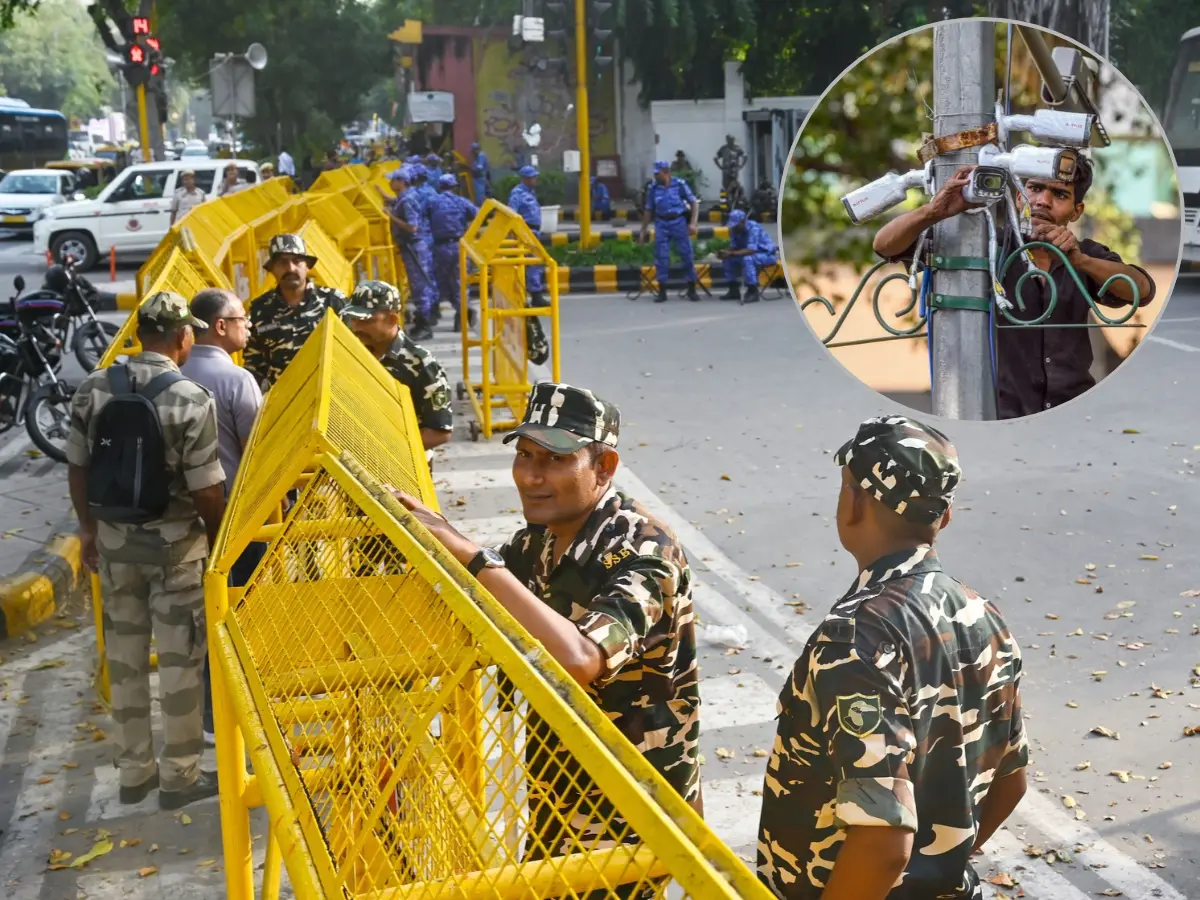
‘Right to protest must be protected, but...’: Delhi Police reveals why it denied CJP permission for October 10 Jantar Mantar protest
&imwidth=180&imheight=135&format=webp&quality=medium)
OpenAI shuts down Russian, Iranian influence operations using ChatGPT to spread propaganda
&imwidth=180&imheight=135&format=webp&quality=medium)
US midterm elections 2026: What a blue wave or blue tsunami could mean for Trump
&imwidth=180&imheight=135&format=webp&quality=medium)
Adéla gives KATSEYE’s Lara Raj and Megan Skendiel a shout-out at Fonda Theatre in LA
&imwidth=180&imheight=135&format=webp&quality=medium)
‘Never-ending flow of cheap labour’: JD Vance hits back at Indian-origin Congresswoman over US green card curbs for major tech companies
&imwidth=180&imheight=135&format=webp&quality=medium)
Pakistan denies reports of PAF jets being used in attacks against Iran-backed Houthis in Yemen
&im=FitAndFill=(700,400)&imwidth=180&imheight=135&format=webp&quality=medium)
New Friday OTT releases (October 9, 2026): Reporting Live, Animals, Take Charge of My Heart- 6 new titles coming on Netflix, JioHotstar and more
&imwidth=180&imheight=135&format=webp&quality=medium)
‘Ruh Roh’: Top US official mocks ‘Indian market collapse’ claim after Trump’s IT curbs. But did it? | FACT CHECK
&imwidth=180&imheight=135&format=webp&quality=medium)
Katie Zacharia likely to succeed Karoline Leavitt as Trump's White House press secretary
&imwidth=180&imheight=135&format=webp&quality=medium)
‘We will end ICC’: US sanctions International court, threatens to cripple hours after Navi Pillay wins Nobel Peace Prize
&imwidth=180&imheight=135&format=webp&quality=medium)
New York protests erupt as Trump administration defends ICE shooting
&imwidth=180&imheight=135&format=webp&quality=medium)
Ryan Reynolds’ private messages reveal his blunt views on Justin Baldoni from Blake Lively’s legal case
&imwidth=180&imheight=135&format=webp&quality=medium)
SC questions closure of 57 Delhi Metro stations, asks Centre to resume services in regulated manner
&imwidth=180&imheight=135&format=webp&quality=medium)
'I am not going to be watching it': JD Vance on livestream of Nidal Hasan's firing squad execution
&imwidth=180&imheight=135&format=webp&quality=medium)
Trump announces Russian diesel deal as Zelensky criticises move
&imwidth=180&imheight=135&format=webp&quality=medium)
Houthis continue direct hits on Saudi targets, Türkiye and Pakistan missing in action | Gravitas
&imwidth=180&imheight=135&format=webp&quality=medium)
J&K Government orders major police reshuffle, transfers 100 officers across UT
&imwidth=180&imheight=135&format=webp&quality=medium)
Hurricane Isaias makes landfall in Florida as Category 2 storm with winds of 105mph, threatens Gulf Coast with life-threatening surge
&imwidth=180&imheight=135&format=webp&quality=medium)
Shreyas Iyer blames dew for West Indies' record run chase in 2nd T20I in Ranchi
&imwidth=180&imheight=135&format=webp&quality=medium)
‘250? Cool.’: Shai Hope takes swipe at Shubman Gill’s Instagram caption after Ranchi T20I masterclass
&imwidth=180&imheight=135&format=webp&quality=medium)
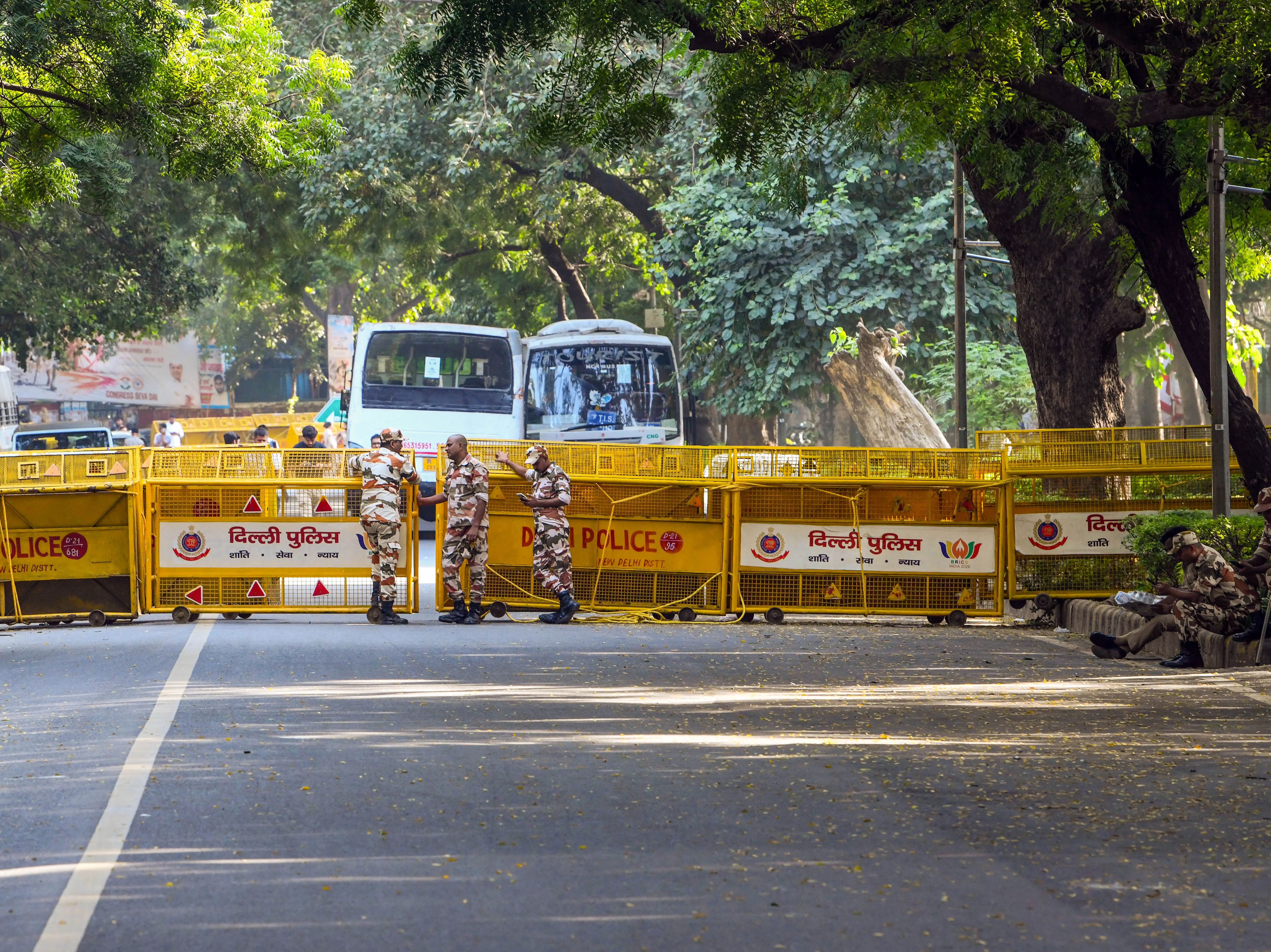
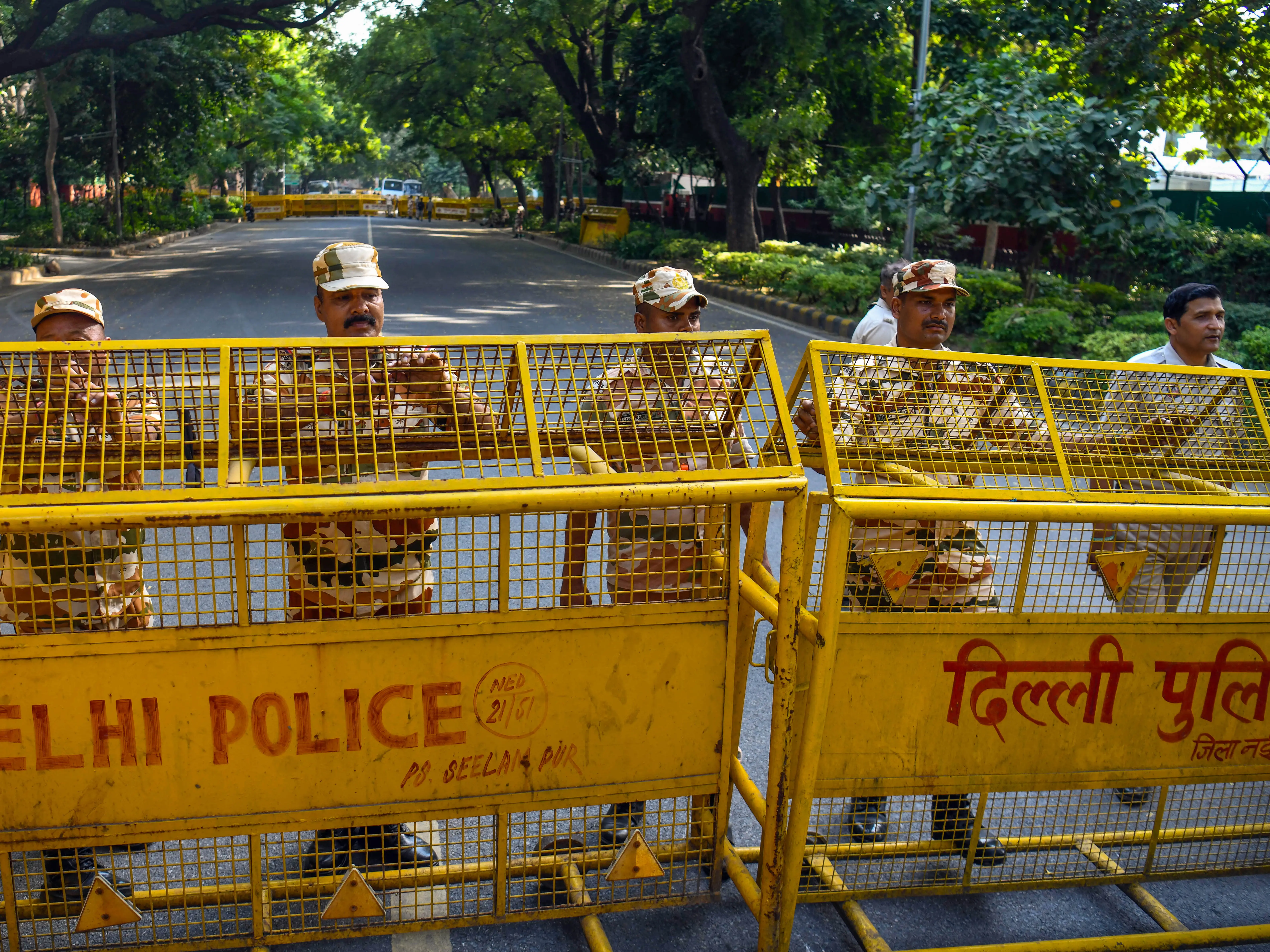
Delhi protest: Metro curbs, train cancellations, traffic diversions as protesters seek CEC Gyanesh Kumar’s resignation
&imwidth=180&imheight=135&format=webp&quality=medium)
All 22 Indian seafarers safe in attack on Panama-flagged tanker off UAE coast
&imwidth=180&imheight=135&format=webp&quality=medium)
Delhi on high alert for CJP protest: Delhi police to use body cams to 'prove whether we did anything’; Pink Force, RAF, 35,000 personnel deployed
&imwidth=180&imheight=135&format=webp&quality=medium)
New York ICE shooting sparks protests as Mamdani to call on Trump to halt ICE operations
&imwidth=180&imheight=135&format=webp&quality=medium)
UK navy hit by espionage scandal: Sailor accused of spying for Russia | Gravitas
As part of its International partnerships, IIST collaborates with the California Institute of Technology, the University of Colorado, Nanyang Technological University of Singapore, the University of Surrey (UK), Technion – Israel Institute of Technology, Institute of Astronomy – University of Cambridge, Niigata University Japan and ISAE-SUPAERO France.
The main objectives of collaboration through the MoU mode is to provide for an exchange of students and faculty; initiate joint research on mutually accepted areas; and provide fellowships for training and research at doctoral and post-doctoral levels.
Addressing the graduating students, Dr. K. Radhakrishnan, former chairman of ISRO, shared his vision that IIST alumni must help ISRO leap forward and harness the resources of the Moon and Mars and help India play an active role in the interplanetary society that is expected to take shape by 2047.
Sharing the IIT model of industry-academia collaboration, he pointed out how industry experts with 15 years or more experience could join academia and teach there by taking us the role of Professor of Practice. Likewise, those who are in academia as professors or assistant professors could also take up roles in related industries as a vice-president or general manager and contribute to that sector.
Referring to how 80 per cent of medical equipment in use in India is being imported, he urged the students to use the know-how and know-why of the space medicine and medical engineering aspects of India’s astronaut mission ‘Gaganyaan,’ for the benefit of the common man.
WATCH WION LIVE HERE
You can now write for wionews.com and be a part of the community. Share your stories and opinions with us here.
