India hikes commercial LPG prices again: How much will you pay for a 19-kg cylinder? What’s the domestic rate?

&imwidth=600&imheight=450&format=webp&quality=medium "India hikes commercial LPG prices again: How much will you pay for a 19-kg cylinder? What’s the domestic rate?")
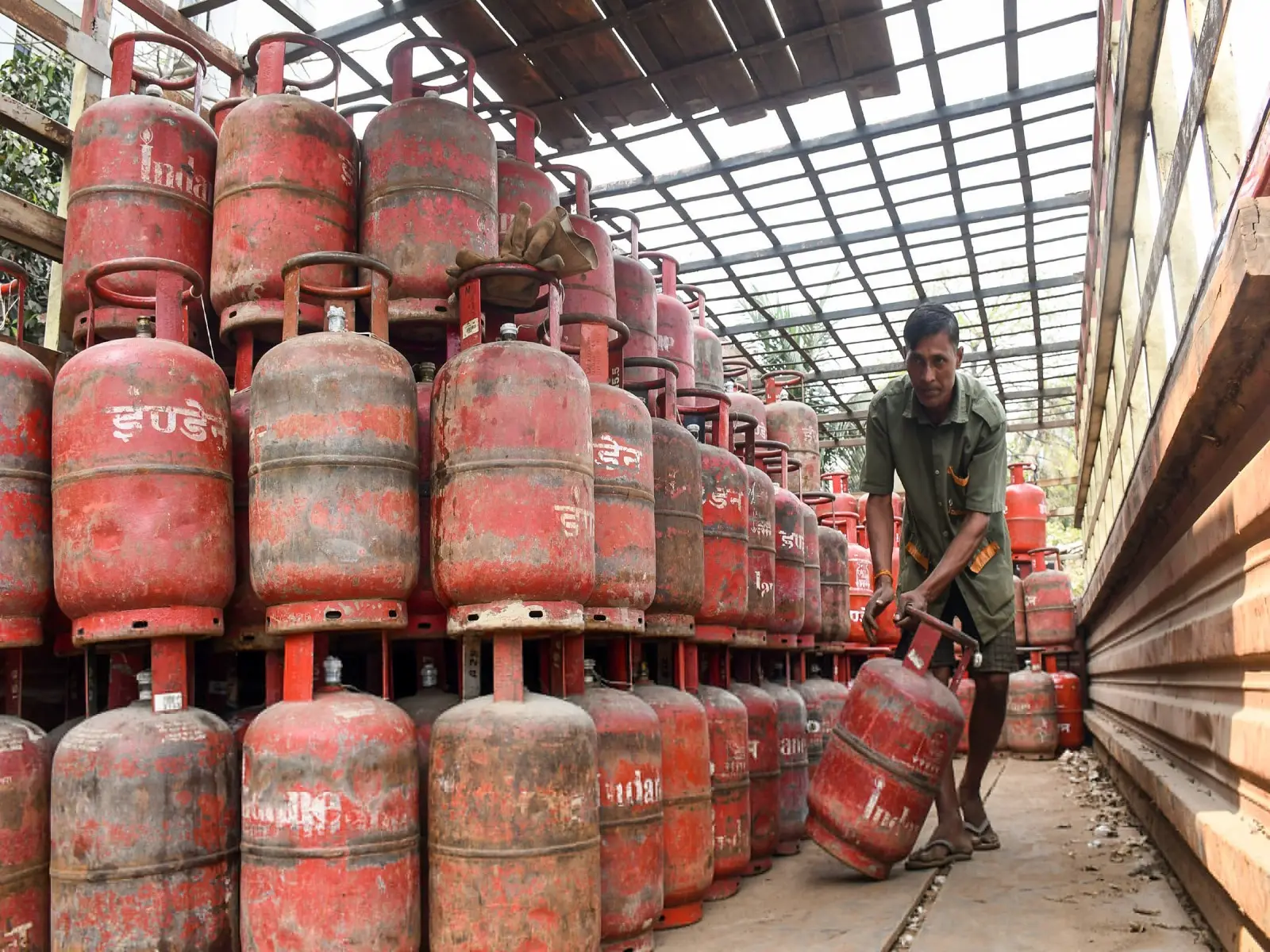
Man distributing LPG cylinder Photograph: (ANI)
Commercial LPG prices in India rose by Rs 195.50, taking a 19-kg cylinder to Rs 2,078.50 in Delhi, amid a surge in global oil prices linked to the West Asia conflict. Domestic LPG rates remain unchanged, while petrol and diesel prices continue to stay frozen.
In the latest development amid ongoing war in West Asia, prices of commercial LPG were hiked by Rs 195.50 on Wednesday (Apr 1). A 19-kg commercial LPG will now cost Rs 2,078.50 in Delhi, according to state-owned oil companies. According to reports, the rates of commercial LPG were last increased by Rs 114.5 per 19-kg cylinder on March 1 a day after war broke out in West Asia due to the US and Israel's joint attack on Iran. It must be noted that the current price rise only applies to commercial LPG and not domestic cooking gas. Domestic LPG rates, which were last hiked by Rs 60 per 14.2-kg cylinder on March 7, remains as is. It costs Rs 913 per 14.2-kg cylinder in Delhi.
The current price rise was announced as state-owned Indian Oil Corporation, Bharat Petroleum, and Hindustan Petroleum revise ATF and LPG prices on the first day of every month based on international benchmarks and the exchange rate. PTI reported that global oil prices have shot up almost 50 per cent. Meanwhile, petrol and diesel prices continue to remain frozen after a Rs 2 per-litre reduction in March last year with petrol currently costing Rs 94.72 per litre in Delhi and diesel Rs 87.62.
India's LPG situation amid war
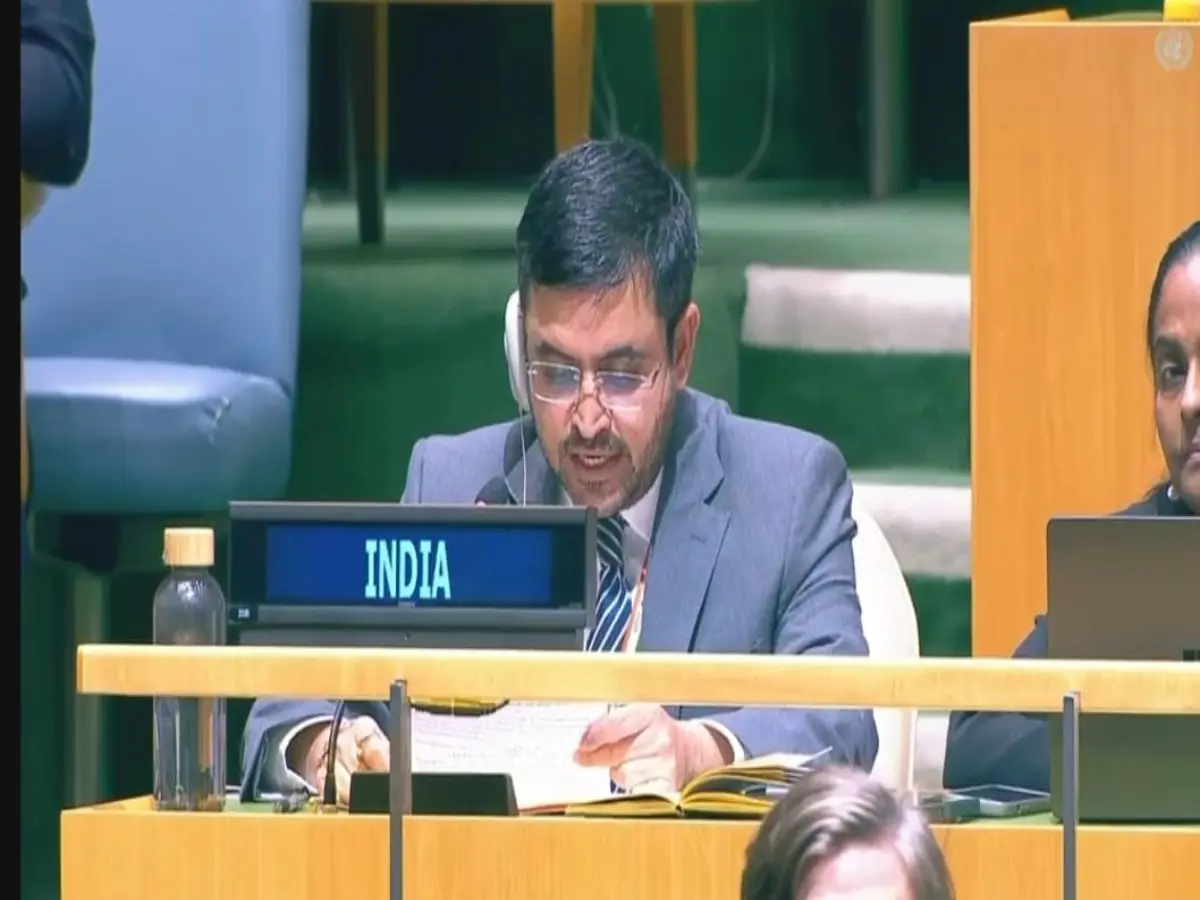
Since the war in West Asia broke out, leading to the rise in tensions and partial blockage of Strait of Hormuz, the key shipping route that sees almost 90 oercent of India's LPG imports, at least eight Indian-flagged vessels have successfully transited the high-risk zone under Indian Navy protection. Iran said that it has allowed five "friendly nations" , including India, China, Pakistan and Russia to transit the Strait amid intensifying conflict. The Indian Navy is using destroyers to guide tankers through a specific "safe route" closer to the Iranian coast.
Trending Stories
)
)
)
)
)
)
)
)
)
)
)
)
)
)
)
)
)
)
&im=FitAndFill=(700,400))
)
)
)
&im=FitAndFill=(700,400))
)
&im=FitAndFill=(700,400))
&im=FitAndFill=(700,400))
)
On domestic front, Indian government has made it mandatory for citizens to maintain a gap of 21 to 25 days for cylinder bookings. Local refineries have been ordered to divert petrochemical feedstocks to increase domestic LPG output by 40 per cent. The government also offered an additional 10 percent commercial LPG allocation to states that demonstrate a long-term transition to Piped Natural Gas (PNG). Prime Minister Narendra Modi cautioned the citizens against "panic creators" and assured the public that the government is "leaving no stone unturned" to maintain stable fuel and gas supplies. PM Modi highlighted that India has expanded its energy partners from 27 to 41 countries to build resilience against regional disruption. The Indian Navy launched Operation Urja Suraksha to provide naval escorts for LPG and oil tankers through the Strait of Hormuz. This involves the deployment of at least five frontline warships to secure India's “energy lifelines.”
Moreover, Indian government's energy ministry is holding daily briefings to apprise the nation about the situation. Sujata Sharma, Joint Secretary (Marketing & Oil Refinery), Ministry of Petroleum & Natural Gas, in her latest briefing stated that commercial LPG and PNG supplies were initially halted “for a while” but have now been restored to 70% of pre-war levels. She explained the gradual restoration: first 20%, then an additional 10%, later 50%, and now 70%. Sharma emphasized that the situation is “comfortable with respect to LPG and PNG,” noting that refineries are operating “at full or even above capacity” and domestic LPG production has risen by nearly 40%.

