India considers hosting IORA summit to mark 30th anniversary: IORA SG Ranjan

&imwidth=600&imheight=450&format=webp&quality=medium "India considers hosting IORA summit to mark 30th anniversary: IORA SG Ranjan")
Photograph: (X)
IORA traces its origins to 1997, when it was formally established in this very location in Mauritius. Its founding vision stemmed from remarks by South Africa's late President Nelson Mandela during a visit to India, calling for regional cooperation on sustainable development.
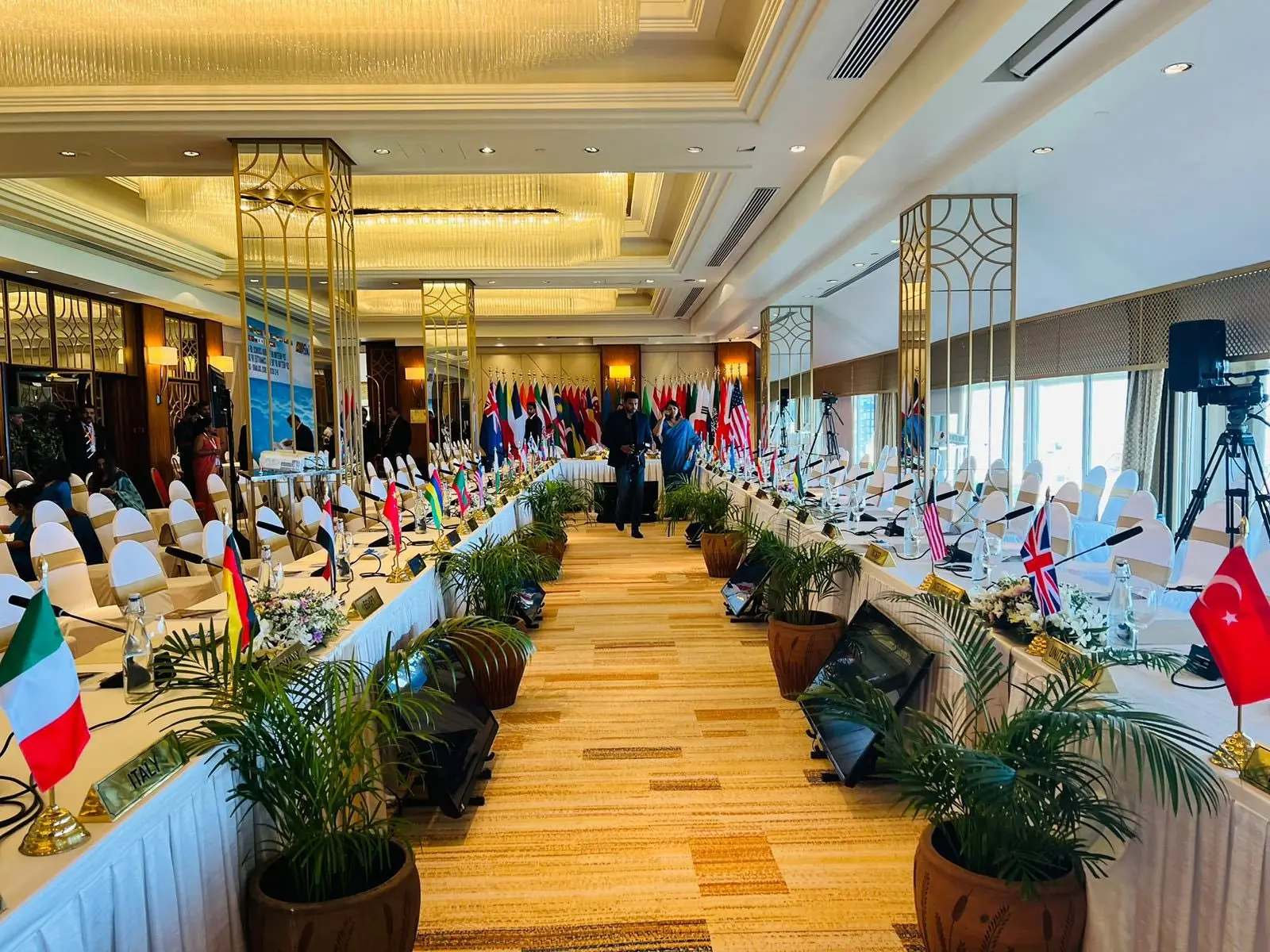
The Indian Ocean Rim Association (IORA) could soon receive fresh political momentum as India, its current chair, mulls hosting a leaders' summit to coincide with the grouping's 30th anniversary. Sanjiv Ranjan, Secretary-General of IORA, speaking to WION on the sidelines of the ninth Indian Ocean Conference in Mauritius, said India is considering the summit to "highlight the issues that are dealt with by IORA, reinvigorate it and make it more contemporary in the future".India took over the chairmanship in November 2025. The last IORA summit was held 10 years ago under Indonesian leadership to mark the organisation's 20th anniversary.
Mr Ranjan linked the proposal to New Delhi's broader maritime vision: "As you are aware, as a larger maritime policy of the government of India, a number of initiatives are being taken to reinvigorate our maritime heritage, and perhaps this institutional framework is perhaps the most apt, as it brings together 23 member states to work together in the areas which are of contemporary relevance to them."
IORA traces its origins to 1997, when it was formally established in this very location in Mauritius. Its founding vision stemmed from remarks by South Africa's late President Nelson Mandela during a visit to India, calling for regional cooperation on sustainable development. The 23-member body deliberately steers clear of politics. "By definition, the charter looks into issues which are cooperative in nature and does not get into divisive and contested issues," Mr Ranjan emphasised.
Its work centres on six priority areas: maritime safety and security, disaster risk management, trade and investment, culture and tourism, fisheries and the blue economy, and women's economic empowerment. Climate change has emerged as a key cross-cutting theme. Mr Ranjan outlined IORA's twin pillars of activity: capacity-building through sharing best practices, technology and knowledge; and the development of voluntary norms and guidelines. On maritime safety, members exchange expertise on interdicting drug-trafficking vessels, conducting search-and-rescue operations, and responding to oil spills.
Last year, the organisation adopted a framework to tackle marine debris, noting the Indian Ocean's geography makes its shores especially vulnerable to plastic pollution entering the food chain. Similar practical guidelines address illegal, unreported and unregulated fishing, as well as humanitarian assistance and search-and-rescue cooperation. While IORA has no political mandate, members recognise the real-world costs of instability in shared waters.
Trending Stories
&imwidth=280&imheight=210&format=webp&quality=medium)
&im=FitAndFill=(700,400)&imwidth=280&imheight=210&format=webp&quality=medium)
&imwidth=280&imheight=210&format=webp&quality=medium)
&imwidth=280&imheight=210&format=webp&quality=medium)
&imwidth=280&imheight=210&format=webp&quality=medium)
&im=FitAndFill=(700,400)&imwidth=280&imheight=210&format=webp&quality=medium)
&imwidth=280&imheight=210&format=webp&quality=medium)
&imwidth=280&imheight=210&format=webp&quality=medium)
&imwidth=280&imheight=210&format=webp&quality=medium)
&imwidth=280&imheight=210&format=webp&quality=medium)
&imwidth=280&imheight=210&format=webp&quality=medium)
&imwidth=280&imheight=210&format=webp&quality=medium)
&imwidth=280&imheight=210&format=webp&quality=medium)
&imwidth=280&imheight=210&format=webp&quality=medium)
&imwidth=280&imheight=210&format=webp&quality=medium)
&imwidth=280&imheight=210&format=webp&quality=medium)
&imwidth=280&imheight=210&format=webp&quality=medium)
&imwidth=280&imheight=210&format=webp&quality=medium)
&imwidth=280&imheight=210&format=webp&quality=medium)
&imwidth=280&imheight=210&format=webp&quality=medium)
&imwidth=280&imheight=210&format=webp&quality=medium)
&imwidth=280&imheight=210&format=webp&quality=medium)
&imwidth=280&imheight=210&format=webp&quality=medium)
&imwidth=280&imheight=210&format=webp&quality=medium)
&im=FitAndFill=(700,400)&imwidth=280&imheight=210&format=webp&quality=medium)
&imwidth=280&imheight=210&format=webp&quality=medium)
&imwidth=280&imheight=210&format=webp&quality=medium)
&imwidth=280&imheight=210&format=webp&quality=medium)
&imwidth=280&imheight=210&format=webp&quality=medium)
&imwidth=280&imheight=210&format=webp&quality=medium)
&imwidth=280&imheight=210&format=webp&quality=medium)
&imwidth=280&imheight=210&format=webp&quality=medium)
&imwidth=280&imheight=210&format=webp&quality=medium)
&imwidth=280&imheight=210&format=webp&quality=medium)
&imwidth=280&imheight=210&format=webp&quality=medium)
Referring indirectly to disruptions such as those in West Asia, Mr Ranjan said: "Any disruption in the normal functioning of the maritime space that we share has economic, social and other deleterious impact on our population." He added that the group's day-to-day work focuses on “cooperative frameworks to ensure dialogue and diplomacy always takes a prominent space instead of contested narratives being exchanged among them.”