

&imwidth=800&imheight=600&format=webp&quality=medium "‘Hiring women isn’t enough’: Women entrepreneurs on what India needs for true gender parity")
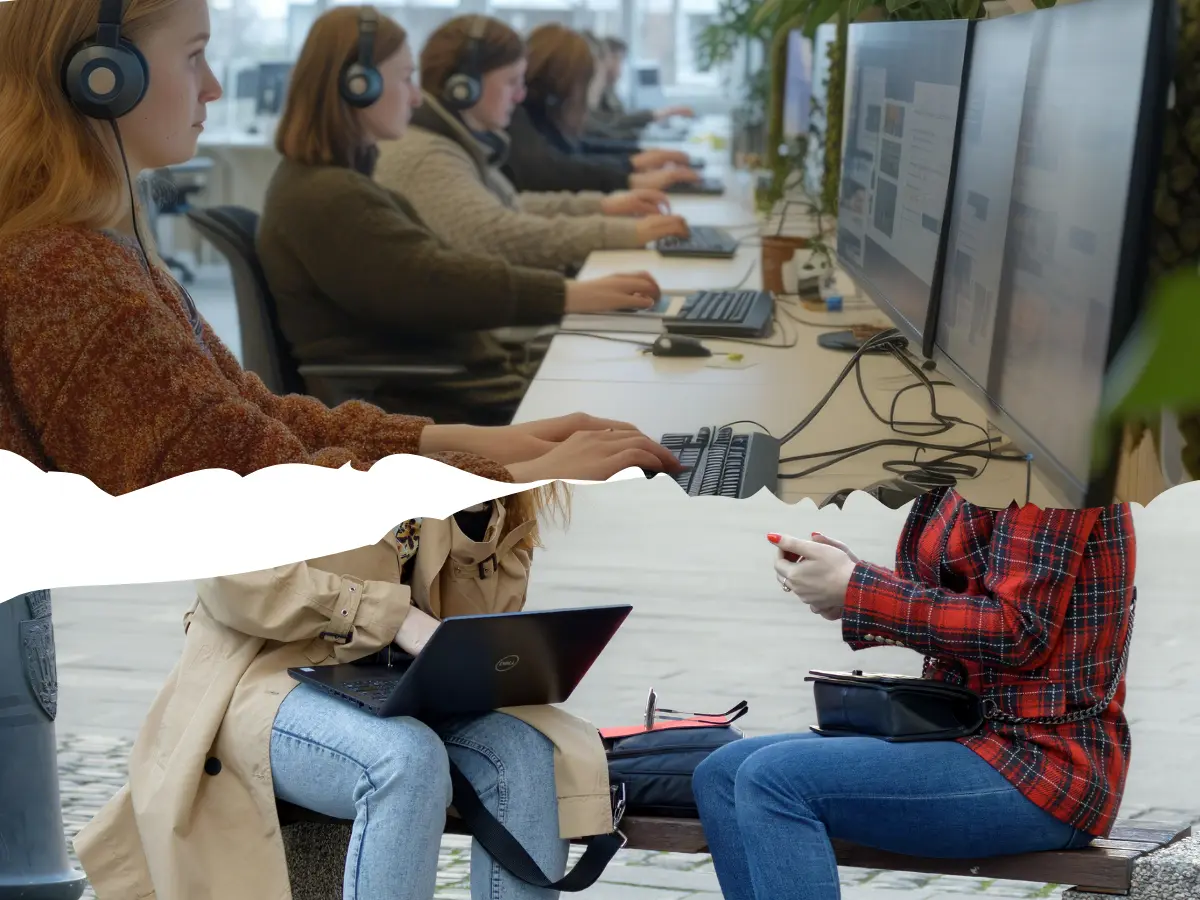
As the world marks Women’s Equality Day, the conversation around women in technology is shifting from representation to meaningful equality. While more women are entering STEM and technology careers, significant gaps persist in retention, pay, promotions, leadership and decision-making. As the industry embraces AI and new technologies, ensuring women have an equal role in building, shaping and leading these systems has become equally important. WION spoke to women entrepreneurs and startup leaders about what it will take to move from hiring women to achieving genuine gender parity in India’s technology sector.
Also Read: Better single than sorry: Why marriage has fallen off the list of priorities of many Indian women
For Shreya Krishnan, Managing Director, AnitaB.org India, gender parity in technology cannot be achieved by focusing only on the entry-level pipeline. She says the biggest challenge comes at the subsequent stages of a woman’s career, particularly retention. “True gender parity in tech requires looking beyond the pipeline.” Krishnan points to inadequate maternity support, unconscious bias and a lack of flexible work models that accommodate caregiving responsibilities as factors affecting women's retention. She also highlights persistent disparities in pay and leadership, arguing that companies need to go beyond hiring targets. “The solution goes beyond more hiring targets. It requires audited pay, transparent promotion criteria, active sponsorship into leadership, and return-to-work programs that treat career breaks as assets.”
Hiring targets are only the beginning
Krishnan argues that diversity hiring targets are important, but they do not necessarily indicate whether women are able to build long-term careers within an organisation. “Diversity hiring targets are a necessary start, but the real work begins after the offer letter is signed.” She says companies need to change how they measure gender parity, moving towards outcome-based indicators such as retention rates, pay equity, promotion rates and leadership sponsorship. “Targets measure intent, but they do not measure impact.” According to Krishnan, simply measuring the percentage of women hired provides little insight into whether women are able to thrive, lead and influence organisational strategy. “Hiring targets open the door, but without fundamentally rethinking evaluation, culture, and power, that door remains a revolving one.”
Trending Stories
&imwidth=180&imheight=135&format=webp&quality=medium)
Houthis claim Riyadh airport attacks, Aramco strikes; issue fresh warning to airlines, travellers and workers
&imwidth=180&imheight=135&format=webp&quality=medium)
'Ouch!!! That must hurt': Kangana Ranaut hails Kamal Haasan's sharp reply to Elon Musk over Starlink row
&imwidth=180&imheight=135&format=webp&quality=medium)
Wasim Jaffer blames Ajit Agarkar-led selection panel for Virat Kohli’s Test retirement
&im=FitAndFill=(700,400)&imwidth=180&imheight=135&format=webp&quality=medium)
Is sending robots to Mars easier than sending humans?
&imwidth=180&imheight=135&format=webp&quality=medium)
Anthropic's AI invented a murder witness and sent the fake tip to Philadelphia police
&imwidth=180&imheight=135&format=webp&quality=medium)
UK school ditches technology, shifts from screen to pen and paper for learning
&imwidth=180&imheight=135&format=webp&quality=medium)
'Just coincidence': Police mistakes protester as AISA chief Neha Bora, arrests her from site
&imwidth=180&imheight=135&format=webp&quality=medium)
iPhone Duo price index: Tracking Apple’s latest pricing trends
&imwidth=180&imheight=135&format=webp&quality=medium)
McSweeney reveals how studying Virat Kohli’s YouTube clips helped Australia A conquer India
&imwidth=180&imheight=135&format=webp&quality=medium)
Nana Patekar's cause of death confirmed; here's what his postmortem report says
&imwidth=180&imheight=135&format=webp&quality=medium)
One Indian killed in Riyadh airport attack; 11 others injured : MEA
&imwidth=180&imheight=135&format=webp&quality=medium)
1,500 drones illuminate Mumbai sky as Cordelia Cruises unveils second ship, Cordelia Sky
&im=FitAndFill=(700,400)&imwidth=180&imheight=135&format=webp&quality=medium)
Navratri 2026: 9 days, 9 forms of Goddess Durga and 9 colours- Check the complete list
&imwidth=180&imheight=135&format=webp&quality=medium)
'Turn approver, resign, we'll forgive you': Rahul Gandhi claims receiving messages from CEC Gyanesh Kumar
&imwidth=180&imheight=135&format=webp&quality=medium)
Portugal Federation confirms Cristiano Ronaldo’s return to national team despite suspension
&imwidth=180&imheight=135&format=webp&quality=medium)
Congress demands action against chief election commissioner
&imwidth=180&imheight=135&format=webp&quality=medium)
BCCI rejects venue shift reports, India vs Sri Lanka 1st ODI to remain in Delhi
&imwidth=180&imheight=135&format=webp&quality=medium)
Anti-SIR protest in Mumbai: Protestors wear black masks & ribbons in Mumbai
&imwidth=180&imheight=135&format=webp&quality=medium)
Delhi protests: 'Court should not be dragged into political activity', says CJI Surya Kant
&imwidth=180&imheight=135&format=webp&quality=medium)
Diljit Dosanjh’s Delhi concert gets a new date: When and where to catch the singer
&imwidth=180&imheight=135&format=webp&quality=medium)
Microsoft's Nadella says treat every AI model as already hacked, and build an 'emergency brake'
&imwidth=180&imheight=135&format=webp&quality=medium)
Maharashtra appoints FDA commissioner Tukaram Mundhe as secretary of committee for MPSC overhaul amid stir
&imwidth=180&imheight=135&format=webp&quality=medium)
Saif Ali Khan is finally on Instagram! Here's what he shared in his first post
&imwidth=180&imheight=135&format=webp&quality=medium)
Telangana ATM heist: Thieves in nighties arrive in ambulance, break into SBI ATM in Kamareddy - VIDEO
&imwidth=180&imheight=135&format=webp&quality=medium)
Delhi protest: CJI Surya Kant declines to meet India Bloc leaders
&imwidth=180&imheight=135&format=webp&quality=medium)
'Say no to Muse': Meta has no control over its own moderation AI while it forces a security nightmare on everyone
&imwidth=180&imheight=135&format=webp&quality=medium)
CJI Surya Kant declines INDIA bloc leaders’ request for meeting ahead of march to SC, asks them to file petition
&imwidth=180&imheight=135&format=webp&quality=medium)
Telangana man allegedly recruited into Russian military dies near Ukraine border
&imwidth=180&imheight=135&format=webp&quality=medium)
Top AI models flunked a test of inventing new AI research, so much for self-improving AI
&imwidth=180&imheight=135&format=webp&quality=medium)
A watchdog rated 'ChatGPT for Teens' an unacceptable risk and says keep under-18s off it
&im=FitAndFill=(700,400)&imwidth=180&imheight=135&format=webp&quality=medium)
New OTT releases this week (October 12-18, 2026): Sacrifice, Koffee with Karan S9, Roadies Rebirth- 6 titles coming on Netflix, JioHotstar and more
&imwidth=180&imheight=135&format=webp&quality=medium)
Sidhu Moose Wala’s younger brother wins hearts by recreating late singer’s signature move at Toronto Hologram Show
&imwidth=180&imheight=135&format=webp&quality=medium)
Other Mommy leads North American box Office as Verity, Resident Evil round out top four
&imwidth=180&imheight=135&format=webp&quality=medium)
China imposes first-ever sanctions on ministers from Taiwan allies: What this means
&imwidth=180&imheight=135&format=webp&quality=medium)
Iran: US accepted some conditions, Clarity needed on others
Real challenge is in senior positions
The challenge of retaining women becomes particularly visible as they move towards senior positions, says Anusha Jaiswal, who runs a handloom startup in Kolkata. She had worked as a software engineer at Infosys for eight years, before starting her own venture. Jaiswal describes the problem as a systemic loss of women from the workforce rather than a failure to attract them in the first place. She says the reasons are closely connected to the unequal caregiving responsibilities women continue to shoulder. She explains how personal and profession is linked at each stage for a woman. “Women are disproportionately expected to take responsibility for childcare, eldercare and household work, while traditional workplace structures often offer limited flexibility,” she says. For Jaiswal, fixing this requires companies to rethink how careers are structured.
Career breaks should not mean career setbacks
For Sharonee Ghosh, who is the owner of a cafe in West Bengal's Uttar Dinajpur district, says that making workplaces more accommodating to women returning after career breaks is essential to achieving equality. Ghosh argues that a career break should not erase the skills and experience a woman brings back to the workplace. “Career breaks are interruptions, not endings.”
Krishnan backs her views and advocates a more flexible approach to career re-entry, including phased returns, project-based engagements, mentorship and upskilling opportunities tailored to women returning after caregiving responsibilities. “Returnship programs should become the norm.” But Krishnan also highlights that the issue extends beyond workplace policy. The unequal distribution of unpaid caregiving and the mental load associated with it remain major barriers. “The deeper challenge is the mental load, the invisible, unpaid labor of caregiving that disproportionately falls on women.” She argues that organisations need to recognise that professional and personal responsibilities cannot always be treated as separate worlds. “Until organizations acknowledge that work and home are not silos, flexibility will remain performative.” Ghosh also calls for caregiving to be normalised across genders and for women to be actively supported when they return to work.

