Govt implements labour reforms: What does it mean for employees?

&imwidth=600&imheight=450&format=webp&quality=medium "Govt implements labour reforms: What does it mean for employees?")
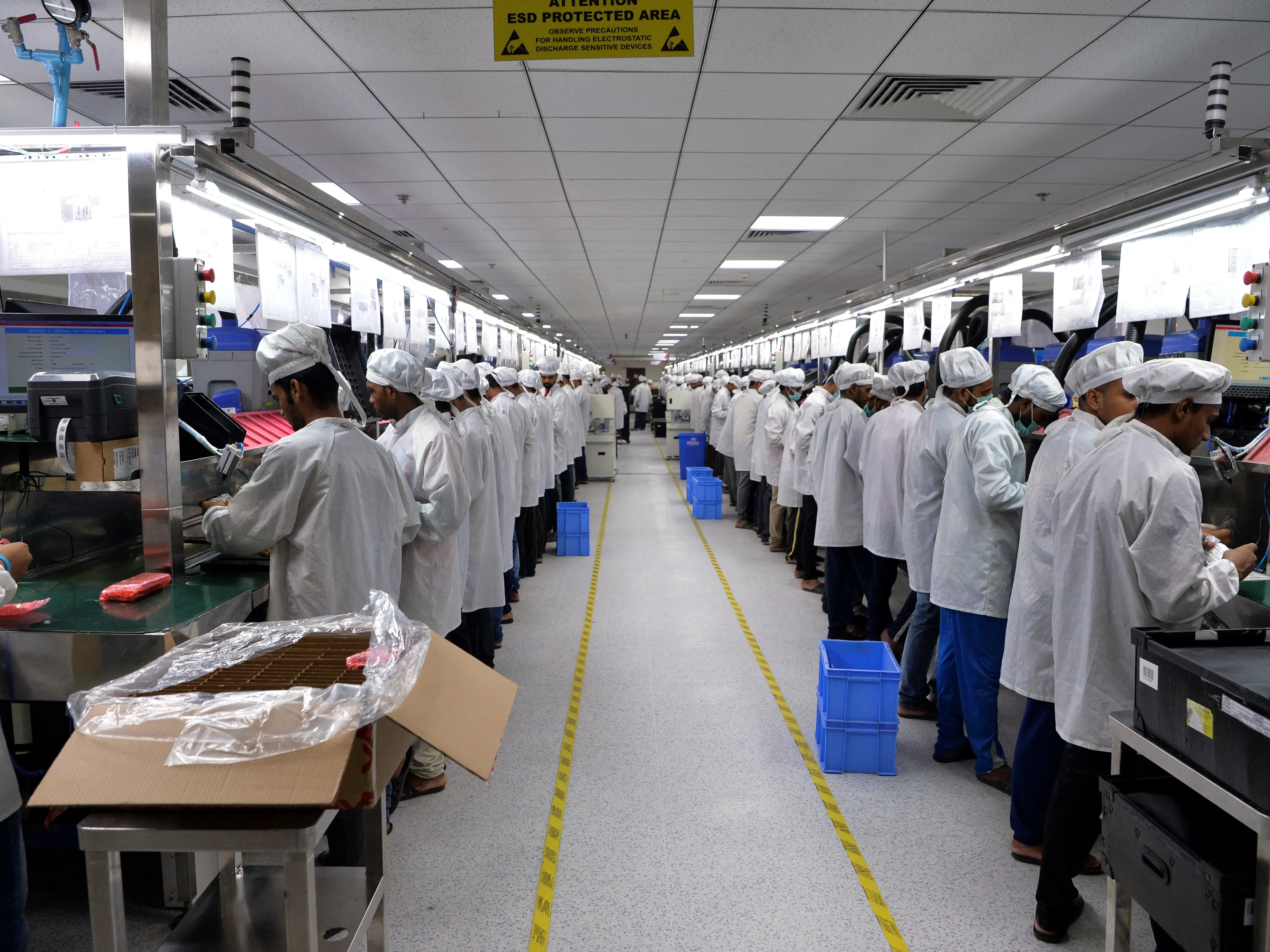
Under the new framework, all workers will be entitled to minimum wages, a salary credit on the 7th of each month, and double wages for overtime. Photograph: (AFP)
The new labour codes will replace 29 existing central labour laws previously scattered across a range of sectors.
More than five years after the Parliament passed the labour codes, the Centre on Friday (21 Nov) has announced the implementation of four labour codes- the Code on Wages, 2019; the Industrial Relations Code, 2020; the Code on Social Security, 2020; and the Occupational Safety, Health and Working Conditions Code, 2020 – with immediate effect. This has been a major part of the reform agenda of the ruling Prime Minister Narendra Modi-led government.
The new labour codes will replace 29 existing central labour laws previously scattered across a range of sectors.
Calling it a major step towards a self-reliant India, Union Minister of Labour and Employment of India, Mansukh Mandaviya, in a post on social media platform X, said, "From today, the new labour codes have been made effective in the country". They will ensure: A guarantee of timely minimum wages for all workers, appointment letters for the youth “They will ensure a guarantee of timely minimum wages for all workers, appointment letters for the youth, equal pay and respect for women, gratuity for fixed-term employees after one year of employment, free annual health check-ups for workers above 40 years of age, double wages for overtime, 100% health security for workers in hazardous sectors, and a guarantee of social justice for workers as per international standards,” he said.
What will it change for employees?
Minimum wage and overtime
Trending Stories
&imwidth=280&imheight=210&format=webp&quality=medium)
&imwidth=280&imheight=210&format=webp&quality=medium)
&im=FitAndFill=(700,400)&imwidth=280&imheight=210&format=webp&quality=medium)
&imwidth=280&imheight=210&format=webp&quality=medium)

&imwidth=280&imheight=210&format=webp&quality=medium)
&imwidth=280&imheight=210&format=webp&quality=medium)
&im=FitAndFill=(700,400)&imwidth=280&imheight=210&format=webp&quality=medium)
&imwidth=280&imheight=210&format=webp&quality=medium)
&im=FitAndFill=(700,400)&imwidth=280&imheight=210&format=webp&quality=medium)
&imwidth=280&imheight=210&format=webp&quality=medium)
&imwidth=280&imheight=210&format=webp&quality=medium)
&im=FitAndFill=(700,400)&imwidth=280&imheight=210&format=webp&quality=medium)
&im=FitAndFill=(700,400)&imwidth=280&imheight=210&format=webp&quality=medium)
&imwidth=280&imheight=210&format=webp&quality=medium)
&imwidth=280&imheight=210&format=webp&quality=medium)
&imwidth=280&imheight=210&format=webp&quality=medium)
&imwidth=280&imheight=210&format=webp&quality=medium)
&imwidth=280&imheight=210&format=webp&quality=medium)
&imwidth=280&imheight=210&format=webp&quality=medium)
&imwidth=280&imheight=210&format=webp&quality=medium)
&imwidth=280&imheight=210&format=webp&quality=medium)
&imwidth=280&imheight=210&format=webp&quality=medium)
&imwidth=280&imheight=210&format=webp&quality=medium)
&imwidth=280&imheight=210&format=webp&quality=medium)
&imwidth=280&imheight=210&format=webp&quality=medium)
&imwidth=280&imheight=210&format=webp&quality=medium)

&imwidth=280&imheight=210&format=webp&quality=medium)
&imwidth=280&imheight=210&format=webp&quality=medium)
&im=FitAndFill=(700,400)&imwidth=280&imheight=210&format=webp&quality=medium)
&imwidth=280&imheight=210&format=webp&quality=medium)
&imwidth=280&imheight=210&format=webp&quality=medium)
&im=FitAndFill=(700,400)&imwidth=280&imheight=210&format=webp&quality=medium)
&imwidth=280&imheight=210&format=webp&quality=medium)
&imwidth=280&imheight=210&format=webp&quality=medium)
&imwidth=280&imheight=210&format=webp&quality=medium)
Under the new framework, all workers will be entitled to minimum wages, a salary credit on the 7th of each month, and double wages for overtime.
Social security
The organisation has to issue mandatory appointment letters. Workers will also receive free annual health check-ups, and Fixed Term Employees will become eligible for gratuity after one year of continuous service.
Women workers to get equal pay, paid maternity leave
Women workers gain expanded rights including equal pay, consent-based night-shift employment with enhanced safety measures, 26 weeks of paid maternity leave, and broader opportunities across manufacturing, mining, services and IT.
Gig workers to get social security net
In a major shift, gig and platform workers such as delivery partners, ride-hailing drivers, and other app-based workers receive legal recognition for the first time. Aggregator platforms will contribute up to 5 per cent to a Social Security Fund, making insurance, accident compensation and other benefits portable across states.
Prime Minister Narendra Modi hailed the new reforms as a tool to ensure dignity for the workforce, "India's new Labour Codes strengthen the rights of every worker--formal, informal and gig. These reforms ensure better wages, safety, and dignity for our workforce. A major stride towards Viksit Bharat," he said in a post on social media platform X.