

&imwidth=800&imheight=600&format=webp&quality=medium "From fuel security to grid security: The next chapter of India's energy transition")
India's energy priorities are undergoing a fundamental shift amid the ongoing West Asia war, which has triggered a global energy crisis, hitting the economy after key maritime routes such as the Strait of Hormuz, the Red Sea and Bab el-Mandeb have been disrupted. This route marks the world's busiest oil shipping channels, providing passage for about 20 per cent of the world's oil and liquefied natural gas (LNG). However, the Indian government has opted for second and eco-friendly options to meet energy needs for different sectors in order to reduce dependency.
For several years, India's focus has always remained on securing adequate fuel supplies, including coal, oil and natural gas, to power its growing economy. Today, that development has moved decisively toward the grid and other renewable sources of energy to generate electricity, which scales up faster than the infrastructure needed to carry it.
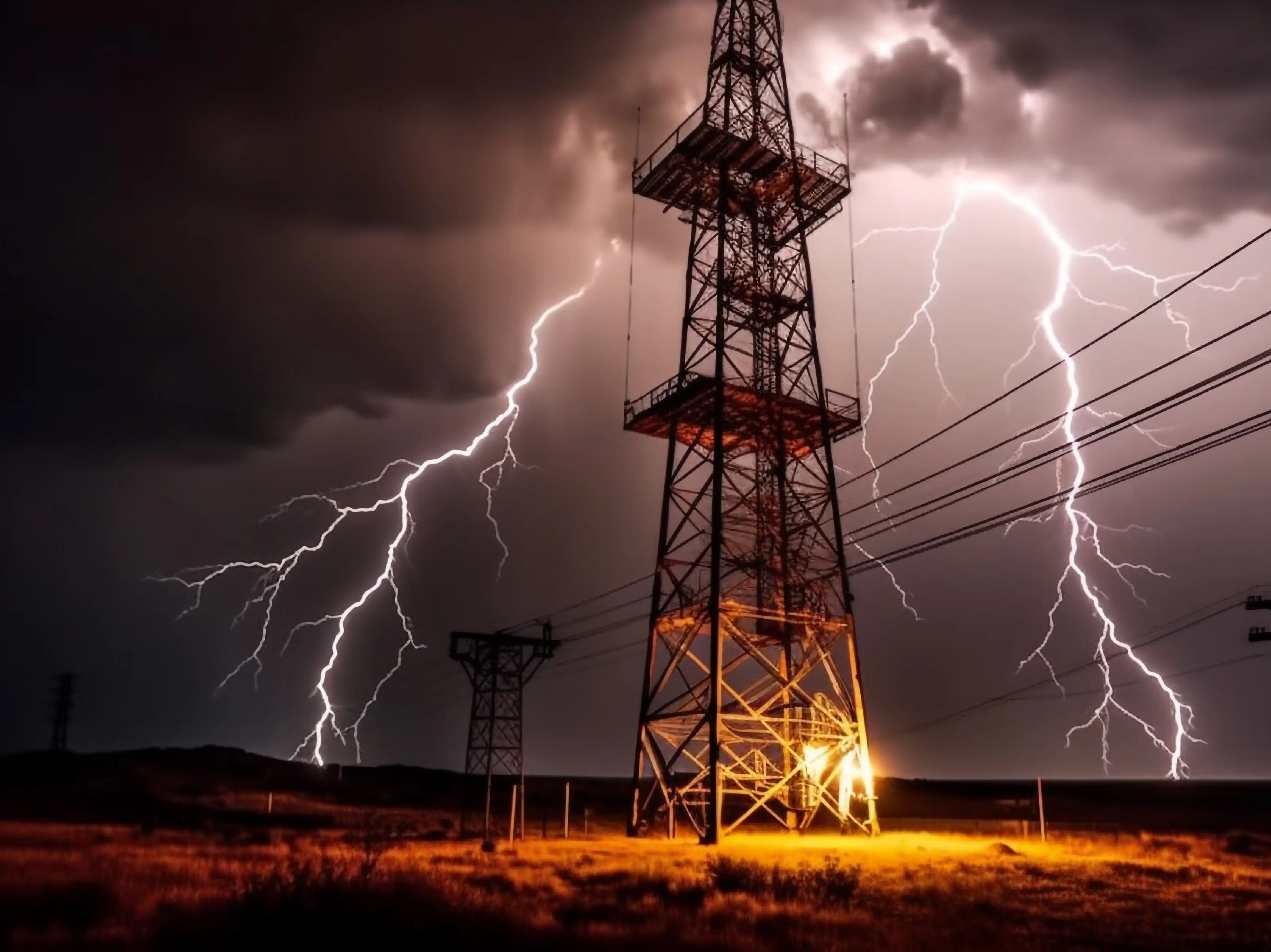
In the recent past, India's rapid renewable energy expansion has begun to outpace its transmission and evacuation infrastructure, with the government estimating a need for more than 61,000 circuit kilometres of additional inter-state transmission capacity by 2029-30. Industry analysts note that around 50 GW of renewable energy capacity remains stranded across India due to transmission bottlenecks, leading to cost overruns and delayed returns. Against this backdrop, energy sector leaders are increasingly emphasising that generation and grid infrastructure must be planned together rather than in isolation.
Narayan Kumar, CEO, Kshema Power India, said, "For decades, India's energy security was defined by one question: Do we have enough fuel to power the nation's growth? Coal, oil, and natural gas dominated the conversation, with energy security focused on ensuring reliable fuel supplies and reducing dependence on imports. Today, India's energy transition has entered a new phase. As renewable energy becomes the backbone of the country's power mix, the focus is shifting from securing fuel to securing the grid. The challenge is no longer just generating clean energy but ensuring it is transmitted efficiently, integrated seamlessly, and delivered reliably to consumers."
He added that India has achieved a remarkable journey in expanding wind and solar capacity. However, renewable sources of energy are fundamentally different from conventional power generation. Kumar noted that Wind and solar projects are always situated in resource-rich regions, quite distant from industrial hubs and urban demand centres. Even the most efficient renewable projects cannot work at their complete potential, without strong networks for transmission, substations, and power evacuation infrastructure.
Also read: EXPLAINED: Why crude oil shocks hit India harder than other major economies — And how can it change?
Trending Stories
&im=FitAndFill=(700,400)&imwidth=180&imheight=135&format=webp&quality=medium)
What is the real meaning behind Pete Hegseth's tattoos?
&imwidth=180&imheight=135&format=webp&quality=medium)
Rising Asia Cup 2026 schedule announced, India-Pakistan clash set for Nov 22
&im=FitAndFill=(700,400)&imwidth=180&imheight=135&format=webp&quality=medium)
US midterm elections 2026: Minnesota heads to polls in the shadow of Minneapolis ICE shootings
&imwidth=180&imheight=135&format=webp&quality=medium)
Chemical warehouse explosion in Mexico: Several injured in multiple blasts, 1,000 evacuated in León
&imwidth=180&imheight=135&format=webp&quality=medium)
After France and Italy, protests erupt in Spain: What’s fueling the anger?
&imwidth=180&imheight=135&format=webp&quality=medium)
Saudi says debris fell in Mecca, Medina after missile interceptions; Houthis deny targeting holy cities
&imwidth=180&imheight=135&format=webp&quality=medium)
'My name has always been Ilhan Omar': Congresswoman hits back at Trump, calls him a 'creep'
&imwidth=180&imheight=135&format=webp&quality=medium)
AI slop or smart strategy? South African author Coral Hart defends Her 370 AI- assisted books in 20 months
&imwidth=180&imheight=135&format=webp&quality=medium)
French Open: PV Sindhu storms into final with win over Hina Akechi
&imwidth=180&imheight=135&format=webp&quality=medium)
Tu Hai Meri Kiran box office: Sonakshi Sinha and Zaheer Iqbal's film fails to take off, mints Rs 15 Lakh on day 1
&im=FitAndFill=(700,400)&imwidth=180&imheight=135&format=webp&quality=medium)
Watched Manoj Bajpayee’s Gajab Raat on Netflix? 5 movies and TV shows to watch next on OTT
&imwidth=180&imheight=135&format=webp&quality=medium)
Why Europe’s protests are about more than austerity and rising costs
&imwidth=180&imheight=135&format=webp&quality=medium)
Farooq Abdullah says Pakistan’s raising of Kashmir issue keeps pressure on Delhi
&imwidth=180&imheight=135&format=webp&quality=medium)
US Midterms 2026: Dead for years, paedophile Jeffrey Epstein finds mention in over 500 campaign ads; Texas alone spent $10 million
&imwidth=180&imheight=135&format=webp&quality=medium)
India-China face-off continues near Arunachal’s Taksing, reveals ITBP chief in first official confirmation of tensions
&imwidth=180&imheight=135&format=webp&quality=medium)
Chorbagan stampede: A week later, the strangest visarjan Kolkata has seen
&imwidth=180&imheight=135&format=webp&quality=medium)
Bodies of 2 missing Japanese climbers recovered from Himalayan peak
&imwidth=180&imheight=135&format=webp&quality=medium)
France protests: 135 arrested, weapons seized as fresh demonstrations erupt amid heavy security
&imwidth=180&imheight=135&format=webp&quality=medium)
'You’re a horrible little reporter, aren’t you?': Trump snaps at NBC reporter questioning his support for Ramaswamy's campaign ad
&imwidth=180&imheight=135&format=webp&quality=medium)
Tu Hai Meri Kiran film review: Sonakshi Sinha and Zaheer Iqbal's thriller gets tangled in its own twists
&imwidth=180&imheight=135&format=webp&quality=medium)
Horrific video shows the moment 18-year-old fell to her death from Mexico amusement park ride
&imwidth=180&imheight=135&format=webp&quality=medium)
AI just found a flaw in software running most of the web! One request hijacks the server
&imwidth=180&imheight=135&format=webp&quality=medium)
Albania protests enter 12th day as students clash with police, demand Rama's exit
&imwidth=180&imheight=135&format=webp&quality=medium)
Britain is building the world's first AI biosecurity lab, with OpenAI and Anthropic inside
&imwidth=180&imheight=135&format=webp&quality=medium)
Can Putin cheat death? All about his daughter’s billion-dollar quest for immortality
&imwidth=180&imheight=135&format=webp&quality=medium)
Pakistan airline PIA unveils new crew uniforms, faces online criticism
&imwidth=180&imheight=135&format=webp&quality=medium)
Pezeshkian says Iranians ‘struggling to put food on the table’ as war with US drags on
&im=FitAndFill=(700,400)&imwidth=180&imheight=135&format=webp&quality=medium)
New Friday OTT releases (October 23, 2026): Gajab Raat, Dorothy, Chaar Yaar- Watch these 6 new movies and TV shows on Netflix, Prime Video and more
&imwidth=180&imheight=135&format=webp&quality=medium)
UK Police confirm receiving letter containing number of claims about Meghan Markle's father in 2019, not 2018
&imwidth=180&imheight=135&format=webp&quality=medium)
Hitler’s ‘Eagle’s Nest’ mountain retreat wrecked by fire, suspect detained: What to know about the Nazi-era site
&imwidth=180&imheight=135&format=webp&quality=medium)
Trump invokes Operation Sindoor at US midterm rally, claims 250% tariffs stopped India-Pakistan war
&imwidth=180&imheight=135&format=webp&quality=medium)
Viral video shows cross falling on Colombia priest, no official confirmation | WATCH
&imwidth=180&imheight=135&format=webp&quality=medium)
France protests: Clashes erupt between police and protesters in Paris as nearly 410,000 take to streets across country
&imwidth=180&imheight=135&format=webp&quality=medium)
'Already tired of his 9-to-5': Baby born with a moustache becomes internet sensation, video goes viral | Watch
&imwidth=180&imheight=135&format=webp&quality=medium)
Could you survive 3 days without power? UK tells households to prepare now
"This is where grid security becomes central to India's clean energy future. A resilient grid is not merely a network of transmission lines; it is an intelligent system capable of managing variable renewable generation, maintaining grid stability, and delivering uninterrupted power. Investments in transmission corridors, modern substations, digital monitoring, and smart grid technologies are no longer supporting initiatives—they are strategic national priorities," he added.
"At Kshema Power, we have witnessed this transformation firsthand. Through the execution of more than 5.2 GW of renewable energy infrastructure globally, including over 4.5 GW of wind EPC projects, 2,000 kilometres of power transmission lines, and 2,400 MVA of substation capacity, one lesson has become increasingly clear: renewable energy generation and transmission cannot be planned in isolation. They must evolve together. Every transmission line commissioned enables renewable power to reach the grid. Every substation strengthens network reliability. Every integrated EPC project helps accelerate India's clean energy transition. As project scales continue to grow, timely execution, engineering excellence, and coordinated infrastructure planning will determine how quickly renewable energy can be integrated into the national grid," Narayan Kumar added.
Narayan Kumar went on to note that success in India's energy transition going forward won't simply be judged by the volume of renewable megawatts added, but by how robust, resilient, and smart the infrastructure connecting that power to end users truly is. While fuel security once formed the bedrock of India's economic development, he said grid security will now determine the country's path toward a sustainable future. He stressed that balanced investment in both renewable generation and transmission capacity is key to building a power system that's dependable, forward-looking, and equipped to meet the nation's long-term energy goals, adding that the real measure of progress isn't just generating more clean energy, but making sure it reliably and efficiently reaches its destination at scale.
Fuel supplies to securing the electricity grid
Highlighting a decades-long objective, Pawan Kumar Garg, Founder & Joint Managing Director, Fujiyama Power Systems, stated that India's energy strategy was driven by fuel security, as providing reliable access to coal, oil and natural gas was essential to power economic growth. He noted that India's energy transition has entered a new phase. As renewable energy capacity accelerates, the focus is shifting from securing fuel supplies to securing the electricity grid itself.
"India has already crossed a major milestone, with nearly half of its installed power capacity coming from non-fossil fuel sources. The target of 500 GW of non-fossil capacity by 2030 is now within reach. But adding renewable generation alone will not guarantee energy security. The real challenge lies in integrating intermittent solar and wind power while maintaining a stable, resilient and affordable grid," he said.
"The government has seen this. Take action. They have started something called Viability Gap Funding to help with the cost of storing energy in batteries. This makes it easier for people to start projects that use power and store energy because it used to be very expensive. Now, when the government asks people to build power projects, they also want them to include a way to store energy in batteries. This means that people are planning how to make energy and store it at the time," he added.
Pawan Kumar Garg, meanwhile, pointed to the growing adoption of rooftop solar panels as a shift already reshaping how power is accessed. He explained that generating electricity at home cuts down on the energy typically lost during long-distance transmission and eases pressure on the grid during peak demand periods.
According to Garg, households with solar panels are gaining greater control over their own energy needs rather than relying entirely on external supply, a trend turning more homes into power producers in their own right. He emphasised that grid security isn't about a single investment area but requires a systems-level approach, encompassing storage, transmission, digital forecasting, and decentralised generation working in tandem.
"India is changing the way it uses energy. We are not just replacing fuels with clean energy. We are building a new power system. This system needs to be able to support a big economy, one that is worth $10 trillion. At the same time, it needs to make sure that industries, businesses and households always have electricity. Grid security is the key to India being independent when it comes to energy. Grid security is what will really make this happen. Grid security is the foundation of India's energy independence," he further said.

