

With India making significant investments in the Gaganyaan human spaceflight programme, the proposed Bharatiya Antariksh Station (India’s own space station), and the Chandrayaan-series of Lunar exploration missions, the country must focus on fundamental Research and Development in the Science domain, said ISRO Chief Dr. V. Narayanan. Emphasising that even school students would question the rationale behind the government spending taxpayers’ money on such expensive, high-profile missions, he added that such spending can be justified only with focussed science experiments being carried out. He urged the Indian space science fraternity to review existing scientific literature and frame proper, unique experiments. The chief of the Indian space agency made these remarks during the formal announcement of the 23rd National Space Science Symposium (NSSS) that would be hosted by the North Eastern Space Applications Centre (NESAC) in 2026.
The NSSS is India’s flagship event for space science. Held once in two years, the event brings together experts from ISRO, academia, autonomous institutes, and research institutes.
Explaining the importance of the event, ISRO’s Scientific Secretary Ganesh Pillai said, NSSS is a key platform for researchers, scientists, and academicians. It spans multiple domains, including atmospheric science, near-earth space, the solar system, astronomy, and astrophysics. It covers all aspects of space science—from surface to cosmos.

At the event, new science discoveries are unveiled, tech advancements are discussed, and it is crucial for exchanging scientific results, he added. The scientific sessions at the NSSS will witness the unveiling of research data from ISRO’s space science and exploratory missions.
India is looking to make a huge investment and build our Bharatiya Antariksh Station (BAS) that weighs 52 tonnes. Such initiatives would be justified only when we do meaningful and useful science. Further, he contemplated on the need for assigning an ISRO Project Director to oversee science experiments and concentrate exclusively on that domain.
“During my visits, I witnessed that foreign universities are doing a different class of science experiments, likewise, Indian laboratories need to give due importance to science,” he added. He said that science had to be a key focus area in India, just like routine activities such as satellite building for earth observation, communication, remote sensing, and building and launching rockets.
Trending Stories
)
What’s in a name? Trump’s 'Lake America' move gets a tit-for-tat response from Canada
)
Outrage erupts after 3-year-old is married to 60-year-old man in Pakistan, link to her sister's murder being probed
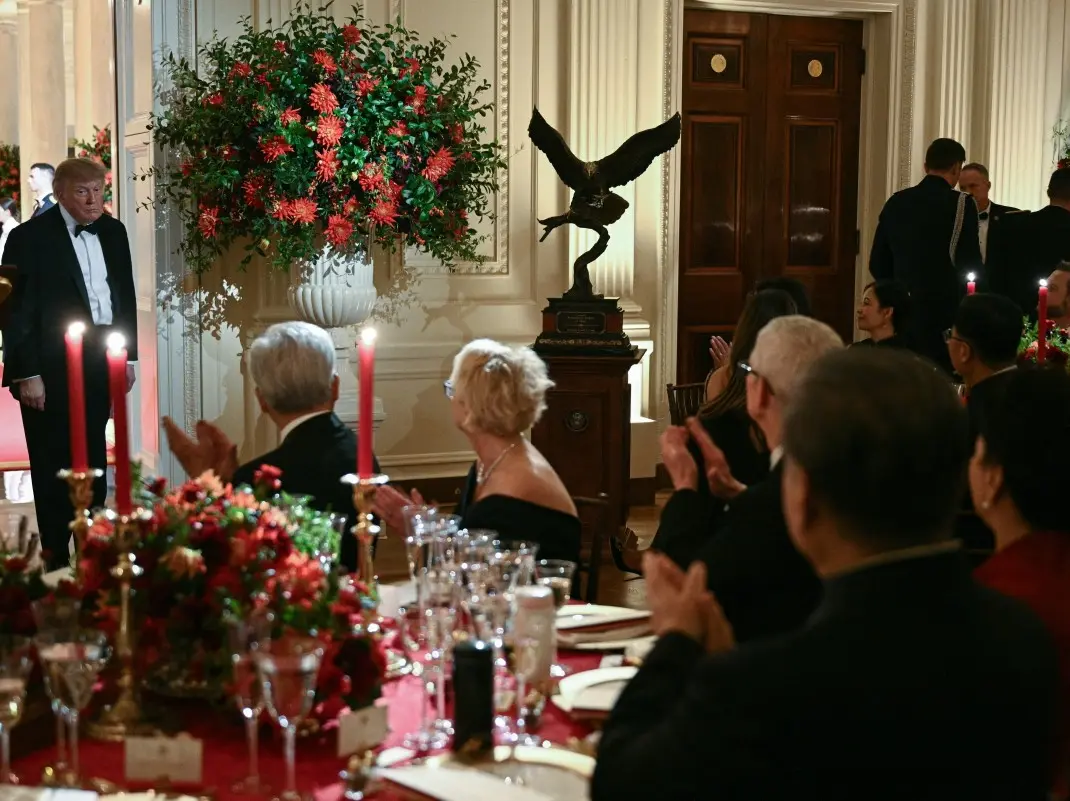)
Trump gifts Xi a bald eagle sculpture at White House dinner: Here’s what it symbolises
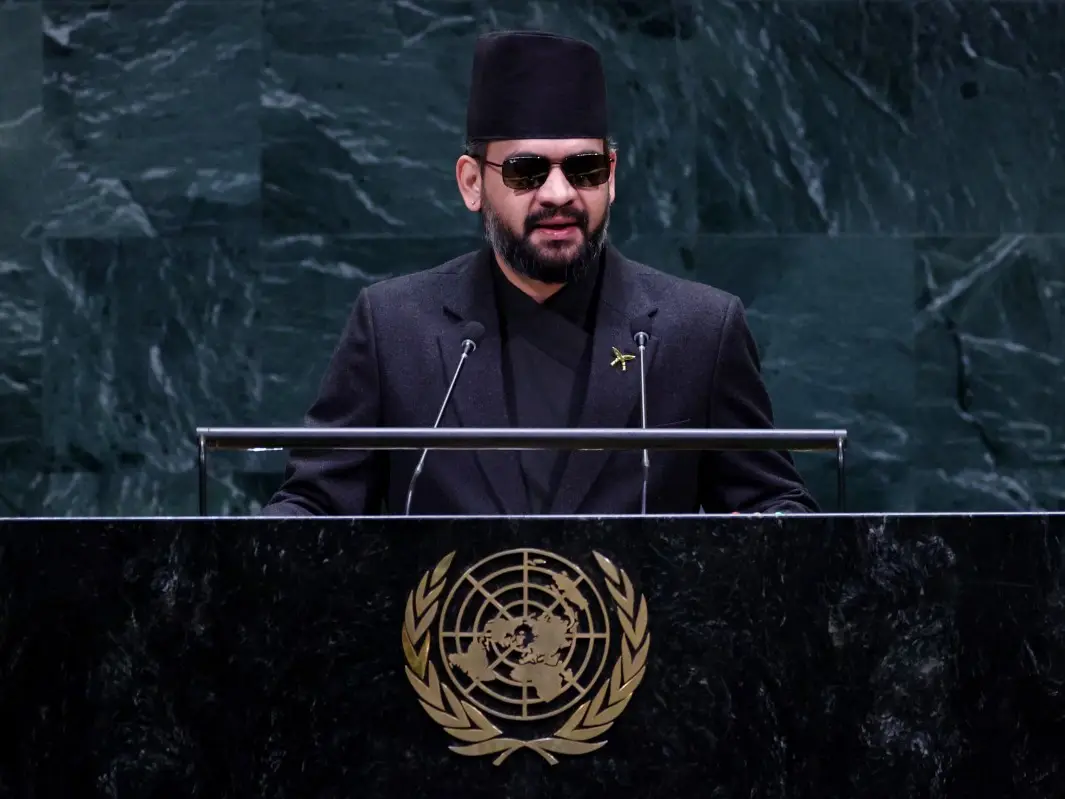)
‘Not just a local tragedy’: Nepal PM Shah warns UN of growing climate threat, says Nepal floods were 'a warning to the world'
)
Farhan, who went viral for AK47 celebration vs India in Asia Cup, hopes to lead Pakistan beyond Asian Games
)
CNN, Politico and MS NOW back in White House after judge blocks Trump’s media ban
Don't Be Shy movie review: A frothy coming-of-age tale that is too shy to experiment
)
IIT Bombay CCTV footage emerges: Sahil Wakode seen looking at phone in examination hall
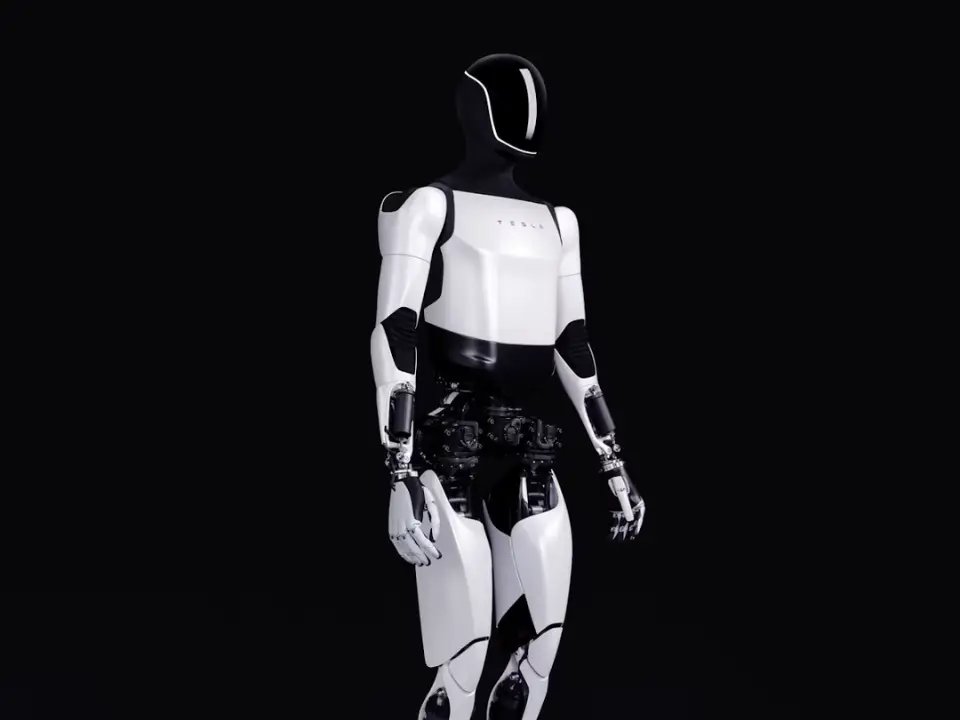)
Tesla is preparing something big for Optimus: new Gen 3 models surface in app
)
Bias or safety concerns? Bengaluru CEO says firm will not hire men from UP, Bihar, Rajasthan, MP. Here's why
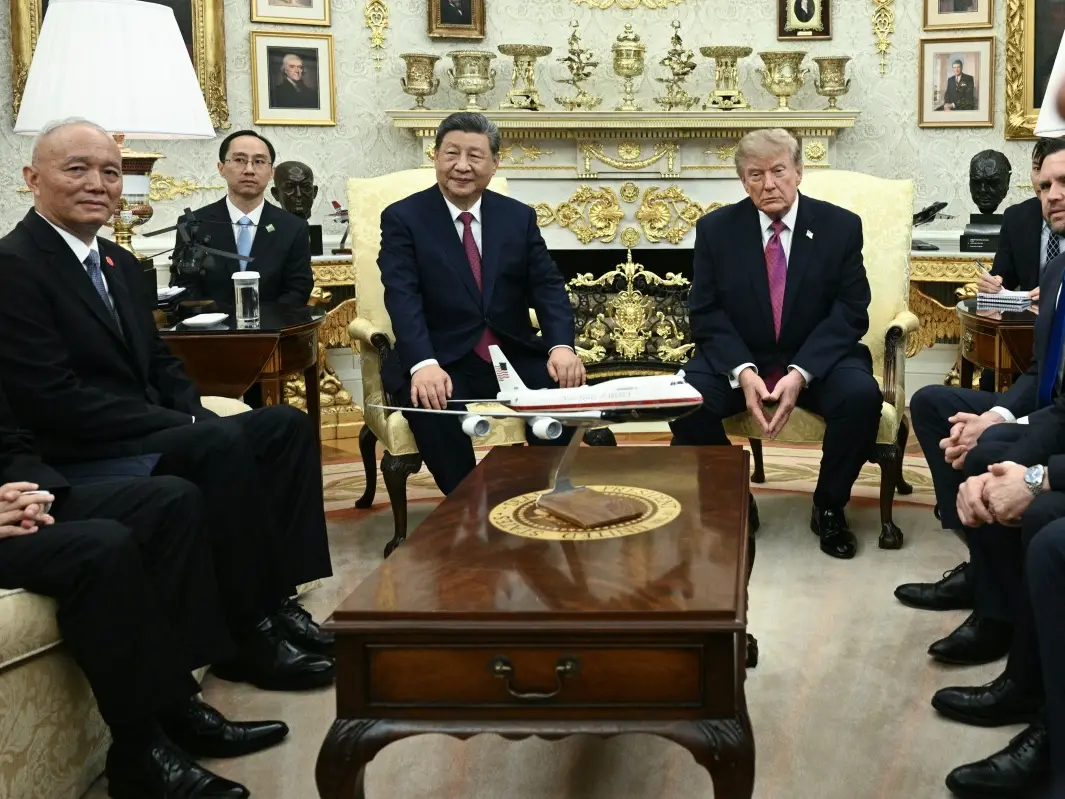)
Trump's welcome to Xi demonstrates 'attraction' to dictators: Chuck Schumer
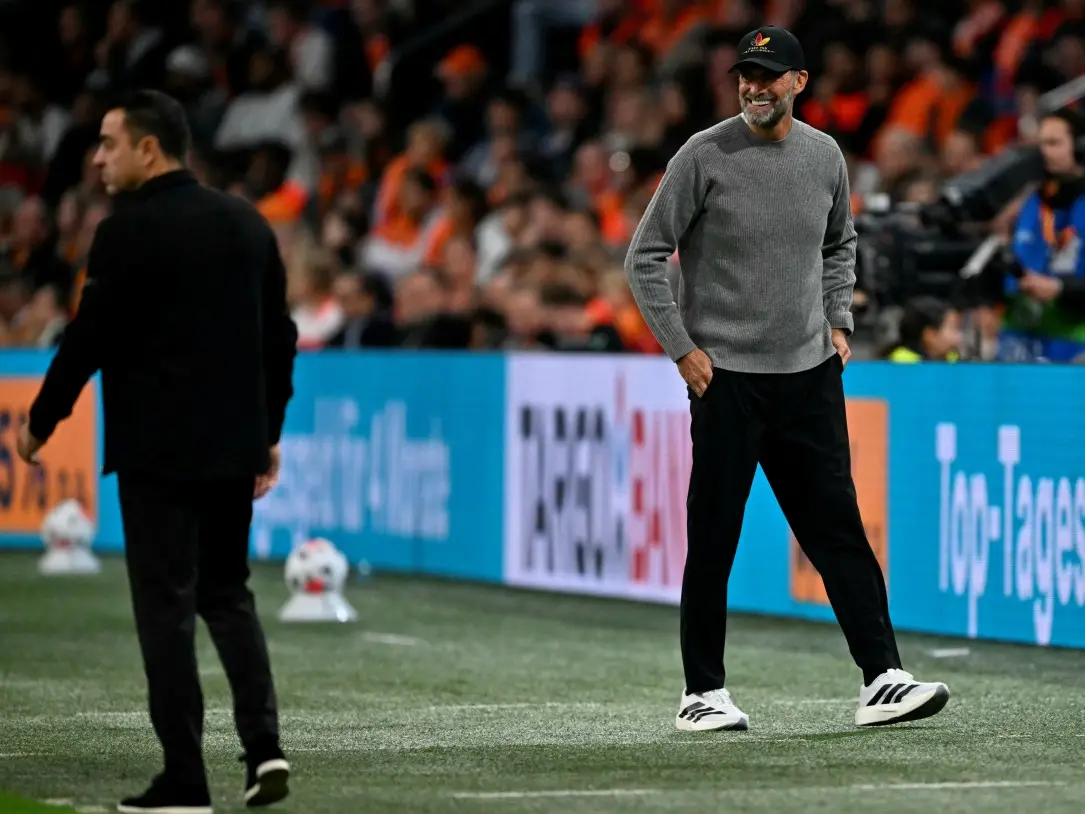)
Nations League: Germany draw on Klopp debut; Portugal, Norway win
)
WION Iconic Tourism Summit 2026: Union Minister Shekhawat on 'experiential travel', peace diplomacy
)
Scientists detect first radio signals directly from faraway planet
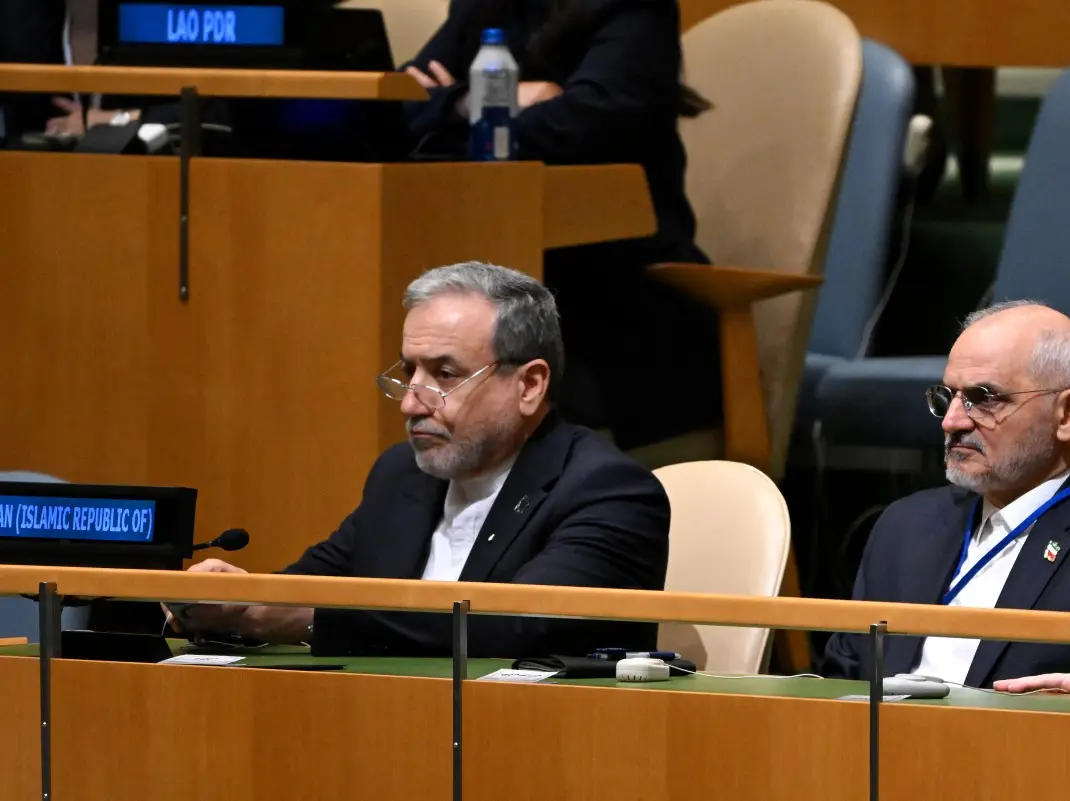)
A seven-day roadmap? Iran proposes plan to end war, reopen Strait of Hormuz and resume nuclear talks
)
China to test supersonic jet that moves at Mach 2, double the speed of sound
)
The Vvaan Review: This Ekta Kapoor's Tulsi Virani-coded world can't be saved by Sidharth Malhotra and Tamannaah Bhatia
)
Xi Jinping's 'special plane' vs Trump's Air Force One: What's the difference?
)
UNGA 2026: Israeli PM attacks Britain, France for past colonialism
)
West Indies coach Sammy looking at India series as opportunity to finetune ahead of ODI World Cup 2027 qualifiers
)
‘We’ve never gotten along better’: Trump praises Xi, jokes about White House ballroom at high-stakes state dinner
)
Air India pilot suspended after failing pre-flight alcohol test on Zurich-Delhi route
)
Yemen called Trump for US military support in fight against Houthis: Official
)
2,000-foot tube, laser tests and more: China builds towns to expand nuclear arsenal, satellite images show
)
Meet Adrian Abraham: 9-year-old Indian-origin guitar prodigy aiming for a Guinness World Record
)
US faces fresh cost crunch as mortgage rates hit 7%, oil tops $107 and gas prices surge
)
'Blockbuster' nor'easter develops an eye similar to hurricanes as warnings are issued
)
Alarming video emerges as landslide damages houses in Sikkim’s Rimbi village. Watch
)
OpenAI is building AI to fight cyber threats: What GPT-6 Cyber means for security
)
'Making history': Xi Jinping praises Trump as US-China leaders dine at White House
)
'What kind of confession is this?': Pakistan PM Shehbaz Sharif’s 'terrorists would be roaming New York' remark goes viral, raises alarm online. Watch
&im=FitAndFill=(700,400))
Netanyahu at UN: Mass walkout, attack on Mamdani and Iran threats | In Pics
)
'We do not wish to continue. It's America that must choose': Iran president Pezeshkian calls on US to end war
)
WION Iconic Tourism Summit: How local tourism MSMEs must upskill for AI integration
)
Bollywood mourns Mushtaq Khan: Sunny Deol, Rajpal Yadav and others pay tribute
)
'FIRST LOOK from inside Noah’s Ark': Researchers share video from inside mysterious mound in Turkey
)
Israeli envoy to US Yechiel Leiter’s son critically injured in West Bank ramming attack
)
'Fund people, not bombs': Hundreds take to New York streets as Netanyahu delivers speech at UN; dozens arrested
)
Referring to the Indian Aditya-L1 sun-study mission which reached its destination L1 point in early 2024, Dr. Narayanan mentioned that ISRO was releasing science data in tranches of over 5 terabytes (more than 5,000GB) each. He urged his fraternity that the science data and findings derived from Indian missions such as the Chandrayaan-series must not remain confined to the elite circles within academia and scientists, but must reach the villages of the country and the commoners. “Commoners know that Chandrayaan-3 landed on the moon, but how many know that the mission found minerals in the lunar soil, measured the temperature variation there and also detected seismic activity on the moon?,” the ISRO Chief asked.
Recently, we sent our Gaganyatri Shubhanshu Shukla to the Space Station. Sending him is one aspect—sending (rocket launch) is by a foreign nation, we (India) have paid money, with that expertise he will be sent safely, that is equivalent to a little more than aircraft travel, but what is the output? Of course, there is a confidence gaining, experience etc. But the main output is the seven science experiments being carried by Shukla.
Referring to the importance of Shukla’s experiments in space, Dr. Narayanan mentioned about how they would involve studies about the muscle system and their behaviour in the microgravity environment of space, and growth of seeds in the space environment, among others.
