Explainer: Usage of Drones by Indian Army

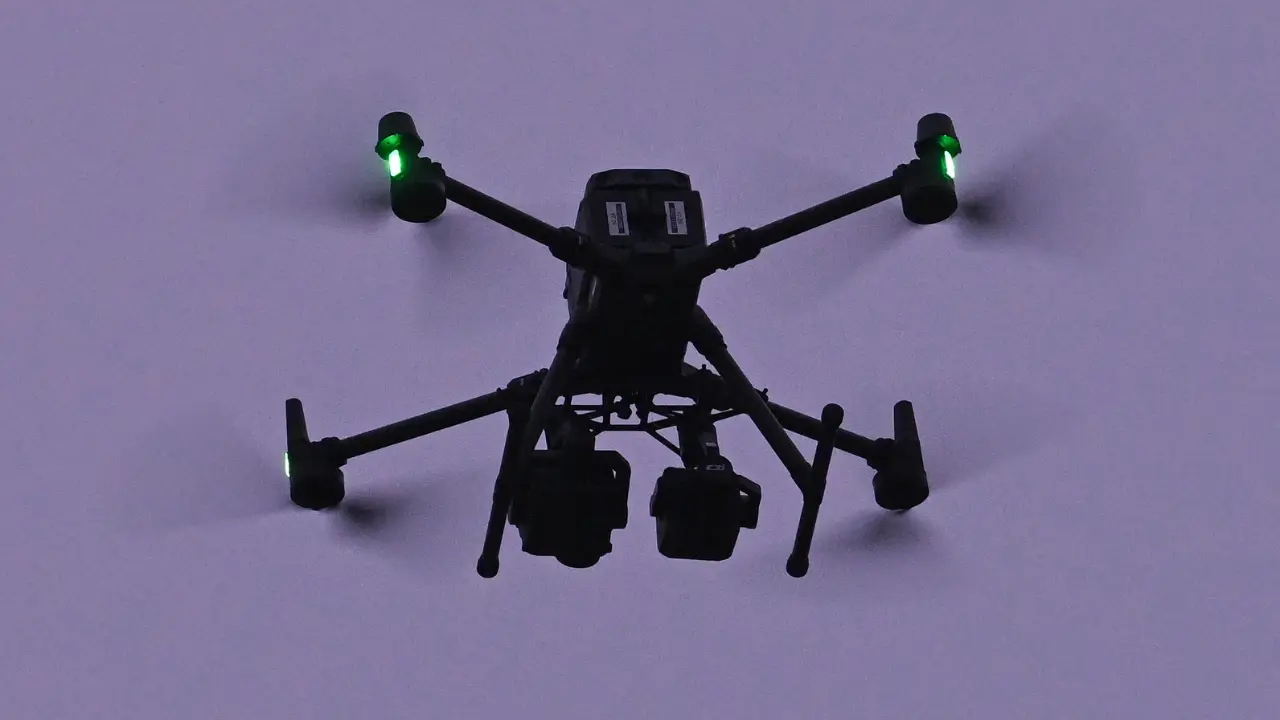
India News | Given India's vast and often difficult terrain, particularly in border regions, use of drones are a must for real-time intelligence gathering, surveillance, and targeted precision strikes.
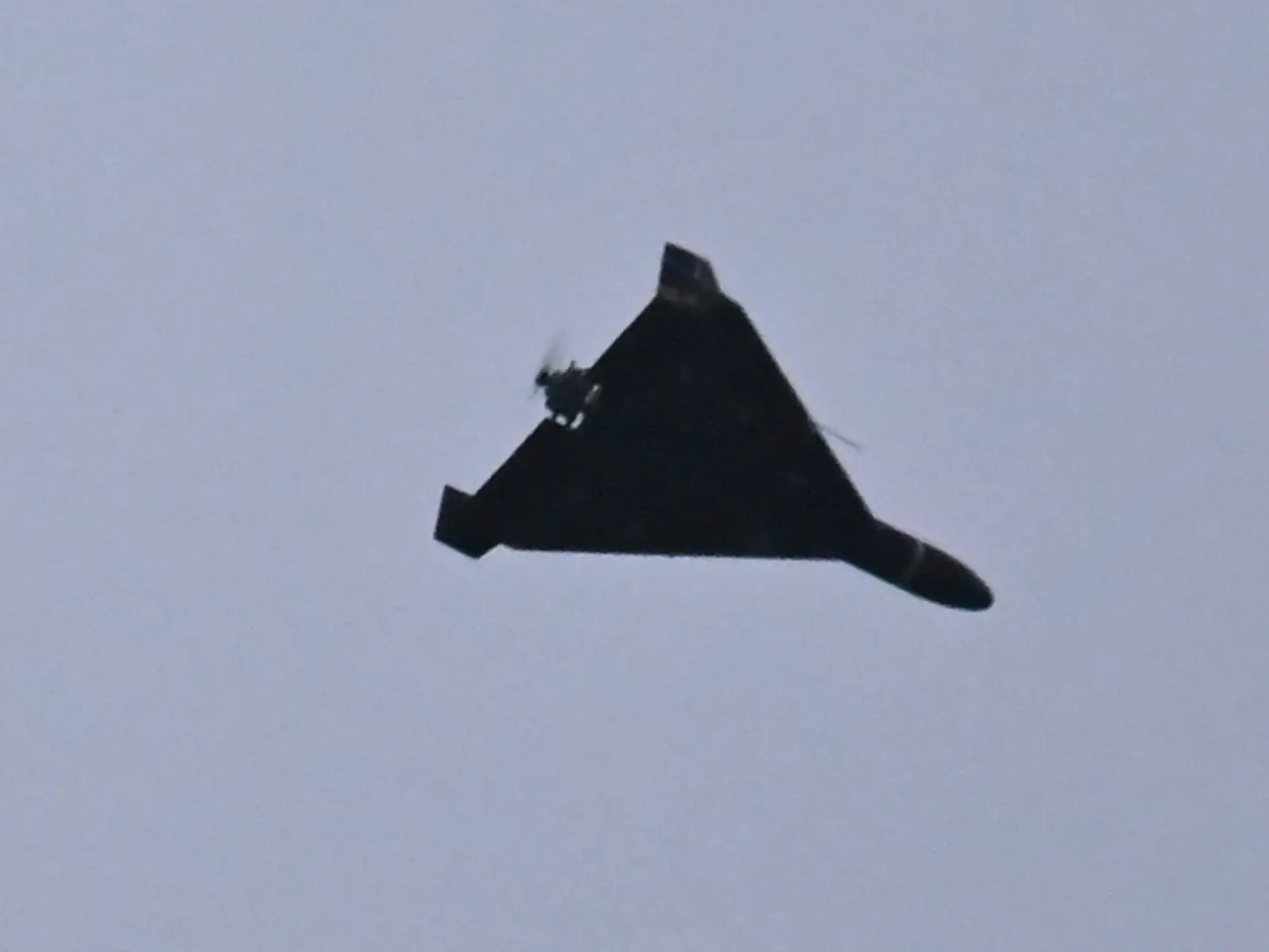
The Indian Army employs a variety of drones for multiple operational purposes, including surveillance, reconnaissance, logistics, and combat. Drones remain key to battlegrounds today, something that was clear after the usage seen in Russia Ukraine and Azerbaijan-Armenia conflicts.
Wion explains the current usage, and the future of drones:
Are Drones or UAVs a necessity for India?
Given India's vast and often difficult terrain, particularly in border regions, use of drones are a must for real-time intelligence gathering, surveillance, and targeted precision strikes. UAVs play a key role in counter-insurgency operations, border security, and internal security missions.
In Jammu & Kashmir, for instance, drones have been instrumental in tracking insurgent movements and monitoring cross-border infiltration.
Drones are used in Humanitarian Assistance and Disaster Relief(HADR) to provide real-time assessments in disaster zones, helping in search-and-rescue operations during floods, earthquakes, and other calamities.
Also Read: 'India has no role to play': MEA rules out involvement in Hasina's speech, summons Bangladesh envoy
Trending Stories
&imwidth=280&imheight=210&format=webp&quality=medium)
&imwidth=280&imheight=210&format=webp&quality=medium)
&imwidth=280&imheight=210&format=webp&quality=medium)
&imwidth=280&imheight=210&format=webp&quality=medium)
&imwidth=280&imheight=210&format=webp&quality=medium)
&imwidth=280&imheight=210&format=webp&quality=medium)
&imwidth=280&imheight=210&format=webp&quality=medium)
&imwidth=280&imheight=210&format=webp&quality=medium)
&imwidth=280&imheight=210&format=webp&quality=medium)
&imwidth=280&imheight=210&format=webp&quality=medium)
&imwidth=280&imheight=210&format=webp&quality=medium)

&imwidth=280&imheight=210&format=webp&quality=medium)
&imwidth=280&imheight=210&format=webp&quality=medium)
&imwidth=280&imheight=210&format=webp&quality=medium)
&imwidth=280&imheight=210&format=webp&quality=medium)
&imwidth=280&imheight=210&format=webp&quality=medium)
&imwidth=280&imheight=210&format=webp&quality=medium)
&imwidth=280&imheight=210&format=webp&quality=medium)
&im=FitAndFill=(700,400)&imwidth=280&imheight=210&format=webp&quality=medium)
&imwidth=280&imheight=210&format=webp&quality=medium)
&imwidth=280&imheight=210&format=webp&quality=medium)
&imwidth=280&imheight=210&format=webp&quality=medium)
&imwidth=280&imheight=210&format=webp&quality=medium)
&imwidth=280&imheight=210&format=webp&quality=medium)
&imwidth=280&imheight=210&format=webp&quality=medium)
&imwidth=280&imheight=210&format=webp&quality=medium)
&im=FitAndFill=(700,400)&imwidth=280&imheight=210&format=webp&quality=medium)
&imwidth=280&imheight=210&format=webp&quality=medium)
&imwidth=280&imheight=210&format=webp&quality=medium)
&imwidth=280&imheight=210&format=webp&quality=medium)
&imwidth=280&imheight=210&format=webp&quality=medium)
&im=FitAndFill=(700,400)&imwidth=280&imheight=210&format=webp&quality=medium)
&imwidth=280&imheight=210&format=webp&quality=medium)
&im=FitAndFill=(700,400)&imwidth=280&imheight=210&format=webp&quality=medium)
&imwidth=280&imheight=210&format=webp&quality=medium)
Current usage
The Indian Army relies on Israeli-made Heron and Searcher drones for intelligence, surveillance, and reconnaissance (ISR) missions. While these platforms have proven utility in border surveillance and counter-terrorism operations, the evolving nature of warfare means an upgrade is needed in the range, endurance, and strike capabilities.
Indigenous Developments
As in other domains, today the focus has been developing drones indigenously, and reducing dependence on foreign manufacturers. All in all, to build domestic defense capabilities, under the 'Make in India' initiative. The Defence Research and Development Organisation(DRDO)'s Rustom-II (TAPAS-BH-201) is a Medium Altitude Long Endurance (MALE) UAV and efforts are underway to enhance its capabilities to meet military specifications. Others include DRDO Ghatak, DRDO Lakshya, DRDO Netra. The Indian Army is focusing on building drones with enhanced resistance to electronic jamming and cyberthreats posed by adversaries. Private sector has also been working on its projects.
India's UAV Modernisation Drive
Modernisation seeks to prioritise four pillars. These include: Range Expansion: Future UAVs will be capable of operating beyond 1,000 km, significantly enhancing deep surveillance and reconnaissance missions.
Increased Endurance: New-generation drones will feature endurance exceeding 24 hours, allowing for persistent monitoring and intelligence gathering.
High-Altitude Operations: The next-generation will be designed to operate above 30,000 feet, making them harder to detect and intercept.
Weaponisation: The Indian Army is planning to introduce armed drones, such as the MQ-9B Predator, to enable precision strikes against enemy targets.
Also Read: Major relief for Indians in US as court indefinitely halts Trump's birthright citizenship order
Foreign sourcing: Heron UAV which is manufactured by Israel Aerospace Industries (IAI), the Heron-1 drones have been used by the Indian Army, Navy, and Air Force for surveillance missions. They played a role in search and rescue operations post the 2004 Indian Ocean tsunami.
MQ-9B Sea Guardian, is a high-altitude, long-endurance (HALE) drone from General Atomics Aeronautical Systems (GA-ASI) which has been leased by the Indian Navy and is under consideration for broader use across the services.
The China-Pak angle: China's People's Liberation Army (PLA) is emerging as a global leader in unmanned warfare, operating more than 2,000UAVs, including combat drones like the CH-5, Wing Loong series, and the stealth-capable GJ-11 Sharp Sword. Pakistan, though significantly behind China, has also strengthened its UAV capabilities, operating an estimated 150-200drones, including the CH-3-based Burraq, CH-4B, Wing Loong-1 & 2, and Turkish-made Bayraktar TB2 and Akinci drones. India is naturally taking note of these developments.