ECI rolls out QR code-based ID system to secure vote-counting centres, prevent unauthorised access

&imwidth=600&imheight=450&format=webp&quality=medium "ECI rolls out QR code-based ID system to secure vote-counting centres, prevent unauthorised access")
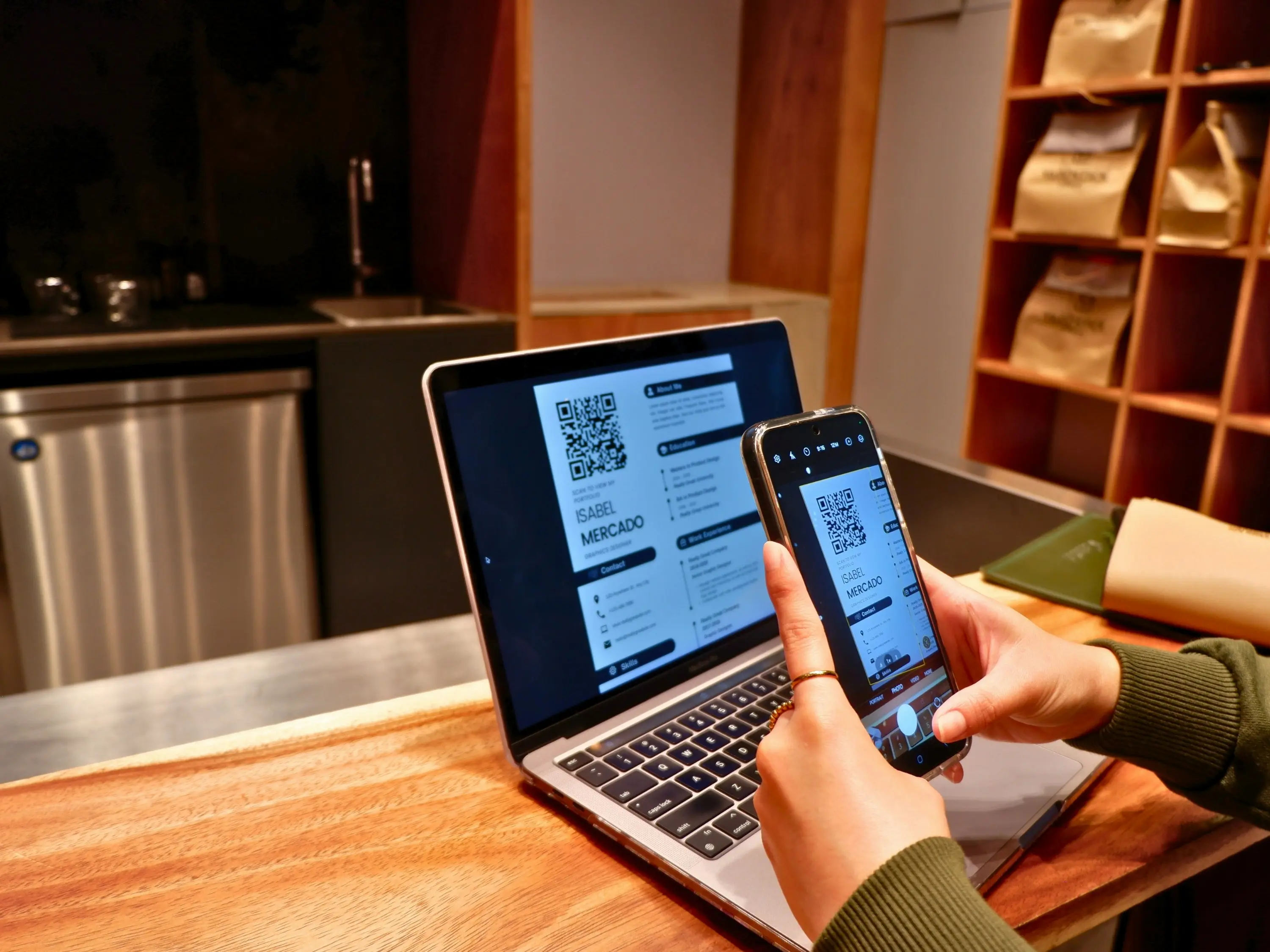
Representative image. Photograph: (Unsplash)
In this initiative, the first two levels will involve manual verification of photo ID cards issued by the Returning Officer, and the final layer near the counting hall will require successful QR code scanning for entry.
The Election Commission of India (ECI) on Thursday announced the introduction of a QR code-based Photo Identity Card system on ECINET in order to strengthen security at counting centres and prevent entry of unauthorised individuals. In the press release, the Commission said, "to eliminate the possibility of any unauthorised persons from entering counting centres, the Election Commission of India has introduced a QR code-based Photo Identity Card module on ECINET."
It said the system will come into effect during vote counting on May 4, 2026, for the General Elections to the Legislative Assemblies of Assam, Kerala, Tamil Nadu, West Bengal and Puducherry, along with bypolls in seven Constituencies across five states.
QR code-based ID cards for Booth Level Officers
The ECI added that the system will be rolled out for all future Lok Sabha and Assembly elections. The initiative is part of over 30 reforms introduced in the past year, including QR code-based ID cards for Booth Level Officers. A three-layer security protocol has been set for counting centres. The first two levels will involve manual verification of photo ID cards issued by the Returning Officer, while the final layer near the counting hall will require successful QR code scanning for entry.
All the authorised persons will be given QR-based identity cards, which include Returning Officers, Assistant Returning Officers, counting staff, technical personnel, candidates, election agents, counting agents and others permitted by the Commission.
The ECI also stated that at counting centres, media facilitation arrangements will be made. "A Media Centre will be set up near the Counting Halls in each Counting Centre for the facilitation of authorised media persons," it said. It further explained that journalists will continue to be allowed entry based on authority letters issued by the Commission, based on the existing guidelines.
Trending Stories
)
)
)
)
)
)
)
)
)
)
)
)
)
)
)
)
)
)
)
)
)
)
)
)
)
)
)
&im=FitAndFill=(700,400))
)
)
)
)
)
)
)
)
&im=FitAndFill=(700,400))
)
)

