EAM Jaishankar to WION: G20 Summit marks an 'inflection point' for a rising India

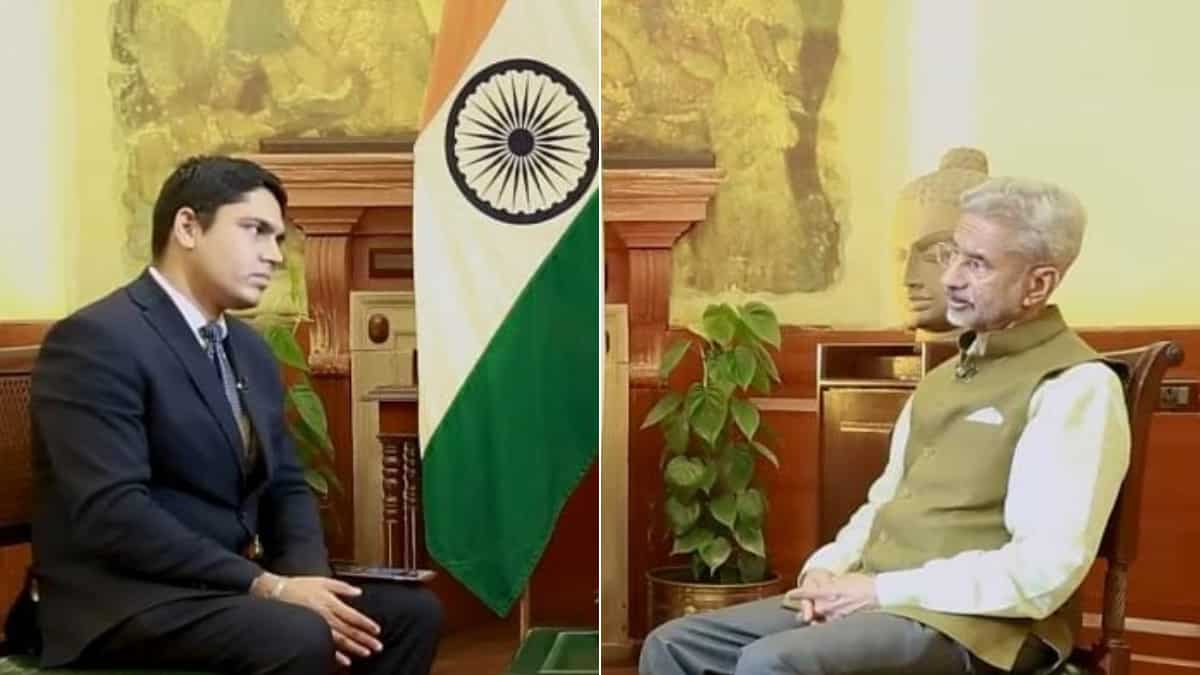
Dr S Jaishankar speaks to WION
In an exclusive interview with WION, External Affairs Minister, Dr Subrahmanyam Jaishankar, expressed his thoughts on India hosting the mega G20 summit, listing out key areas in which India took the lead, including the inclusion of the African Union in the grouping. India hosted the summit on 9-10th of September in Delhi, which saw a gathering of over 20 top global leaders.
"I think history would remember it, as an inflection point, in a graph of a rising India that yes people would say that this was one of those big moments from shaping the agenda, creating a consensus," EAM Dr Jaishankar told our diplomatic correspondent Sidhant Sibal. "I think anybody writing a G20 history would say this was probably one of the most substantive G20s," Dr Jaishankar noted, "These issues will determine the world's future in the next decade."

From reforms in multilateral banks to addressing debt, green development, food security, gender equality, and skills mapping, the G20 countries came together to address issues of global significance.
Jaishankar emphasised that these discussions would have a profound impact on the world's future. Moreover, the summit conveyed a clear message about India's commitment to global collaboration. Jaishankar stated, "India under Prime Minister Narendra Modi is ready, is capable, is willing to really do more, shoulder more, contribute more."
Asked about talks that went behind the G20 Joint statement, Dr Jaishankar praised the G20 countries, saying, "This wouldn't have happened if every one of the G20 countries didn't feel that need to step up and come together."
)
Trump-Xi Summit: Trade, Taiwan and the red lines shaping US-China talks | Race To Power
)
US citizen injured in Illinois after ICE agents mistook him for fugitive, hospitalised
)
US judge questions Trump’s decision to ban CNN, MS NOW and Politico from White House
)
Afghan woman cyclist who disguised herself as a boy to escape Taliban, wins Asian Games medal
)
'There will be elections': Venezuela's interim leader Delcy Rodriguez makes big announcement at UN
)
IIT Bombay CCTV footage emerges: Sahil Wakode seen looking at phone in examination hall
)
Cyclone Arnab: Landfall expected before midnight tomorrow as IMD issues orange alerts across six states
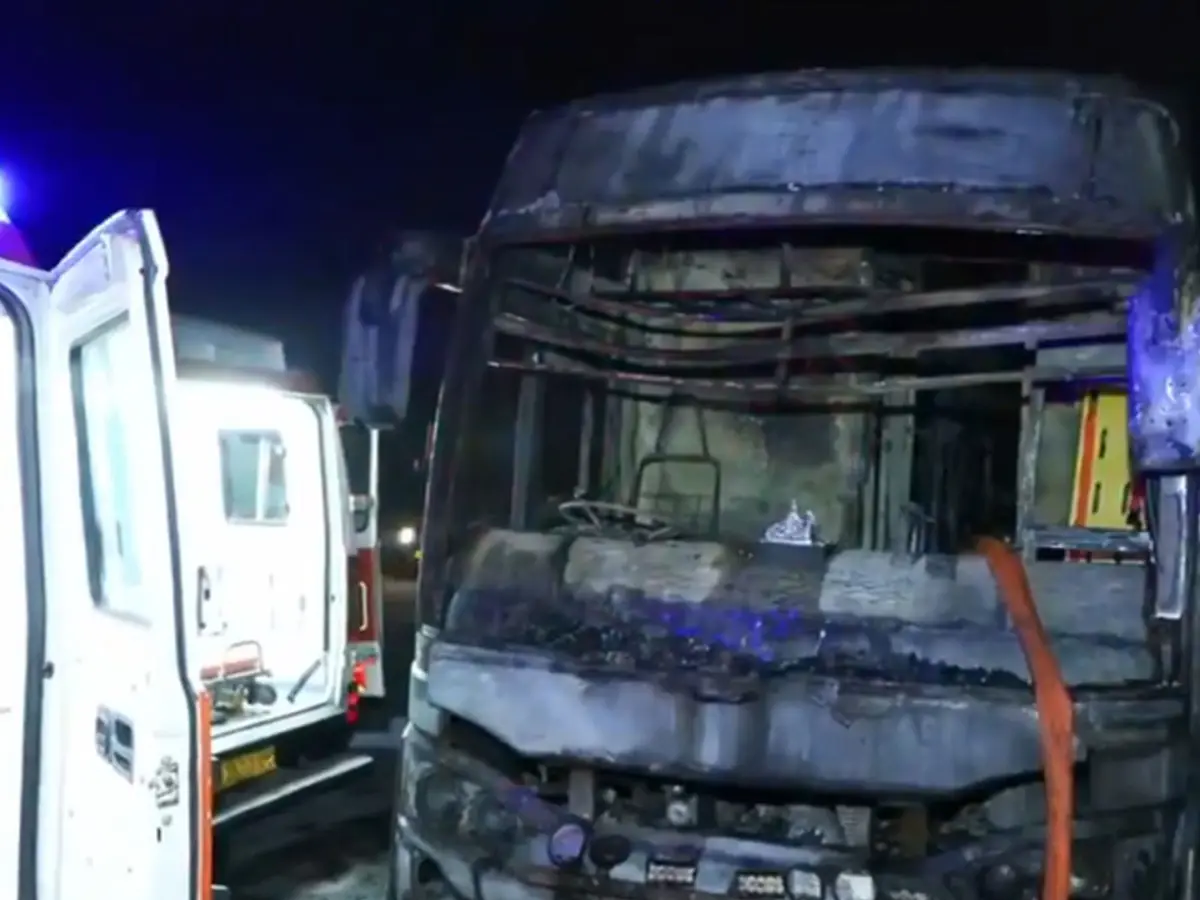)
9 killed, several injured as tourist bus catches fire on Yamuna Expressway
)
NBA player Steven Adams shares hilarious GTA VI theory
)
WION Iconic Tourism Summit 2026: Union Minister Shekhawat on 'experiential travel', peace diplomacy
)
ICC plans T20I expansion and fewer ODIs in 2027–2031 FTP cycle: Report
)
'AI got into my speech': Prince Harry jokes after teleprompter failure at event in New York
)
Scientists detect first radio signals directly from faraway planet
)
China to test supersonic jet that moves at Mach 2, double the speed of sound
)
WION Iconic Tourism Summit: 'Hanuman Ansh' Director on blockbuster success
)
Open AI, Anthropic CEO urges caution over rapid AI development at UN Security Council, call for 'extreme care'
)
Bomb scare in New York amid UNGA: Suspicious suitcase found near UN headquarters
)
Hours before Xi-Trump meeting, US announces visa curbs targeting birth tourism: What is it?
)
'Partners rather than rivals': Xi Jinping's first message after landing in US for Trump summit
)
WION Iconic Tourism Summit: Is India's travel boom outrunning its airports, airlines and hotels?
)
WION Iconic Tourism Summit and Awards 2026: Key voices to discuss India’s tourism future
&im=FitAndFill=(700,400))
New OTT releases this week (September 21-27, 2026): Shaque: Trust No One, Hunkkaar, Don’t Be Shy- 5 new titles coming to Netflix, Prime Video and more
)
WATCH | China President Xi Jinping lands in US as Trump greets him ahead of high-stakes summit
)
Australian PM Anthony Albanese calls OpenAI AI incident 'unacceptable' after restricted data access
)
'What kind of confession is this?': Pakistan PM Shehbaz Sharif’s 'terrorists would be roaming New York' remark goes viral, raises alarm online. Watch
)
WION Iconic Tourism Summit: How local tourism MSMEs must upskill for AI integration
)
Eight USS Abraham Lincoln sailors attempted suicide, Acting Navy Secretary says
)
Pilot recreates Mona Lisa in sky over Oklahoma and Arkansas in four-hour flight: VIDEO
)
Elephants hide behind trees, stage surprise attack on poachers targeting rhinos in South Africa
)
'Putin is patient zero': Zelensky slams Russian president at UNGA, accuses him of using fighters from 47 countries
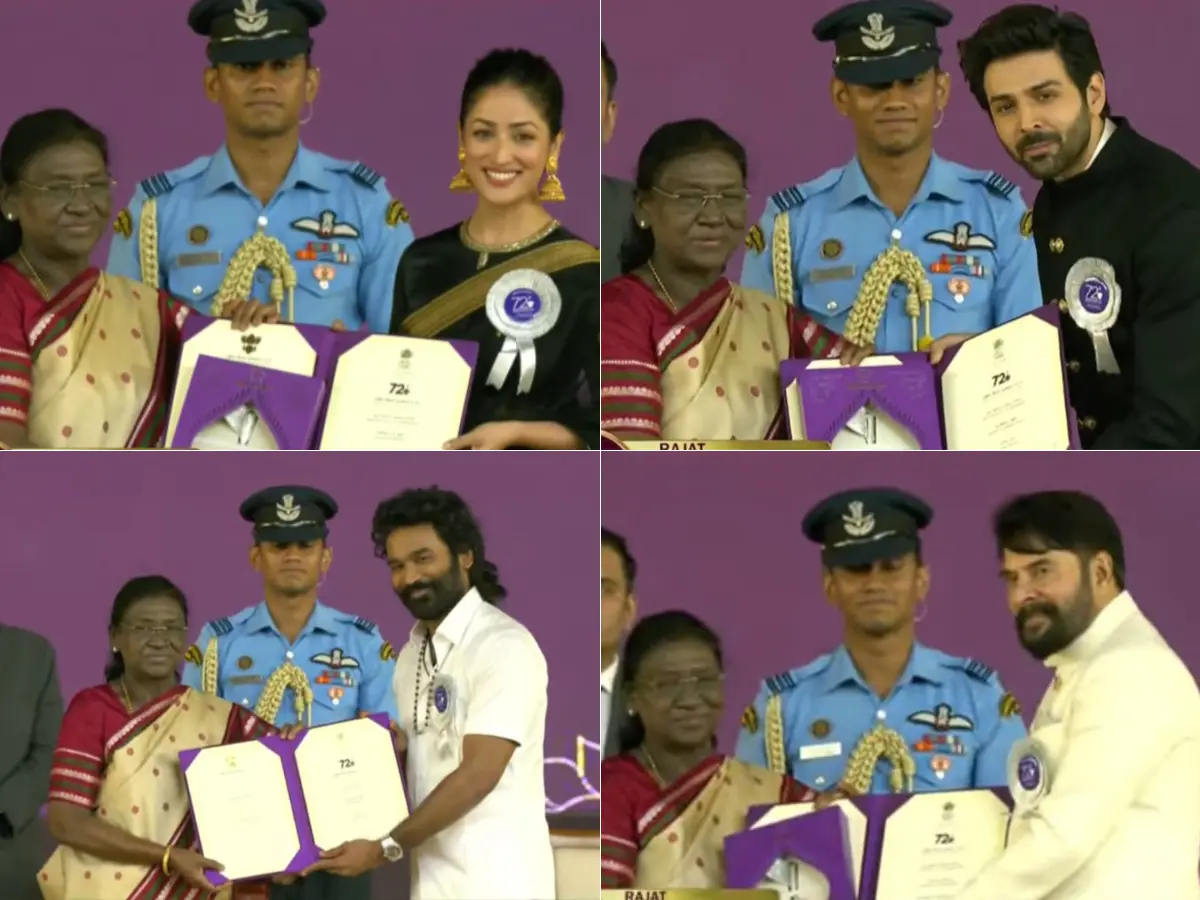&im=FitAndFill=(700,400))
National Film Awards 2026: Kartik Aaryan, Mammootty, Yami Gautam, Randeep Hooda and other key winners
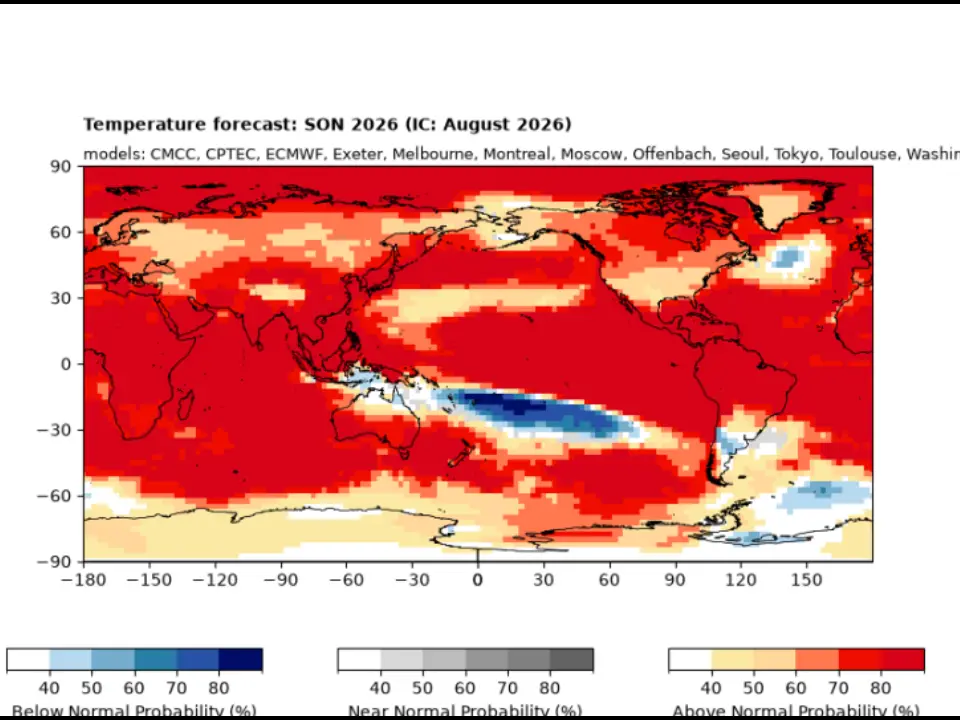)
El Niño 2026 heats up to become strongest in 1,000 years
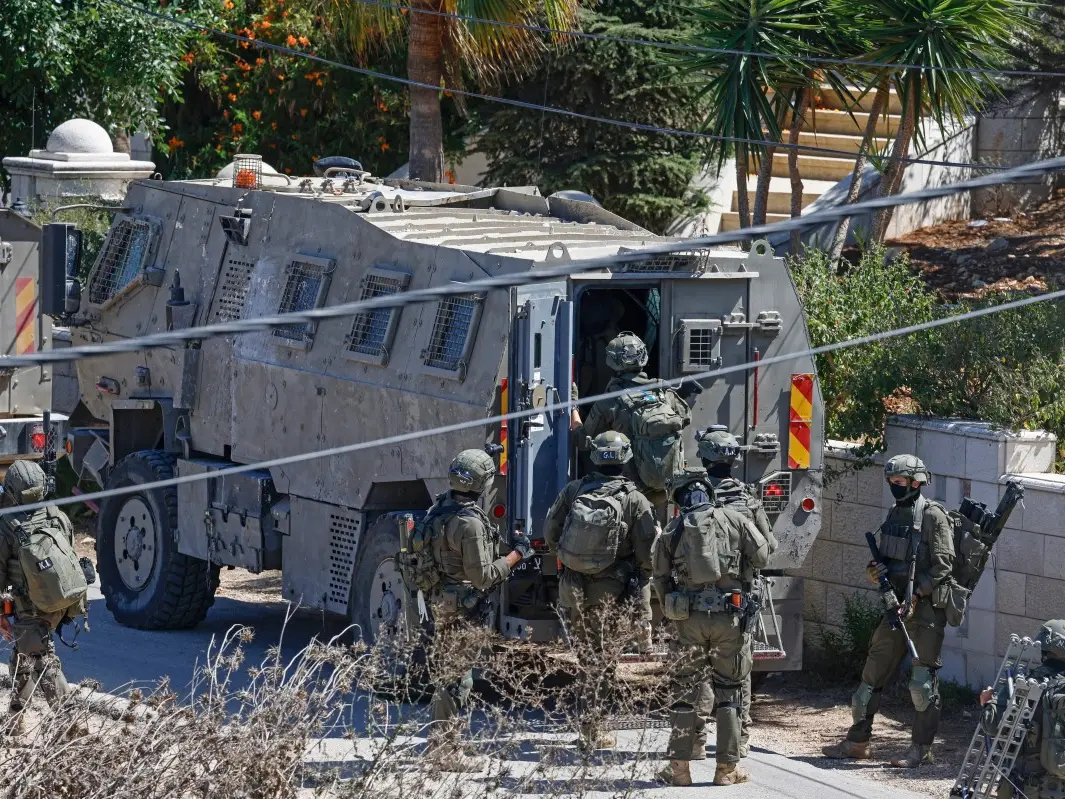)
Israeli envoy to US Yechiel Leiter’s son critically injured in West Bank ramming attack
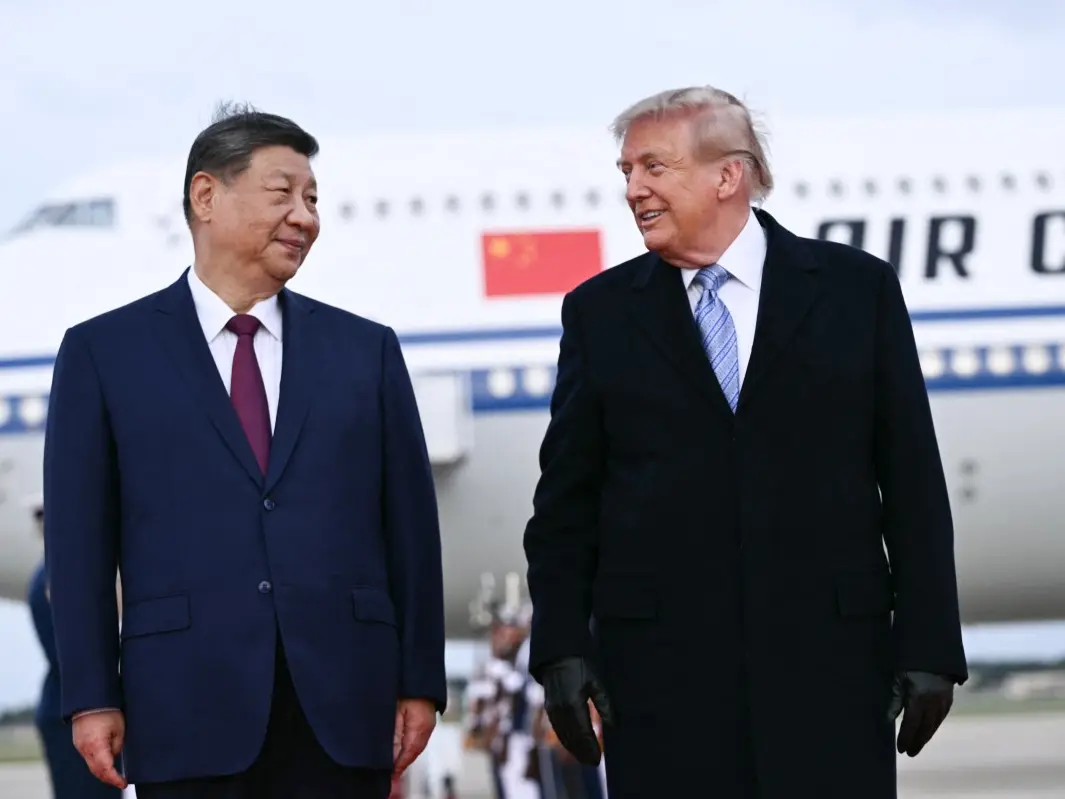&im=FitAndFill=(700,400))
Trump welcomes Xi Jinping in rare airport gesture: Photos from Chinese President's arrival in US
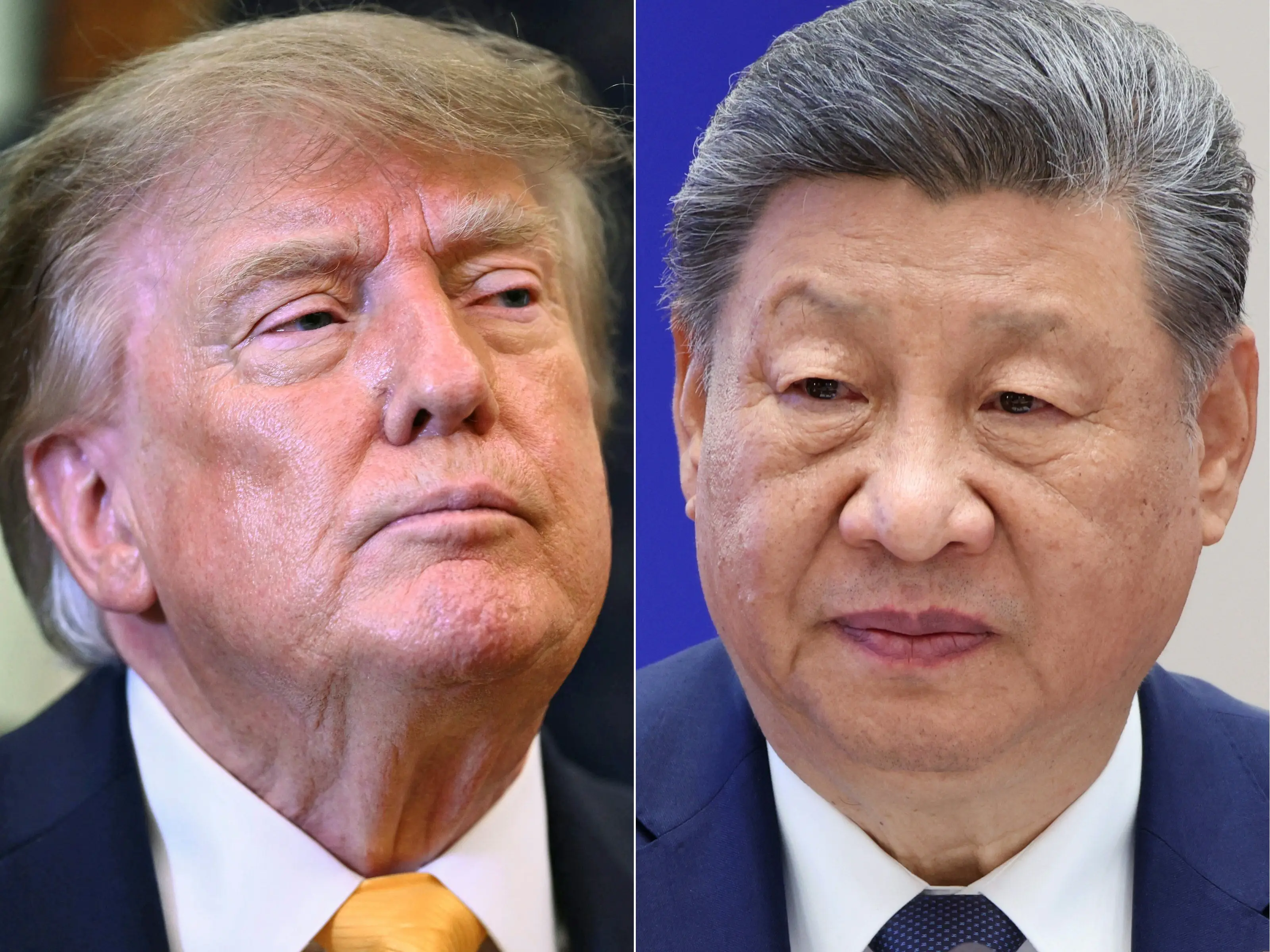)
Xi-Trump meeting: China’s human rights red line and past protests explained
Full interview.
WION:India hosted the mega G20 Summit. It was an important milestone for India and Indian diplomacy with me is one of the key architects of India's G20 Presidency, Dr S Jaishankar, India's external affairs minister. How important and momentous occasion was this, the hosting of the summit? How does it add heft to India at a time of geopolitical flux and the emergence of the New Delhi consensus?
Dr S Jaishankar:Sidhant first of all very good to be with you. I would say yes, no questions...this was a very, very important summit, because after all what is the G20, it is the 20 most powerful economies of the world. On top of that, we had nine guests and 14 international organizations. So, purely in terms of, I would say the importance and the influence of the countries concerned, this was in our history the most crucial international gathering that we had ever done. What is its relevance today, I think it has a very strong relevance because you're seeing today a world order under stress. You're also seeing a world order in transformation. The two are somewhat different. So you can see the East-West polarization, there is a growing north-south divide, and a lot of countries are under pressure because of debt, because of economic concerns, and because their sustainable Development Goals and progress have slowed down. People are struggling with climate actions and climate events. So given the background of a very, very disturbed international environment, I think it was very important that this meeting took place and that this meeting was successful. What it has done is, really kind of generated a sense of optimism today for diplomacy because diplomacy for the last few years has been a very depressing profession, I must tell you.
WION:Moving on to the challenge of the joint statement, there were questions about whether it would come or it would be difficult. So if you can perhaps give us some insight as to how this miracle to many, to use the word happened, in a sense that the joint statement came, the consensus, how it emerged?
Dr S Jaishankar:Within the realms of what is publicly disclosable, I would say, you know, at one level, you know, at one level there was a belief that this was G20. There has never been a G20 summit without a statement, but of course, the G20 has never faced the kind of problem that it has. At the same time, we were also confident that we were India. Our relationships with the other G 19 have been very strong, they will surely appreciate why the Indian presidency must be successful. And then at the third level, I think you've never taken diplomacy anything for granted. So, you know, the negotiators were working to bridge the gaps, to find the formulations, to close out the positions. If they hit a roadblock which did in the last, you know it would always happen, then they would take it up sometimes come to me on an occasion which was necessary which happened finally, in the last day of the summit, I had to go even to the prime minister on certain issues. So all of that, you know, came together, really. In terms of how did it happen? I would say, you know, there were certain countries certainly you know, Brazil, South Africa, India. Clearly in the lead, Indonesia, to some extent, I think you can say the countries in the middle took a lot of initiative in trying to find a common landing ground. But again, I will give credit to the entire G20, this wouldn't have happened if every one of the G20 countries didn't feel that need to step up and come together.
WION:So there was the Ukraine challenge as well. We saw the final document mentioning Ukraine, extensive mention. Do you see the West somehow backing out? I mean, the statement wasn't something that saw any condemnation against Russia.
Dr S Jaishankar:You know, I think there's a very misplaced debate that somehow you are successful if you're managed to replicate what was done last year. Last year was last year, this year. Many things have happened in between. I mean, common sense would tell you that you would want all those issues included. After all in any other activity, today we are sitting on the 13th of September. You would not like, on the 13th of September 2023, you sum up a situation which was there on 13th of September 2022. You will want to capture everything out there. Now if you have to capture everything you'll have to come up with a new mix of issues and obviously with its own formulations and I think certainly people wanted to capture the Black Sea grain corridor, they wanted to capture the concerns about the food infrastructure. They wanted to capture the fact that there was a dialogue taking place. So all those became new elements. If you know something came in the rest of it has to accommodate it. So I think, you know, this way of reading it and saying you know there's a departure from the past, yes there is, but then also please see what is new. You can't get new things If you don't give up some old things.
WION:And so you've already mentioned about it, but the roles of the developing countries, we have successive presidencies, which are countries of the south- Indonesia, India, South Africa, Brazil. The role of these countries together is to make sure that a consensus emerges.
Dr S Jaishankar:Looks to some extent, it was a convergence of outlook, that these countries thought in a similar way. But to some extent, it's a coincidence. We succeeded Indonesia, Brazil is succeeding us, and South Africa is coming after that. So you have 4 developing country presidencies also, that was also a factor but it was both, it was also a meeting of minds.
WION:How was India able to bring the voice of the global south on the table, at the high table when the summit happened? We saw a number of countries from the global south
Dr S Jaishankar:There were two to three aspects. One way we ourselves consciously decided that we would invite countries from the global south as our guests, is our prerogative. So, you have many more, global south countries than before in the G20. The second development of course was that in a sense by doing the voice of the global summit in January, we really shone the spotlight on the global south, and it needed to be done. Let me tell you I travelled a reasonable amount, countries in Africa and Latin America and Central America and Asia and the Pacific they were very, very upset, I would say even angry in some respects, at the fact that these years of COVID, the consequences of conflict, that somewhere they have just been left out. Their interest, their pain, and their concerns were not captured. So our effort was really to get all of that in, I think we succeeded to a great measure.
WION:India invited a number of countries, in fact, nine countries, what was the idea of inviting these countries, all of them I believe, countries of the global south
Dr S Jaishankar:No, some of them are actually countries that would traditionally attend, I mean, I don't know if you count Singapore as the global south anymore. Certainly, the Netherlands or Spain, have a tradition of attending but we did invite you to know, some of the others, Egypt, Mauritius and Nigeria, these were some examples.
WION:The big focus was on Africa, the African Union becoming a member of the G 20. How does it choose India prioritizing its relationship with the African continent?
Dr S Jaishankar:I think today that will certainly be seen, that is my understanding from our own embassies, that's how it is seen as India batting for Africa. The fact is that over the last decade, our development commitments to Africa have increased, and our training and capacity-building exchanges with Africa have increased. You know, the bulk of our new embassies which have been set up, the Prime Minister gave approval for 18 embassies in Africa, I think we have set up 15-16 by now. And even during the COVID, Africa saw as set forward. So what has happened is that the sense has grown in Africa that look, India is with you. Certainly, for us, there is a historical bonding, there is an emotion in our feelings and our relationship. I regard it as in a sense, a kind of an ethical, ethical outlook, to me, it's very similar to what we are doing now in India. In India, the commitment to leaving no one behind, the poorest, the most vulnerable, the most neglected areas should be brought up to speed, they should be given special care, and they should be given opportunity. That's what our domestic policy is about. So what we are doing at home, we are also trying to do in foreign policy.
WION:I believe it was the Prime Minister's personal endeavour as well to make sure that the African Union becomes a member.
Dr S Jaishankar:Very much so, in fact, it started last year when President Macky Sall of Senegal told him that our case, nobody is hearing us and the Prime Minister assured him that we will, our presidency is coming we will do something for you. So what he did after some thought was, he wrote to all the other members and said that India believes that we should make African Union members so I hope you will concur and they all did. But we needed somebody, needed somebody strong, clear, believers to take that plunge.
WION:Sir, moving on to the G20, moving on to the consensus, any attempts by the Chinese to sabotage the conversations.
Dr S Jaishankar:Again, I repeat to you, every one of the G 20 countries contributed otherwise we wouldn't have got the agreement, the unanimity, which we did. Yes, there were meetings where there were differences of views, especially in the ministerial meetings, but I think by the time the summit came together, people were of a very positive bent of mind. And I don't think it is fair to really cast any country in a negative light. I think, everybody really did their bit, to accommodate, to understand, to find some way forward.
WION:The absence of the Chinese president, do you think it impacts the presence?
Dr S Jaishankar:Look, I think that is their decision who represents them.
WION:Climate change was another aspect, how does the G20 summit, the Delhi G20 summit, give direction or a new narrative to dealing with the issue of climate change, something that has been a pressing issue for the world?
Dr S Jaishankar:Well, there is a big segment you would have seen in the outcome document, the green development pact and the whole issue is how to resource climate action and climate justice. That's really where the focus has been. We'll have to now take that forward.
WION:Sir, another big focus was the connectivity project that was announced. How do you see it being a game-changer for the region? And for India, Middle East/West Asia and Europe.
Dr S Jaishankar:I think it's a very, very significant initiative, because at one level it is rooted very deeply in tradition, for hundreds of thousands of years, people have been traversing this route from India to Europe and back through the gulf, through the Arabian Peninsula. So there's a long tradition, but it stopped for a variety of historical reasons. It has been reduced you can say. Today I think we have the circumstances, the fact that all the countries involved which you mentioned, they all are interested in reviving this tradition, but reviving it in a modern way so we are really looking at an economic corridor, partly maritime, partly railway, there will be other aspects for it, not just logistics, different aspects of economic activity. So I think it's an enormously promising initiative. Obviously, we'll have to work very hard and see how to take it forward.
WION:Any details regarding the finances and the deadline or dateline,
Dr S Jaishankar:I think you had an agreement, in principle right now, you have to be a little bit patient.
WION:It's been welcomed by the Russian president as well as something we saw, but it's been seen as something which is counter to the Chinese Belt and Road Initiative.
Dr S Jaishankar:I would urge you to see things positively rather than see everything negatively in terms of countering other people. I think this is an initiative of very important countries, who are also good in it for themselves. They are not doing it because they are against somebody and something. They're doing it because they are for something.
WION:India is still part of the troika, the governance system of the G20.
Dr S Jaishankar:We are still part of the presidency of G20.
WION:We have a session as well.
Dr S Jaishankar:We are still President till the end of November.
WION:Any details on the session we are planning in November
Dr S Jaishankar:You mean...No No, not yet.
WION:But essentially when it comes to the governance system, the troika, how do we plan to take forward the conversation?
Dr S Jaishankar:You know that is a very smooth tradition, we were already part of troika, with Indonesia. So what happens is, there is this culture in the G20, the President before, the President after, the current presidency, they all sit and work together. So we've already done one part of it, and we are more or less at the end of the second part. So we will very smoothly go into the 3rd and the real idea is that the, you know, the initiatives should not have a shelf life limited to one presidency, it allows for a very smooth movement on to the next one, and hopefully to the next one after that. You share experiences, you support each other in this. So we received, I must say, tremendous support, from the Troika. And we will surely pay that back in full measure and more. Again, I would say again, for a country like India today. It's not just being part of troika, as this summit has demonstrated, we really gone up to a different level. Our influence is more, our ability to shape the agenda is more, the expectations from us are more, our responsibilities are more. So yes, certainly will be part of the troika next year. But I will say even after that. With in the G20, in other international groupings and organizations, in world affairs in general. I think this G20 has sent out a very clear message, that India under Prime Minister Narendra Modi is ready, is capable, is willing to really do more, shoulder more, and contribute more. I think that's a message that everybody, all the G20 countries, the invites, the international organisations, they all carried away from the summit.
WION:So how did the Prime Minister give direction to the entire presidency? I believe the Prime Minister has also met the MEA officials as well.
Dr S Jaishankar:Yes he was good enough to come to the G20 secretariat, frankly it was bit of a surprise for us because the Secretariat was holding its own meeting, then I said, I will drop by. And then when I went there, I was told well, possibility the prime minister may also drop by and thank people. He came there, he was good enough to spend some time there but you know, very typically, he used it he took feedback from people, you know there impressions, what could be different. What did they feel is a learning from the whole experience, but through this entire process, I would say we were enormously helped by the fact, that we had vision, the vision and ambition of the prime minister in taking forward the G20. A lot of the concepts were his, the idea we do it in different cities, we do it in this way, projecting our culture, our traditions. He was not happy, just officials meeting in rooms. For him what was the impact of that in the world. So he encouraged us to take it out, to involve universities, colleges, and professional organizations, and then when it came. Again, you know, if you look at a lot of the initiatives, the LIFE initiative, the lifestyle for Environment Initiative, the woman-led development initiative, the millet issue, a lot of these have a personal imprint on this. He spent really a lot of time thinking it through, planning it and motivating us. Sometimes pushing us really to do that, it could be big things, It could be very, you know, very, very fine details. He always has that sense, that look he was there, and as I said, in the last few hours, when we hit last few roadblocks, you know, I went to him in some cases and I said you know, it would help us, if you talk to your counterpart leader and he was always willing.
WION:How will history remember the Delhi G20 summit?
Dr S Jaishankar:I think history would remember it, as an inflection point, in the graph of a rising India that yes people would say that this was one of those big moments from shaping the agenda, creating a consensus, whether it was our organizational capability, whether it was demonstrating technology or culture. So this was India at its best, really stepping forward and doing something much bigger. And as you say, you know, expectations of a lot of people was that we wouldn't be able to pull it off, which we showed, we could. And not just could, if I say so for myself, we did it very very smoothly. The G20, if you have to write a G20 history, not an India history. I think anybody writing a G20 history would say this was probably one of the most substantive G20s, the kind of issues, you know, the reform of multilateral banks, handling debt, green development, food security, woman gender divide, mapping of skills, so, we've really taken on some very very consequential issues. These issues will determine the world's future in next decade. So, I think our history will remember as well, but surely the G20 history will also remember us well.
WATCH WION LIVE HERE
You can now write for wionews.com and be a part of the community. Share your stories and opinions with us here.