Myanmar earthquake shook Delhi-NCR, but the 'big one' is yet to come: How will Intensity VIII quake in Delhi feel like? Know more

World Trending India News The Indian classification ranks seismic zones from II to V. Seismic zone II is the least risky, whereas zones IV and V are the worst.
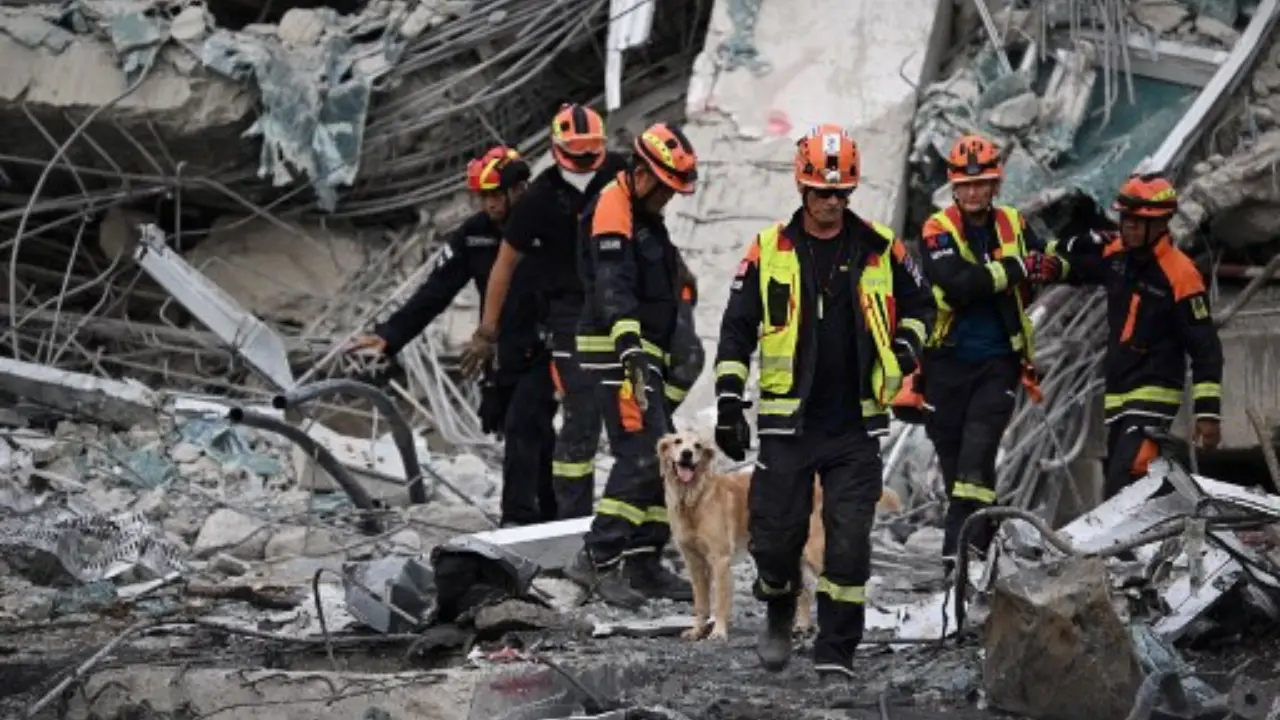
The death toll from last week's 7.7 magnitude earthquake in Myanmar has gone past 1,700, but Indian cities like Delhi have been spared of major damage. Yet, each time an earthquake in the region causes tremors or aftershocks in the Indian National Capital Region or NCR, we are reminded of how vulnerable the area is to earthquakes. Why is Delhi-NCR facing risk of earthquakes? What is Seismic Zone IV? What will an MMI intensity VIII quake, which is likely to hit Delhi-NCR, feel like? Here is what you should know:
Delhi is in seismic zone IV. What does it mean?
Delhi and the NCR region sit in what is classified by the Indian government as Seismic Zone IV.

The Indian classification ranks seismic zones from II to V. Seismic zone II is the least risky, whereas zones IV and V are the worst.
Myanmar’s military dropped bombs 3 hours after quake devastation; UN slams junta
Seismic Zone IV could witness quakes with magnitudes ranging from 5 to 7, or even 8.
&im=FitAndFill=(700,400))
Shahid Kapoor to Rajkummar Rao: Actors who rule both theatres and OTT
&im=FitAndFill=(700,400))
How 2nm technology improves iPhone performance
)
BRICS Summit 2026: Trump wants to weaken BRICS, but maybe doing the opposite
&im=FitAndFill=(700,400))
Meet top 5 batters fastest to 3000 runs in T20Is
)
Did BRICS Summit 2026 prove that an 11-member bloc with India and China in it can still agree on key issues?
)
Top 5 places to visit in Goa beyond its famous beaches
&im=FitAndFill=(700,400))
Why European Meteor missiles use ramjet engines compared to standard US solid rockets
)
'He is popular...': Malaysian PM Anwar Ibrahim's praise for PM Modi during bilateral meeting | WATCH
)
BRICS Summit 2026: PM Modi, Xi reach key consensus on ties, China to assume BRICS chairmanship in 2027
)
Russia-Ukraine-US talks in October? Kremlin says not ruling out possibility of trilateral
)
UK breakup on the cards? Scotland, Wales and Northern Ireland push for independence
)
‘Want to reset ties with India, have engagement based on mutual interests,’ says Bangladesh minister
)
Trump says Canada eager to reach a deal, it could come ‘fairly soon’ if Ottawa treats US farmers better
)
The Verdict | Africa is too big to remain a guest at the BRICS table
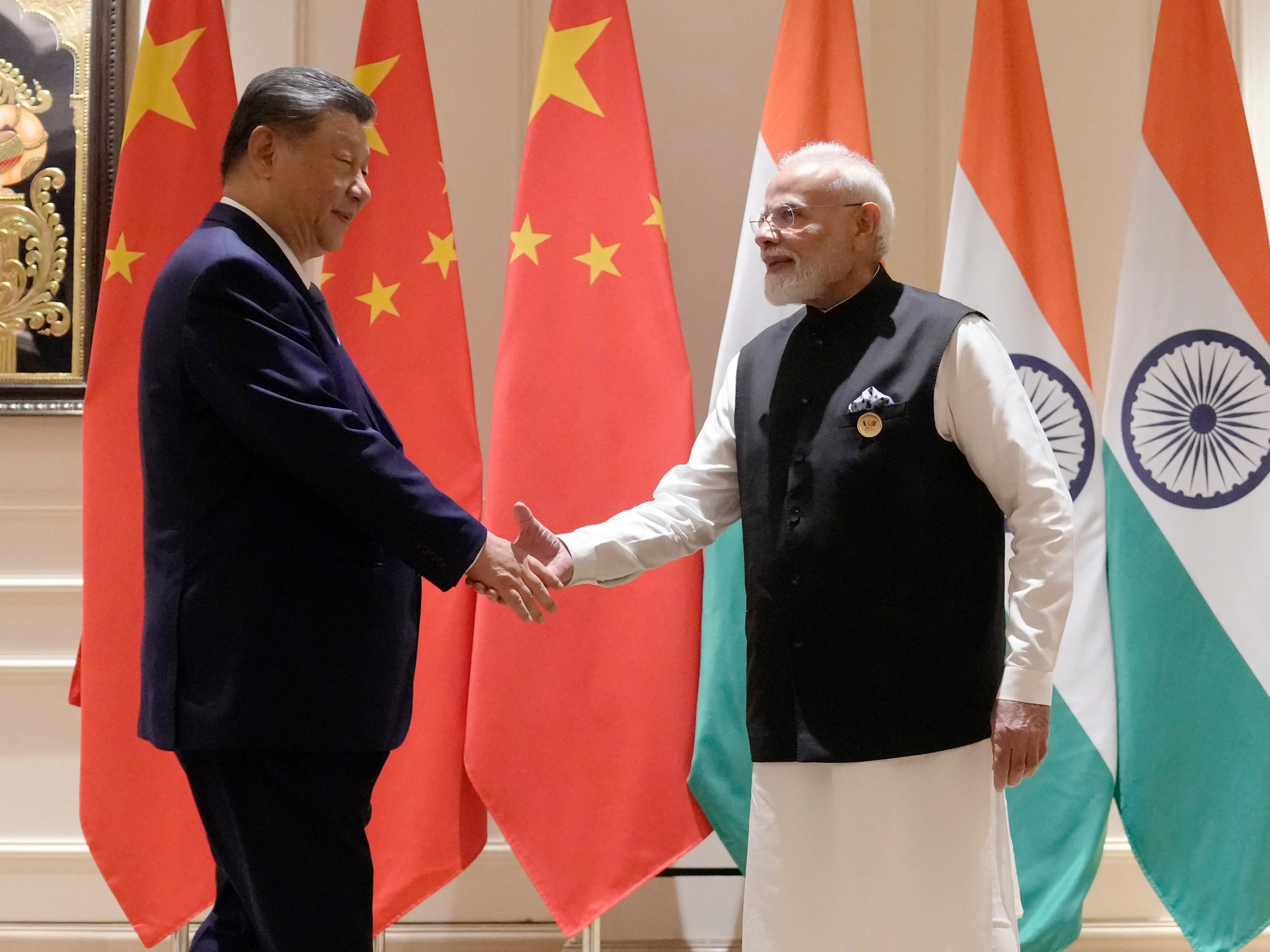)
‘Partners, not rivals’: Xi outlines four point plan for stronger India-China ties
&im=FitAndFill=(700,400))
Why Chinese PL-15 air-to-air missiles use dual-pulse motors compared to European interceptors
)
'It’s going to be a war': Ben Shelton on facing Zverev in US Open title clash
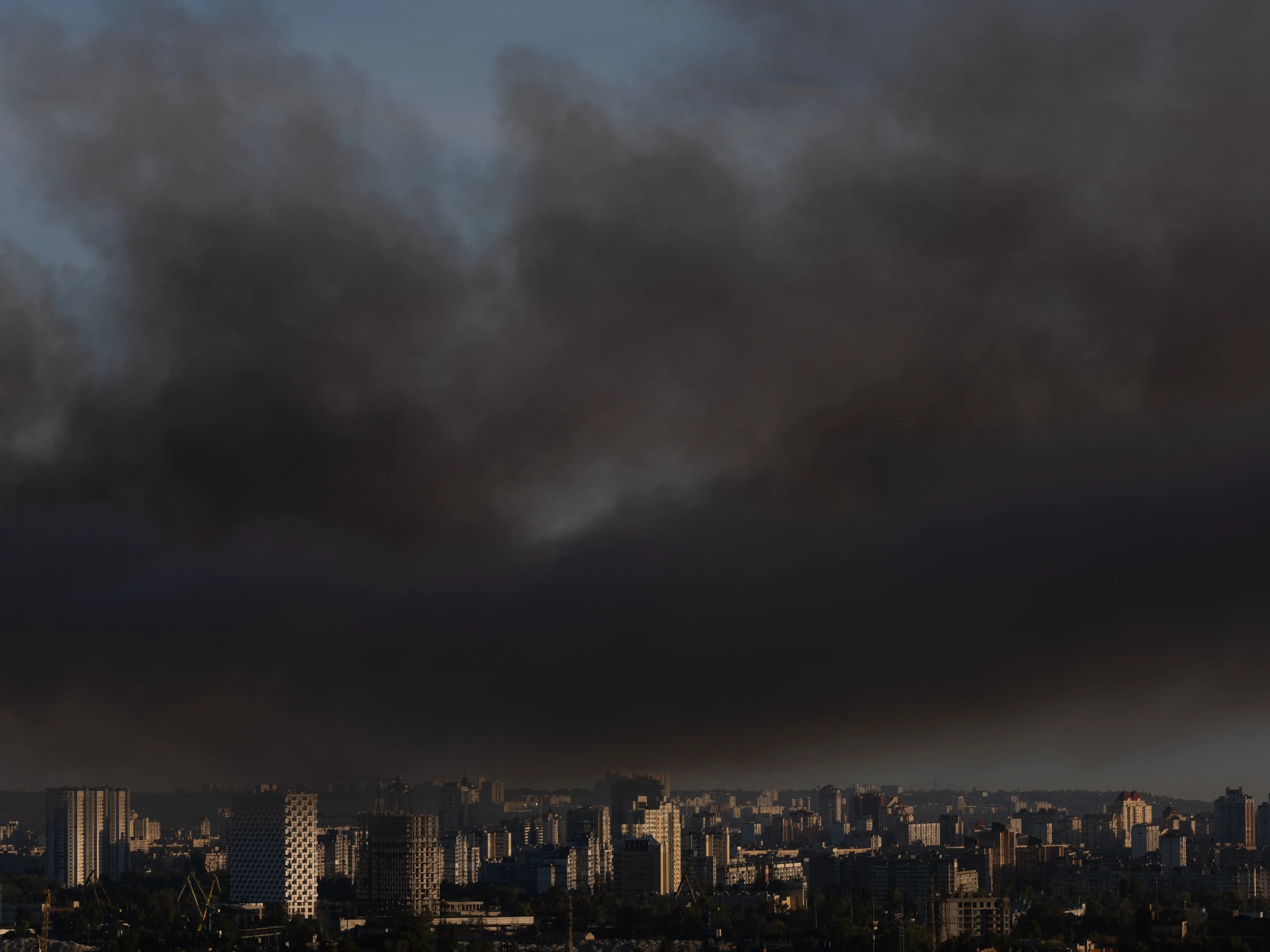)
NATO under Russian threat? Drone strikes just 2 km from Poland, narrow escape for former UK PM, CIA chief
)
Song Ha Yoon school violence case explained: The claims, denials and latest twist of Marry My Husband actress
)
'80% of Indians are non-vegetarian': Rahul Gandhi slams BRICS Summit dinner menu, BJP calls it 'politics on food menu'
)
BRICS Summit: New Delhi declaration adopted with full consensus, big diplomatic win for India
)
800 million years old - Scientists discover 'fingerprints' of supercontinent Gondwana in ancient rocks
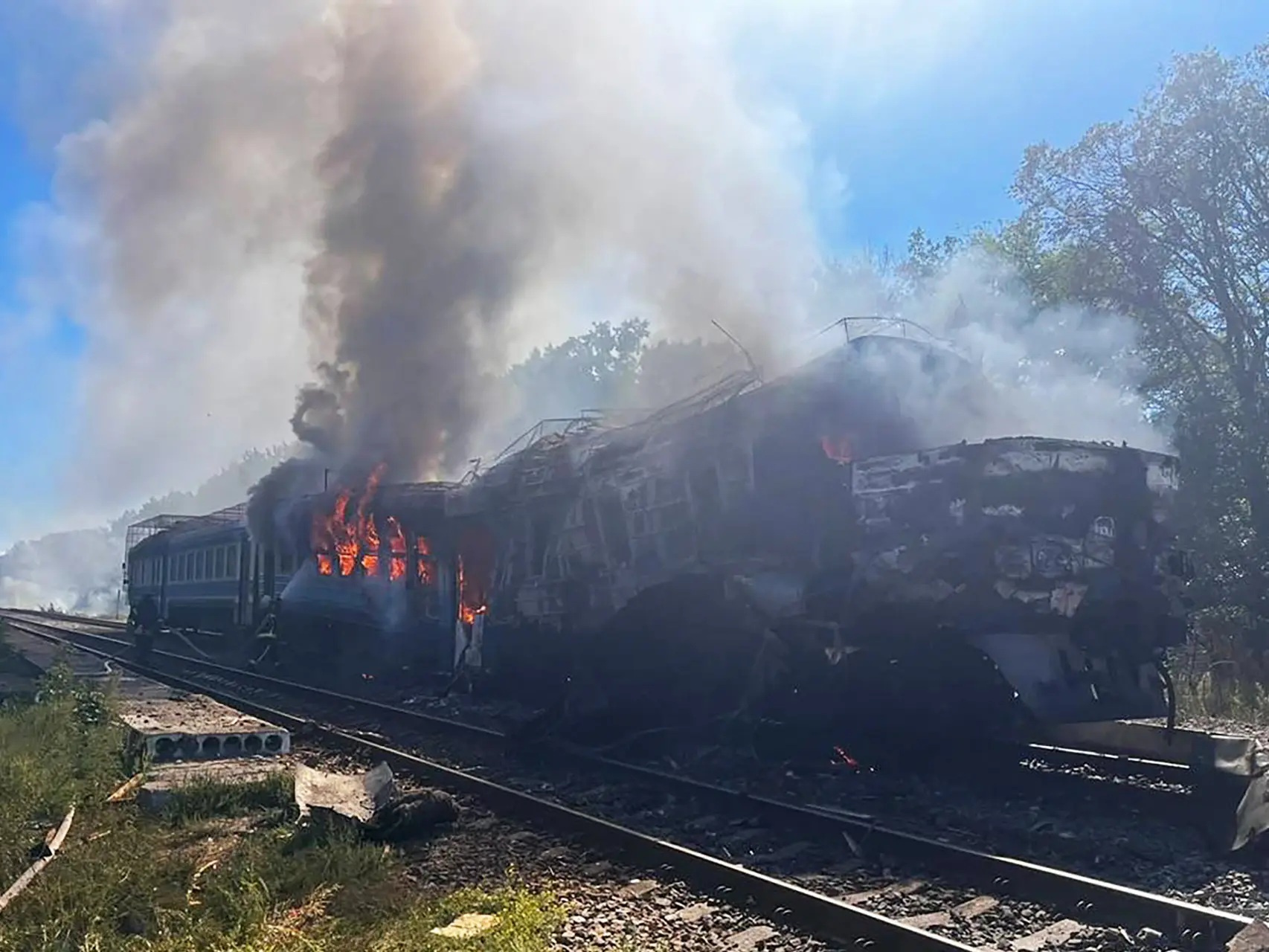)
Russian drone hits Warsaw-bound train near Polish border, Zelensky accuses Moscow of ‘deliberate’ targeting
)
War is making Russia stronger? How Ukraine is shaping Moscow’s next generation of weapons
)
BRICS Summit 2026: Russia-India-China grouping never formalised
)
From severe mobility problems to recovery: Madhuri the elephant’s journey of wildlife care
)
9-year-old Chennai prodigy clears Cambridge IGCSE grade 10 exams
)
Indian importers urge Bangladesh to lift export ban on 'Hilsa' fish ahead of Durga Puja
)
Humans may lose control of AI: Anthropic CEO calls for slowdown, Altman, Musk back him
)
BRICS Summit 2026: Modi-Xi moment highlights India-China thaw at BRICS
)
US diplomat accused of possessing child abuse images secretly flown out of UK by US Marines
)
Bigg Boss 20: Who Is Rohed Khan? Meet the Austrian actor from Bade Miyan Chote Miyan
)
PM Modi and China's Xi offered to help resolve Russia-Ukraine war: Kremlin
)
Akram, Afridi, Mushtaq tear into PCB after Pakistan’s Test series collapse in UK
Speaking in parliament in 2023, the then earth sciences minister Jitendra Singh said that the 'entire area of National Capital Territory (NCT) of Delhi comes under high seismic hazard.'
The seismic zoning map of India was created by the Bureau of Indian Standards in 2002, which ranked Delhi capital region under Zone IV.
How will an MMI scale VIII earthquake in Delhi feel like?
The seismic zone IV is broadly associated with seismic intensity of VIII. Here, we are talking about the measurements as per the Modified Mercalli Intensity or MMI scale.
In broad terms, MMI scale predicts how an earthquake feels to people at a specific location. MMI scale of VIII means 'people will find it difficult to stand, steering of automobiles will be affected, masonry will be damaged or collapse partially.'
The soft soil in parts of Delhi, like the Yamuna floodplain, can amplify seismic waves, making tremors feel stronger.
Will poorly constructed buildings collapse in Delhi in case of an earthquake?
In the event of an MMI intensity VIII quake, poorly constructed buildings could be damaged or partially collapse. In the case of Delhi and NCR, there are thousands of such constructions.
The Bureau of Indian Standards (BIS) and other nodal agencies have issued strict guidelines on building
materials, design and construction of earthquake-proof structures.
However, the frenzy of building residential and commercial buildings in the Delhi-NCR area is there for all to see. Particularly at risk in the event of an earthquake would be places like Gurugram in NCR, which has seen a boom in the construction of skyscrapers in the past two decades.
How is MMI intensity scale different from the magnitude of a quake?
The MMI scale measures the intensity of the shaking in specific areas, whereas magnitude measures the level of energy released from the epicentre of a quake.
This means MMI is a subjective scale, predicting how quakes affect people, structures and the natural environment.
MMI scale ranges from I, where earthquakes are not felt at all, to XII, which denotes catastrophic damage.
How will an MMI intensity VIII quake feel like in Delhi? The Indian minister Jitendra Singh told parliament in 2023 that the intensity felt on buildings could vary according to factors like "the magnitude and focal depth of the earthquake, epicentral distance of the earthquake, type of soil, typology of the building, design and quality of construction of the building."
A Himalayan danger: At least five seismic fault lines near Delhi
Complicating the situation is the fact that Delhi sits on at least three main fault lines.
Fault lines are cracks on the Earth's crust where two seismic plates move or brush against each other, releasing energy that translates into earthquakes.
Strong 7.1 magnitude earthquake hits near Tonga
The main fault lines running below the Indian capital region are the Delhi-Haridwar Ridge and Mahendragarh-Dehradun Fault. There's also the Sohna Fault, Mathura Fault, and the Delhi-Moradabad Fault.
The Indian and Eurasian plates have been colliding with each other in a very slow manner for more than 50 million years. It is this collision that caused the creation of Mount Everest, according to scientists.
Delhi-Haridwar Ridge and the Delhi-Moradabad Fault can cause quakes in India's entire northern regions, including Delhi-NCR.
How often do earthquakes hit Delhi?
In February this year, Delhi-NCR witnessed a 4.0 magnitude earthquake, with the epicentre located within the region. Tremors were felt across the area.
But Delhi has not really been the epicentre of any maojr earthquake for nearly 300 years.
Yet, it has felt tremors from several earthquakes in the region that had epicentres from Afghanistan to China to Nepal, and Myanmar this time.
Delhi has felt five earthquakes with magnitudes between 5.5 and 6.7 since 1720. There have been significant quakes in 1831, 1956 and 1960 of moderate intensity, along with numerous smaller ones.
Watch: Child pulled from rubble after 60 hours as Myanmar earthquake death toll rises
How is Delhi preparing for an earthquake?
India's National Disaster Management Authority, or NDMA, regularly conducts awareness campaigns on prevention and preparedness for building safety. There have been periodic mock drills by the special National Disaster Response Force or NDRF for relief and rehabilitation in densely populated areas in Delhi-NCR as well as other earthquake-prone areas in the country.
Over the years, the Delhi Disaster Management Authority has advocated for strict construction codes on buildings.

