India cuts oil, gas royalty in major policy shift as Modi pushes ‘Vocal for Local’ amid West Asia crisis

&imwidth=600&imheight=450&format=webp&quality=medium "India cuts oil, gas royalty in major policy shift as Modi pushes ‘Vocal for Local’ amid West Asia crisis")
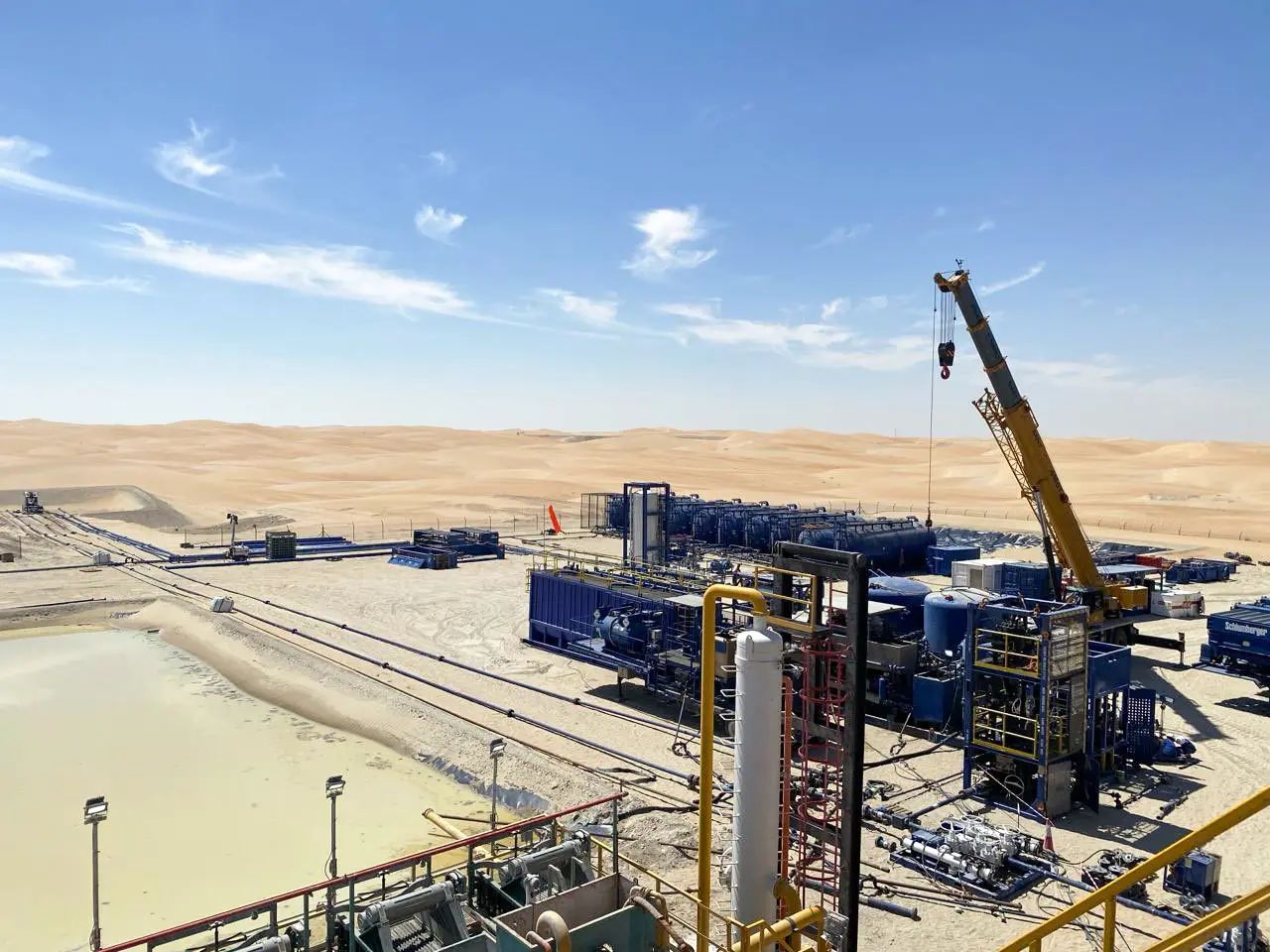
Union Minister Hardeep Singh Puri tweeted this picture as a successful discovery of light crude oil in both the Shilaif play (XN‑76) and the Habshan reservoir (XN‑79 02S) by Urja Bharat PTE Ltd (UBPL)-Jan 2026) Photograph: (ANI)
India has cut oil and gas royalty rates, including major incentives for deepwater drilling, making domestic exploration cheaper as West Asia turmoil rattles global energy markets. The big question: Is this just policy reform, or India’s bigger push to shield itself from import shocks?
The Government of India, in a significant energy policy reset, has reduced the royalty rates on the production of crude oil and natural gas across multiple categories of fields, including deepwater and ultra-deepwater blocks. This comes as disruptions due to the West Asia conflict continue to disrupt global supply chains and fuel import concerns and as Prime Minister Narendra Modi urged Indians to reduce dependence on imported goods, cut fuel consumption, avoid unnecessary foreign exchange spending, and embrace "Vocal for Local."
Royalty rates reduced
The Centre has sharply reduced royalty rates on crude oil and natural gas production, in what is being seen as a direct push to boost domestic exploration at a time when global energy anxieties are intensifying.
The revised framework, notified by the Ministry of Petroleum and Natural Gas on May 8, lowers effective royalty on onshore crude oil production to 10 per cent and offshore crude production to 8 per cent. For natural gas, royalty has been cut to 8 per cent through a new flat deduction formula that changes how "well head price" is calculated.
In simpler terms, India is making it cheaper and more attractive for companies to drill at home, especially in technically difficult and expensive fields.
Trending Stories
)
&im=FitAndFill=(700,400))
)
)
)
)
)
)
&im=FitAndFill=(700,400))
)
)
&im=FitAndFill=(700,400))
)
&im=FitAndFill=(700,400))
&im=FitAndFill=(700,400))
)
)
)
)
)
&im=FitAndFill=(700,400))
)
&im=FitAndFill=(700,400))
)
)
)
)
)
)
&im=FitAndFill=(700,400))
Why now?
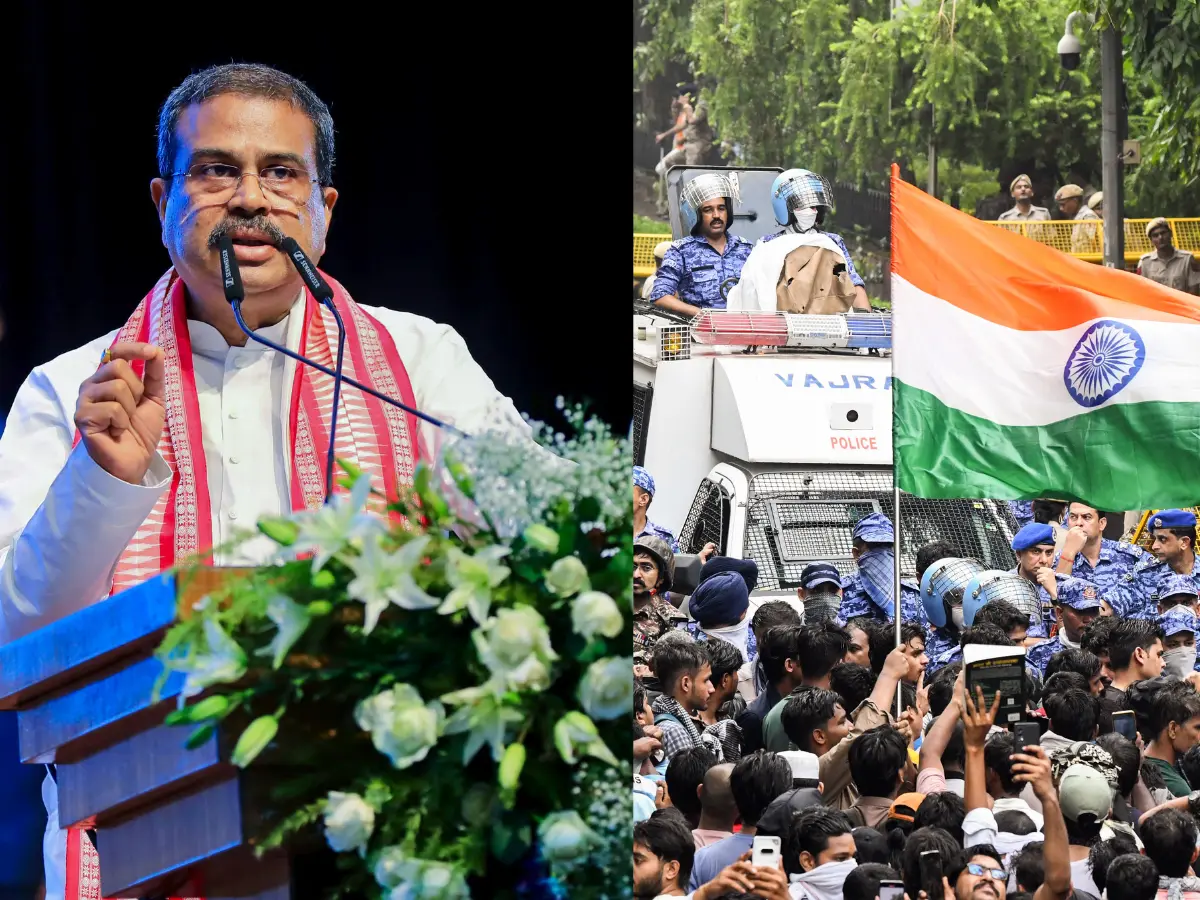
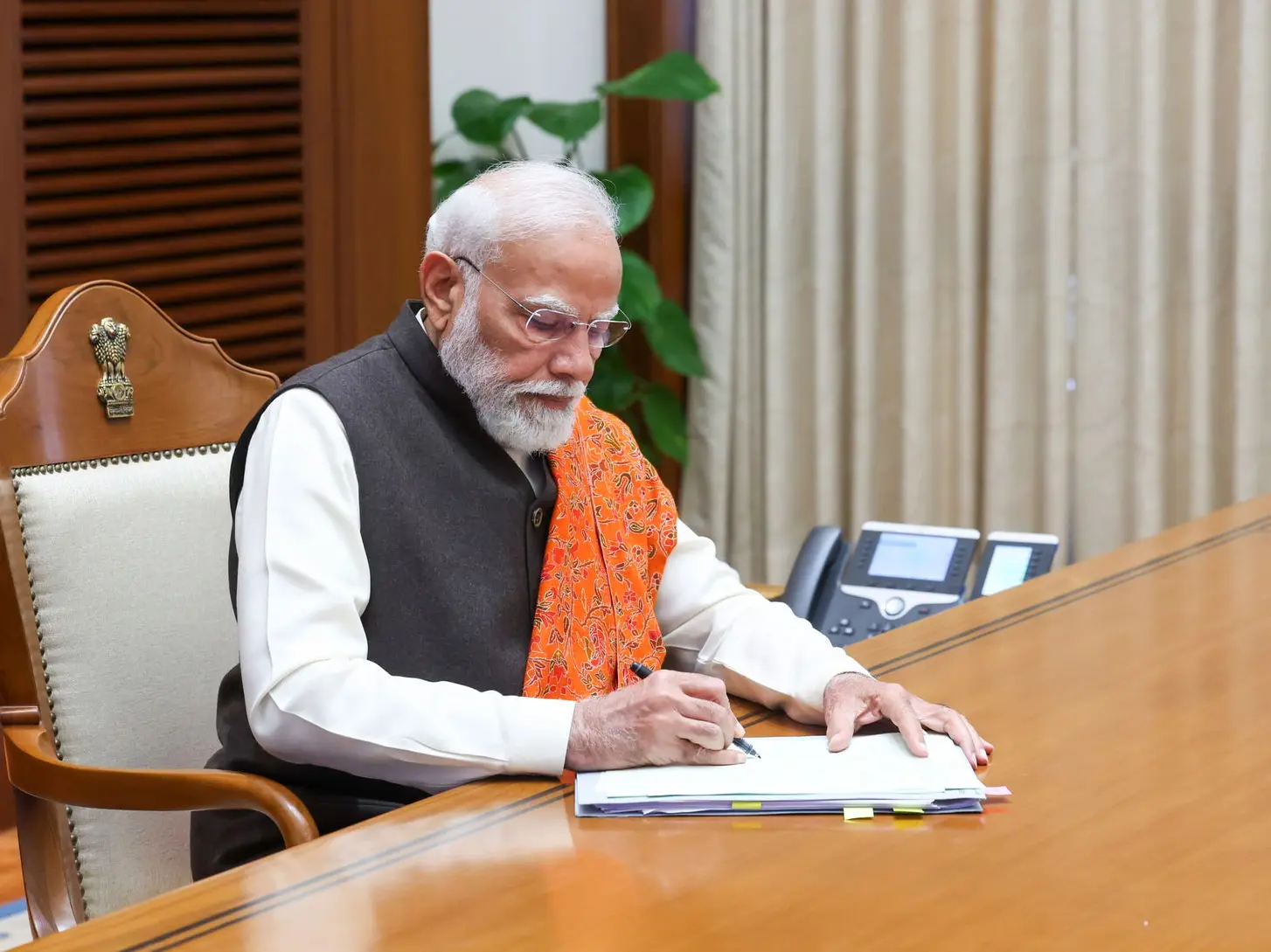
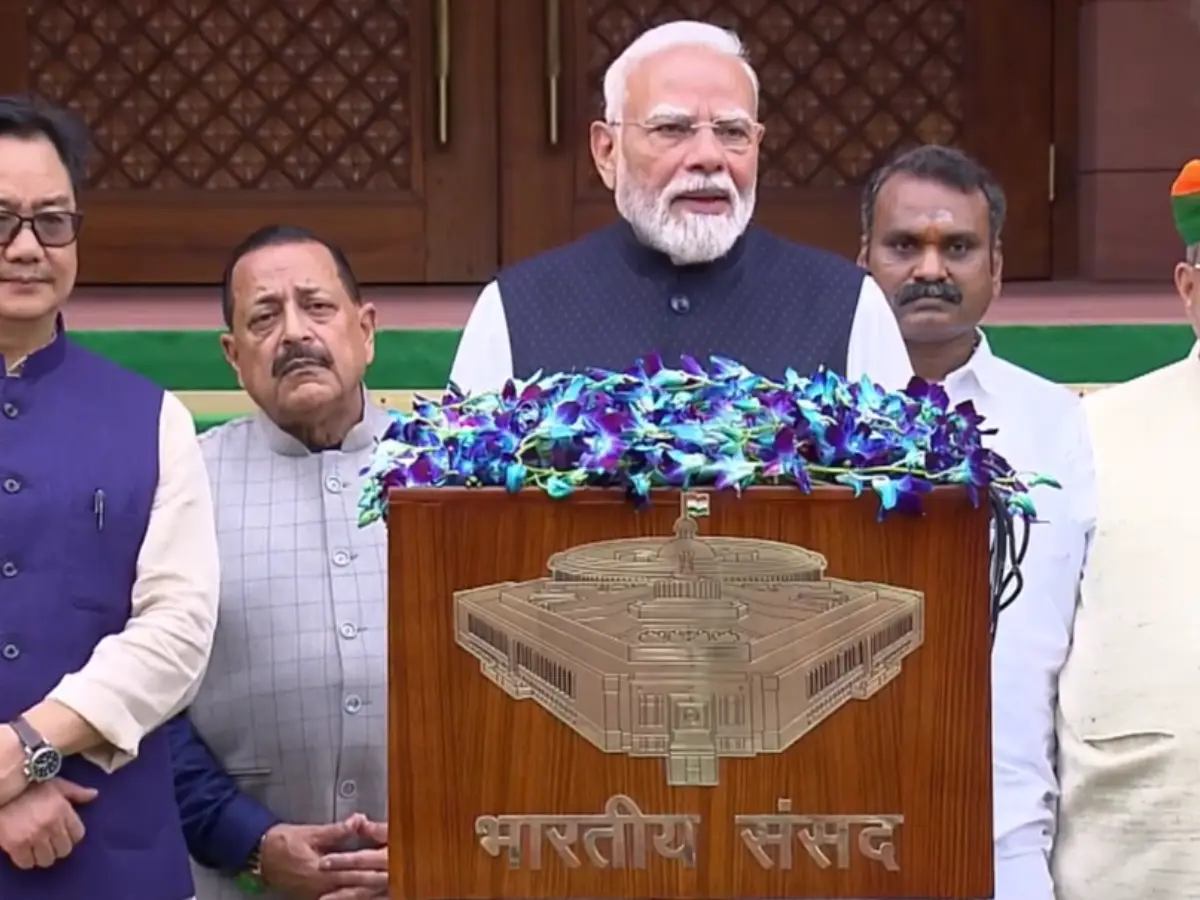
The timing is hard to miss; on Monday (May 11), PM Modi urged Indians to avoid personal activities that incur expenditure in foreign exchange. He also advised people to use less petrol and diesel and use public transport more often. While Modi's message triggered panic, the broader message was that India wants to shield itself from external shocks by tightening domestic economic resilience, and energy is central to that strategy.
Deepwater, ultra-deepwater get the biggest boost
Under the revised policy, deepwater and ultra-deepwater fields under DSF and HELP regimes will attract zero royalty for the first seven years, a major concession aimed at attracting fresh capital into geographies that are expensive, risky and underexplored.
After that, royalty remains concessional at just 5 per cent for deepwater and 2 per cent for ultra-deepwater blocks.
Petroleum Minister Hardeep Singh Puri has framed the move as a structural correction, calling it a landmark step that removes long-standing inconsistencies and creates a more stable, investor-friendly upstream framework.
The bigger picture
India still imports a significant share of its oil and gas needs, making the country deeply vulnerable to geopolitical instability. As global uncertainty grows, New Delhi appears to be sending a blunt signal: if imports become riskier, India wants its own wells working harder.

