Air pollution in India led to 1.7 million deaths in 2019: Study

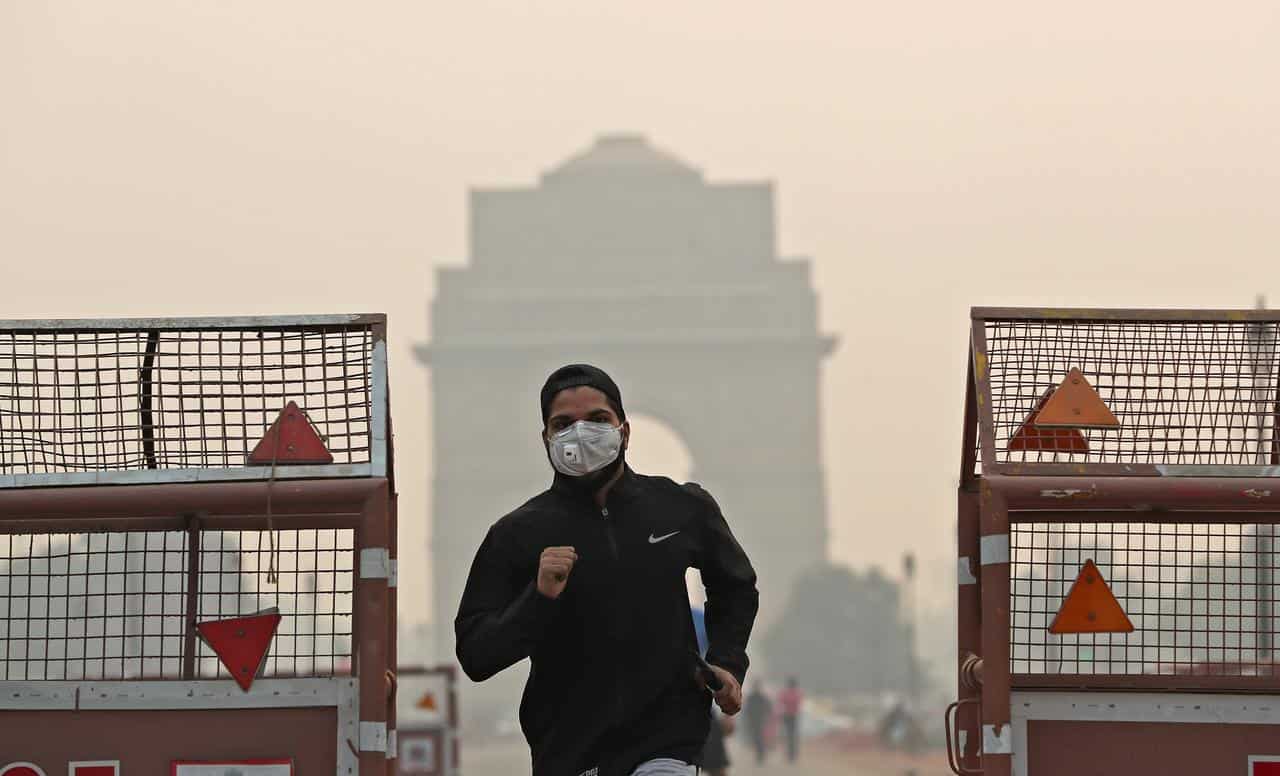
Air pollution, following Diwali, in Delhi
Toxic air killed in India last yearled to 1.7 million deaths accounting for 18per centof all fatalities, according to a study published in The Lancet.
The findings of the study by Lancet Planetary Health highlighted that “lost output from deaths and diseases due to air pollution in 2019 led to a loss of 1.4 per centof the GDP of the country” which adds up to 2.6 lakh crore.
According to the paper, the economic loss due to air pollution as a percentage of the state GDP was higher in the northern and central Indian states.
The findings in this analysis show that while 40per centof the disease burden due to air pollution is from lung diseases, the remaining 60per centis from ischemic heart disease, stroke, diabetes, and neonatal deaths related to preterm birth, thus highlighting the broad-ranging impact of air pollution on human health.
However, the paper noted that India has a good economic and development trajectory, which can improve further with the reduction of air pollution.
The government schemes such as the ‘Pradhan Mantri Ujjwala Yojana’ and ‘Unnat Chulha Abhiyan’ have aided in reducing household air pollution in the country.
Such success encourages to enhance efforts to reduce outdoor air pollution as well said ICMR Director General Balram Bhargava.
The fatalities in 2019 led to a total loss of $36.8 billion, or 1.36per centof India's gross domestic product (GDP), with the poor and populous states of Uttar Pradesh and Bihar experiencing the highest economic loss as a percentage of their GDP.

Although the death rate due to household air pollution fell 64.2per centfrom 1990 to 2019, that due to ambient particulate matter pollution more than doubled, TheLancetsaid.
"The improvements in air quality across India during the COVID-19 lockdown period, and its upsurge again with the easing of restrictions, provide interesting pointers to the extent of air pollution reduction that is possible with reduced human activity," it added.
The government said in a statement that India would need to invest more in state-specific pollution control programmes if it were to meet its goal of becoming a $5 trillion economy by 2024, from around $2.9 trillion now.
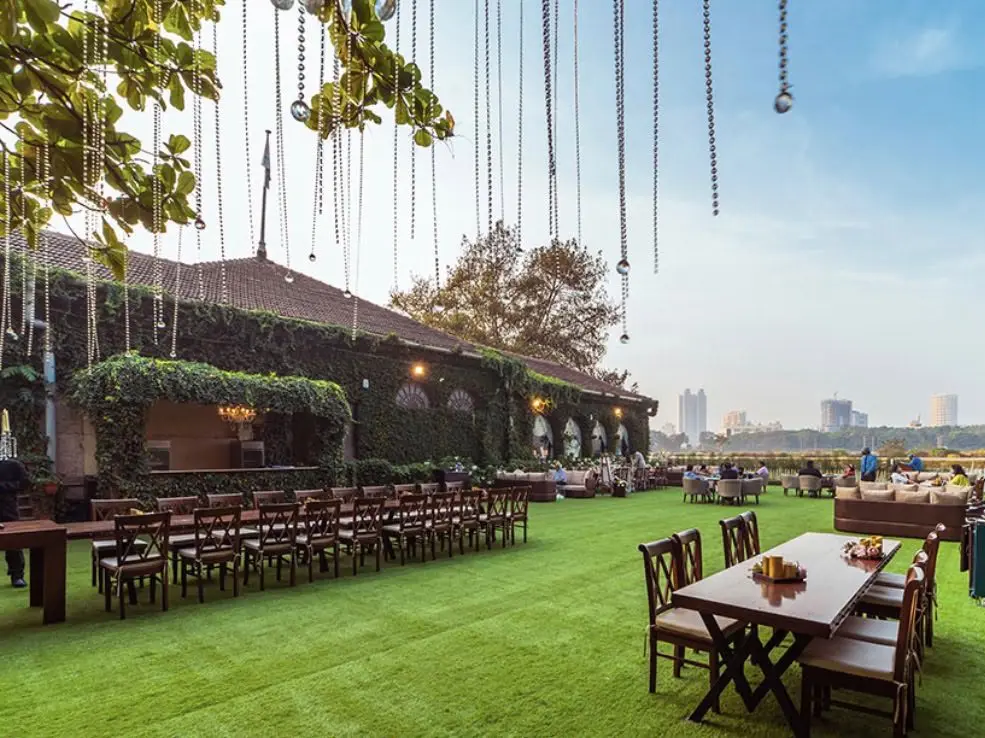)
Mumbai: Gallops restaurant at Mahalaxmi Racecourse licence suspended over food safety violations
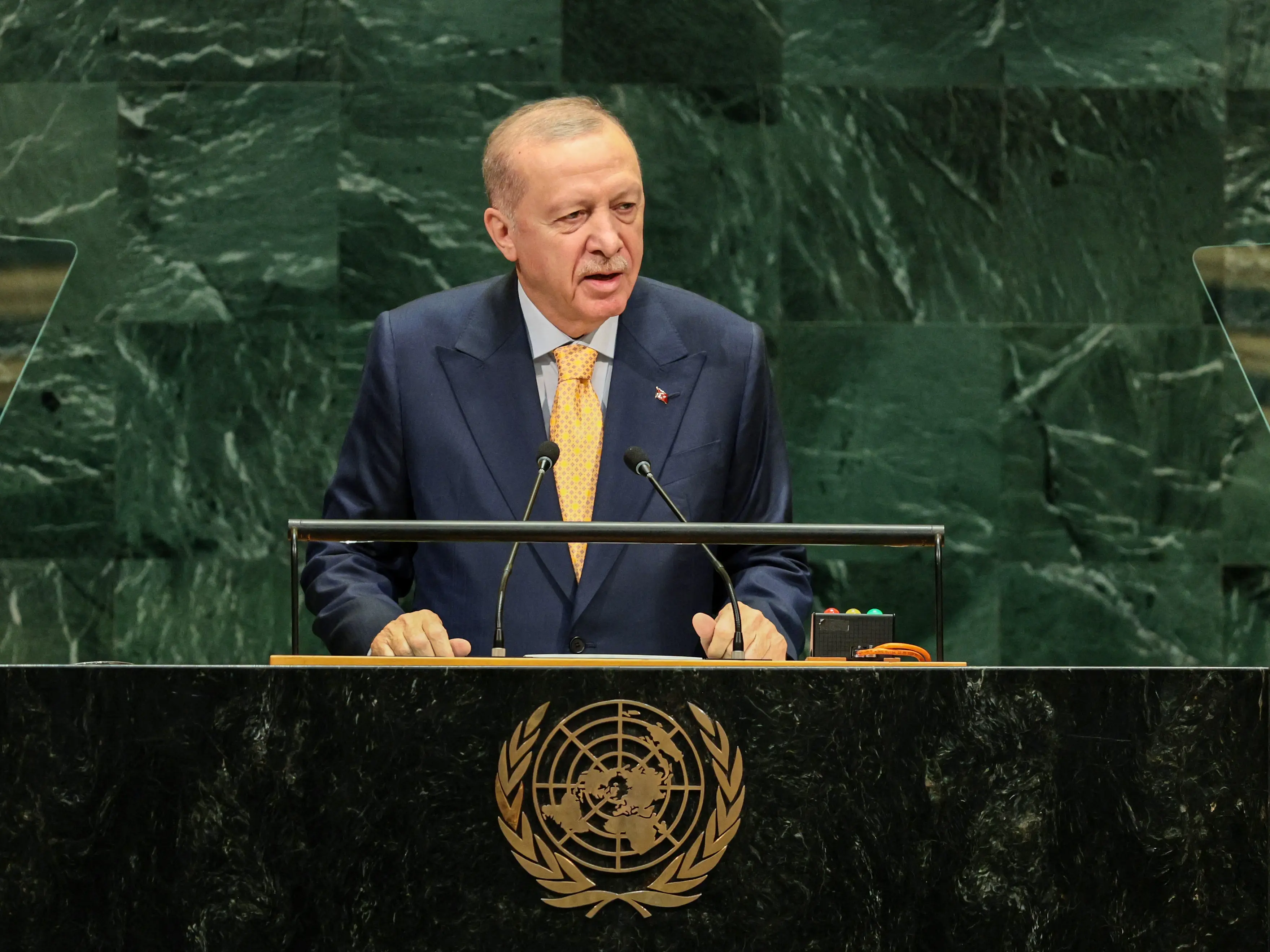)
Erdogan again raises Kashmir issue at UNGA, calls for dialogue under UN Charter
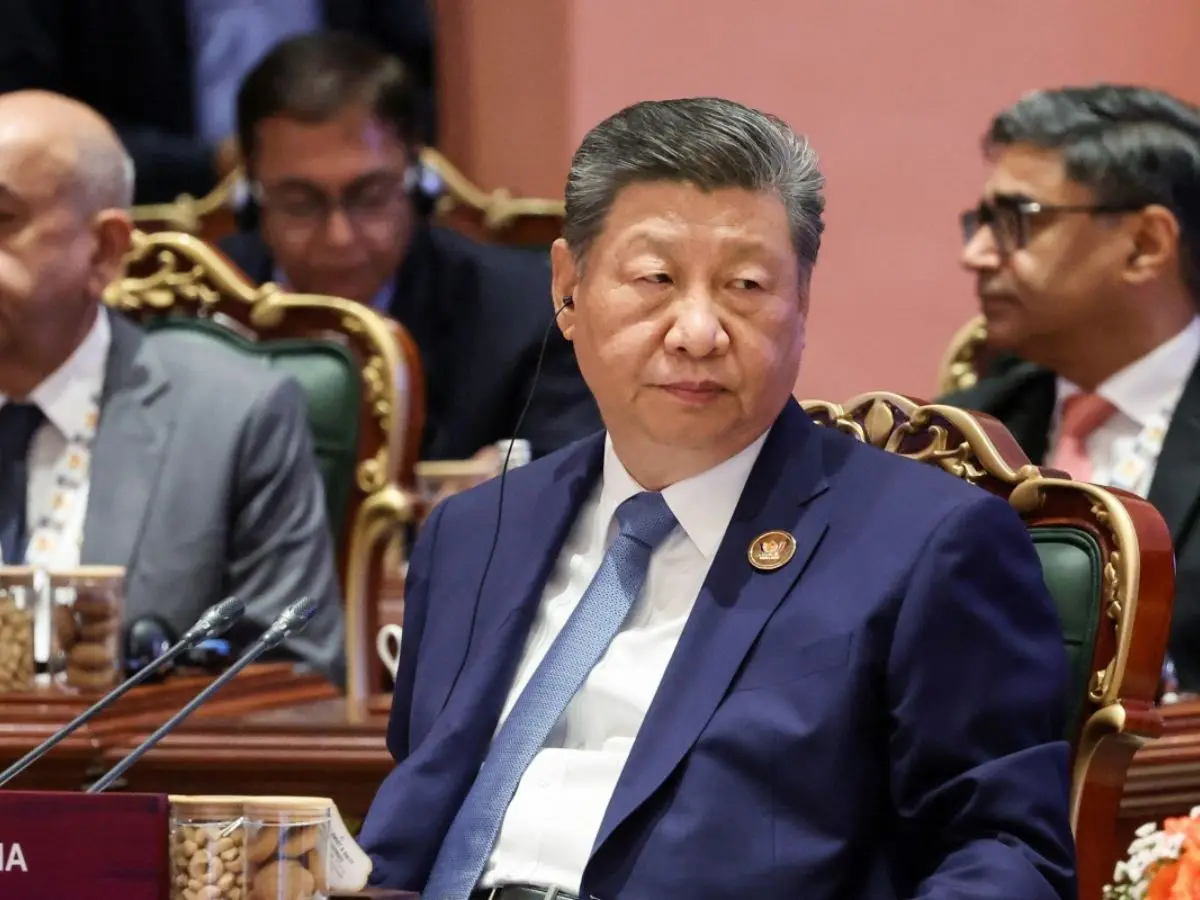)
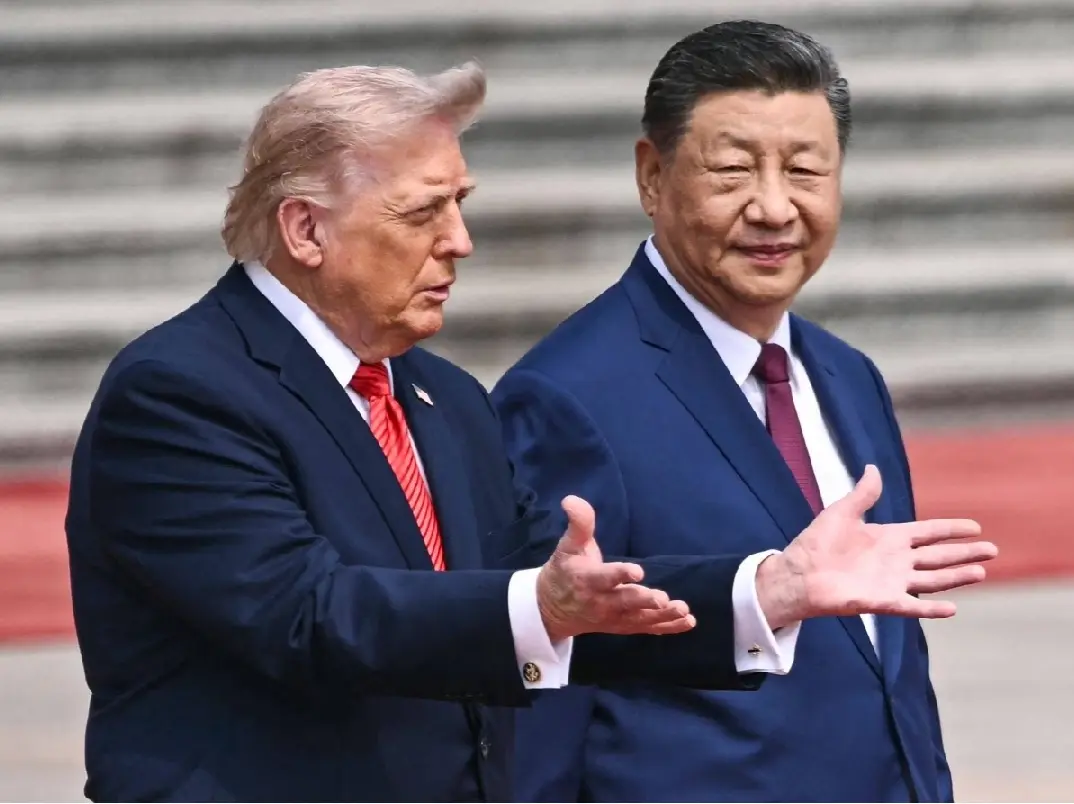
Ten days from Delhi to Washington: What Xi's BRICS-to-White-House sprint means for India
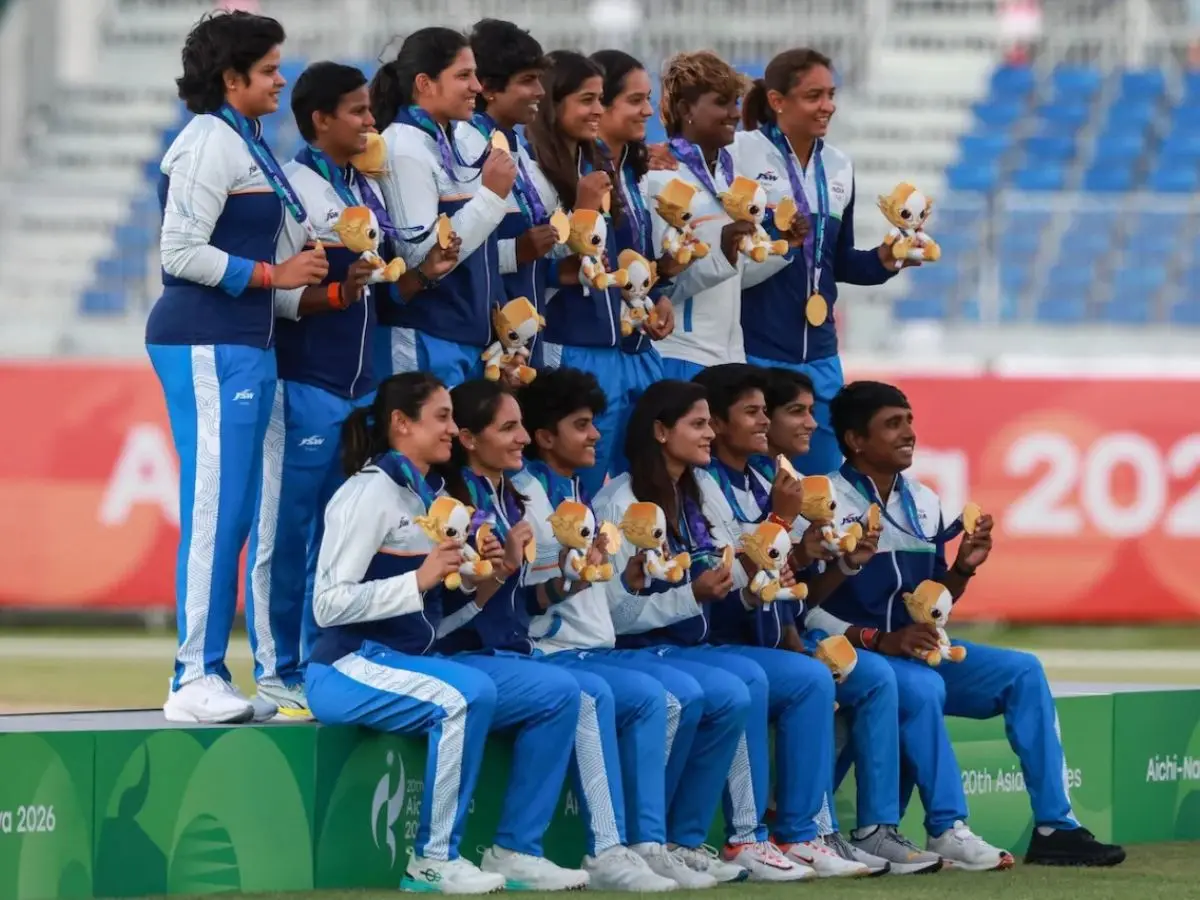)
'Our team opened the gate of gold medals': Harmanpreet Kaur on India’s Asian Games final win
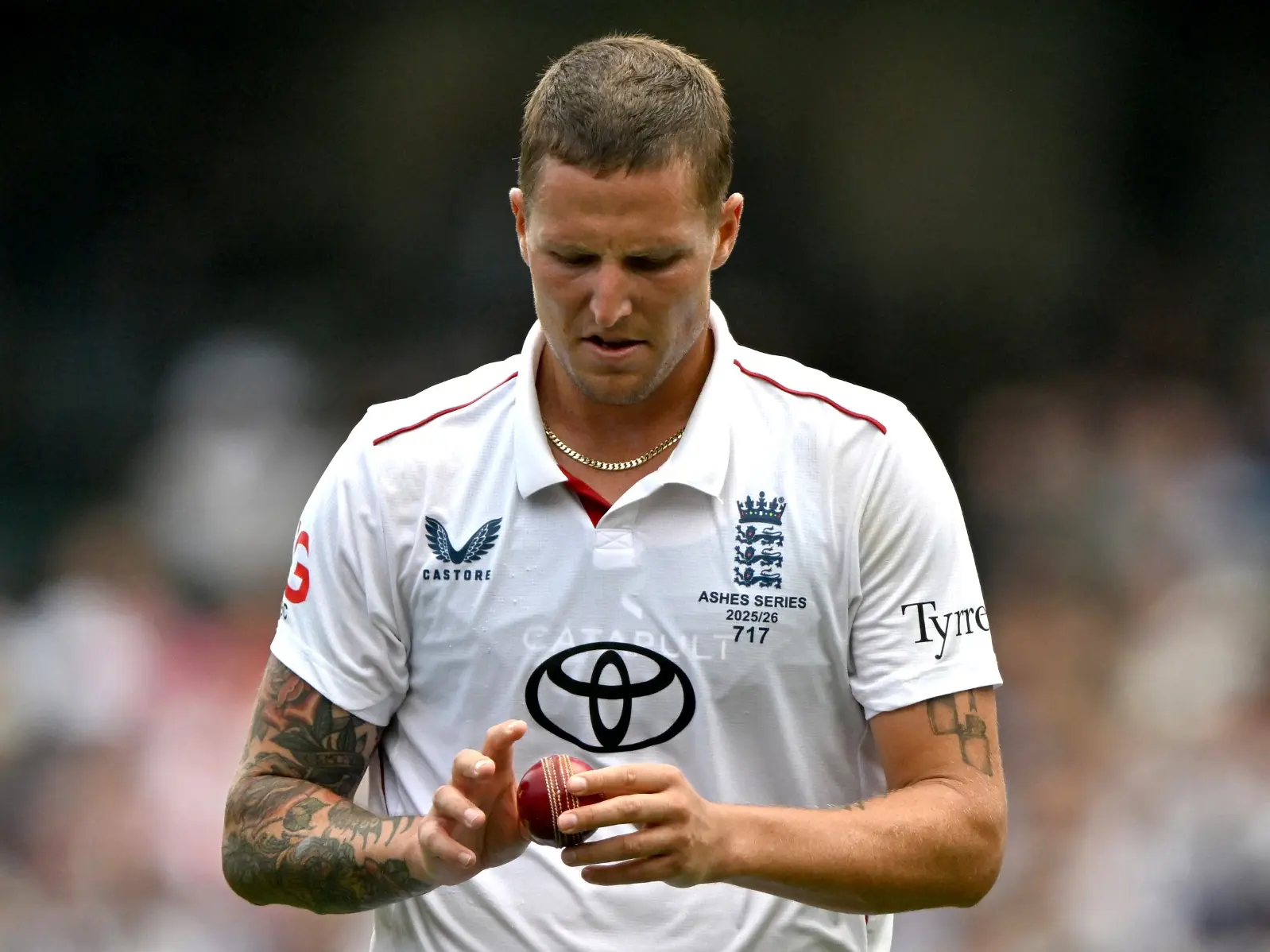)
'Needs time away from the international scene': England white-ball captain Brook on pacer Brydon Carse's future
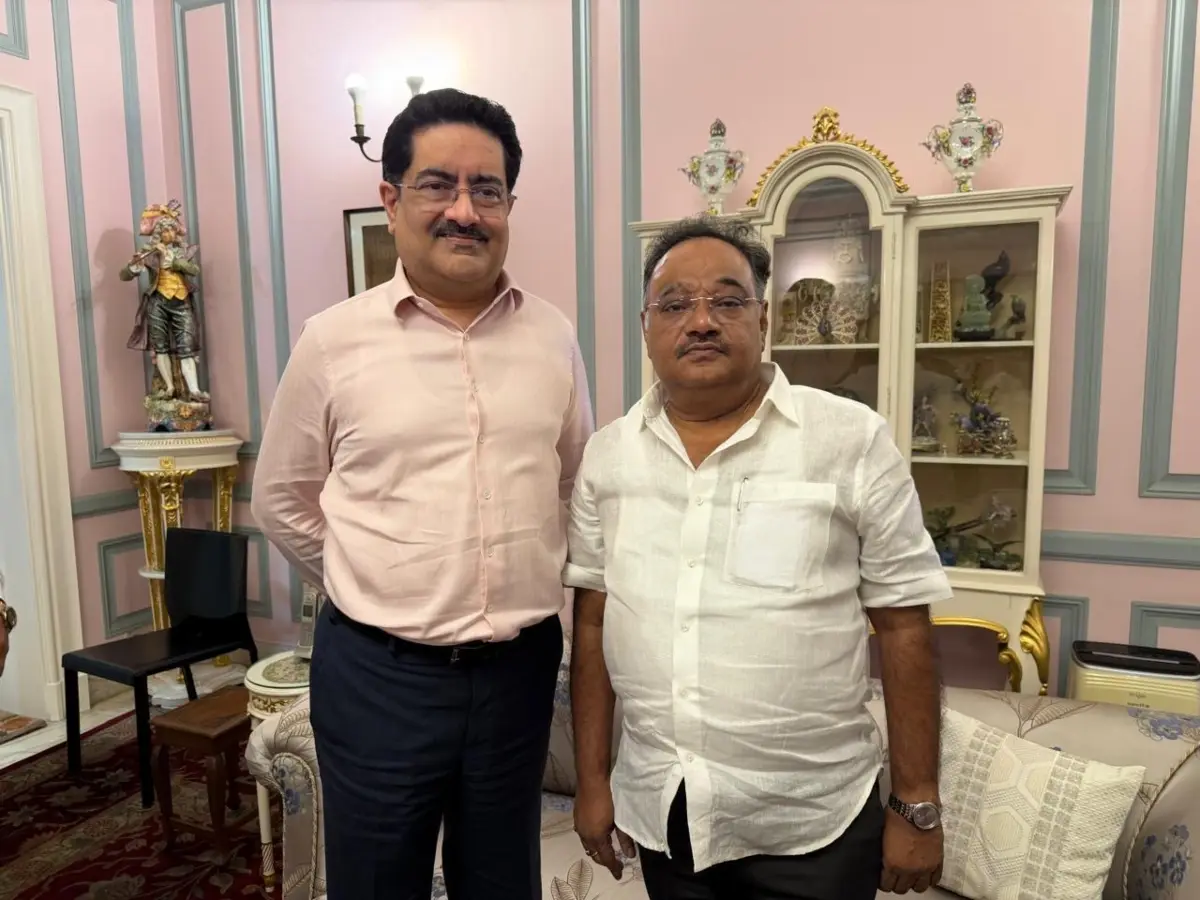)
Four decades after leaving Kolkata, the Birlas may be coming back for more
)
The Verdict | Moral policing isn’t culture or discipline, it’s crime
)
Glitch in the matrix caught on camera: Woman vanishes after talking to reporter
)
Rani Mukerji's mother Krishna Mukerji passes away; Karan Johar, Jaideep Ahlawat visit actress
)
Asian Games 2026: India women's cricket team beats Sri Lanka by 147 runs for first gold
)
Key accused in Bihar's Jamui molestation case, arrested after police shoot him in leg
)
ICC plans T20I expansion and fewer ODIs in 2027–2031 FTP cycle: Report
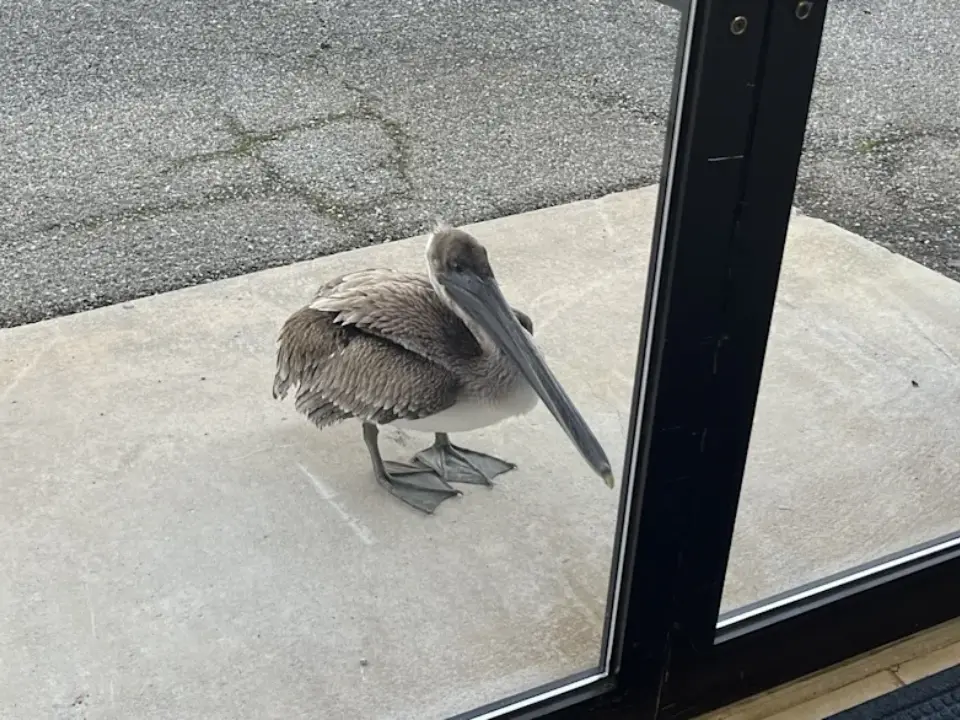)
Injured pelican knocks on NOAA facility door in Florida seeking help
)
'Mumma’s boy from Gwalior who dared to dream': Kartik Aaryan pens long note after first National Award win
)
US and China vie for AI dominance as calls grow for regulation | Gravitas
72nd National Film Awards: Kartik Aaryan receives Best Actor honour for Chandu Champion in Gujarat
)
IND vs JPN, one-off T20I: Japan captain Kendel on pushing India to the brink - ‘It was special’
)
Saudi Arabia exits China-led mBridge digital currency platform amid Saudi-Houthi conflict
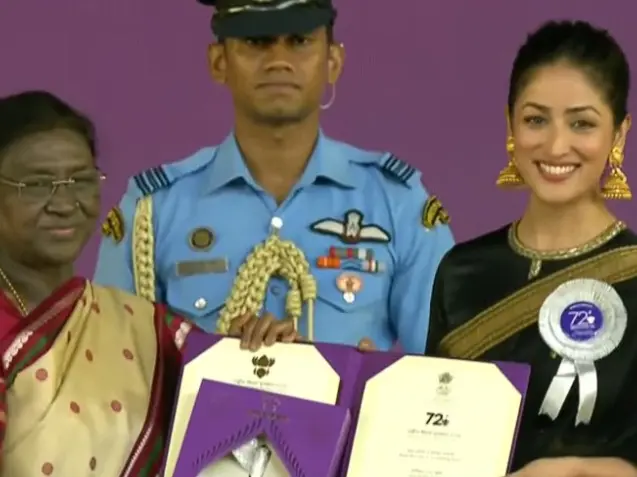)
National Film Awards 2026: Yami Gautam wins Best Actress for Article 370
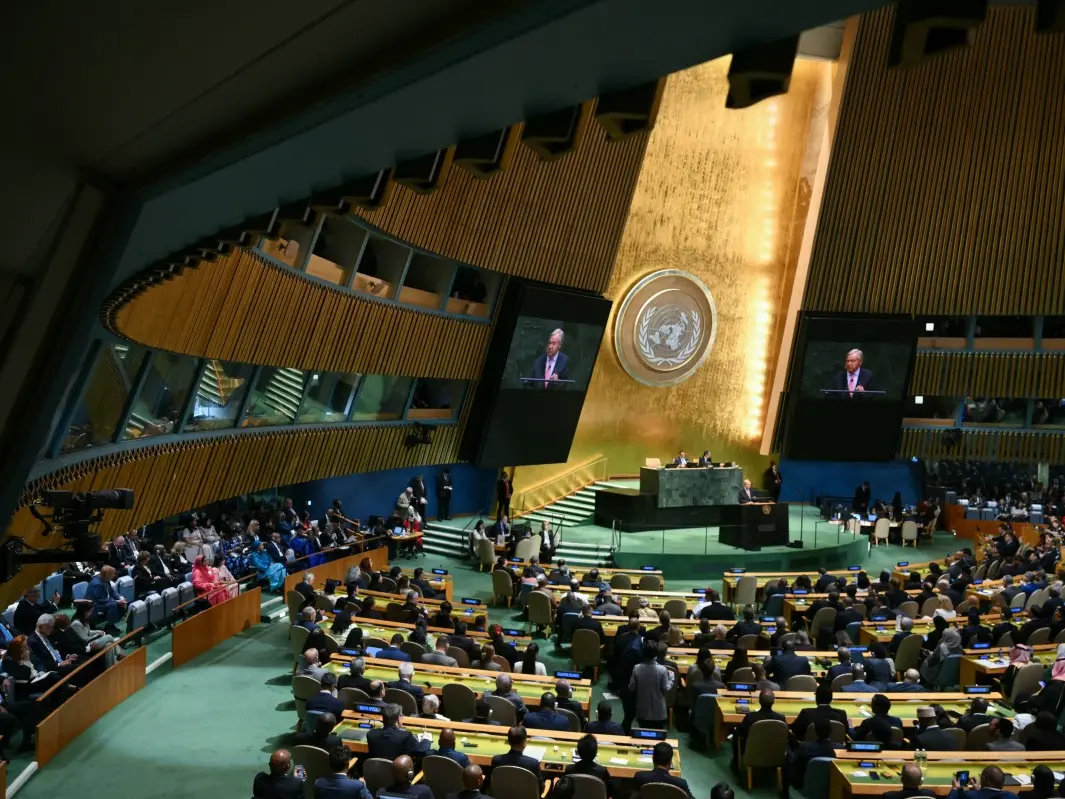)
World leaders repeatedly call Gaza crisis ‘genocide’ as Israel’s war dominates opening sessions of UNGA
)
WION Iconic Tourism Summit and Iconic Awards 2026: India's travel economy leaders gather in Delhi
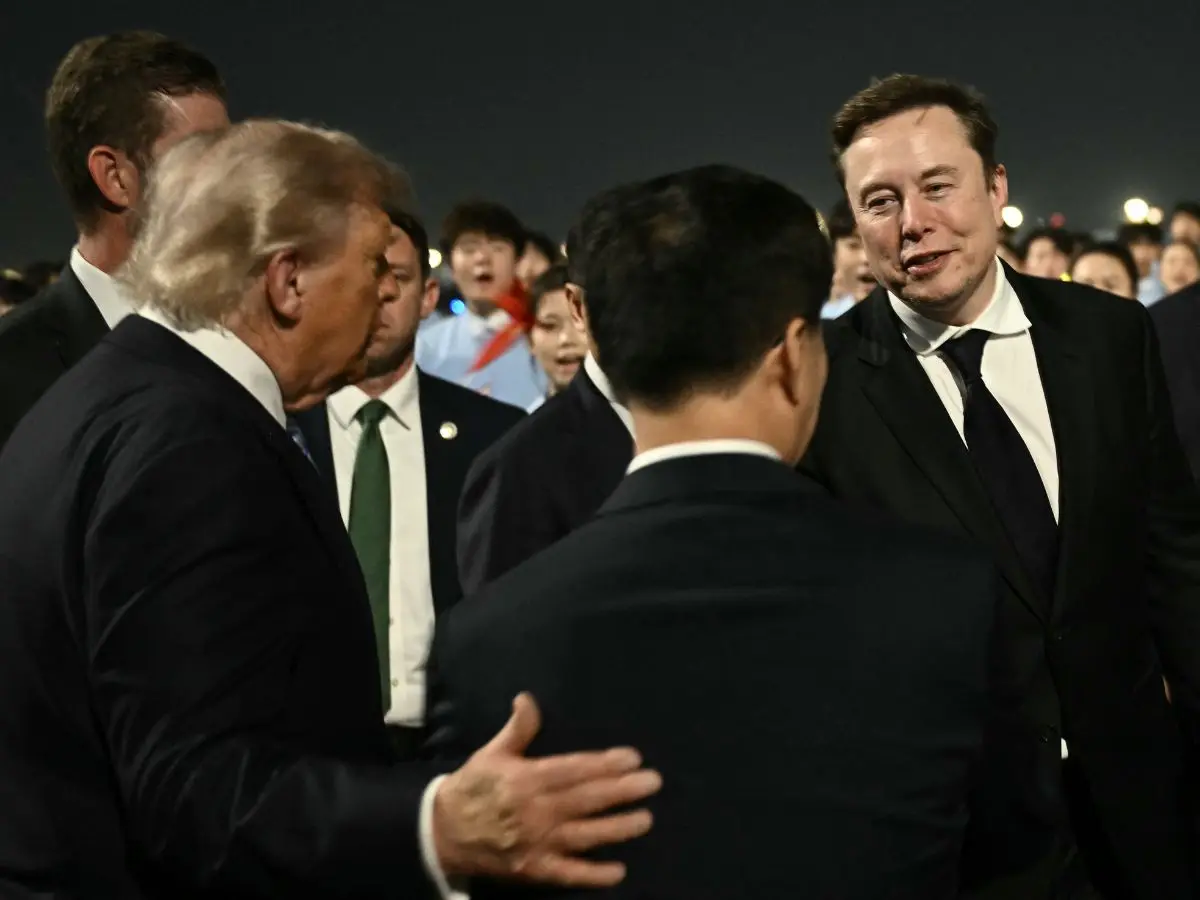)
Trump-Xi state dinner 2026: Who is invited? Full guest list of tech CEOs, business leaders and officials
)
American manufacturing is reshoring faster than its factory floors can absorb
&im=FitAndFill=(700,400))
New OTT releases this week (September 21-27, 2026): Shaque: Trust No One, Hunkkaar, Don’t Be Shy- 5 new titles coming to Netflix, Prime Video and more
)
Trump calls on nations to quit ‘rogue’ and ‘out-of-control’ International Criminal Court, rips UN
)
Who is Clavicular? The 20-year-old controversial 'Looksmaxxing' influencer charged with rape allegations
)
'This is normally what toddlers do': Why a psychiatrist is raising fresh questions about Trump’s recent behaviour
&im=FitAndFill=(700,400))
National Film Awards 2026: Kartik Aaryan, Mammootty, Yami Gautam, Randeep Hooda and other key winners
)
‘We are all held hostage’: Brazil’s Lula attacks Security Council inaction, Guterres calls for reform
)
‘Strike a deal or drive Iran into hell’: Trump issues fresh warning to Tehran at UNGA
)
Trump calls Cuba a ‘failed state’ at UN, Cuban delegation walks out
)
Trump’s China visa crackdown puts US universities, Chinese students in focus ahead of Trump- Xi summit
)
Explainer: Why rare-earth export licences and Board of Trade are US priorities ahead of Trump-Xi summit
)
BTS fans mock iHeartRadio’s day 2 turnout after short set controversy
)
Oil slips to $98 as Saudi Arabia restarts East-West oil pipeline
)
‘Shame on you’: Netanyahu vows to ‘tell the truth’ about Mamdani at UN ahead of New York visit
)
The Scandal: Why so scandalous? Ji Chang Wook leaves you gasping for air