After pandemic, India should aim for self-reliance in public health

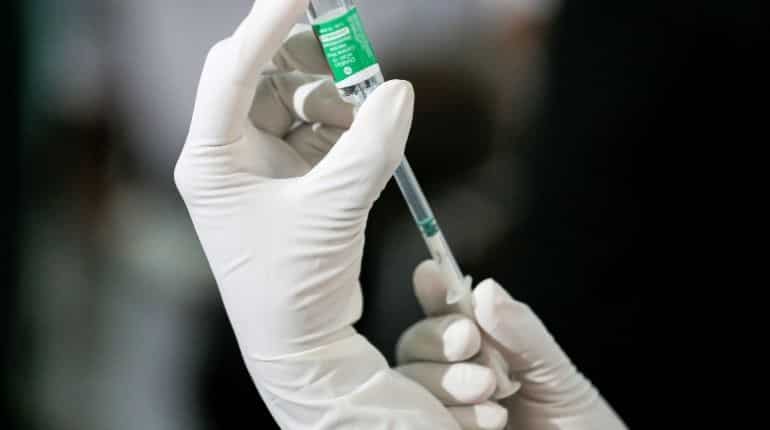
Over 200 million Americans are fully vaccinated
Covid situation in India is horrific with shortages, death and panic. In Such times, global support counts for a lot. India demonstrated this last year. Hospitals in the West were swamped. They had no PPE kits, no masks and no medicines. It was India that came to their rescue.
This year, we are seeing a role reversal. India's caseload is steadily rising. But on the other side of the world, things are improving.
Europe and America are emerging from the pandemic. So naturally, you would expect them to repay the favour. Instead, we got snarky remarks and delays.

The US was the most curious case. Washington kept talking about the importance of US-India ties. At the same time, they were withholding critical raw materials. This action had consequences. Without raw materials from the US, Indian vaccine makers could not expand output. But the State Department saw things differently. They came up with the most bizarre defence when asked about the embargo.
The State Department believes getting Americans vaccinated is a global priority.
)
Harry Brook targets long reign at top of T20I rankings after Sri Lanka sweep
)
North Korea's nuclear tests triggered 1,399 earthquakes: Earth is still shaking | Gravitas
)
China now makes advanced memory chips without the machines it was banned from buying
)
Ed Sheeran addresses Macklemore's removal, Gaza conflict during Philadelphia concert: 'I cannot hide how I feel'
)
Sikh bus driver assaulted, bus stolen and rammed into cars in England; video surfaces
)
Munich Mayor taps first keg to kick off Oktoberfest
)
Trump in ‘deciding mode’ on Iran, says ‘very big things’ going to happen soon
&im=FitAndFill=(700,400))
Top 10 countries in mathematics: See the world’s best performers in 2026
)
Saudi vs Houthis: Houthis claim missiles & drones used in attack on key Saudi sites
)
Trump defends AI amid growing alarm, announces new 'AI force' and promises an 'AI czar'
)
'Lot of things to learn from experienced players': Jayasuriya backs Rohit, Virat for 2027 ODI World Cup
)
BTS' fans question iHeartRadio’s treatment of group after brief festival set
)
Arvind Kejriwal, family members, Delhi CM Rekha Gupta get SIR notices
&im=FitAndFill=(700,400))
What TSMC's 2nm technology means for Apple
)
Iran sets 7 conditions to end war with US: What are Tehran’s demands?
)
S Jaishankar, former Army chief among high-profile names issued Delhi SIR notices
)
'Were you here to sell chickpeas?': Wasim Akram criticises Babar Azam's captaincy
)
West Indies Squad for India Series: Hetmyer included for T20Is, Holder rested
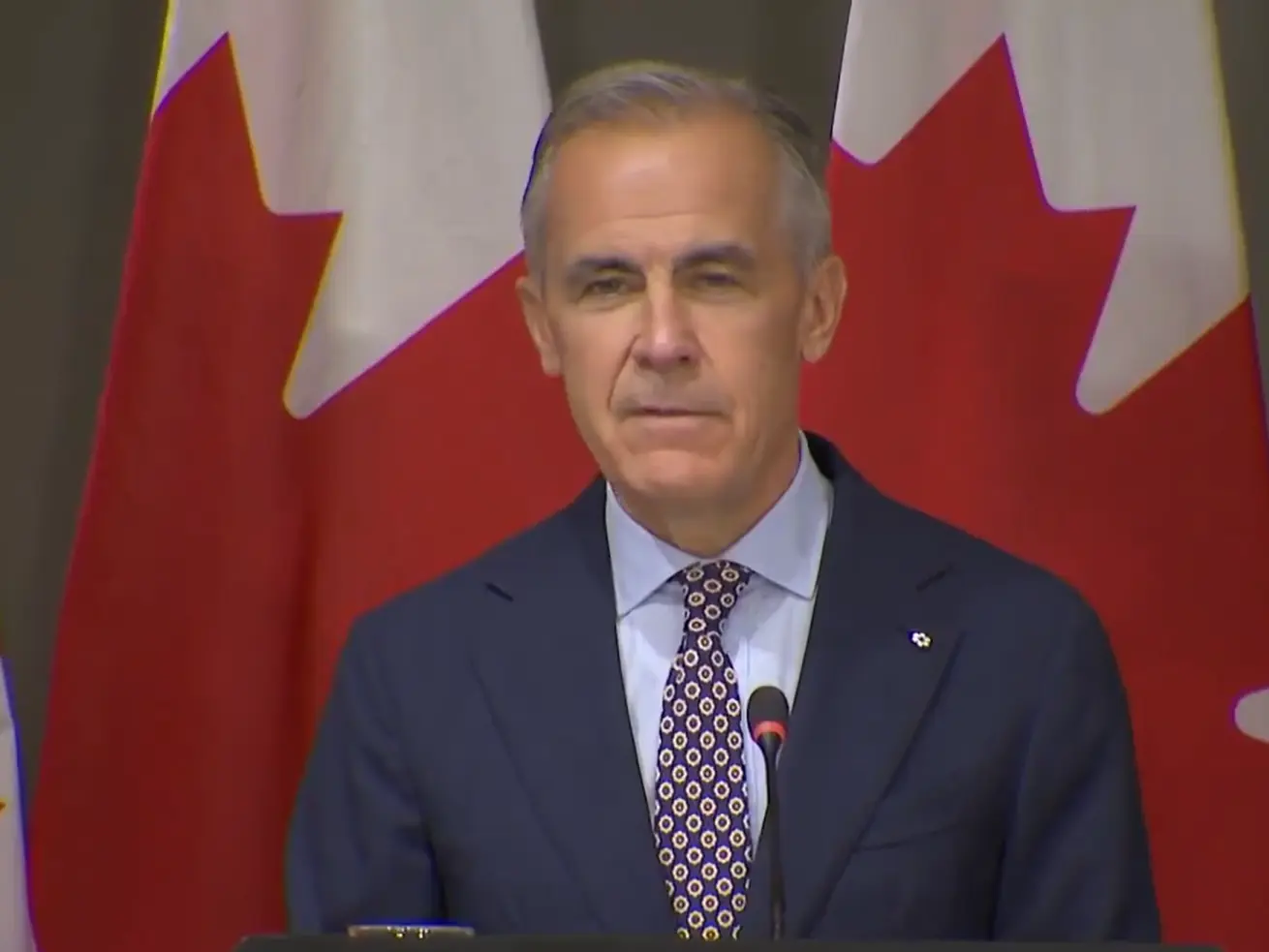)
Mark Carney mimics Trump in hilarious moment over C$70 billion clean-energy investment; room erupts in laughter
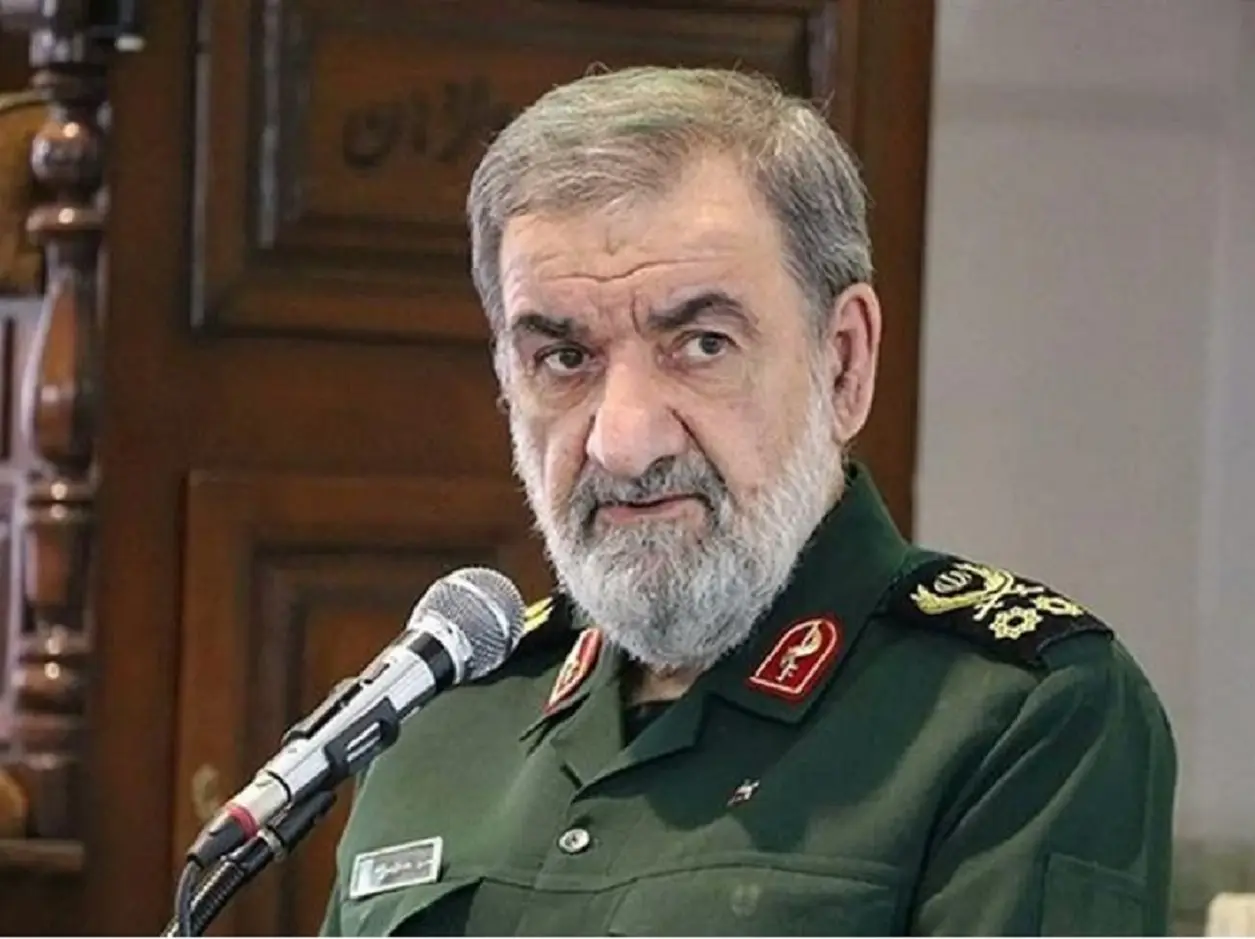)
US ships in Indian Ocean ‘will be attacked’ if war resumes, warns Iran
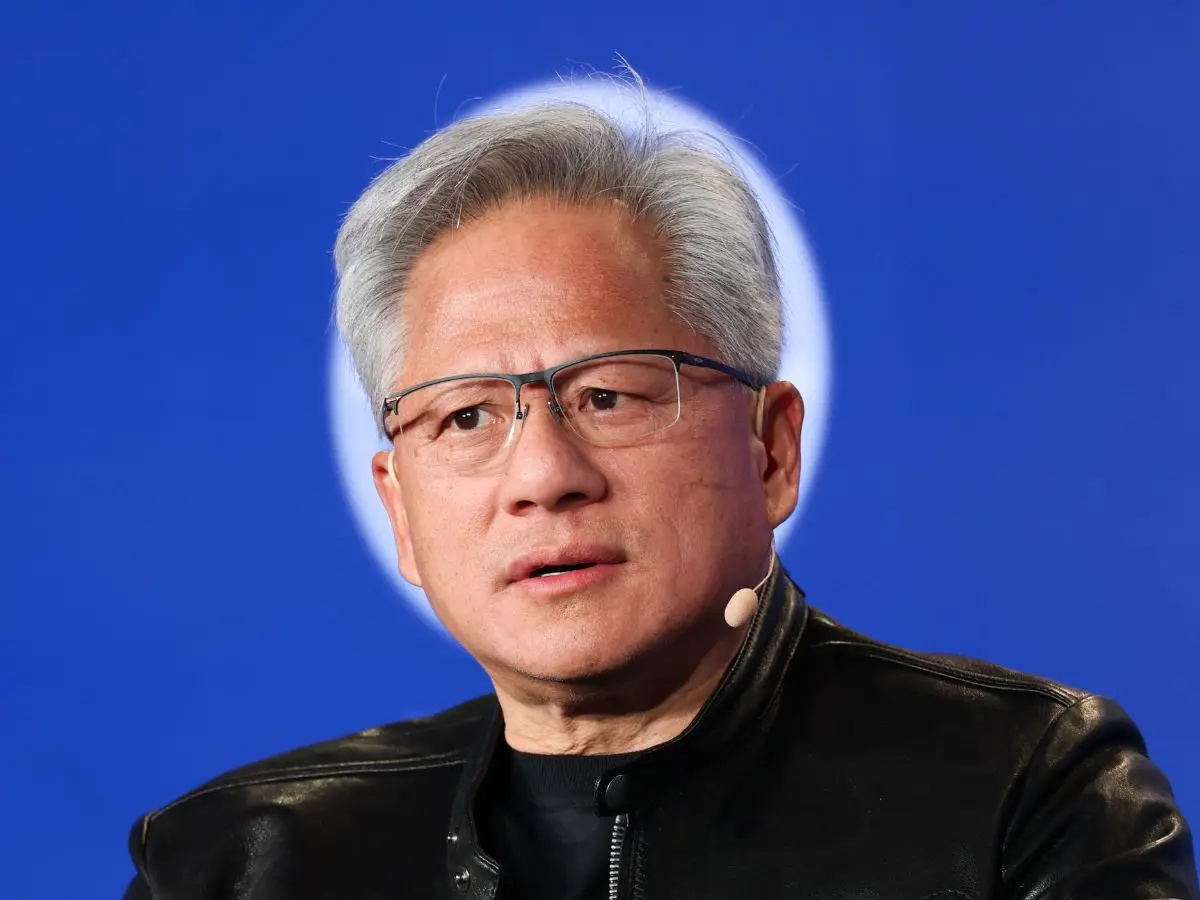)
‘0% chance’: Nvidia CEO Jensen Huang dismisses AI extinction fears by 2030
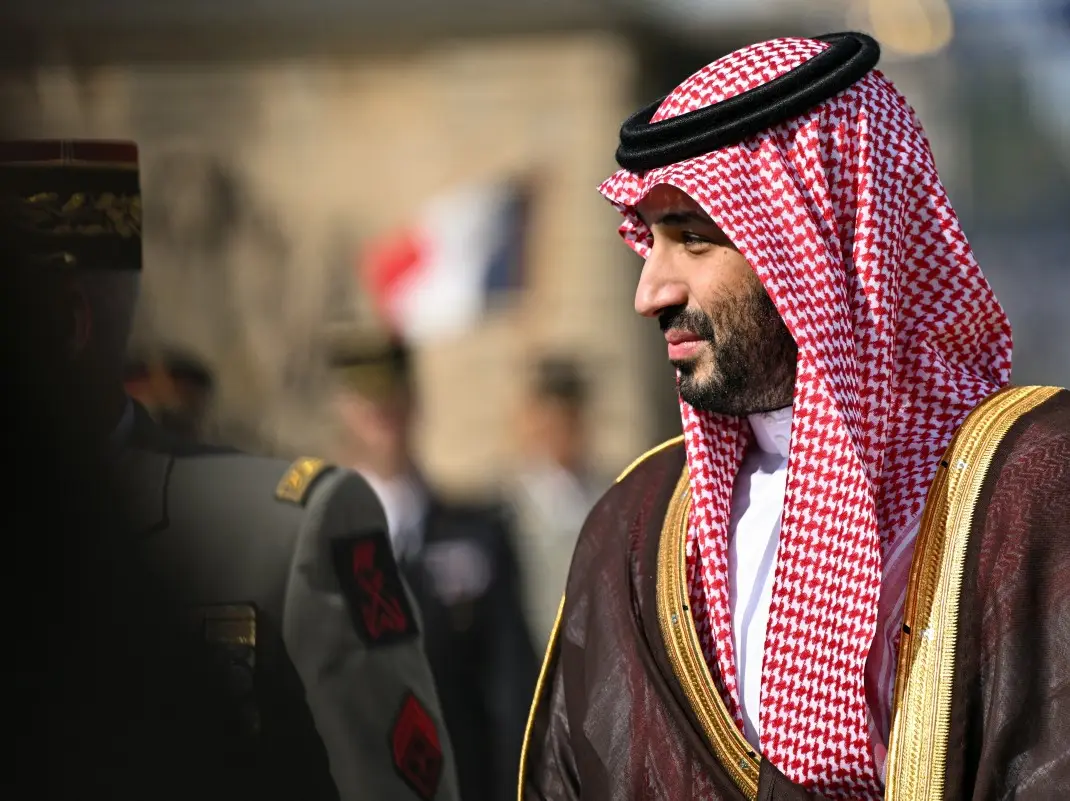)
Saudi Arabia exits China-led mBridge digital currency platform amid Saudi-Houthi conflict
)
Several petrol pumps, other businesses to refuse UPI payments above Rs 2,000 from Oct 16: Is it legal?
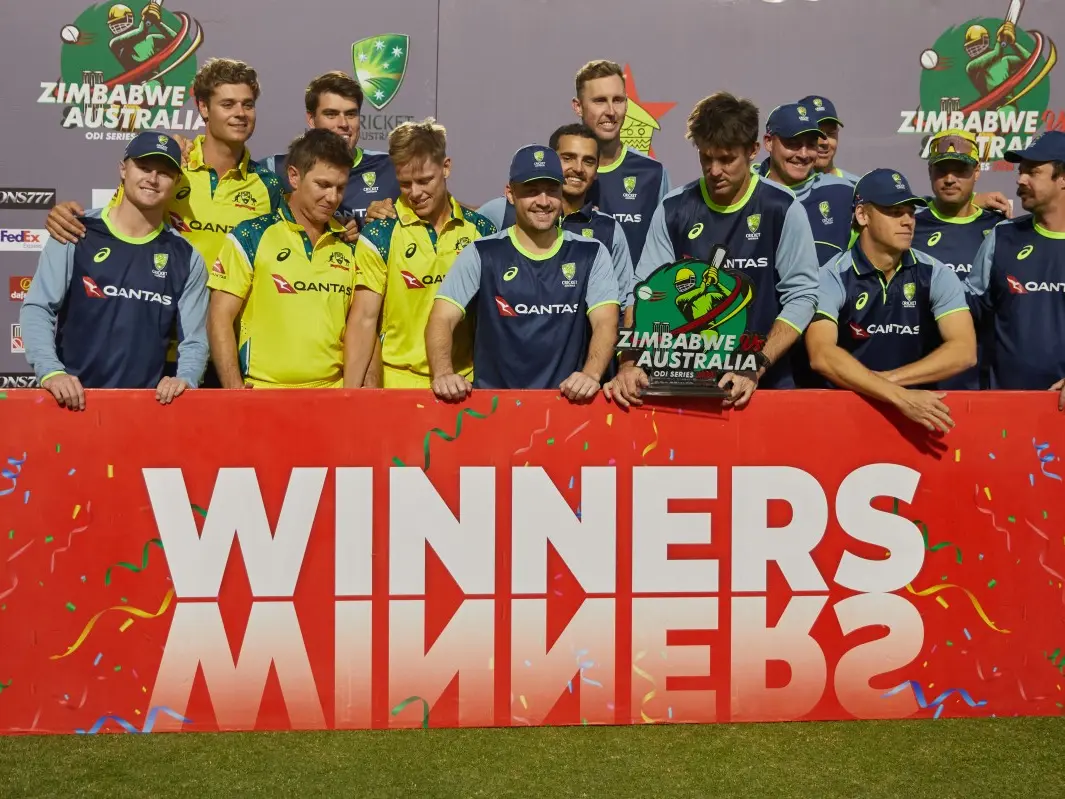)
AUS vs ZIM, 3rd ODI: Ellis stars as Australia edge Zimbabwe by one wicket in last-over thriller
)
Israeli President pardons combat medic who shot dead a badly wounded Palestinian attacker
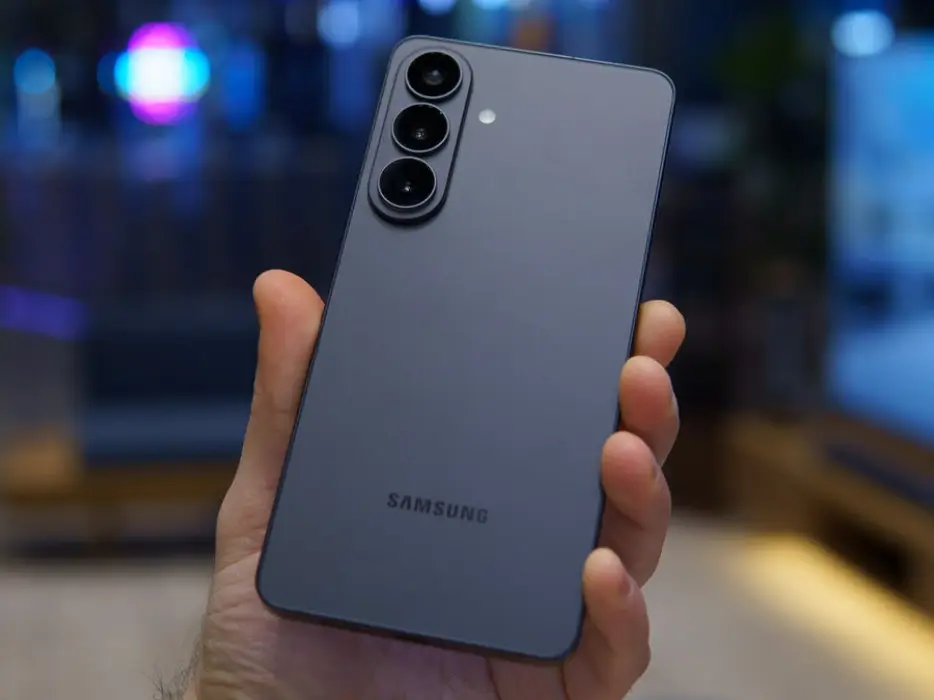)
Samsung raises Galaxy S26 prices by Rs 20,000: Here’s what each model now costs
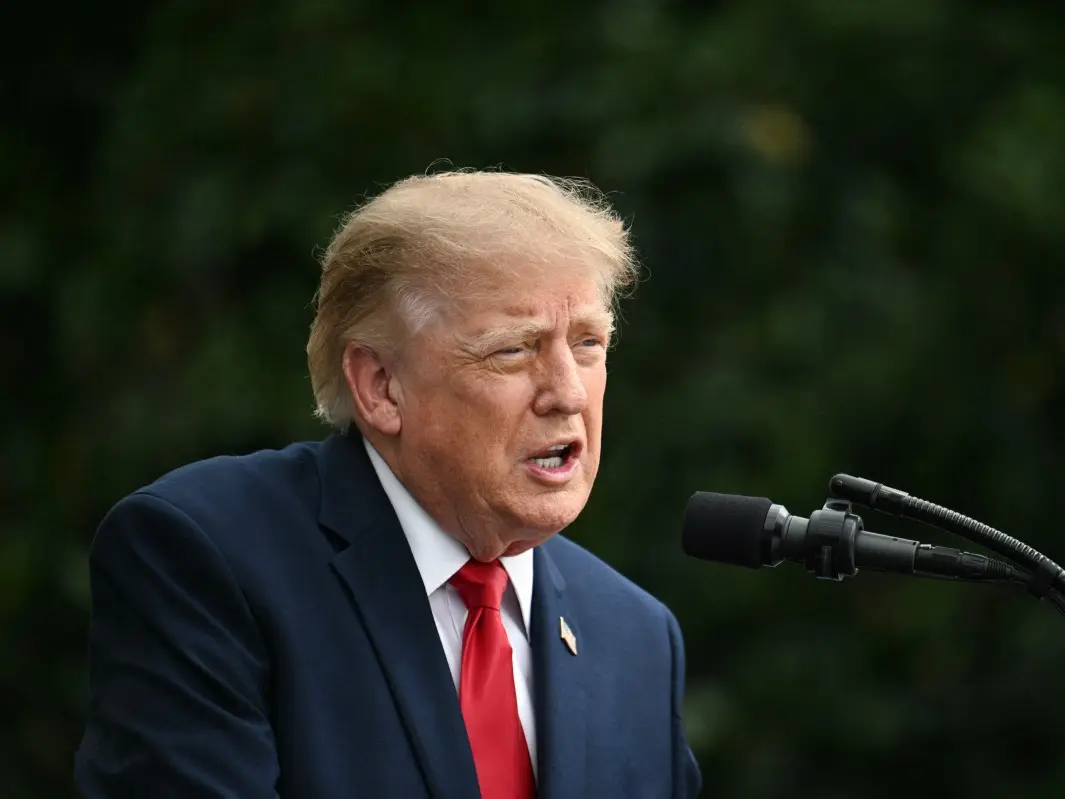)
Trump announces ‘AI Force’ as debate grows over AI risks and regulation
)
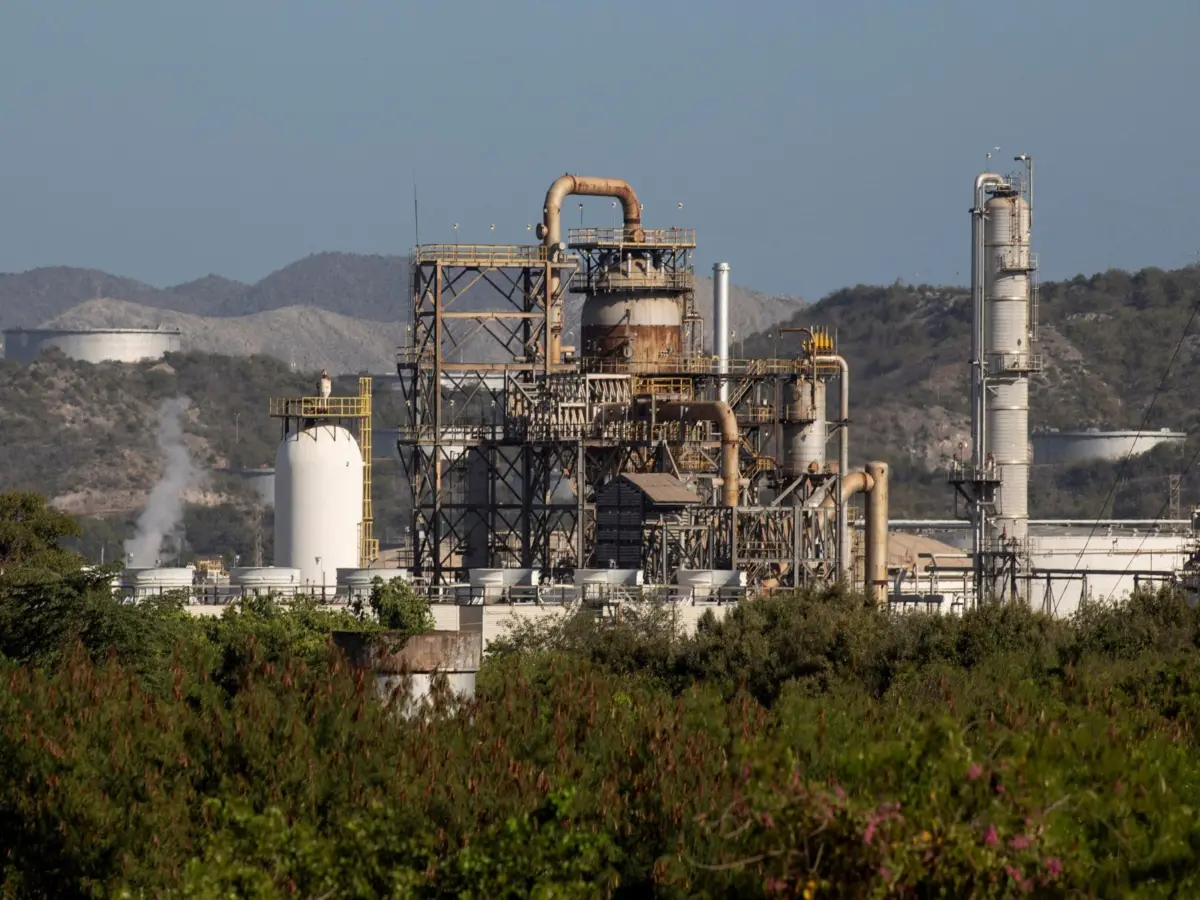
Kampala-Ankara rift deepens: Uganda suspends military ties, seeks Fred Lumbuye's extradition
)
Trump signs Russia sanction bill. How will it impact India? WION Explains
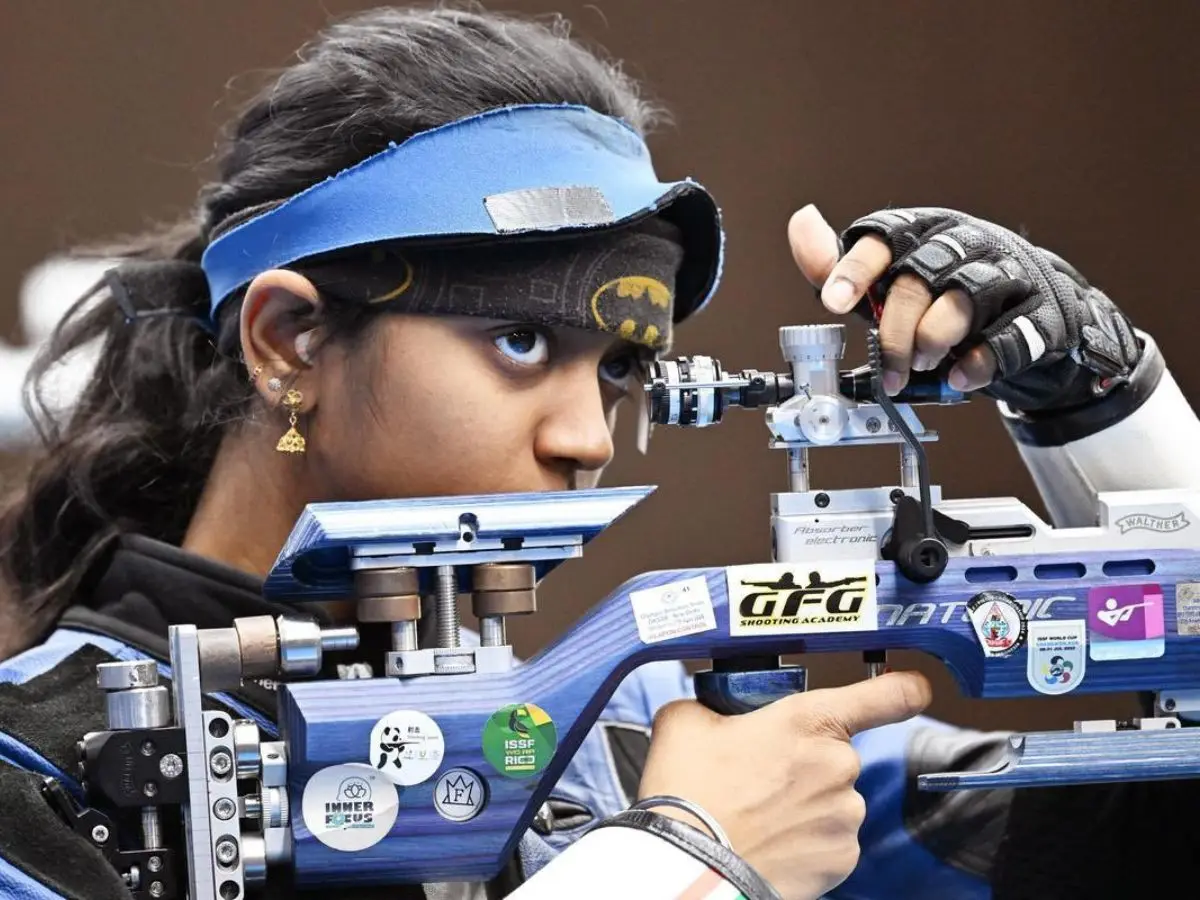)
Asian Games 2026: India win first medal as women’s 10m air rifle team claims silver
)
AI actress Tilly Norwood glitches mid-interview, switches from English to Chinese | Watch
)
9 women found dead near Johannesburg: South Africans rally, demand 'enough' to femicide
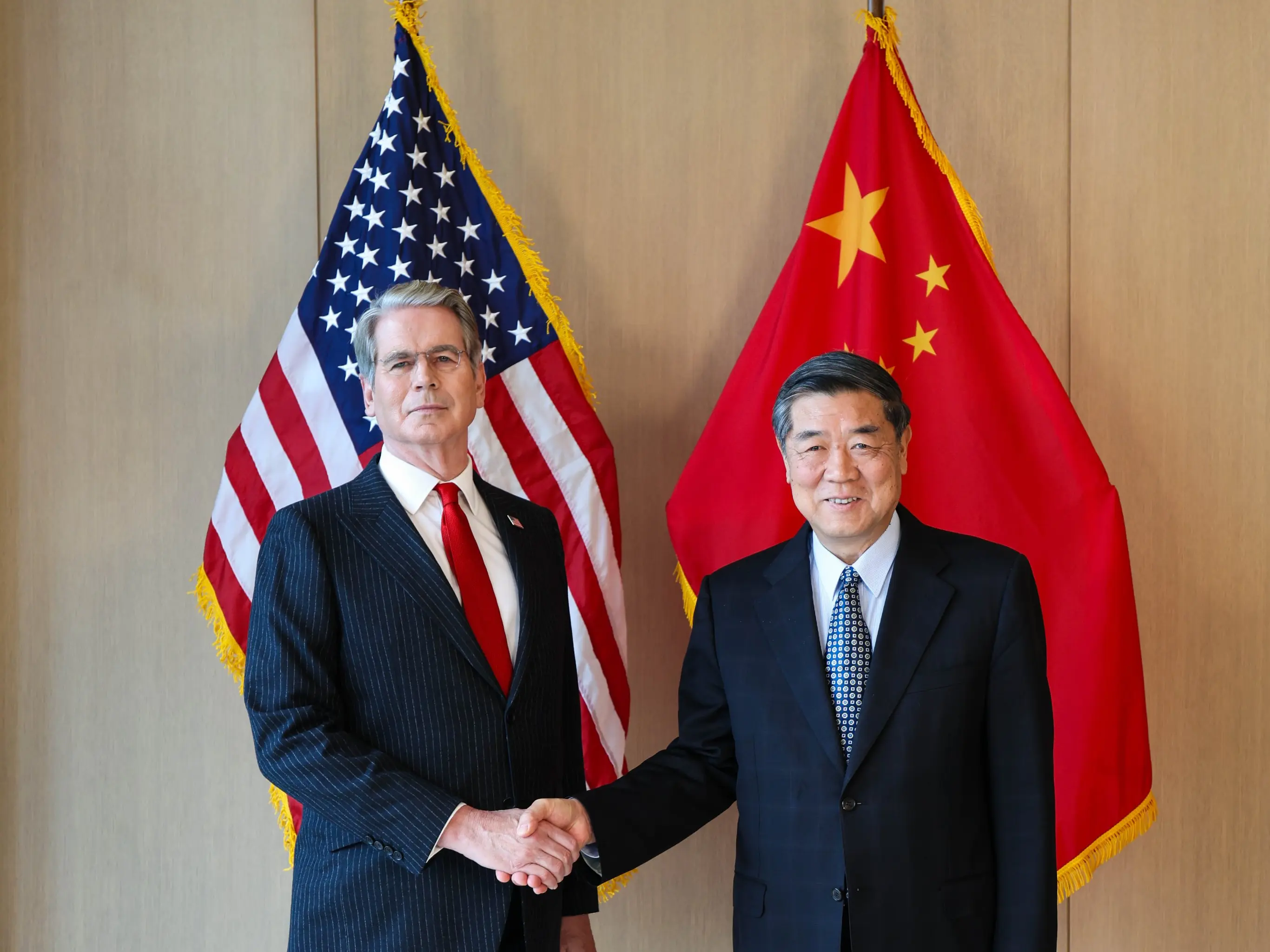)
Bessent meets China’s He Lifeng to prepare for Trump-Xi summit
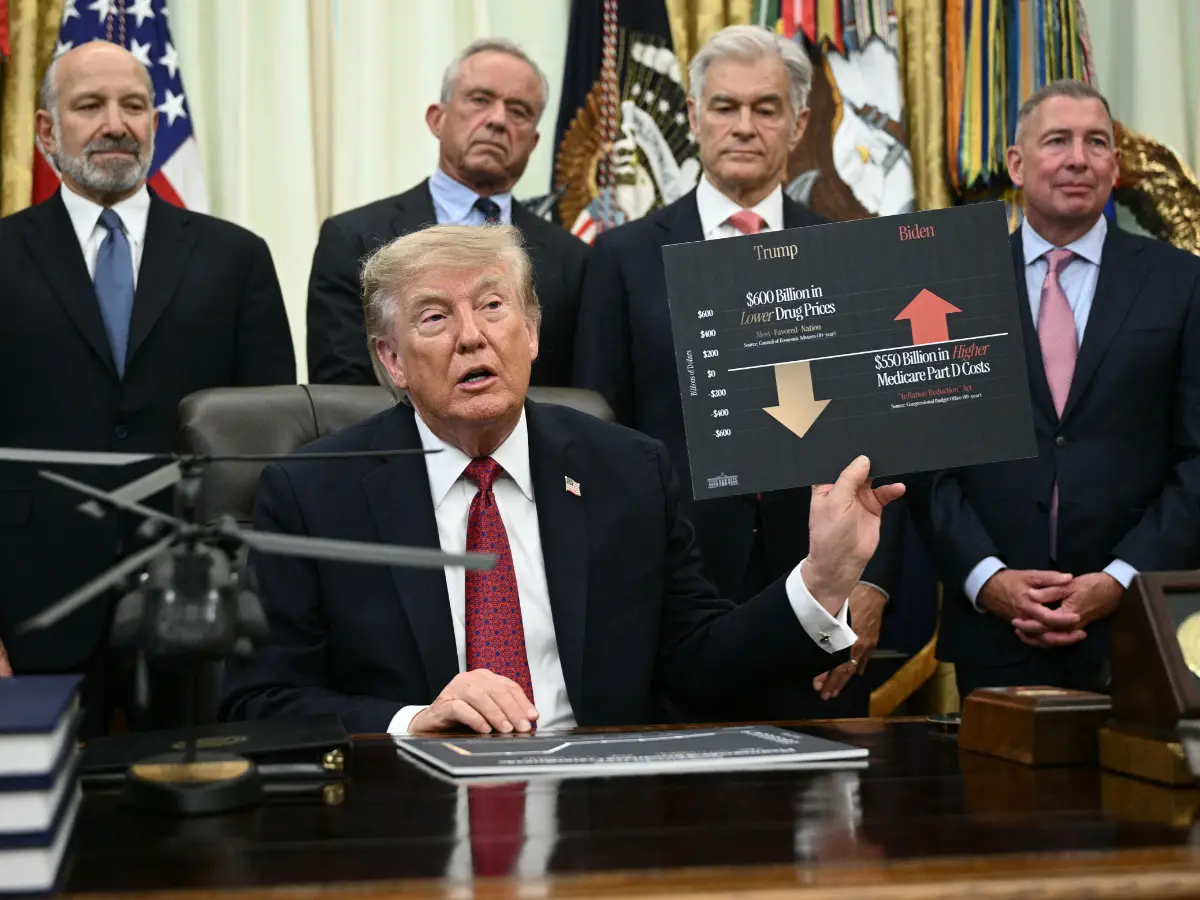)
Trump says he'll build an 'AI Force' and appoint a czar, for 'high IQ' people only
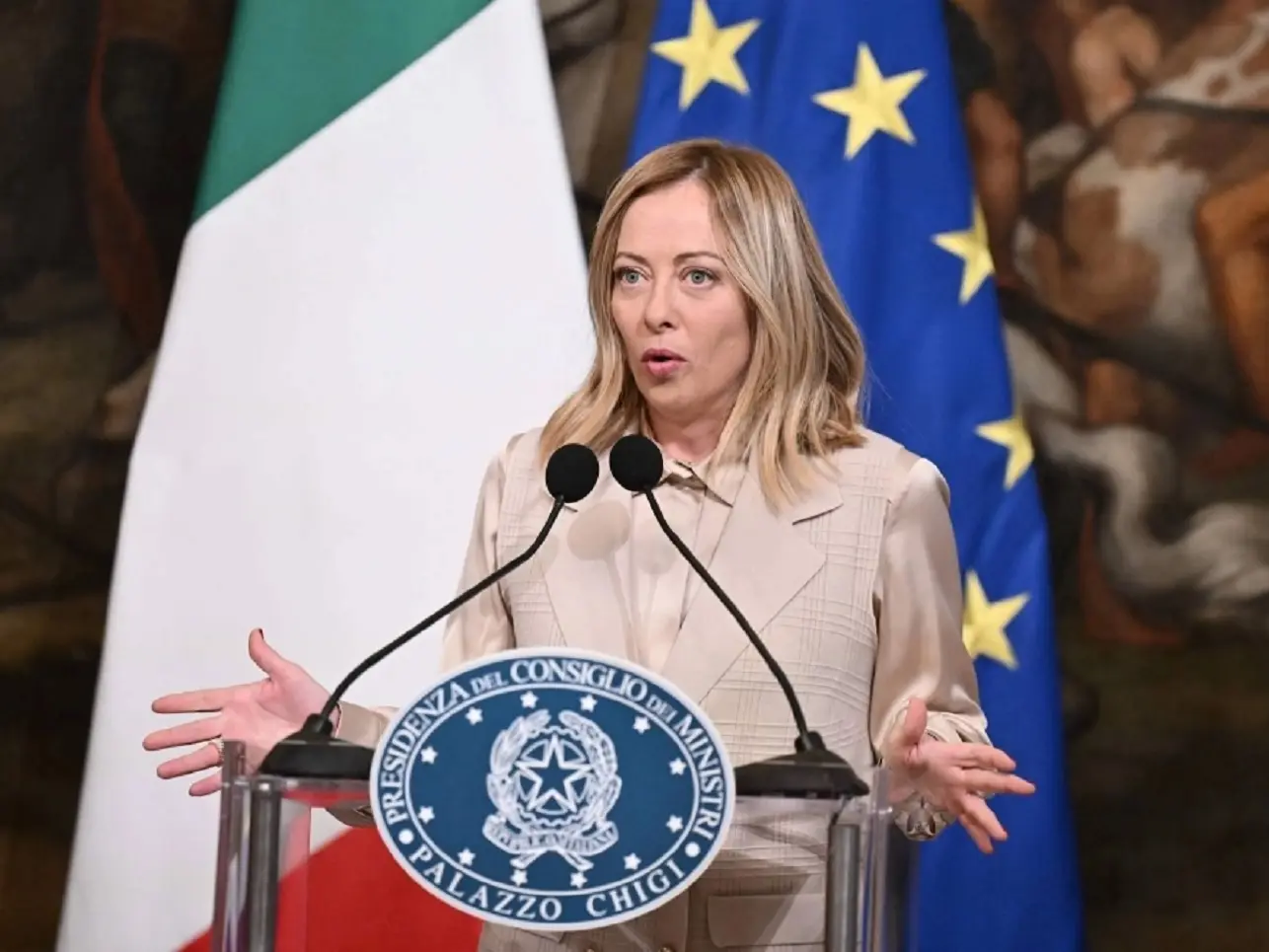)
Italy to ban burqa and hijab in schools, limit foreign students per class: PM Giorgia Meloni
The US may be a superpower, but its people are not a superspecies. So there is no reason why Americans deserve the jab more than people in Asia or Africa or Latin America. But that's exactly what the US was doing until this weekend: hoarding vaccines, blocking raw materials, and telling the world it's in their best interest. Criticism followed, America changed track.
Countries like America play to the gallery. And in the last few days, the world's attention has turned to India. Every major newspaper was carrying the story.
People started talking about America's embargo. And its selfishness. So the tone changed. Suddenly, Joe Biden remembered how india had helped his country last year.
This is what the president tweeted on Monday:"Just as India sent assistance to the United States as our hospitals were strained early in the pandemic, we are determined to help India in its time of need."
America has finally relented. It is poised to send ventilators, PPE kits and vaccine raw materials to India. But it shouldn't have been this hard.
Since Biden imposed the embargo, India has added 6 million new infections and nearly 40,000 deaths. The fact is, when India needed the US, it vanished.Now that the world is watching, it is eager to help. Hardly the actions of an ally, let alone a friend.
So what's the lesson here? Was India wrong in depending on other countries? Has the spirit of globalisation failed the test of tragedy?
The biggest takeaway is this. There is no substitute for self-reliance. Even the champions of globalisation are dabbling in vaccine nationalism. They are shutting borders and stocking vaccines.
But India did the exact opposite. It gifted millions of doses to neighbours, took on the mission of vaccinating Africa and Europe. In hindsight, critics may question the wisdom. But hindsight is a dangerous place to dwell.
India can be proud of its vaccine diplomacy.The rest of the world is responding in kind. At the same time, the lesson is clear. India must build its own arsenal. Because when the next tragedy strikes, things won't be any different.The US And Europe will still put their citizens first.Many Indian firms are supplying raw materials for Pfizer and Moderna. New Delhi could have leveraged this. It chose not to. This is the language America understands. The language of power and arm-twisting.
And quite frankly, we shouldn't be surprised. The US has repeatedly failed, when India has sought help. And this wasn't a handout. India was buying raw materials for a vaccine. American companies were being paid.
Look at some instances in history.
In the 1990s, Americans refused to share the cryogenic technology for space missions. So India got down to building its own. It wasn't easy work. There were multiple setbacks on the way. But in 2017, India's home-grown cryogenic engine was tested successfully.
Here is another instance. This is from 1999, during the Kargil war.
Pakistani troops had taken up strategic positions. So India requested GPS data from the region.GPS could have been a gamechanger in Kargil.
But we'll never know, because the US government denied India's request. Two decades later, India has its own GPS. It's called the Navic system. Experts say Navic is even more accurate than GPS in the Indian sub-continent.
India has thrived in adversities. Some of our finest moments have come amid hardships. The Wuhan virus pandemic should be no different. A post-pandemic India must target self-reliance in public health.