80th Independence Day: The fractured India British left behind

&imwidth=600&imheight=450&format=webp&quality=medium "80th Independence Day: The fractured India British left behind")
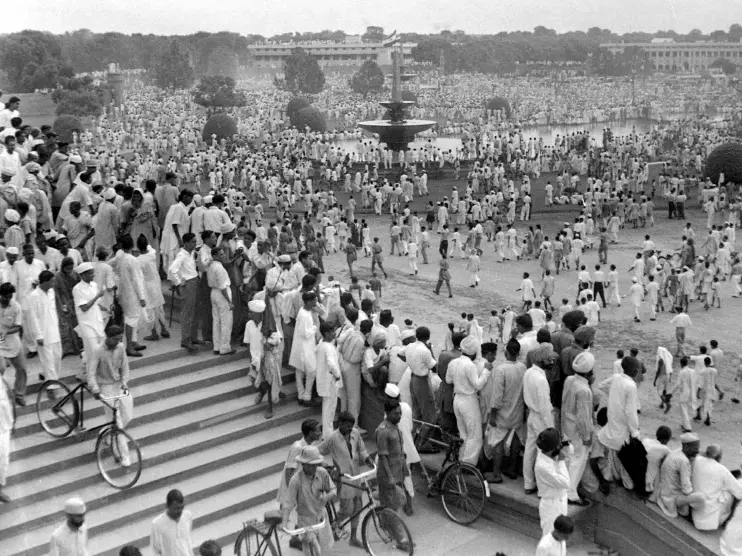
India became independent in 1947 but inherited a fractured economy and a humanitarian crisis. Photograph: (AFP)
The British left India in 1947, but it was a fractured nation that was living in survival mode. The economic and humanitarian crisis took a toll on the nation. Nearly 1 million people lost their lives in the partition, and the financial situation was dire.
India achieved independence from British Rule after a long struggle. But the happiness was quickly overshadowed by existential, humanitarian, and structural challenges. The India the British left behind was severely fractured, with economic problems, an impoverished population and the chaotic aftermath of the Partition. It was a country living in survival mode.
The human tragedy
The Partition forced millions of people to migrate. An estimated 12 to 15 million people crossed the borders from India and Pakistan. Hindus and Sikhs travelled to India, while Muslims left for Pakistan. But it was one of the most violent episodes in the history of the two countries. There was mass bloodshed on both sides of the newly formed border, as riots, massacres, abductions, and sexual violence broke out. An estimated 500,000 to 1 million people lost their lives in the maniacal killings. With a huge influx of people, refugee camps were set up in Delhi, Kolkata and Punjab. The administration was in its initial stages but faced a mammoth task of providing food, shelter and medical aid to the people.
Economic crisis
Colonial drain, war inflation, and agrarian distress shaped the economy of the newly independent India. Poverty and food shortages defined this India. Between 70 per cent and 80 per cent of the population lived below the poverty line, with a life expectancy of just around 32 years. Feudal practices, such as the Zamindari System, crippled agriculture. Agriculture was underdeveloped and monsoon-dependent, which triggered a massive shortage. Partition left most fertile agricultural regions in Sindh and East Bengal with Pakistan, which severely worsened domestic food insecurity. India was forced to rely on foreign food imports, which again pressured the fragile economy.
Political and territorial fragmentation
Trending Stories
)
)
)
)
)
)
)
)
)
)
)
)
)
)
)
)
)
)
)
)
)
)
)
)
)
)
)
)
)
)
)
)
)
)
&im=FitAndFill=(700,400))
)
)
)
)
The British created another problem. Over 500 princely states, such as Hyderabad, Junagadh, and Jammu & Kashmir, were given the choice to either join India, Pakistan, or remain independent. Sardar Vallabhbhai Patel, India's first Home Minister and V. P. Menon were given the job of getting these princely states to accede to the Indian Union.
Administrative problems
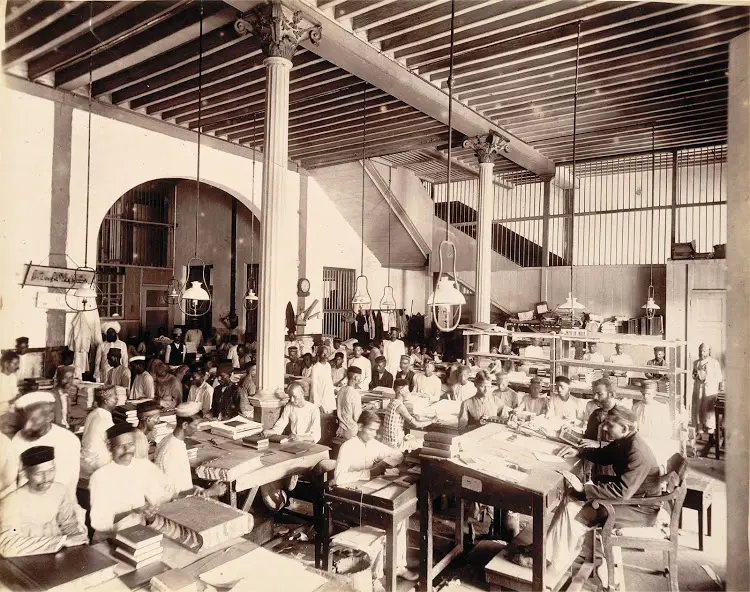
From treasury reserves, civil service personnel, railway tracks, and military equipment to small things like typewriters and chairs were divided between India and Pakistan. The departing British officials left a lacuna and severe shortage of experienced administrators and technical experts.
Social inequalities
Illiteracy and social divisions were another major problem India had to deal with. Only about 12 per cent to 15 per cent of the total population was literate, with female literacy hovering below 8 per cent. Caste hierarchies, untouchability and gender inequality were deeply entrenched in Indian society.
While India was gripped by communal violence in the tragic aftermath of Partition, the new nation also inherited a crushing burden of economic devastation and deep-seated social crises. The sudden withdrawal of the Raj left behind a nation in structural turmoil—a complex web of economic ruin, refugee crises, and social inequality that took decades to resolve.