26/11 Mumbai attacks: India begins process to try six Pakistan-based accused in absentia

&imwidth=600&imheight=450&format=webp&quality=medium "26/11 Mumbai attacks: India begins process to try six Pakistan-based accused in absentia")
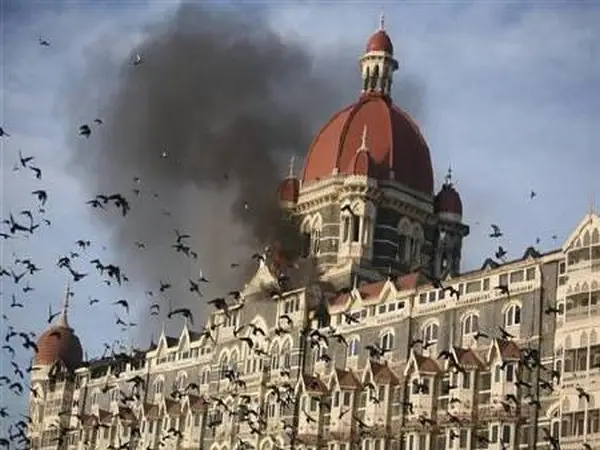
File image for representation Photograph: (ANI)
India has initiated historic in-absentia proceedings under the BNSS against six Pakistan-based Lashkar-e-Taiba conspirators, including Hafiz Saeed, for their role in the 2008 Mumbai terror attacks.
Nearly 18 years after the 26/11 Mumbai terror attacks, India has initiated the process to prosecute six Pakistani accused in absentia, marking the first such proceeding in a terror case under the Bharatiya Nagarik Suraksha Sanhita (BNSS).
The move concerns six Pakistan-based accused linked to the planning and execution of the 2008 Mumbai attacks. They are Lashkar-e-Taiba founder Hafiz Saeed, Zaki-ur-Rehman Lakhvi, Sajid Mir, Abu Alqama, Asim alias Abu Qahafa and Major Abdur Rehman Pasha. All six are absconding and are believed to be in Pakistan.
The Mumbai Police has written to Special Public Prosecutor Ujjwal Nikam seeking initiation of proceedings under Section 356 of the BNSS, which provides a legal framework for conducting proceedings against proclaimed offenders who deliberately evade the judicial process.
The development comes after a special court issued a proclamation directing the six accused to appear before the court by August 18.
The proclamation has also been forwarded to the Ministry of Home Affairs for publication through Interpol channels.
Trending Stories
&im=FitAndFill=(700,400))
)
)
)
)
&im=FitAndFill=(700,400))
)
)
)
)
)
)
)
)
)
)
)
&im=FitAndFill=(700,400))
)
)
)
)
)
&im=FitAndFill=(700,400))
)
)
)
)
)
&im=FitAndFill=(700,400))
)
)
)
However, the move does not mean that the six accused have already been put on trial or convicted. The authorities have only initiated the legal process required before an in-absentia trial can proceed.
The court will have to ensure that the procedural safeguards and requirements prescribed under Section 356 of the BNSS are fulfilled.
Investigators and prosecutors maintain that there is substantial material against the accused. The evidence includes material gathered during the investigation as well as statements and disclosures made during the prosecution of Ajmal Kasab, the only 26/11 attacker captured alive by Indian authorities.
The 26/11 attacks began on November 26, 2008, when 10 heavily armed terrorists from Pakistan carried out coordinated attacks at multiple locations across Mumbai.
The assault continued for nearly 60 hours, targeting places including the Chhatrapati Shivaji Maharaj Terminus, Taj Mahal Palace Hotel, Oberoi-Trident Hotel, and Nariman House. A total of 166 people were killed, including Indian citizens and foreign nationals, while hundreds were injured.
Also read: 'Not for terrorism': Canada to revoke 26/11 mastermind Tahawwur Hussain Rana's citizenship
Kasab was subsequently tried by an Indian court, convicted and sentenced to death. His execution took place in 2012.
The latest move is significant because several key accused and alleged conspirators in the 26/11 case have remained beyond the reach of Indian courts for years. With the BNSS now providing a statutory mechanism for trials in absentia, authorities are seeking to use the provision against accused who continue to evade the judicial process.
The proceedings will therefore be closely watched as a test of the new legal framework in a major terror case. The immediate focus will remain on whether all statutory conditions are met and whether the court allows the prosecution to proceed in the absence of the accused.
