'Hydrogen is the fuel of future': Nitin Gadkari at WION’s Mission Sustainability Summit

&imwidth=600&imheight=450&format=webp&quality=medium "'Hydrogen is the fuel of future': Nitin Gadkari at WION’s Mission Sustainability Summit")
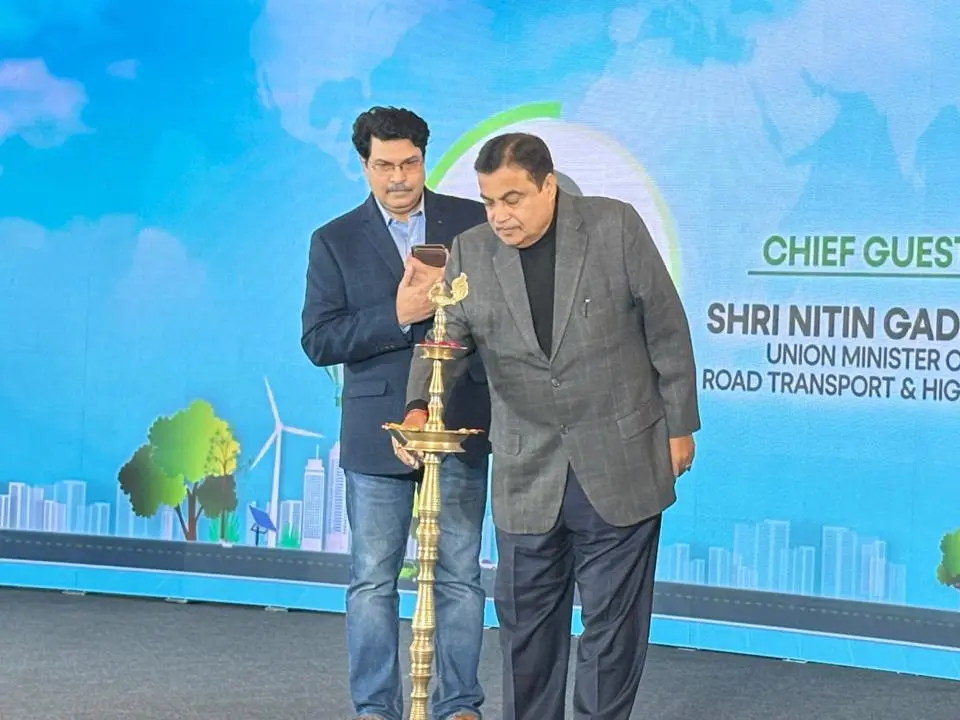
Nitin Gadkari at WION Summit Photograph: (WION)
Nitin Gadkari envisions India as a clean energy leader, highlighting hydrogen, electric vehicles, and biofuels as key to reducing pollution and becoming an energy exporter during third edition of WION's Mission Sustainability Summit
During the third edition of WION’s Mission Sustainability, held on Tuesday (December 2), Union Minister of Road Transport and Highways, Nitin Gadkari, presented a bold vision for India’s future with a focus on clean energy, innovation, and sustainable development. At the summit, Gadkari stressed on India’s commitment to reducing pollution and advancing green technologies, while also paving the way for the country to become an energy exporter within the next decade.
Hydrogen: The fuel of the future
In his speech, Gadkari pointed to the growing importance of hydrogen as the fuel of the future. He proudly mentioned that his own car runs on hydrogen, highlighting how far the country has come in adopting alternative fuels. He said, “Hydrogen is the fuel of the future, and my car is hydrogen-powered. A lot of infrastructure and agricultural equipment are now electrically powered. In the next 10 years, we will be an energy exporter, not an importer.”
The minister was optimistic about the future of green hydrogen, emphasising the country’s strong commitment to research and innovation. He also stressed the crucial role of India’s automobile industry in this transformation, with several hydrogen-powered trucks and buses already being tested and implemented across the country. Gadkari remarked that, “Hydrogen fuel cells are already being tested in trucks and buses, and we’re on the verge of significant breakthroughs. I’m confident that the future fuel will be hydrogen.”
Transition to electric and alternative fuels
Gadkari also underscored the remarkable progress India has made in adopting electric vehicles (EVs) and other green technologies. He recalled how, just a few years ago, people questioned the practicality of EVs, especially when it came to roadside assistance and infrastructure. However, today, electric vehicles are seeing rapid growth, with an annual growth rate of 30-40%. “When we first began the push for electric vehicles, the cost of lithium-ion batteries was $150 per kilowatt-hour. Today, it’s down to $55-$60 per kilowatt-hour,” Gadkari said, indicating the remarkable strides in
reducing costs and improving accessibility.
He also highlighted India’s successful trials of electric buses, trucks, and even agricultural equipment like electric tractors. “In my own farm, we have installed solar power, which makes the cost of operating an electric tractor virtually zero,” he shared. Gadkari stressed that with continued technological advancements, the country is poised to make the leap into a new era of green energy, moving away from fossil fuels and toward more sustainable alternatives.
Biofuels and agriculture: A green revolution
The minister also focused on the importance of integrating biofuels into India’s energy mix. He emphasised that the agricultural sector, which contributes to 12% of India’s GDP, must play a significant role in the country’s energy transition. “Our agricultural sector is facing challenges, but we are diversifying agriculture towards the energy and power sectors. By converting surplus agricultural produce like sugarcane, corn, rice, and even bamboo into ethanol, we can reduce dependency on traditional fossil fuels,” Gadkari explained.
Trending Stories
)
)
)
)
)
)
)
)
)
)
)
)
)
)
)
)
)
)
)
)
)
)
)
)
)
)
)
)
)
)
)
)
)
)
He highlighted several successful initiatives, such as the use of ethanol from broken rice and corn, which has significantly increased the income of farmers in regions like Uttar Pradesh and Punjab. Additionally, biofuels are playing a pivotal role in addressing India’s pollution problem. “We are also making bioethanol from rice straw, which has been a major source of air pollution due to the burning of stubble. In Panipat, we’ve launched a plant that converts rice straw into ethanol and bio-bitumen, creating sustainable fuel alternatives,” Gadkari added.
The road ahead: Sustainable development and infrastructure
Gadkari also highlighted how infrastructure development, particularly in roadways, plays a key role in sustainability. “The transport sector contributes to 40% of air pollution, and I am very much responsible for this. But we are now building highways that are faster, more efficient, and less polluting,” he said. He pointed out the progress made in developing express highways that will significantly reduce travel time and fuel consumption. For example, the Delhi-Dehradun highway now takes just two hours, compared to the previous four-hour journey.
Gadkari also noted the country’s success in reducing logistics costs. “We’ve already reduced our logistics cost by 6%. Our target is to match China’s logistics cost by the end of this year, and in the coming years, we aim to bring it in line with global standards,” he revealed. He emphasised that the development of high-speed, well-maintained roads is essential for reducing fuel consumption and supporting the adoption of electric and alternative fuel vehicles.
Gadkari stressed that India’s rapid development must not come at the cost of environmental degradation. “Our mission for sustainable development must go hand in hand with protecting our ecology and environment. We are already using municipal waste in road construction and making bio-bitumen from agricultural residues. We’ve transplanted over 88,000 trees and planted over 4.5 crore trees to help protect the environment,” Gadkari said.
He also reflected on the need to protect water resources and reduce the impact of floods, especially in areas like Vidarbha, where water conservation efforts have seen significant success. “Water conservation is a major part of our green revolution. We’ve already made 10,000 Amrush Sarovars, and we are focusing on increasing the water table and protecting our communities from floods,” he noted.
In his closing remarks, Gadkari called on all stakeholders, government, industry, and citizens, to unite in the effort to create a greener, more sustainable India. “We must work together to protect our environment and ensure that we leave behind a better, cleaner world for future generations. The green revolution is our mission, and sustainable development is the key to achieving it,” he concluded.

