
&imwidth=800&imheight=600&format=webp&quality=medium "Beyond stubble burning, industrial emissions and traffic behind Delhi's poor AQI: Experts have their say at WION’s Mission Sustainability")
During the third edition of WION's Mission Sustainability and in the fifth session of titled, ‘Alternative Energy: Models of Sustainability’, WION's Eric Njoka was in conversation with Nathan Davis, trade and investment commissioner with Austrade, based in New Delhi, Kishor Nair, Chief Executive Officer and Director at Avaada Energy and Arshibhai Kambariya, MD and CEO of Opera Energy Limited.
Alternative energy refers to energy sources that are considered more sustainable and environmentally friendly compared to traditional fossil fuels like coal, oil, and natural gas. These include renewable resources such as solar, wind, geothermal, and hydropower, which are replenished naturally and produce little to no harmful emissions. Alternative energy systems are designed to reduce environmental impact, promote long-term sustainability, and support a transition to cleaner, more resilient energy systems that are economically viable and socially equitable.
Opening the discussion, Mr. Kambaria of Opera Energy spoke about the evolution of India’s clean energy sector, noting the shift from early hydro and solar dominance to economically viable wind, solar hybrid systems. However, he stressed that despite technological advancements, India’s environmental progress is being undercut by the persistent public health crisis in Delhi.

Responding to a question on Delhi’s smog, the panel unanimously challenged the widely held belief that stubble burning in Punjab is the primary cause of the city’s pollution. “It’s easy to blame stubble burning, but industrial emissions and transportation are the year-round contributors,” said Mr. Kambaria, highlighting the disproportionate impact of factories and vehicles on Delhi’s air quality.
Mr Kishor added that while stubble burning is seasonal, continuous industrial output and vehicle exhaust worsen air conditions throughout the year. Sharing a personal experience, Mr Kishore, an energy expert, recalled the severe pollution of Delhi in the 1980s and 90s before the government mandated CNG for public transport. “My eyes would burn on my motorcycle. My shirt would be covered in dirt,” he said. “CNG cleaned Delhi once. Now the next big leap must be electric vehicles.”
Trending Stories
)
Why asking questions could be more important than memorising answers
)
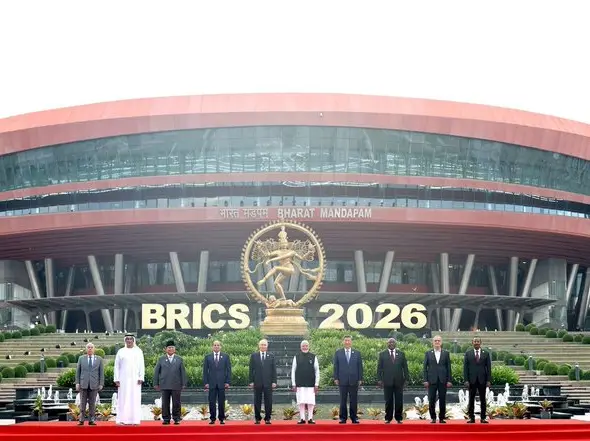
BRICS Summit 2026 full schedule: Day-wise agenda, timings and key issues - All you need to know
)
BRICS Summit 2026: Iran's Pezeshkian praises PM Modi at BRICS
)
Why dehydration is the hidden cause of travel fatigue on long flights
)
Top 5 places to visit in Goa beyond its famous beaches
)
'He is popular...': Malaysian PM Anwar Ibrahim's praise for PM Modi during bilateral meeting | WATCH
)
BRICS Summit 2026: 30+ countries seek BRICS membership
)
Frustrated man demolishes his kitchen after thousands flock to see Mother Mary his wife spotted on the wall
)
BRICS Summit 2026: PM Modi, Xi reach key consensus on ties, China to assume BRICS chairmanship in 2027
)
Trump says Canada eager to reach a deal, it could come ‘fairly soon’ if Ottawa treats US farmers better
)
From drones to KAAN fighters: Turkey outlines 229% surge in defence spending amid regional shifts
)
‘Partners, not rivals’: Xi outlines four point plan for stronger India-China ties
)
Could staying indoors all day affect your health?
)
Bigg Boss 20: Uditi Singh reacts to ex Karan Wahi’s possible wildcard entry
)
Why going digital does not always mean becoming more efficient
)
800 million years old - Scientists discover 'fingerprints' of supercontinent Gondwana in ancient rocks
)
ENG vs PAK: Joe Root breaks Sachin Tendulkar’s record for most Test fifties
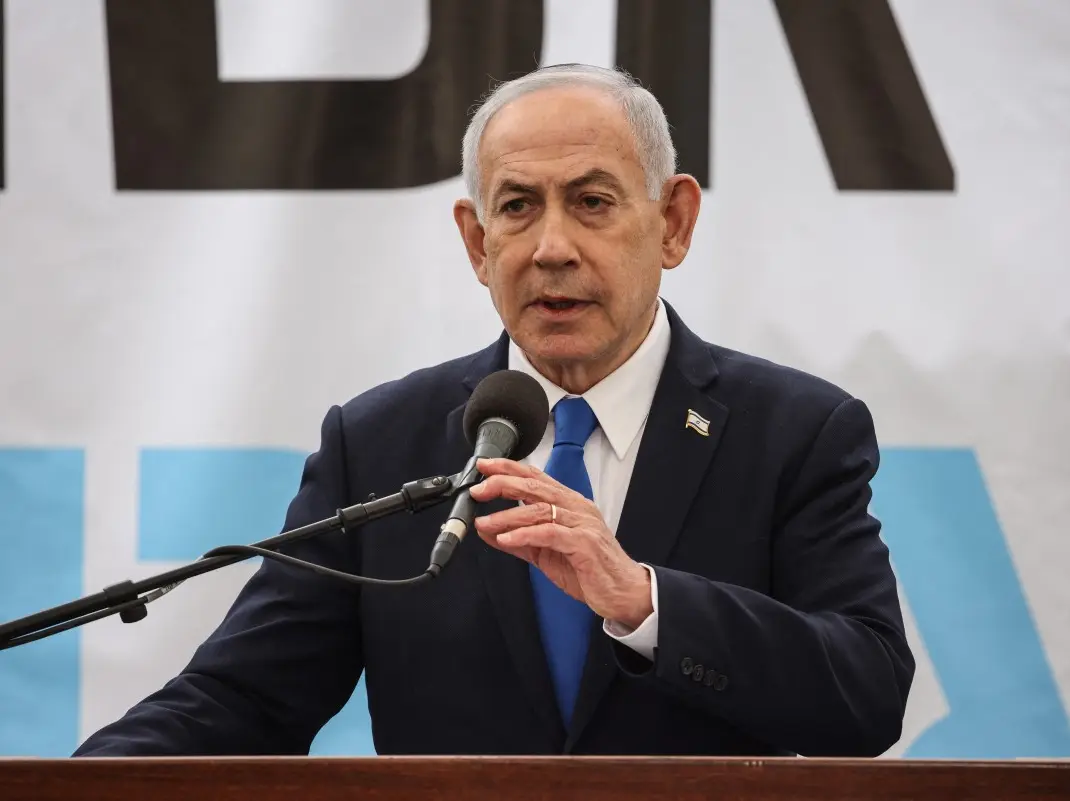)
Israel spent nearly $470,000 on PM's hair, makeup since 2019, data shows
)
From severe mobility problems to recovery: Madhuri the elephant’s journey of wildlife care
)
BRICS Summit day 1: New Delhi declaration adopted with full consensus, big diplomatic win for India
)
From India, Putin warns Europe against sending troops to Ukraine, Zelensky expresses willingness to meet him at G20 Summit
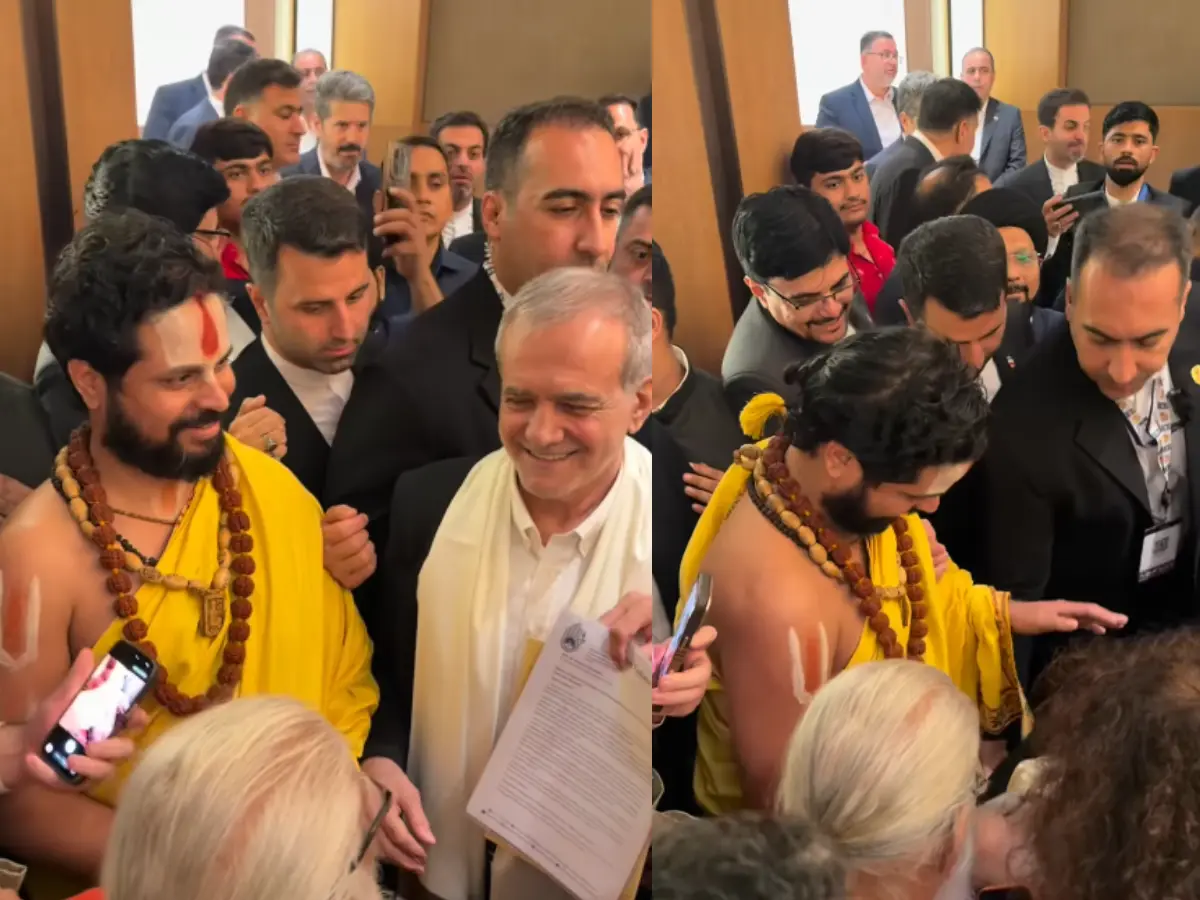)
Did Iran President Pezeshkian touch feet of Hindu spiritual leader at Delhi event as shown in viral video?
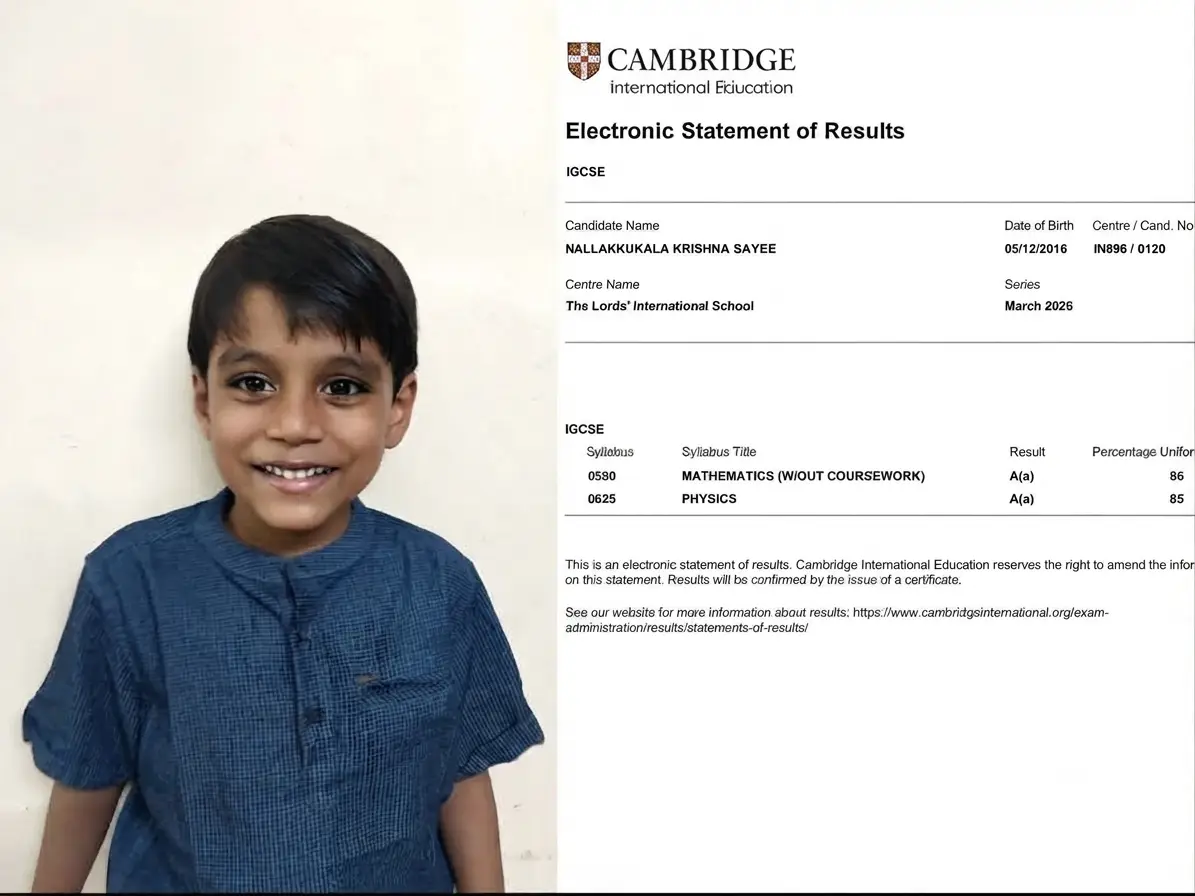)
9-year-old Chennai prodigy clears Cambridge IGCSE grade 10 exams
)
9/11 attack anniversary: The day that changed America forever
)
Why does your body need time to adjust after a long journey?
)
Baba Vanga's first prophecy for 2027 is out, and straight out of science fiction
)
BRICS declaration calls for stronger people ties, women-led growth and greater youth cooperation
)
Why does your skin need protection from UV rays?
)
How does the loss of forests affect the way wildlife lives and moves?
)
IND vs AFG, 1st T20I: When and where to watch live streaming in India?
)
Anthropic is giving Claude to schools free, and the reason is not philanthropy
)
BRICS Summit: China resumes Guangzhou-New Delhi flight, issues 'good-neighbourliness' remark ahead of Xi-Modi meet
)
Why do wild animals need quiet places to survive?
)
Humans may lose control of AI: Anthropic CEO calls for slowdown, Altman, Musk back him
According to him, slow-moving traffic and idling engines are major contributors to emissions, and improving traffic flow must become a top policy priority.
Turning to energy infrastructure, Mr. Arshibhai said India’s grid is struggling to absorb the growing solar output. “India is generating surplus solar power in the daytime, but the grid cannot evacuate it efficiently,” he said, pointing out that the mismatch leads to wasted energy even as cities demand more power during peak hours. He noted that large-scale battery storage is essential to stabilise supply and support India’s clean energy expansion.
The panel also emphasised the need for stricter enforcement of renewable energy obligations for industries. “Policies exist, but ensuring compliance is the real challenge,” said Mr Kishore, calling for clearer mandates and incentives for industries to shift to green hydrogen and biofuels. He also warned that India’s biofuel sector faces a shortage of reliable feedstock, which could slow its growth unless the government intervenes.
Looking ahead, speakers agreed that India must upgrade its grid infrastructure, expand storage capacity, and enforce clean energy norms if it hopes to meet future sustainability targets. But the strongest message of the evening was reserved for Delhi’s air crisis. “We are at a crossroads,” Nathan said. “Delhi cannot wait until 2047 or 2050 for clean air. Immediate action is non-negotiable.” The panel concluded that without urgent measures targeting vehicle emissions, industrial pollution, and energy storage, Delhi’s smog will continue to endanger millions, undermining India’s broader sustainability ambitions.

