The evolving role of modern radiation therapy in head and neck cancer care

&imwidth=600&imheight=450&format=webp&quality=medium "The evolving role of modern radiation therapy in head and neck cancer care")
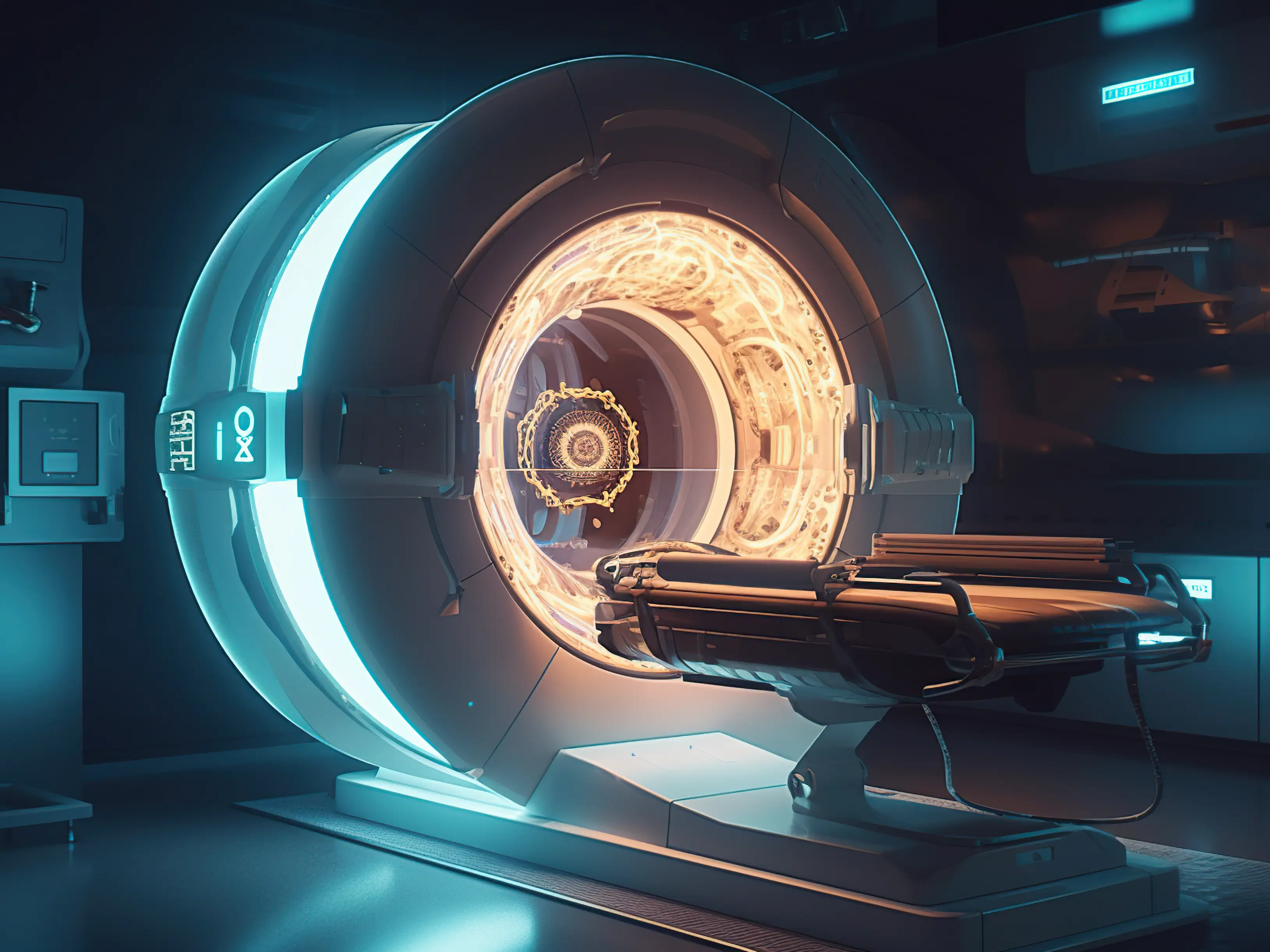
Representative image. Photograph: (Magnific)
As advanced imaging, adaptive technologies, and multidisciplinary care models gain wider adoption across India, experts say the shift is opening new opportunities to improve both survival outcomes and quality of life for patients.
Radiation therapy for head and neck cancers has undergone significant transformation in recent years, moving away from generalised treatment protocols toward precision-driven, personalised approaches that aim to balance effective cancer control with the preservation of critical functions. As advanced imaging, adaptive technologies, and multidisciplinary care models gain wider adoption across India, experts say the shift is opening new opportunities to improve both survival outcomes and quality of life for patients battling this growing category of cancers.
Head and neck cancers, which include malignancies of the oral cavity, throat, voice box, nasal cavity, sinuses, and salivary glands, represent a substantial share of cancer cases worldwide and often severely affect essential functions such as speaking, swallowing, and breathing. Against this backdrop, oncologists point to major advances in radiation delivery techniques that are reshaping how these cancers are treated.
Technology integration
Reacting to it, Dr Vineeta Goel, Senior Director & Head, Radiation Oncology, Cancer Institute, Fortis Hospital, Shalimar Bagh, New Delhi, said, "Radiation therapy has undergone a remarkable transformation in the management of head and neck cancers, moving from a one-size-fits-all approach to highly precise, personalised treatment. Modern techniques such as Intensity-Modulated Radiation Therapy (IMRT), Image-Guided Radiation Therapy (IGRT), and adaptive radiotherapy enable us to target tumours with greater accuracy while minimising exposure to surrounding healthy tissues. This is particularly important in head and neck cancers, where preserving critical functions such as speech, swallowing, taste, and overall quality of life is as important as achieving effective cancer control."
"The integration of advanced imaging, data-driven planning, and emerging AI-assisted technologies is further enhancing our ability to tailor treatment to each patient's unique anatomy and disease profile. These innovations are helping reduce treatment-related side effects, improve outcomes, and support faster recovery. Equally important is the multidisciplinary approach that brings together radiation oncologists, surgeons, medical oncologists, nutritionists, and rehabilitation specialists to deliver comprehensive care," she said.
She further added that after access to advanced radiation technologies expanded across India, people have developed an unprecedented opportunity to improve both survival rates and quality of life for patients with head and neck cancers through earlier intervention and more precise treatment delivery.
Trending Stories
)
)
)
)
)
)
)
)
)
)
)
)
)
)
)
)
)
)
)
)
)
)
)
)
)
)
)
)
)
)
)
)
&im=FitAndFill=(700,400))
)
)
)
)
)
)
Similarly, Dr Vikas Choudhary, HOD & Consultant - Radiation Oncology, Manipal Hospital Dwarka, New Delhi, said,"Head and neck cancer is on the rise globally, posing a significant public health challenge. This group of cancers includes malignancies that develop in the oral cavity (mouth), throat (pharynx), voice box (larynx), nasal cavity and paranasal sinuses, and salivary glands. Collectively, these cancers account for a substantial proportion of cancer cases worldwide and can severely impact essential functions such as speaking, swallowing, breathing, and overall quality of life."
"Over the past few decades, advances in radiation therapy have revolutionised the treatment of head and neck cancers. Modern techniques enable highly precise delivery of radiation directly to the tumour while minimising exposure to surrounding healthy tissues and critical structures. Technologies such as Intensity-Modulated Radiation Therapy (IMRT) and Image-Guided Radiation Therapy (IGRT) allow radiation beams to be shaped and targeted with sub-millimetre precision, helping preserve vital structures such as the salivary glands and spinal cord. Proton beam therapy offers even greater precision by delivering radiation directly to the tumour with minimal exit dose, significantly reducing long-term side effects. In selected cases, chemotherapy or immunotherapy may be combined with radiation therapy to improve treatment outcomes," he said.
He further noted that alongside direct cancer treatment, holistic supportive care is essential for both recovery and sustained quality of life. He emphasised that every patient's treatment plan should incorporate nutritional evaluation and support, rehabilitation for speech and swallowing difficulties, and consistent follow-up care. He also stressed the importance of early detection, noting that timely diagnosis and prompt intervention remain the most effective methods for improving outcomes, minimising complications, and boosting survival rates.

