How yoga became a global way of life

&imwidth=600&imheight=450&format=webp&quality=medium "How yoga became a global way of life")
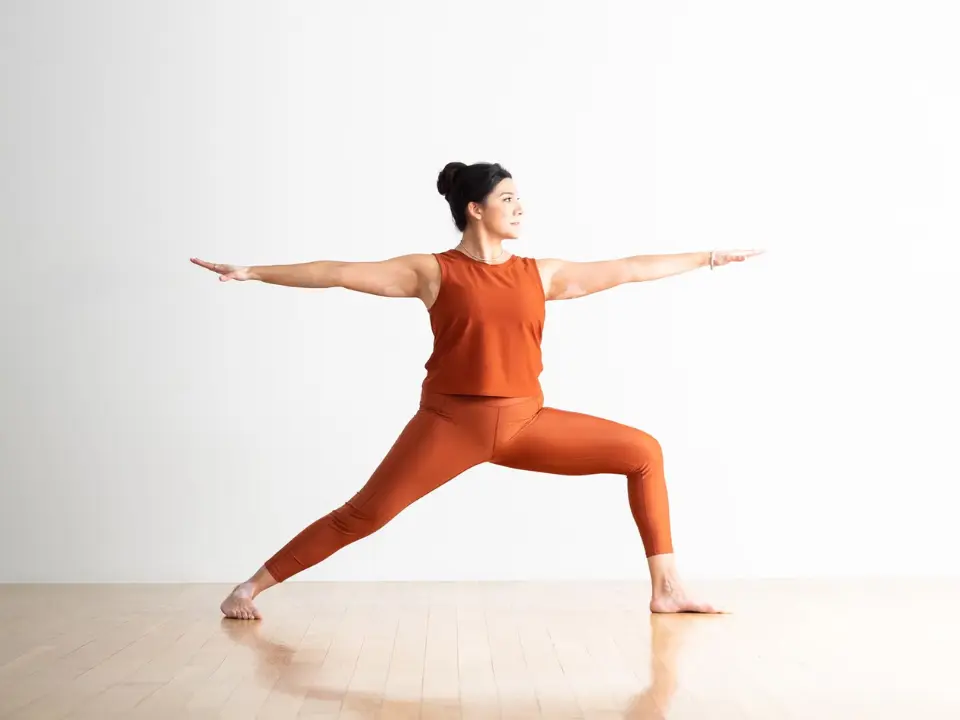
Yoga Photograph: (Yoga Journal)
Yoga has evolved from an ancient Indian tradition into a global lifestyle and a $127 billion industry. Supported by the UN's International Day of Yoga and ongoing scientific research from institutions like Harvard Medical School, the practice is a major driver of physical and mental health.
Yoga has evolved from its ancient origins in India into an integrated global lifestyle. Tracing its roots back to ancient Indian philosophy and spirituality, this practice now influences international health policies and daily routines worldwide. According to a report by Grand View Research, the global yoga market was valued at a massive $127 billion. This valuation demonstrates how yoga has transcended mere exercise to become a fundamental component of modern preventative health and wellness tourism.
A United Nations-recognised wellness movement
The global adoption of yoga gained formal recognition in 2014 when the United Nations General Assembly adopted an India-led resolution declaring June 21 as the 'International Day of Yoga'. The idea was formally proposed by Indian Prime Minister Narendra Modi during his maiden address to the 69th UNGA on September 27, 2014. Modi suggested June 21 as it is the summer solstice, the longest day in the Northern Hemisphere, which holds special significance in many parts of the world. The resolution received broad global support, with 177 nations co-sponsoring it, which was a record number for the 193-member UN General Assembly.
Driving a multi-billion dollar wellness economy
Yoga is a major catalyst within the broader wellness economy. The global yoga market size is projected to grow from $138.7 billion in 2026 to $269.1 billion by 2033. This growth is driven by growing consumer awareness of health and wellness, as well as the rise in popularity of online yoga courses. By delivery mode, offline yoga courses led the market with a 73.9 per cent share in 2025. The 30-50 age group held the largest revenue share in 2025, accounting for 43.5 per cent, as individuals in this bracket often turn to yoga to relieve stress, maintain fitness, and promote mental relaxation.
Medical backing and preventative health
Trending Stories
)
)
)
)
)
)
)
)
)
)
)
)
)
)
)
)
)
)
)
)
)
)
)
)
)
)
)
)
)
)
)
&im=FitAndFill=(700,400))
)
)
)
)
)
)
)
The modern adoption of yoga is heavily supported by ongoing scientific validation. According to Harvard Medical School, yoga is an excellent exercise as you age. Studies using MRI scans have shown that people who regularly do yoga have a thicker cerebral cortex, which is responsible for information processing. These practitioners also showed less shrinkage in the hippocampus, the area of the brain involved in learning and memory. One study highlighted by Harvard Medical School found that 24 rounds of sun salutations six times a week significantly improved upper body strength over six months.
This clinical backing has prompted nations globally to formally recognise the practice. For instance, Saudi Arabia officially declared yoga as a sports activity in November 2017 under the General Sports Authority.
The transformation of yoga from an ancient philosophy to a global lifestyle highlights a collective shift towards holistic health. Backed by medical science and robust economic data, it provides a universally accessible framework for reducing stress and maintaining physical vitality.