How to do yoga safely if you're a beginner

&imwidth=600&imheight=450&format=webp&quality=medium "How to do yoga safely if you're a beginner")
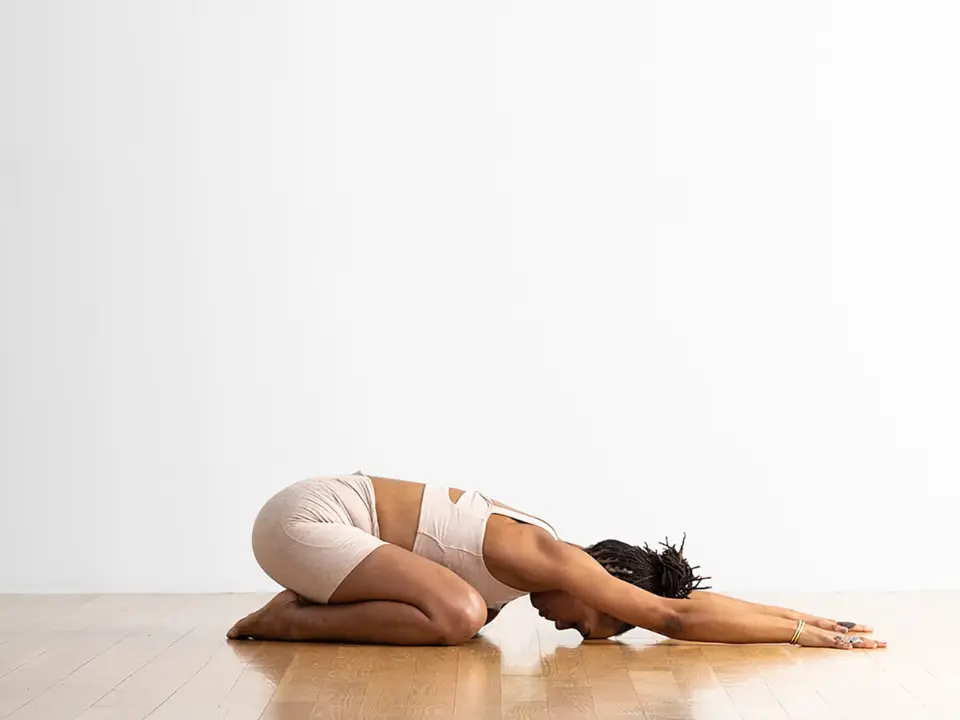
Yoga Photograph: (Yoga Journal)
Starting a new yoga routine requires attention to basic safety to prevent joint and muscle injuries. This practical guide details essential techniques for beginners, including how to protect vulnerable hamstrings, utilise fitness props, and establish a secure, long-term health regimen.
Yoga is an excellent way to minimise stress and improve flexibility, but it carries a risk of injury if done incorrectly. Many beginners rush into advanced poses, leading to painful strains. A recent study suggests that muscle strains from overuse are the most common yoga-related problems, particularly in the lower back, neck, and knees. Learning the correct foundational techniques ensures your fitness journey remains safe and beneficial.
Always consult a professional and listen to your body
Before beginning any exercise regime, it is crucial to speak with your doctor to address any previous injuries. Once cleared, focus on understanding your physical limits. A major yoga principle is avoiding the urge to compare yourself to others. If your muscles quiver, that is fine, but if any joint hurts, you must stop immediately. Pain is different from a normal stretching sensation; sharp or pinching pain is a clear warning sign.
Protect your hamstrings and lower back
Lower back and hamstring injuries are frequent among beginners. Forcing your legs completely straight during forward folds or seated stretches can damage your hamstring tendons. To avoid this, always keep your knees slightly bent in straight-legged postures like the forward fold. This simple adjustment removes heavy loads from your tendons and decompresses your back. Before bending, focus on lengthening your spine rather than rounding it, as rounding causes the spine to flex unnaturally.
Use props and start slowly
Trending Stories
)
)
)
)
)
)
)
)
)
)
)
)
)
)
)
)
)
)
)
)
)
)
)
)
)
)
)
)
)
)
)
)
)
)
&im=FitAndFill=(700,400))
)
)
)
)
You do not need to push through a pose if your body is struggling. Beginners should heavily rely on props such as blocks, cushions, or a chair. These accessories assist in modifying the practice to suit your medical needs and flexibility levels safely. Start with manageable 10 to 20-minute sessions two to four times per week rather than daily exhausting workouts. Doing yoga alongside structured strength training is an excellent way to prevent injuries.
Watch: Yoga tips for a healthy spine
