Expert tells WION the importance of breast cancer awareness, especially in a country like India

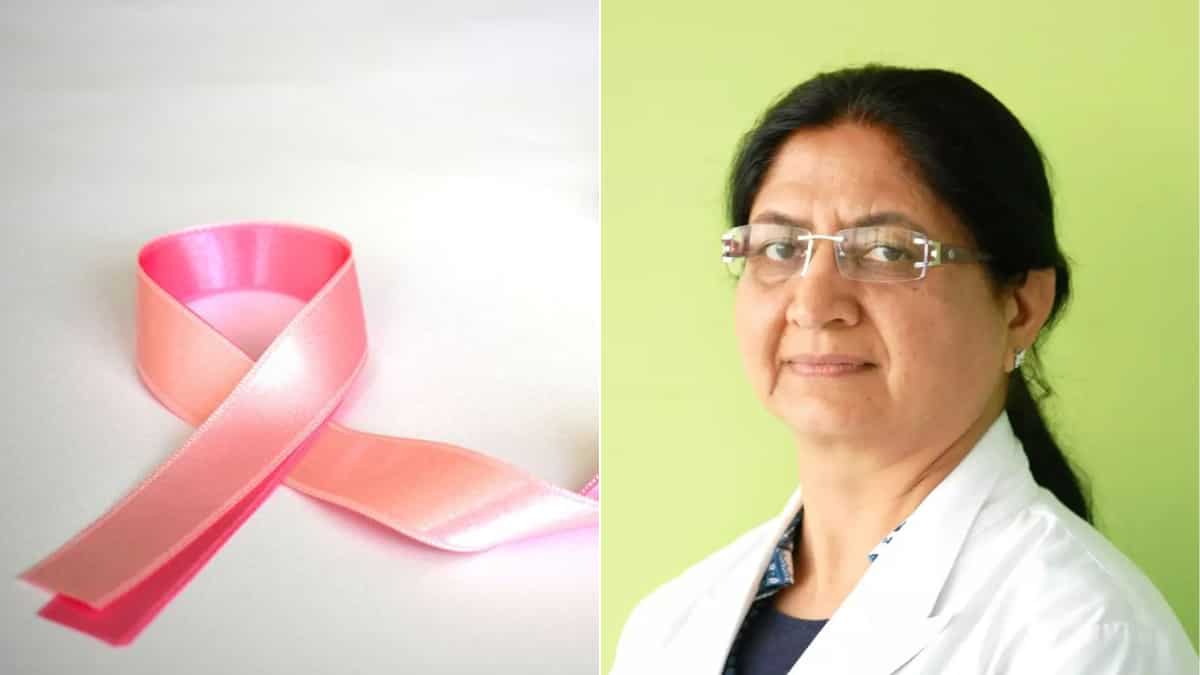
Breast cancer
Breast cancer is a type of cancer that starts in the breast tissue and spreads to other parts of the body to produce new tumours as cells grow uncontrolled and improperly (Metastasis). Although it rarely happens in men, breast cancer primarily affects women.
In India, breast cancer is the most common cancer in women. It accounts for 26.3% of all female cancers. Around 60% of breast cancer cases in India are discovered at an advanced stage, despite the fact that it is generally preventable and treated if discovered early.

To know more about breast cancer and the importance of its awareness in India, WION spoke to Dr Tejinder Kataria, Chairperson, Radiation Oncology, Cancer Institute, Medanta, Gurugram, India.
During an online conversation, Dr Kataria said that the population in India is spread out over a big area of around a 3.2million square kilometres, and out of that 35% - 40% of patients that's amongst women, the cancer is breast cancer.
She said that approximately 200,000 women per year, and is expected to be 250,000 by 2025, will be diagnosed with breast cancer. And of these, 60% of the women come to us in stage 3 and stage 4.
)
The Early Spring is proof not everyone can talk about their real feelings, and it is perfectly OK
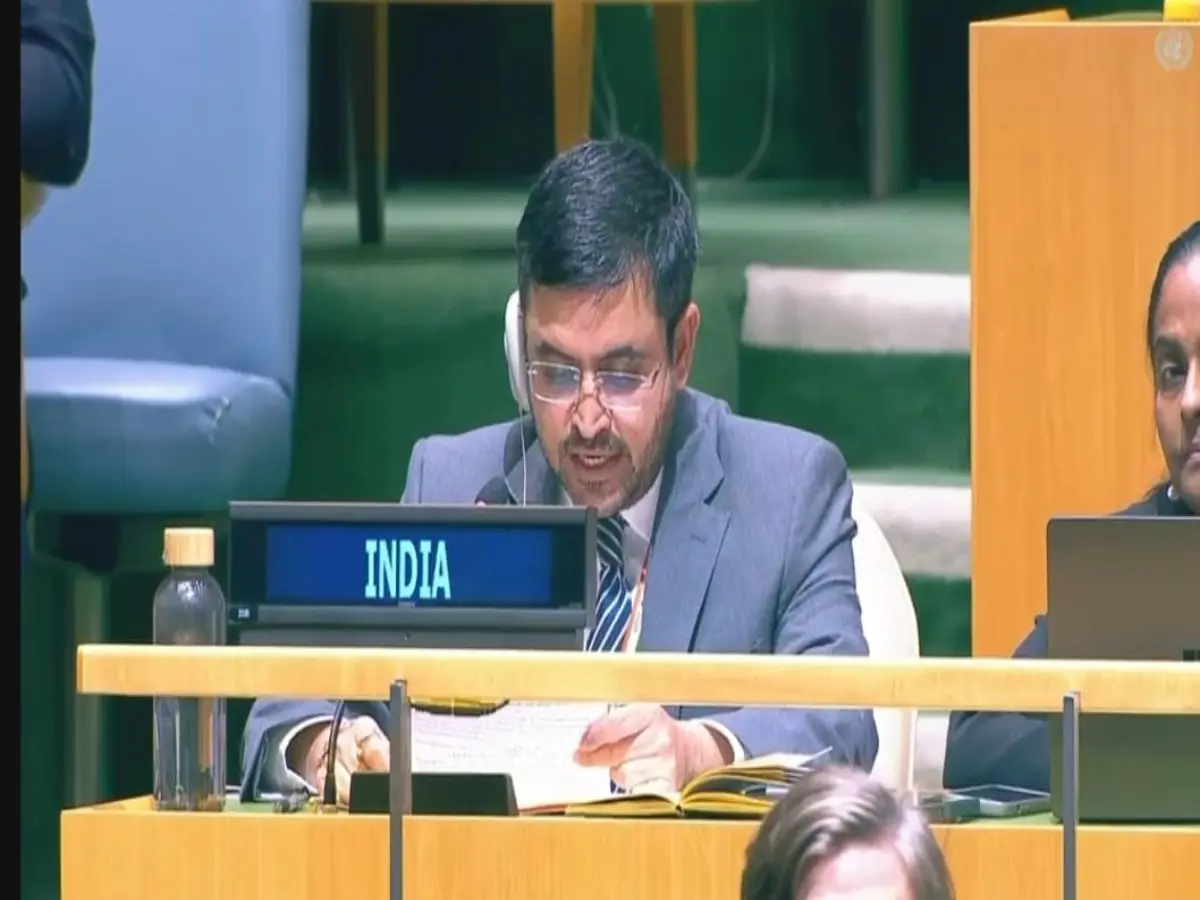)
UN votes to ‘correct the map’ as India backs fairer world view
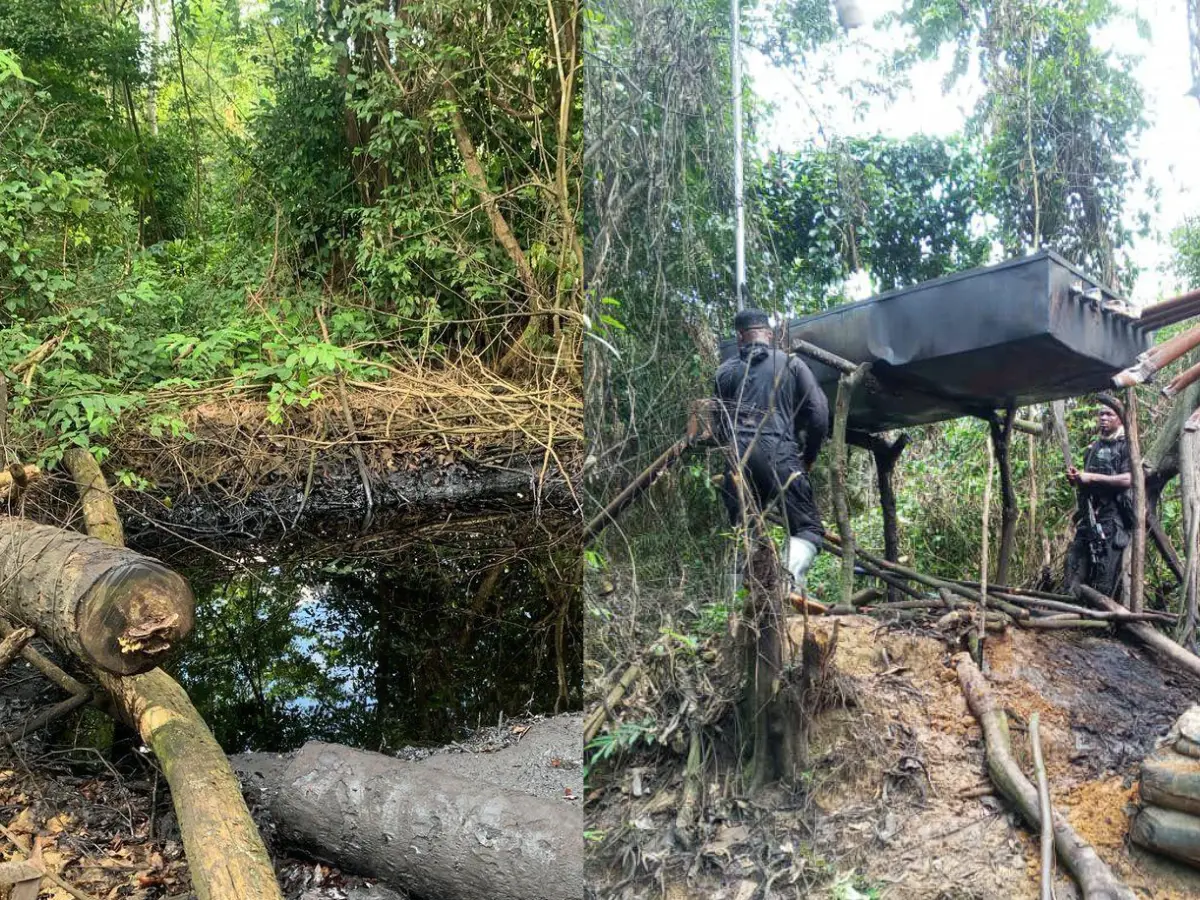)
Nigerian Navy discovers 99,000 litres of suspected stolen, illegally refined products as it intensifies anti-crude oil theft operations
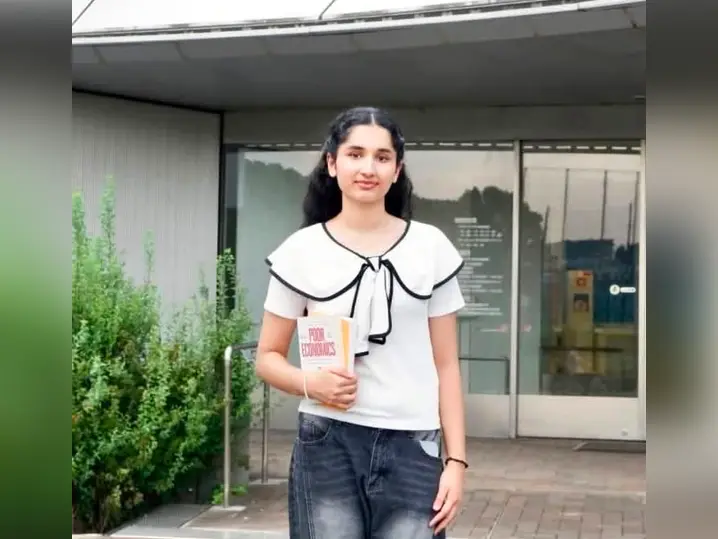)
Who is Aditi Paudel? 17-year-old becomes Japan's first literacy ambassador
)
Bengaluru: Officials find 40 kg expired chilli at chairman's club
)
Jaishankar rejects trade link to ending Ukraine war
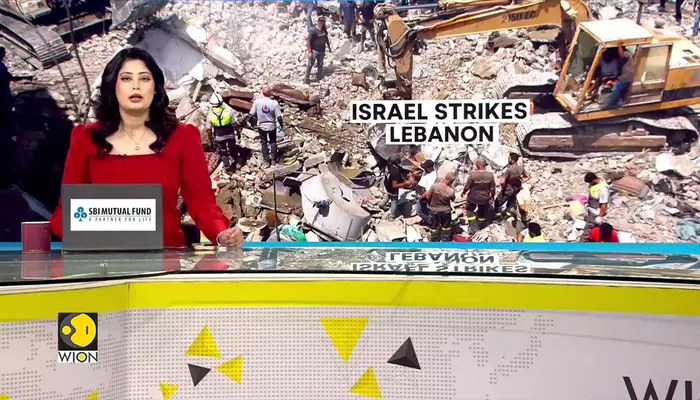)
Israeli strikes on Lebanon kill three, injure 23 despite truce
)
Alpine glacier was covered with sheep wool sheets to prevent melting. It worked
)
South Korea mulls deploying military assets to Strait of Hormuz
)
World's fifth-largest economy, British army can't afford to train
)
Breaking | Vance takes the podium: First White House briefing since Leavitt's exit
)
Taiwan raises 'concerns' over China's missile test
)
BRICS 2026: $1 trillion sovereign capital set to converge in Delhi for first iBRICS Summit
)
What is Iran's Pickaxe Mountain that Trump has again threatened to bomb?
)
UN votes to correct world map that visually shrank Africa for 450 years
)
Former NewJeans member Danielle launches YouTube channel, hints at new solo journey
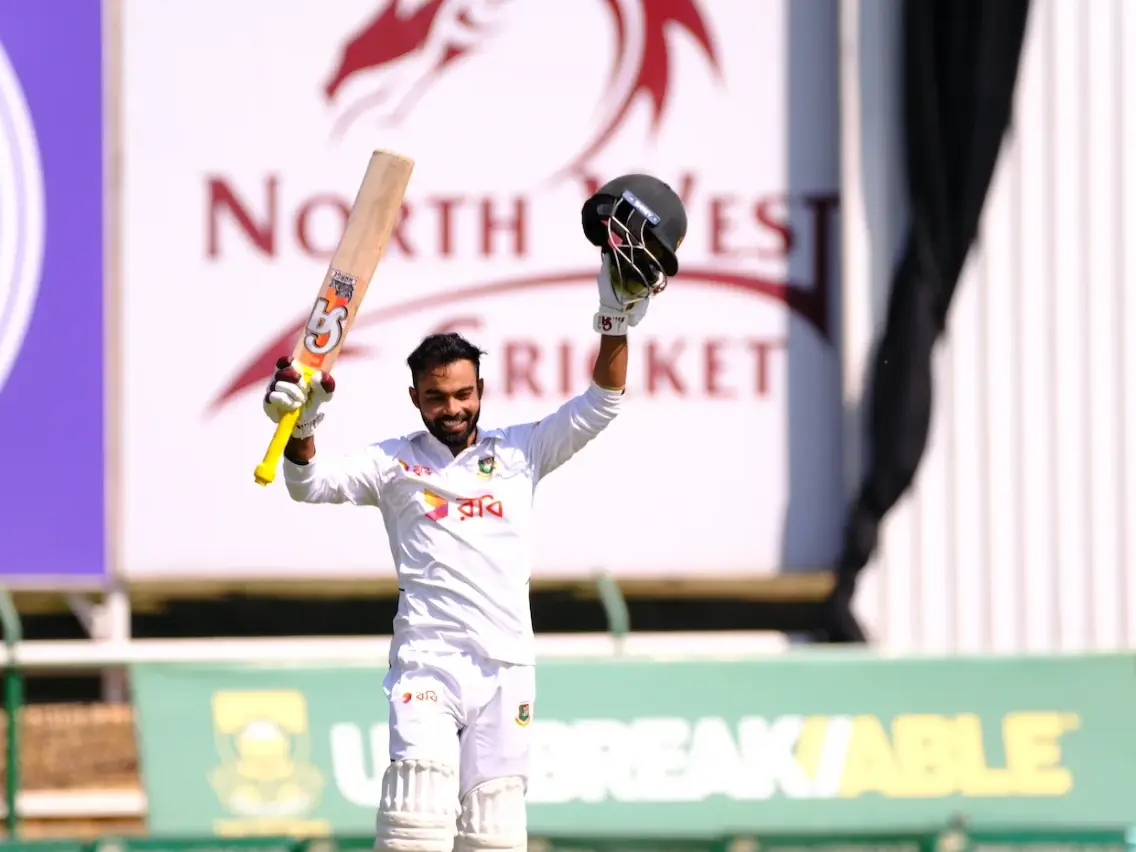)
Bangladesh batter Towhid Hridoy creates history with 350 not out in South Africa
)
Brendan Fraser’s transformation fuels The Mummy 4 excitement as fans welcome back Rick O’Connell
&im=FitAndFill=(700,400))
Krishna Janmashtami 2026: From Dhaniya Panjiri to Makhana Kheer- 5 best sweet dishes perfect for celebrating Lord Krishna’s birth
)
Donald Trump plans to travel to Ireland on Qatari-donated jet amid security concerns
)
Nazi-looted art to return to Jewish heirs
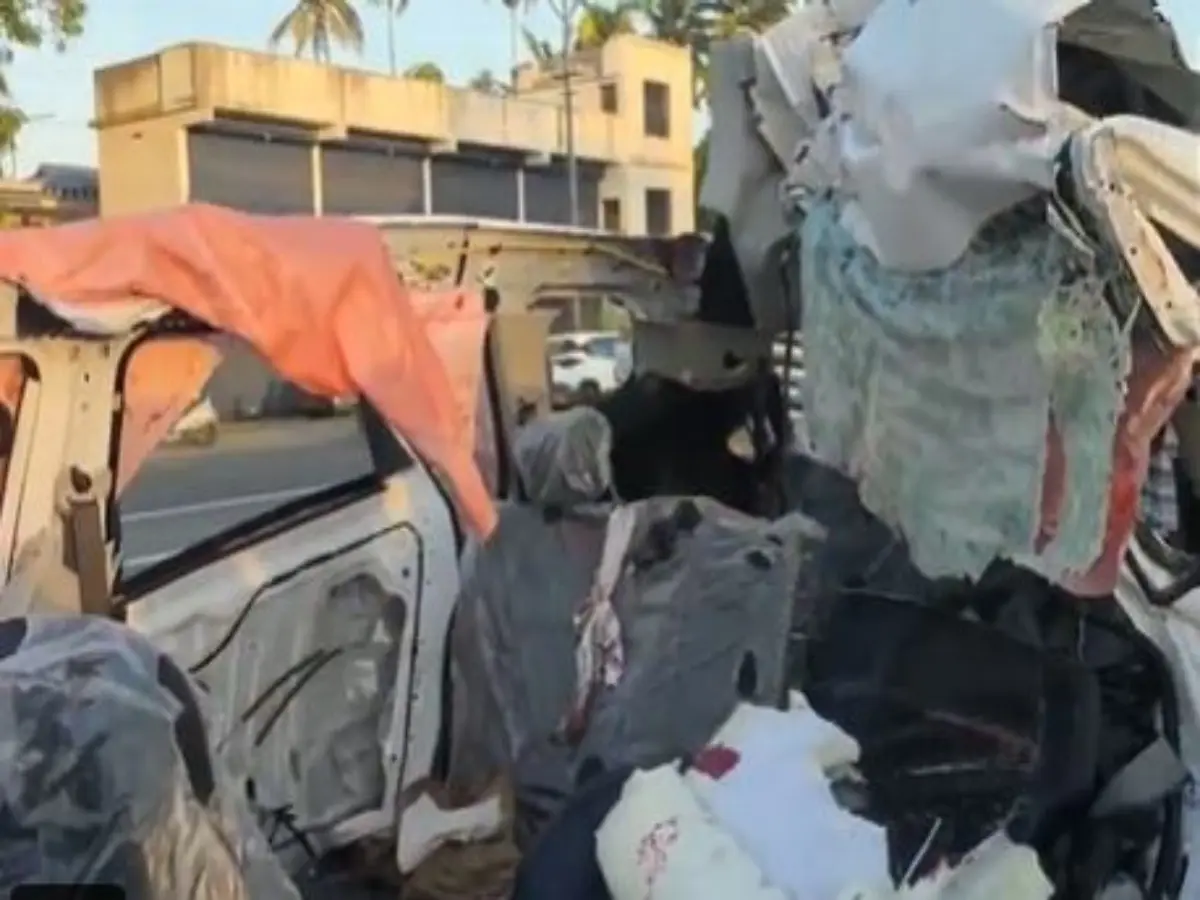)
Eight killed in Kerala’s Thrissur after car rams into lorry parked on highway
&im=FitAndFill=(700,400))
Why Russian fighter jets use bulky, low-pressure tyres compared to US jets
)
FBI-wanted fraud accused arrested in Jalandhar over $600,000 scam
&im=FitAndFill=(700,400))
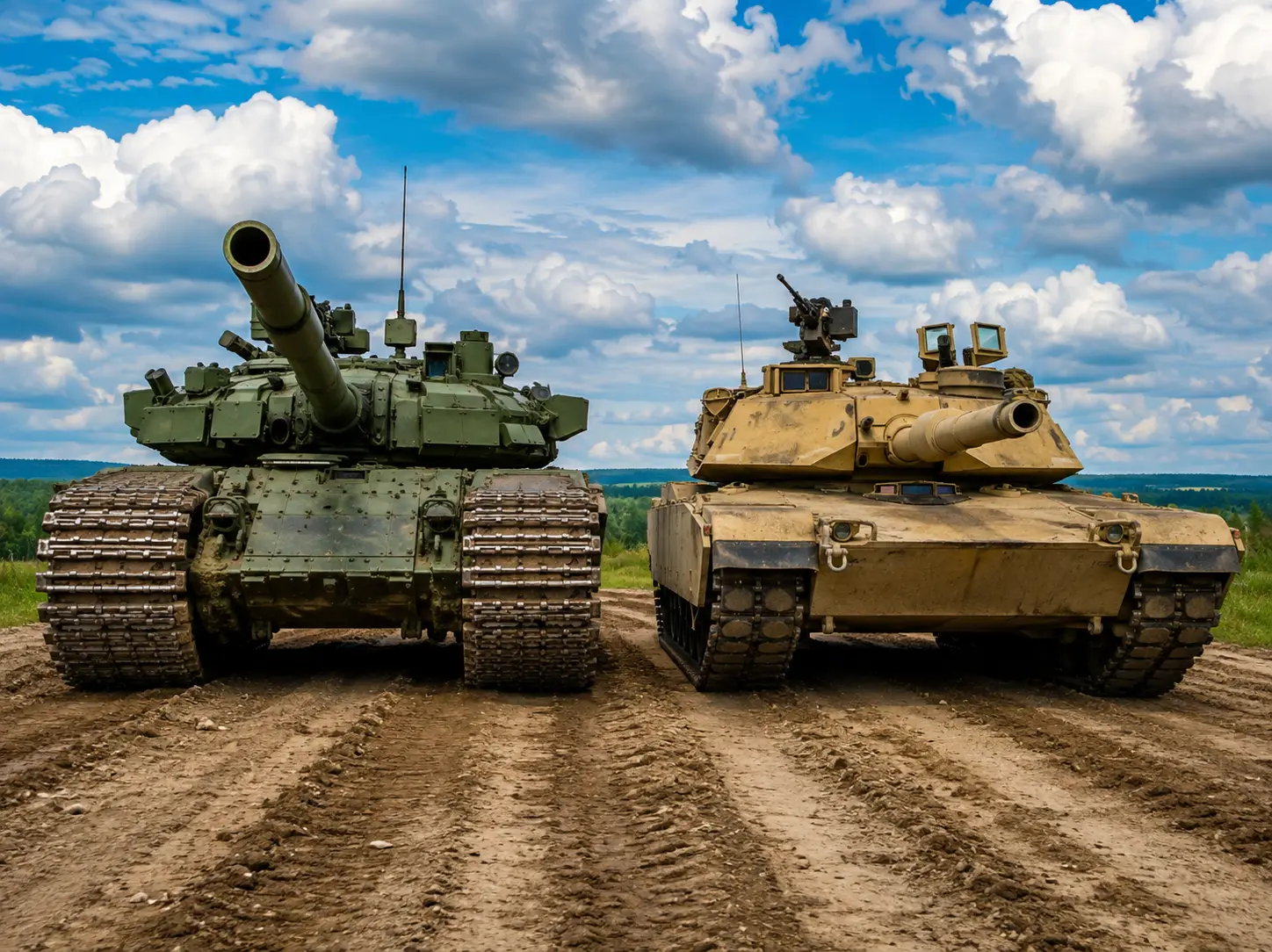
Why US tanks weigh over 20 tons more than Russian tanks
&im=FitAndFill=(700,400))
New Friday OTT releases (September 4, 2026): GDN, Dhamaal 4, Jagamae Sangeetham- Watch 6 new movies and TV shows on Netflix, Prime Video and more
)
Killing the Himalayas slowly: Human urine is melting a glacier on Mount Everest
In stage 3 and stage 4, the cure rates are between 40% to 60%, whereas in stage 1 and stage 2, (or early breast cancer when we can pick it up via breast mammography and or breast cancer awareness programmes), the cure rates are 85% to 95%.
"So it makes sense that we make people aware that for breast cancer, they should go in for investigation or they should go in for an examination, a self-breast examination should be done, and mammography needs to be made aware of to people so that we pick early breast cancers," said Dr Kataria.
"It will reduce not only the emotional and financial burden on the family, but also give us better cure rates and also better outcomes for the women," she further said, adding that a breast cancer awareness programme is a must for such a big country like India.
The right approach to spread awareness at the grassroots level
Dr Kataria said that to reach the grassroots level, "we need to integrate the breast cancer awareness programmes into our primary health centres, mohalla clinics, or dispensaries. So when a woman goes for her regular examination, especially at the time of childbirth they would always go to the hospital and would go to the doctor."
"So we should rope in the gynaecologists because normally the breast cancer surgeons have been traditionally males so the women are not very forthcoming about their symptoms. But with their gynaecologists, they are very open and share their body structure and any complaints they have," she added.
Dr Kataria suggested the implementation of respective school education so that adolescents should be made aware of what breast cancer is and how their body form may change. They should not be ashamed of it.
Dr Kataria also added that the stigma and shame that is generally associated with cancer do not allow the women to open up about their symptoms.
"We need to work, even the media and the communications that have to go out from various agencies should highlight these things," she said.
"So this has to be an integrated programme from top to bottom to the grassroot level, where at every level we need to make the trainers and train the trainers, who can teach the women how to self-breast examine themselves and make the facilities avalable to them," Dr Kataria said.
"We need to look at these things to know how to create systems, where the women feel empowered to come in and get themselves examined. It should be an annual check, starting at an age of 40 years," Dr Kataria said.
WATCH WION LIVE HERE
You can now write for wionews.com and be a part of the community. Share your stories and opinions with us here.