Xi cautions Trump on arms deal, Taiwan flaunts new weapons | Gravitas

&imwidth=600&imheight=450&format=webp&quality=medium "Xi cautions Trump on arms deal, Taiwan flaunts new weapons | Gravitas")
Just ahead of Trump-Xi summit, Taiwan conducted live-fire exercises featuring a domestically developed armoured vehicle. Photograph: (AFP)
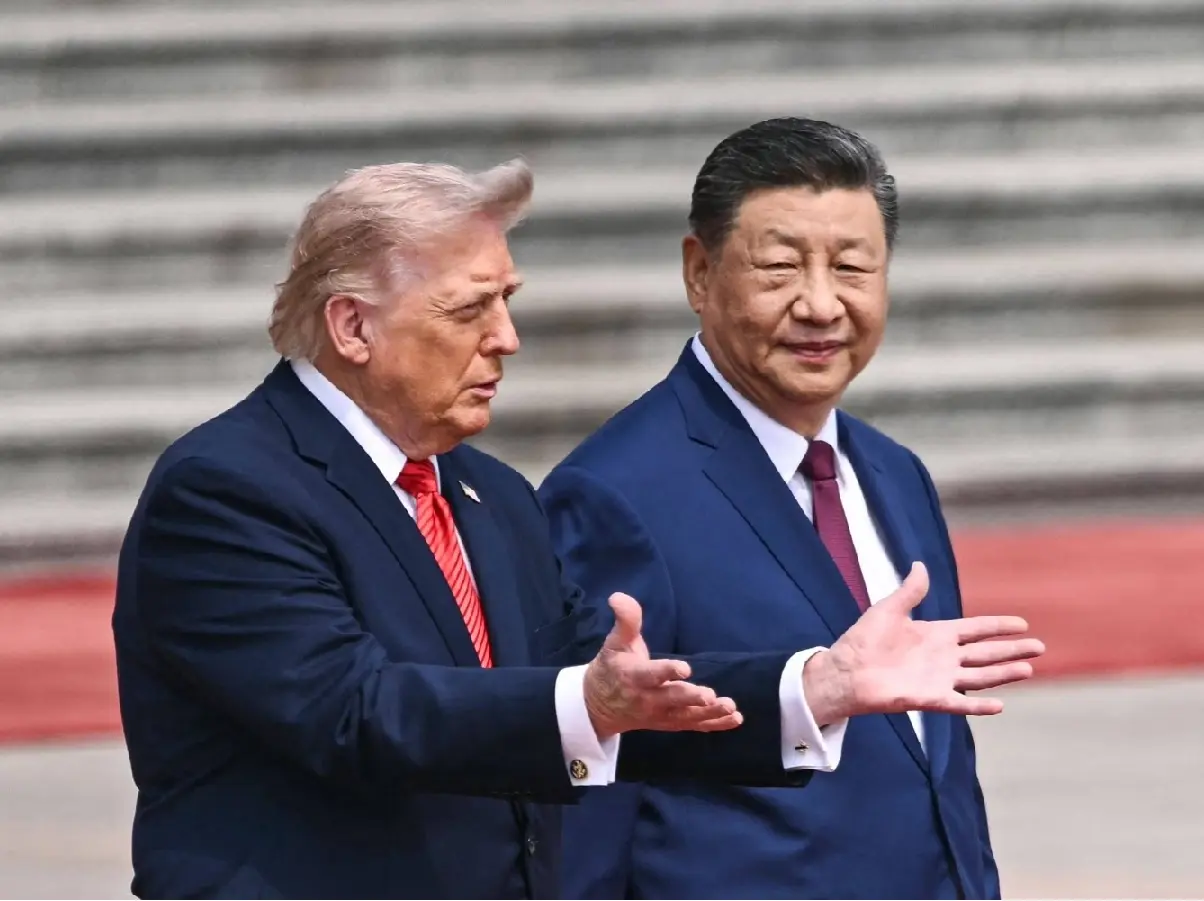
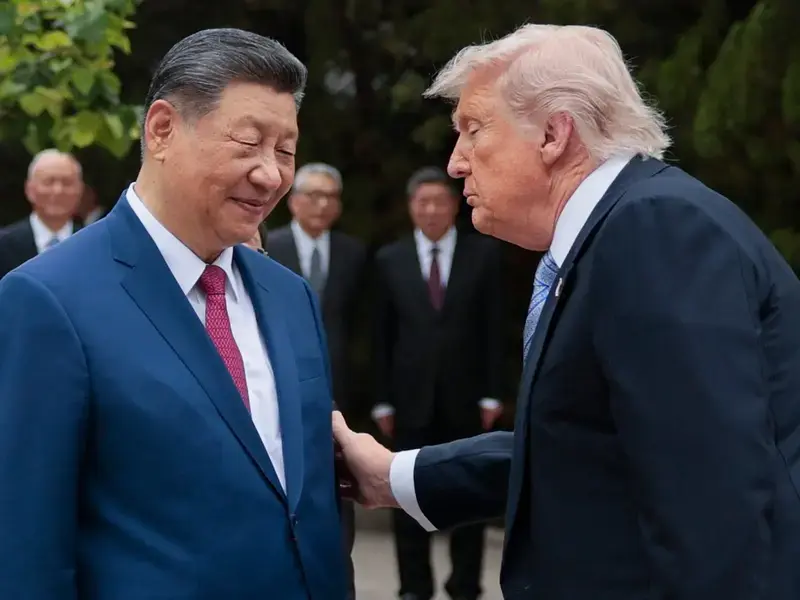
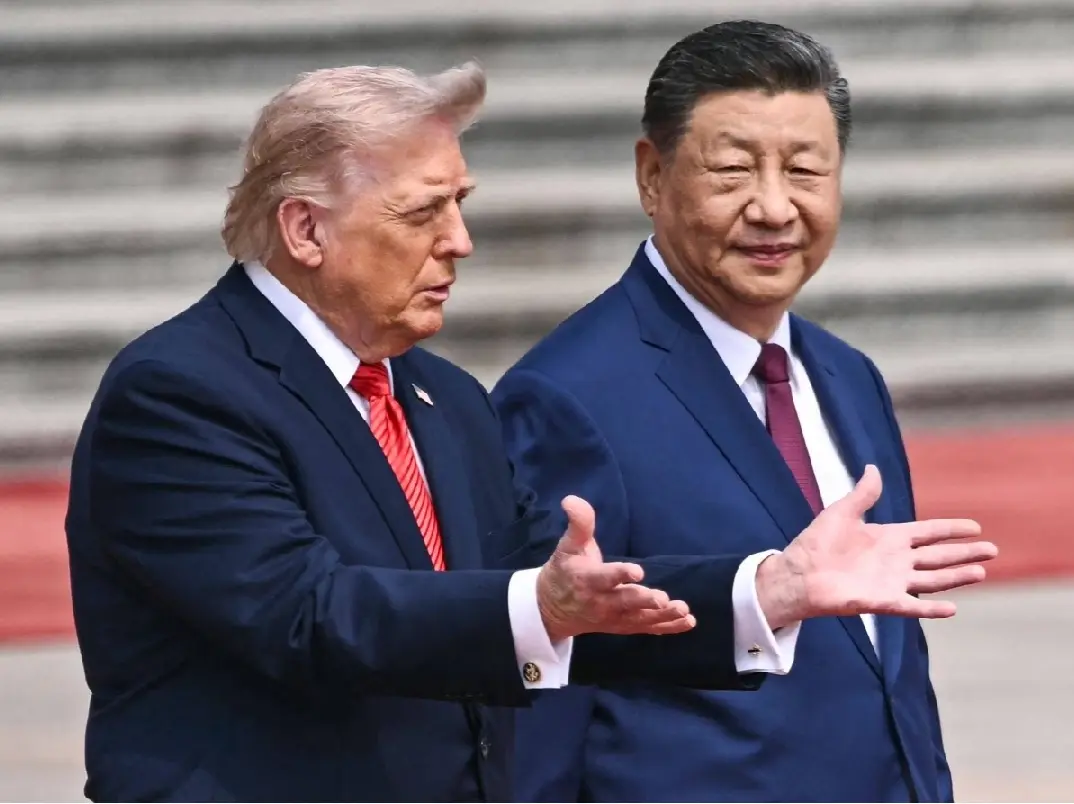
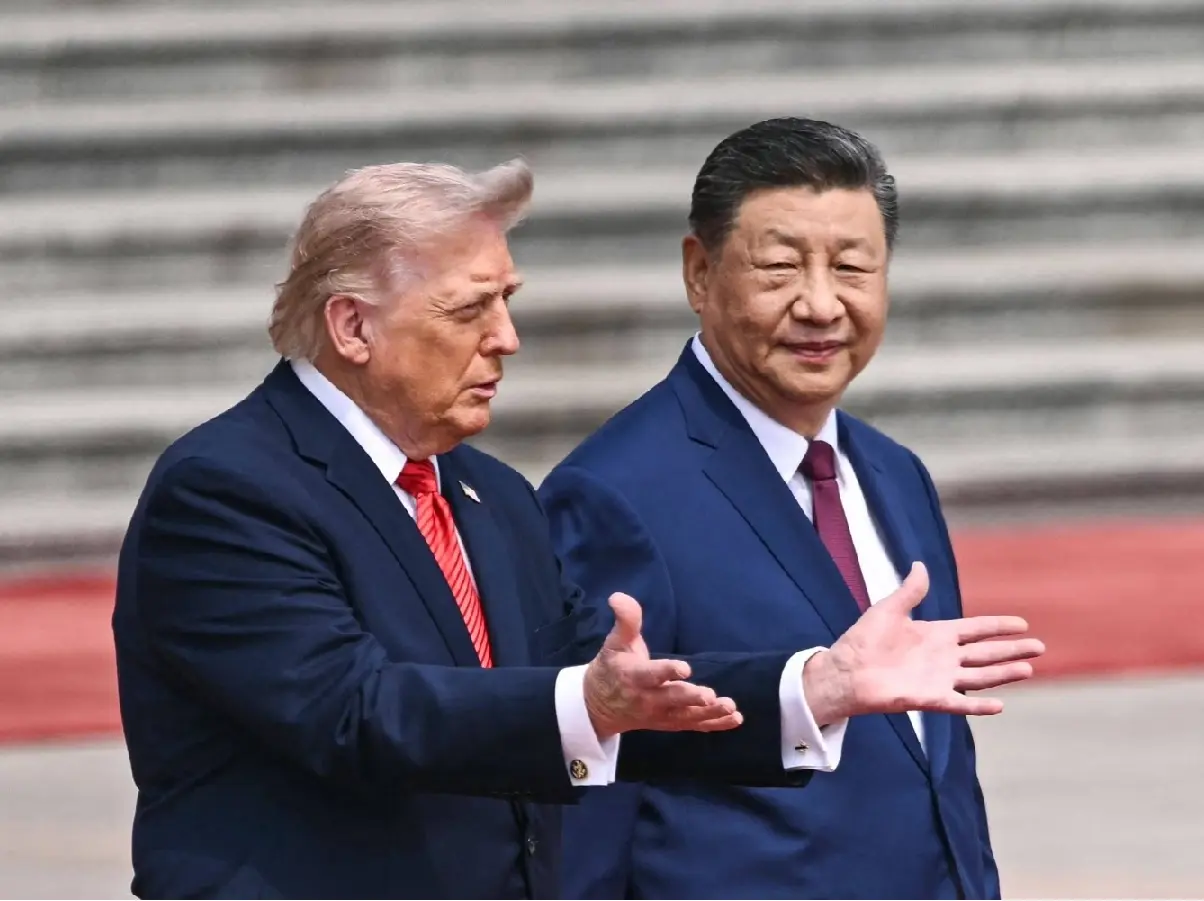
In an unprecedented gesture, US President Donald Trump will personally welcome Chinese leader Xi Jinping and his wife at the Joint Base Andrews in Maryland. This will be followed by an elaborate welcome ceremony on Thursday, which will feature 479 US military personnel.
Whether it is trade, artificial intelligence, or global security, the world's two superpowers have been locked in a turf war.
At a time when the world is besieged by conflicts, all eyes are on Chinese President Xi Jinping as he lands in US in a few hours from now for a crucial state visit.
In an unprecedented gesture, US President Donald Trump will personally welcome Xi and his wife at the Joint Base Andrews in Maryland.
This will be followed by an elaborate welcome ceremony on Thursday, which will feature 479 US military personnel.
However, Taiwan remains a sticking point in the US-China bilateral ties.
Just ahead of the Trump-Xi summit, Taiwan conducted live-fire exercises featuring a domestically developed eight-wheeled armoured vehicle.
Trending Stories
)
)
)
)
)
)
)
)
)
)
)
)
)
)
)
)
)
)
)
)
)
&im=FitAndFill=(700,400))
)
)
)
)
)
)
&im=FitAndFill=(700,400))
)
)
)
)
)
)
)
)
According to Taiwan's military, this vehicle combines high mobility and firepower, allowing ground forces to conduct rapid strikes and respond quickly across terrains.
It also displayed military equipment used to strengthen the island's defence capabilities, such as HIMARS rocket launchers and air defence systems.
This is not all.
Last week, combat exercises, involving all three branches of Taiwan's armed forces featuring multiple type of attack drones were held for the first time.
Amid this, Beijing issued a firm warning to Washington.
The Chinese Envoy to US made it clear that Taiwan and human rights are red lines for China that cannot be crossed.
He stressed that America should stop fabricating pretexts such as national security, economic imbalances and forced labour to try and constrain China.
The diplomat also added that his country's political model, human rights record and development rights cannot be challenged.
Now, tensions increased after US announced weapon sales worth over $11 billion dollars to Taiwan in December last year.
However, US is yet to go ahead with this deal, owing to China's consistent objections.
In February, Xi warned Trump over the Taiwan arms deal on a phone call, telling him to be "prudent".
In May, when Trump went to China, Beijing said, if Taiwan is handled improperly, the two countries will have clashes and even conflicts. This was the exact official wording by the Chinese govt.
Now, it's September, it is Xi's turn to visit U.S. - and he is likely to again press Trump to stop deliveries of arms already ordered by Taiwan as well as future arms sales to Taipei.
Taiwan though remains optimistic about the arms deal.
Xi's America visit also holds significance from the economic perspective with US trade deficit with China standing at more than 91 billion US Dollars.
After initially threatening tariffs, Trump announced a trade and economic deal with China in November 2025.
According to US, China promised to eliminate export controls on rare earth elements and other critical minerals, and end its retaliation against US semiconductor manufacturers and resume purchase of soybeans.
However, uncertainty remains over whether this agreement will be extended over concerns that China is still squeezing flows of critical minerals to US.
This is vital for US as they are essential components in production of weapons which have been depleted by the Iran war.
According to Chinese customs data, shipments of rare earth magnets to US dropped by 21% in August as compared to the month before.
It is worth noting that after holding talks with Xi in Beijing in May, US had announced that China has agreed to address its concerns over rare earths.
According to America, China also agreed to purchase 200 American-made Boeing aircraft, and US agricultural products worth 17 billion US Dollars.
The recent passage of the Lindsey Graham Sanctioning Russia and Iran Act has also cast a shadow over the trade talks, as it allows Trump to potentially levy tariffs of up to 100% on China for being the top importer of Russian crude oil.
AI remains another domain of contention between both sides.
While industry leaders have been pushing for a coordinated slowdown of AI development, Trump claimed that China is the only one happy about this.
He also announced the formation of an AI Force, and boasted that America is leading China in this domain and would continue to do so...
At the same time, America has proposed setting up a US-China AI dialogue.
On his part, Xi has called for a consensus-based global AI governance framework.
At this juncture though, the Iran war is likely to be one of the key agenda for the talks.
Being Iran's largest trading partner, which purchases roughly 90% of its crude oil, China has high stakes in reopening Strait of Hormuz.
While Trump has increased economic pressure on Iran, China has consistently opposed unilateral sanctions, and urged both sides to return to the negotiating table.
With Iran and US at loggerheads, it remains to be seen whether China's intervention can bring an end to this war.
With China's growing assertiveness and Trump rolling out the red carpet to Xi, the upcoming two days will be crucial in determining whether the two superpowers can find a middle ground on bilateral issues, as well as matters of global significance...