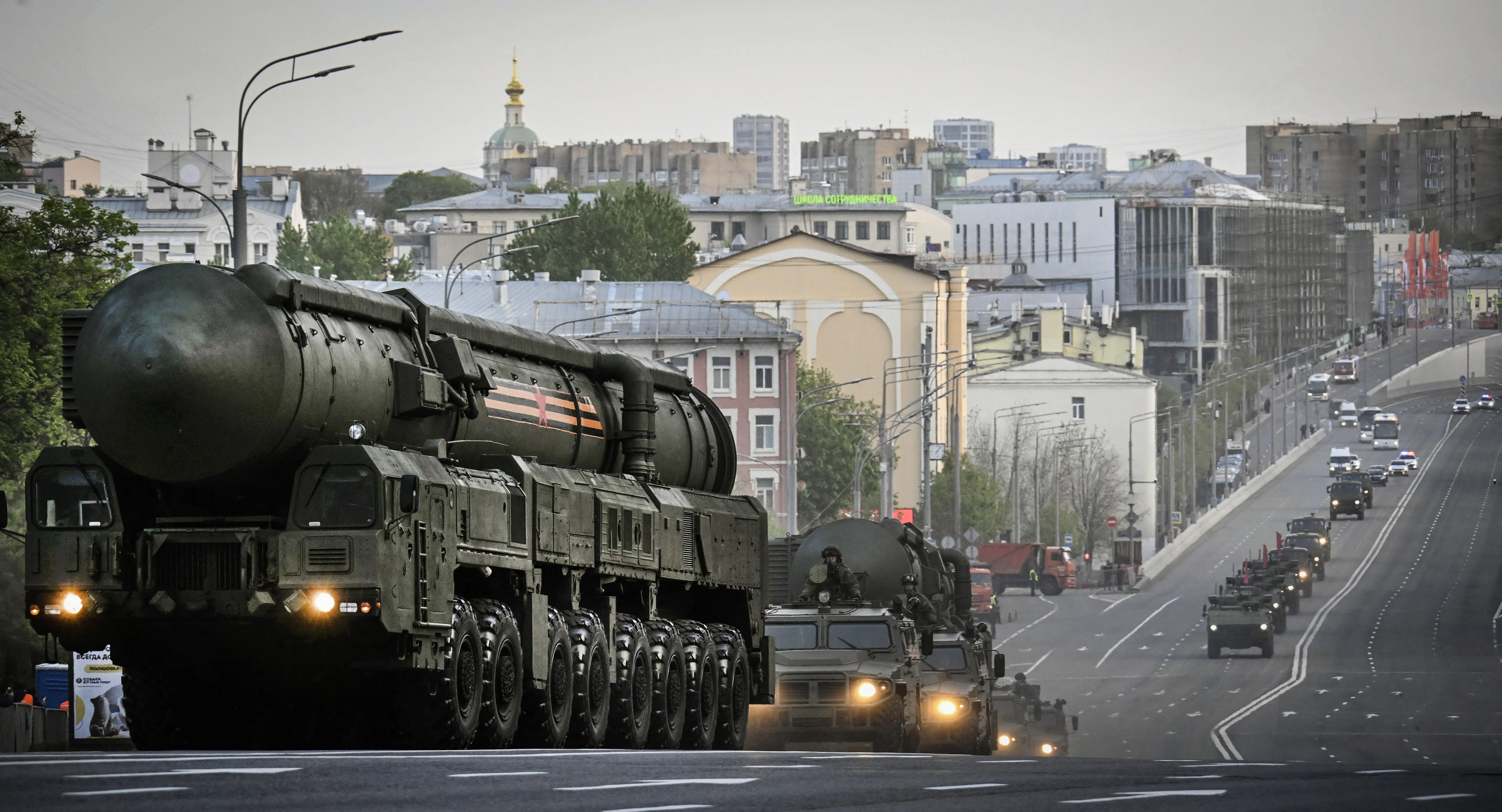
PM Modi begins big September diplomatic blitz, summits will test US decline | Gravitas

&imwidth=600&imheight=450&format=webp&quality=medium "PM Modi begins big September diplomatic blitz, summits will test US decline | Gravitas")
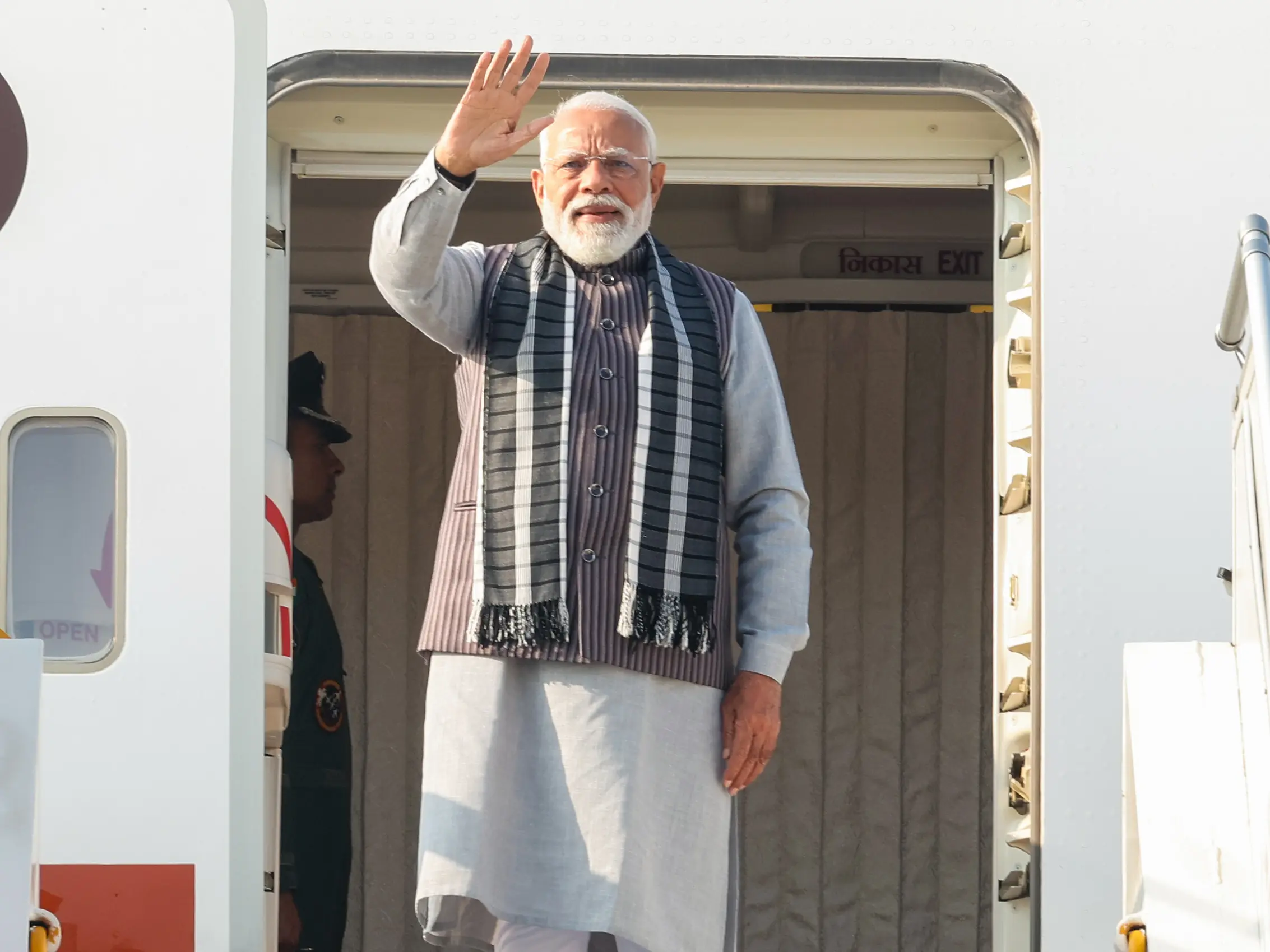
Prime Minister Narendra Modi. Photograph: (ANI)
PM Modi is set for a packed September diplomatic schedule involving the SCO and BRICS summits and key bilateral meetings, while intensifying US-China and US-Canada tensions add to the wider geopolitical and economic stakes.
September is a big month for diplomacy. Amid growing concerns over America's global hegemony, key world leaders will attend the Shanghai Cooperation Organisation (SCO) and BRICS summits next month. Prime Minister Narendra Modi is also kicking off a series of key bilateral meetings from Saturday.
To begin with, PM Modi will visit Tashkent for two days at the invitation of Uzbekistan's president. During his fourth visit to Uzbekistan, he is expected to hold talks to strengthen the strategic partnership between the two countries and review cooperation across multiple sectors.
The Prime Minister is also set to visit the memorial dedicated to former Prime Minister Lal Bahadur Shastri.
From Tashkent, he will travel to Bishkek to participate in the 26th SCO summit from August 31 to September 1. At the summit, he will highlight India's priorities of security, connectivity and opportunity.
Over its two decades-long history, the bloc has expanded considerably. It now includes 10 member states, two observer states and 15 dialogue partners, spanning a vast geographical area and diverse populations.
The summit comes at a time when geopolitical uncertainty remains high, with Russia's war in Ukraine and the ongoing war with Iran adding to global tensions.
Trending Stories
&im=FitAndFill=(700,400)&imwidth=280&imheight=210&format=webp&quality=medium)
&imwidth=280&imheight=210&format=webp&quality=medium)
&imwidth=280&imheight=210&format=webp&quality=medium)
&imwidth=280&imheight=210&format=webp&quality=medium)
&imwidth=280&imheight=210&format=webp&quality=medium)
&imwidth=280&imheight=210&format=webp&quality=medium)
&imwidth=280&imheight=210&format=webp&quality=medium)
&imwidth=280&imheight=210&format=webp&quality=medium)
&imwidth=280&imheight=210&format=webp&quality=medium)
&imwidth=280&imheight=210&format=webp&quality=medium)
&imwidth=280&imheight=210&format=webp&quality=medium)
&imwidth=280&imheight=210&format=webp&quality=medium)
&imwidth=280&imheight=210&format=webp&quality=medium)
&imwidth=280&imheight=210&format=webp&quality=medium)
&imwidth=280&imheight=210&format=webp&quality=medium)
&imwidth=280&imheight=210&format=webp&quality=medium)
&imwidth=280&imheight=210&format=webp&quality=medium)
&imwidth=280&imheight=210&format=webp&quality=medium)
&imwidth=280&imheight=210&format=webp&quality=medium)
&imwidth=280&imheight=210&format=webp&quality=medium)
&imwidth=280&imheight=210&format=webp&quality=medium)
&imwidth=280&imheight=210&format=webp&quality=medium)
&imwidth=280&imheight=210&format=webp&quality=medium)
&imwidth=280&imheight=210&format=webp&quality=medium)
&imwidth=280&imheight=210&format=webp&quality=medium)
&imwidth=280&imheight=210&format=webp&quality=medium)
&imwidth=280&imheight=210&format=webp&quality=medium)
&im=FitAndFill=(700,400)&imwidth=280&imheight=210&format=webp&quality=medium)
&imwidth=280&imheight=210&format=webp&quality=medium)
&im=FitAndFill=(700,400)&imwidth=280&imheight=210&format=webp&quality=medium)
&im=FitAndFill=(700,400)&imwidth=280&imheight=210&format=webp&quality=medium)
&im=FitAndFill=(700,400)&imwidth=280&imheight=210&format=webp&quality=medium)
&imwidth=280&imheight=210&format=webp&quality=medium)
&imwidth=280&imheight=210&format=webp&quality=medium)
PM Modi will also hold bilateral meetings on the sidelines of the SCO summit with leaders of other countries. For instance, he is all set to meet Russian President Vladimir Putin.
However, suspense remains over whether he will meet Chinese President Xi Jinping, who is also attending the summit.
This will be followed by the BRICS summit, which India will host on September 12 and 13.
What started as a bloc of four countries, namely Brazil, Russia, India and China, has now expanded to 11 official members, including Egypt, the UAE and Indonesia. It also has 10 partner countries.
Guided by the theme 'Building for Resilience, Innovation, Cooperation and Sustainability', global leaders will exchange views on strengthening intra-BRICS cooperation and common priorities.
While Iranian President Masoud Pezeshkian and Putin are among the key leaders travelling to the summit, official confirmation of Xi's participation is awaited.
Earlier, Reuters indicated that the Chinese president would attend the BRICS summit with a delegation of about 400 officials. This would mark his first visit to India in seven years, amid a gradual improvement in bilateral ties.
This also raises a key question. Amid America bolstering its sanctions pertaining to Iran, will the bloc explore the option of creating a BRICS currency?
Brazil's president voiced this idea in 2023. He proposed a common currency that could be used for trade and investment between BRICS nations to reduce their vulnerability to dollar rate fluctuations.
This assumes significance as the US dollar remains the undisputed anchor of the global financial system, making up the vast majority of central bank reserves and daily currency trading globally.
For instance, about 60% of global foreign exchange reserves are held in US dollars. Around 60% of cross-border loans and deposits are dollar-based, while most global oil trade is conducted in dollars.
While China and Russia are increasingly moving towards reducing the dominance of the US dollar by settling transactions in yuan and roubles, a BRICS currency is yet to become an official proposal.
Earlier this month, India's Commerce and Industry Minister Piyush Goyal made it clear that India opposes the introduction of any such proposal.
Previously, Trump had already threatened to impose 100% tariffs on BRICS countries if they created a currency to replace the dollar.
Another key meeting is scheduled towards the end of this month, with Xi's visit to the White House on September 24.
This meeting assumes significance at a time when America is increasingly dependent on China for the supply of critical minerals.
Thus, all eyes will be on the next two weeks.
As the US-Canada trade war intensifies, the battle is not limited to tariffs alone.
The Trump administration again used social media to boast of its supposed triumph over Canada. This time, though, there was a twist in the tale.
The White House posted a photo of a bald eagle pinning a Canada goose to the ground. The image was seen as a bid to project US dominance over Canada, as the bald eagle is strongly associated with the US as its national bird.
However, the White House's victory symbol turned into an unexpected Canadian comeback story.
Build Canada, a Canadian government agency, responded with another picture that depicted a very different tale. It showed the Canada goose raising its wing in an apparent attack.
According to some social media users, both these photos came from a 20-minute faceoff between the two birds on frozen Lake Ontario, captured by a photographer over a year ago.
While the bald eagle had the upper hand in the fight for a while, the goose fought back, after which the eagle was forced to retreat.
This metaphor of resistance unfolded in reality earlier this week when Canada announced retaliatory tariffs on around 700 US goods ranging between 15% and 50% from September 8 onwards.
American steel, aluminium, furniture, clothing, electronics and cheese will now be subjected to tariffs.
Canada also announced an aid package of $5.4 billion for workers and firms hit by US tariffs.
But how did Trump retaliate?
By renaming a lake.
He signed an executive order changing the name of Lake Ontario to Lake America. The US President attributed the move to Canada's alleged shortchanging of America on trade as well as military issues.
Earlier, the Ontario premier had threatened that Canada could cut off electricity and critical mineral supplies to the US if tensions continued.
Lake Ontario is one of the four Great Lakes that the US shares with Canada. It borders New York State in America and Ontario province in Canada.
According to reports, it has been called Lake Ontario since the 17th century and was named by Canada's Indigenous population.
As the water body falls under the jurisdiction of both countries, Trump cannot compel Canada to adopt the changed name.
Last year too, the US President stirred a row by renaming the Gulf of Mexico as the Gulf of America. However, Trump suggested that his push to rename water bodies may not be finished.
The move to rename Lake Ontario immediately triggered pushback from Canada's Prime Minister Mark Carney.
Carney said, and I am quoting him, "The name is more than 400 years old, predating both the Confederation of Canada & The declaration of Independence of, the United States of America".
Snubbing Trump further, Carney stressed that Canadians would continue to call it Lake Ontario.
Public opinion on the issue was also largely in favour of Carney's stance.
The row originally started with a breakdown in trade talks between the two countries.
While the Canadian PM slammed the US for treating his country like a subsidiary and accused it of trying to destroy its key industries, the US accused him of walking away from the deal for political purposes.
While Trump initially imposed a 50% tariff on around $20 billion of Canadian goods, he followed it up by increasing tariffs on all Canadian cars, trucks, automobile parts and steel to 50%.
With Canada's subsequent retaliatory measures, it is amply clear that Ottawa will not give in to US pressure any time soon.