
&imwidth=800&imheight=600&format=webp&quality=medium "Summer or winter travel: which season offers the better experience?")
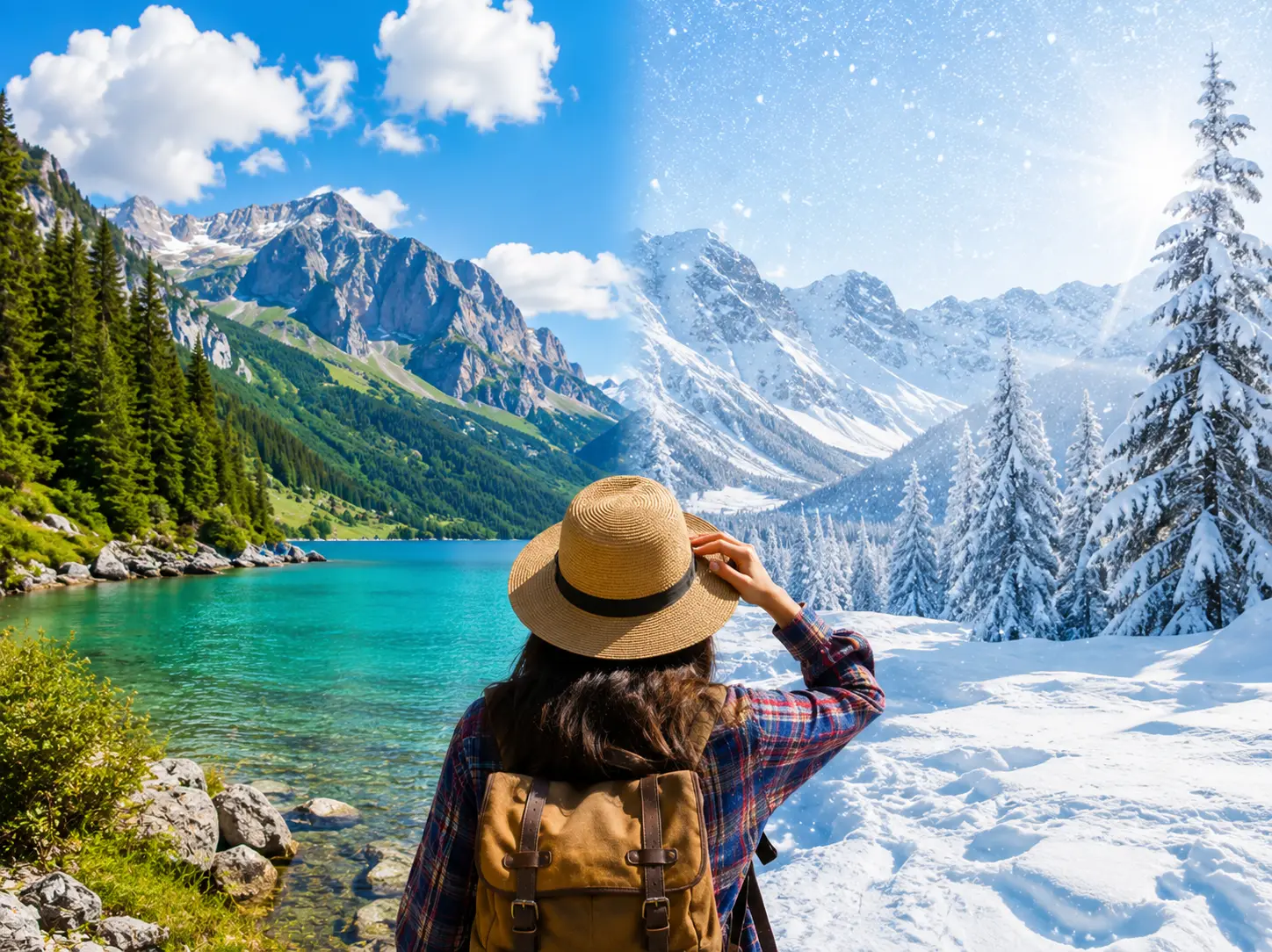
Choosing between a summer and winter holiday requires careful financial and geographical consideration. While the period from June to August remains the traditional peak season for global tourism, an increasing number of individuals are opting for winter travel to maximise their budget. Understanding the distinct differences in international airfare, accommodation pricing, and regional weather patterns helps ensure a well-planned and highly cost-effective trip.
Analysing peak summer demand and financial costs
Data from the United Nations World Tourism Organization indicates that destinations across Europe and North America experience their highest visitor volumes during July and August. This annual surge in demand directly impacts regional pricing structures. Travel industry reports confirm that international airfares and standard hotel rates often increase by up to 40 per cent during these two months. While summer offers extended daylight hours for sightseeing and coastal activities, tourists must prepare for heavily congested cultural sites and premium accommodation costs.

The distinct financial advantages of winter tourism
Travelling between November and March, excluding the immediate two weeks surrounding Christmas and New Year, provides substantial financial benefits. Global booking platforms consistently note that base flight fares drop considerably during this off-peak window. For an Indian tourist, choosing a winter holiday can result in average savings of up to Rs 25,000 on long-haul flight tickets. Winter travel also opens up completely different geographical activities, such as alpine skiing, while ensuring a much quieter and relaxed environment at major museums and historical landmarks.
Evaluating regional weather patterns before booking
Trending Stories
)
Justice eludes Air India 1985 bombing victims as Canada probe goes 'inactive' | Gravitas
)
Trump revives India-Middle East-Europe economic corridor as India emerges central to West Asia’s future: What is it?
)
Erdogan again raises Kashmir issue at UNGA, calls for dialogue under UN Charter
)
Trump signs Greenland security deal with Denmark, paving way for two new US military bases
)
Most Americans want greater federal AI oversight
)
IND vs JPN T20I: How an overturned wide became point of difference between India's win and a tie
)
Trump-Xi summit: From trade to Taiwan, what will the US and Chinese presidents discuss in Washington?
)
Cyclone Arnab: Landfall expected before midnight tomorrow as IMD issues orange alerts across six states
)
ICC plans T20I expansion and fewer ODIs in 2027–2031 FTP cycle: Report
)
US-China tech war: Businesses in the front line
)
'Mumma’s boy from Gwalior who dared to dream': Kartik Aaryan pens long note after first National Award win
)
Gravitas | Boosting NHS productivity could save 20,600 lives in UK annually: Report
)
Nor'easter could batter 13 US states this week. What you should know
)
US and China vie for AI dominance as calls grow for regulation | Gravitas
)
Yemen clashes kill 154 people in two days as cornered Saudi battles Houthi offensive | Gravitas
)
Bomb scare in New York amid UNGA: Suspicious suitcase found near UN headquarters
)
IND vs JPN, one-off T20I: Japan captain Kendel on pushing India to the brink - ‘It was special’
)
Raaka creates history! Allu Arjun’s film secures Guinness World Record ahead of release
)
Mikel Arteta verbally agrees to three-year extension with Arsenal after title-winning Premier League season
)
WION Iconic Tourism Summit and Awards 2026: Key voices to discuss India’s tourism future
)
WION Iconic Tourism Summit and Iconic Awards 2026: India's travel economy leaders gather in Delhi
&im=FitAndFill=(700,400))
New OTT releases this week (September 21-27, 2026): Shaque: Trust No One, Hunkkaar, Don’t Be Shy- 5 new titles coming to Netflix, Prime Video and more
)
81st UN General Assembly: Burnham announces UK-US AI defence tie-up
)
Trump calls on nations to quit ‘rogue’ and ‘out-of-control’ International Criminal Court, rips UN
)
Infections transmitted from pregnant woman linked to autism risk
)
'What kind of confession is this?': Pakistan PM Shehbaz Sharif’s 'terrorists would be roaming New York' remark goes viral, raises alarm online. Watch
)
Elephants hide behind trees, stage surprise attack on poachers targeting rhinos in South Africa
)
IIT Bombay professor Suryanarayana Doolla sent on leave amid Sahil Wakode death probe
&im=FitAndFill=(700,400))
National Film Awards 2026: Kartik Aaryan, Mammootty, Yami Gautam, Randeep Hooda and other key winners
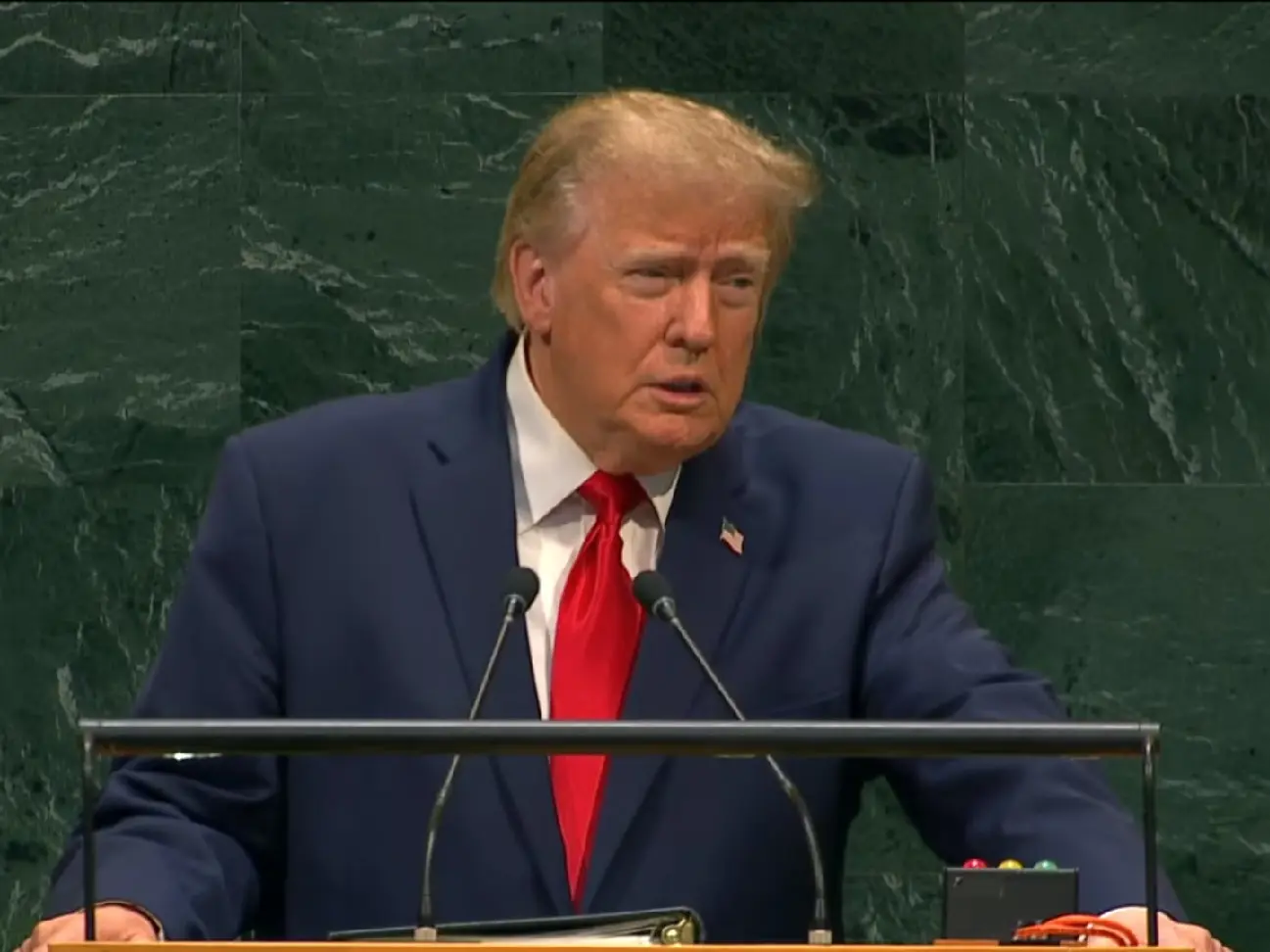)
‘Strike a deal or drive Iran into hell’: Trump issues fresh warning to Tehran at UNGA
)
Anne Hathaway to run in supporting race for Nolan's epic
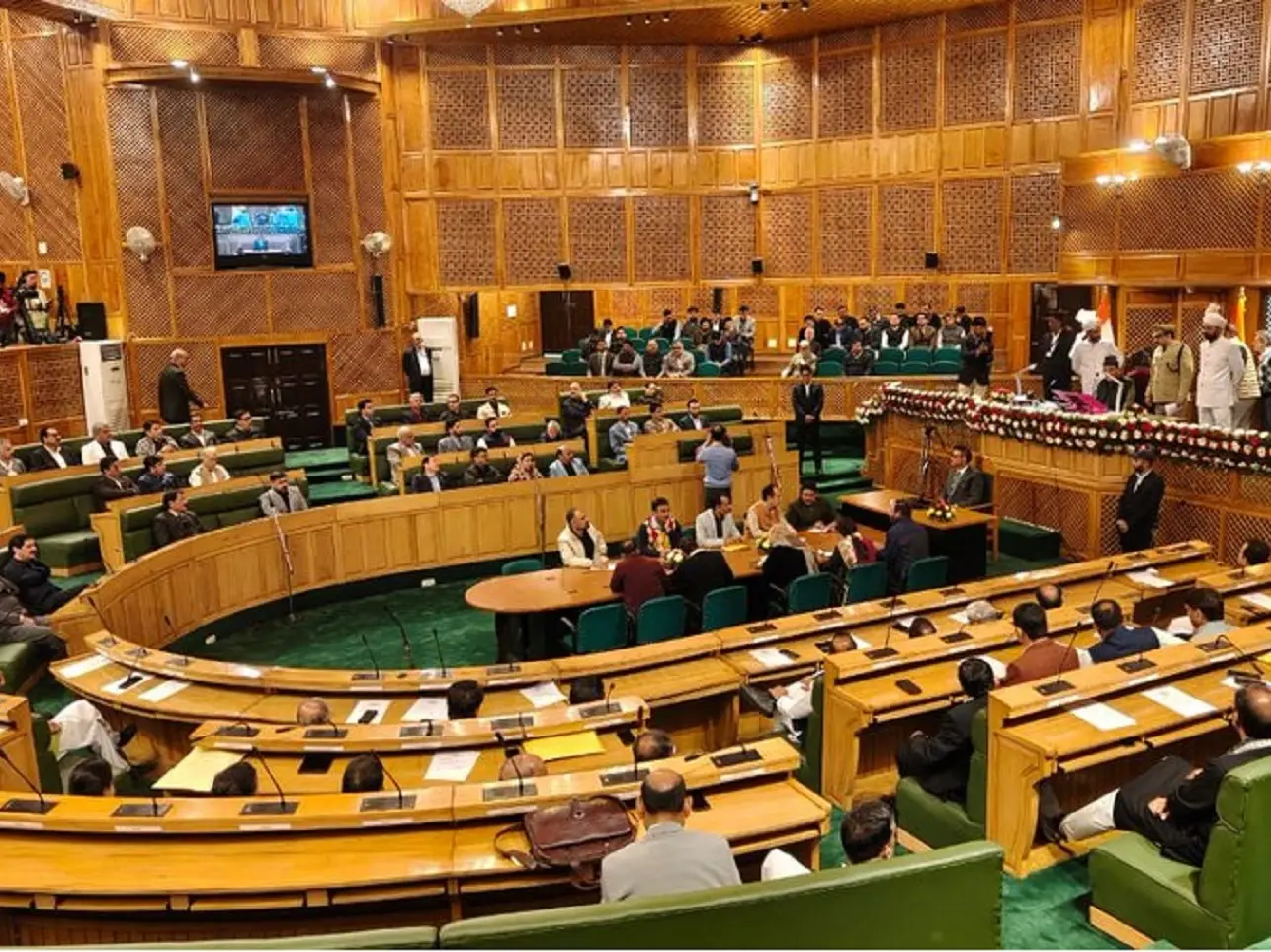)
Over 4,200 books withdrawn from circulation in J&K colleges, 94% from Kashmir
)
From Gaddafi tearing up UN Charter to Trump’s ‘escalatorgate’: Most unforgettable UNGA moments
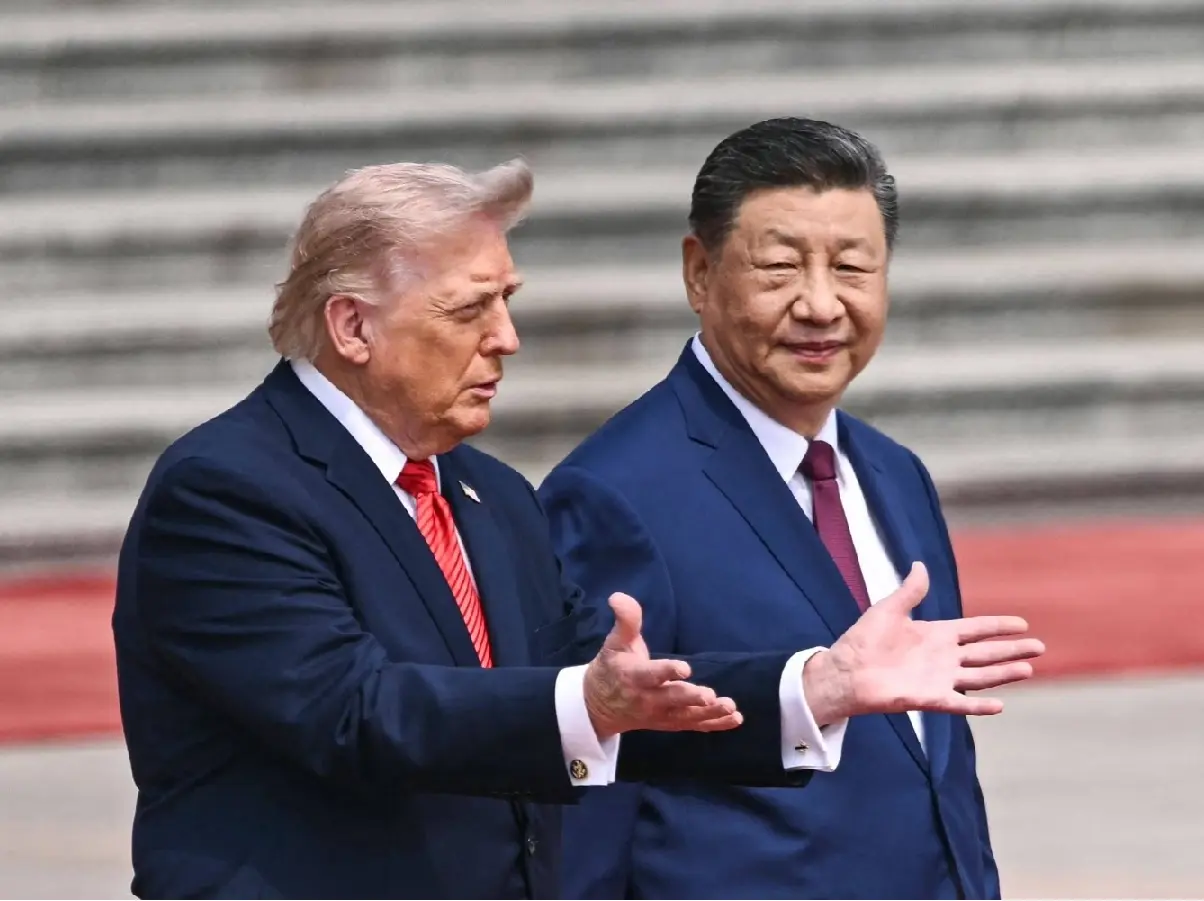)
Explainer: Why rare-earth export licences and Board of Trade are US priorities ahead of Trump-Xi summit
)
Asia prepares for record El Nino, food shock
)
Oil slips to $98 as Saudi Arabia restarts East-West oil pipeline
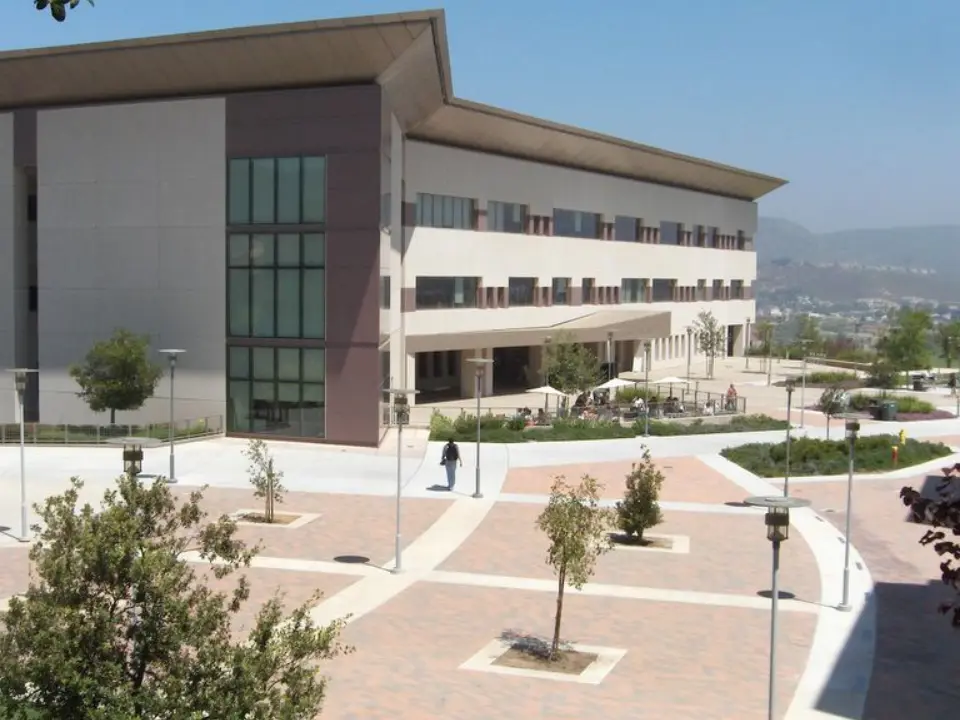)
Four female students raped during 'Red Zone' at California university. What we know
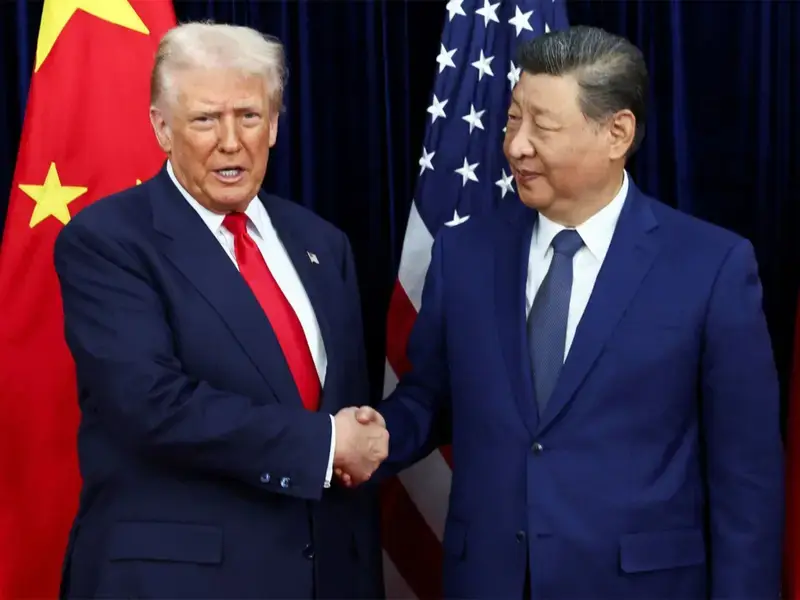)
'Taiwan and human rights are red lines': China warns US ahead of Xi-Trump visit
A successful international holiday depends entirely on local climate conditions. While European summers are typically warm and sunny, those exact same months bring intense monsoon rains to popular Southeast Asian destinations like Thailand and Vietnam. Consequently, the safest and most comfortable time to visit these tropical regions is during the northern hemisphere's winter season. Tourists must actively cross-reference their chosen destination with verified meteorological data rather than relying strictly on the traditional summer holiday calendar.
Deciding between a summer and winter trip ultimately comes down to strict budget limits and destination climate. While summer provides longer days for outdoor exploration, winter offers substantial financial savings and significantly smaller crowds. Careful climate research ensures you select the season that best aligns with your travel goals.