

&imwidth=800&imheight=600&format=webp&quality=medium "7 beautiful places to visit in Costa Rica")
Costa Rica remains a premier destination for nature enthusiasts, offering a mix of dense rainforests, volcanic landscapes, and pristine beaches. While the Central American nation accounts for just 0.03 per cent of the Earth's surface, it is home to approximately 6 per cent of the world's known biodiversity. For travellers seeking a well-rounded holiday, the country provides reliable infrastructure and unparalleled access to wildlife. Here are seven beautiful places to add to your itinerary.
Volcanic landscapes and high-altitude forests
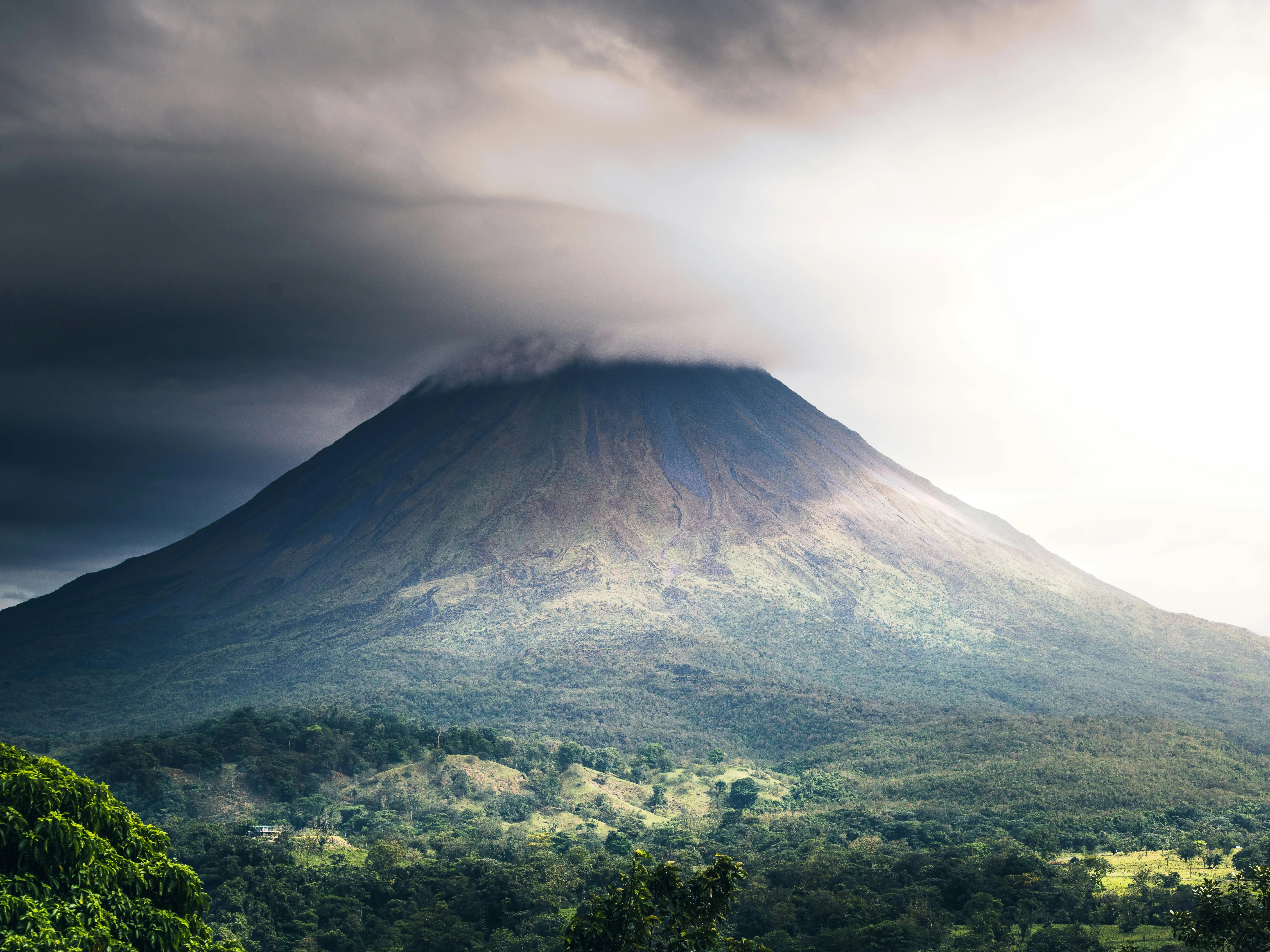
Arenal Volcano National Park: Located in the northern highlands, this park centres around the Arenal Volcano. Visitors can walk along hardened lava trails from past eruptions, making it a prime spot for viewing geothermal hot springs and unique local flora.
Monteverde Cloud Forest Biological Reserve: Situated at an elevation of 1,440 metres above sea level, this reserve offers a unique high-altitude ecosystem. The constant moisture creates a mist-covered canopy that protects rare bird species, including the resplendent quetzal.
Coastal biodiversity and wildlife
Manuel Antonio National Park: Spanning 682 hectares along the central Pacific coast, this park combines white-sand beaches with tropical rainforests. It is globally recognised for its high concentration of three-toed sloths and capuchin monkeys, making wildlife spotting highly reliable.
Trending Stories
&imwidth=180&imheight=135&format=webp&quality=medium)
Sidhu Moose Wala’s younger brother wins hearts by recreating late singer’s signature move at Toronto Hologram Show
&imwidth=180&imheight=135&format=webp&quality=medium)
Apple HomeView smart home hub may launch soon with A18 chip, display and Siri controls: What to expect
&imwidth=180&imheight=135&format=webp&quality=medium)
Anti-SIR protest in Mumbai: Protestors wear black masks & ribbons in Mumbai
&imwidth=180&imheight=135&format=webp&quality=medium)
'I will not be silenced': Ilhan Omar alleges political intimidation after federal officers search her Washington home
&im=FitAndFill=(700,400)&imwidth=180&imheight=135&format=webp&quality=medium)
Navratri 2026: 9 days, 9 forms of Goddess Durga and 9 colours- Check the complete list
&imwidth=180&imheight=135&format=webp&quality=medium)
Houthis warns US of 'painful response' if Washington joins Saudi war in Yemen as airlines suspend flights to Saudi Arabia
&imwidth=180&imheight=135&format=webp&quality=medium)
'Almost certainly': UK Prime Minister Andy Burnham says Iran's IRGC behind RAF Fairford threat
&im=FitAndFill=(700,400)&imwidth=180&imheight=135&format=webp&quality=medium)
New OTT releases this week (October 12-18, 2026): Sacrifice, Koffee with Karan S9, Roadies Rebirth- 6 titles coming on Netflix, JioHotstar and more
&imwidth=180&imheight=135&format=webp&quality=medium)
BCCI rejects venue shift reports, India vs Sri Lanka 1st ODI to remain in Delhi
&imwidth=180&imheight=135&format=webp&quality=medium)
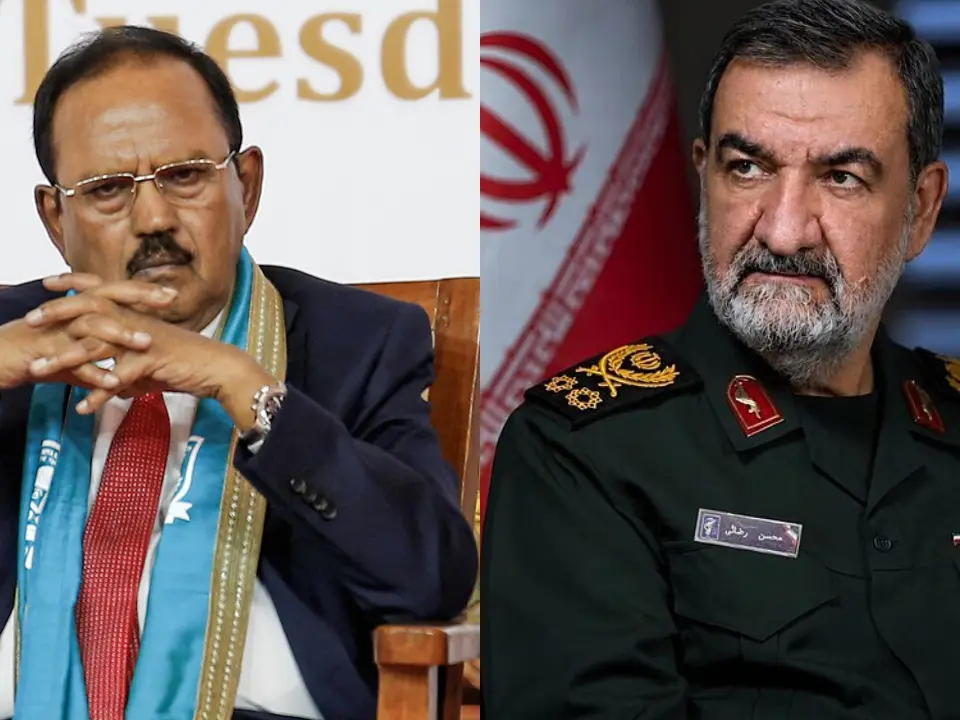
India's Ajit Doval, Iran's Mohsen Rezaei hold talks amid escalating West Asia tensions, discuss 'issues of mutual interest'
&imwidth=180&imheight=135&format=webp&quality=medium)
'Ouch!!! That must hurt': Kangana Ranaut hails Kamal Haasan's sharp reply to Elon Musk over Starlink row
&imwidth=180&imheight=135&format=webp&quality=medium)
Use AI as your ‘second brain’: Meta AI chief Alexandr Wang’s message to young people
&imwidth=180&imheight=135&format=webp&quality=medium)
Rishabh Pant ruled out of India A squad for New Zealand tour, Kumar Kushagra named replacement
&imwidth=180&imheight=135&format=webp&quality=medium)
1,500 drones illuminate Mumbai sky as Cordelia Cruises unveils second ship, Cordelia Sky
&imwidth=180&imheight=135&format=webp&quality=medium)
Reports: Saudi crown prince Mohammed bin Salman is being moved to safe locations
&imwidth=180&imheight=135&format=webp&quality=medium)
Pakistan's government blames PTI for rise of terrorism in Khyber Pakhtunkhwa
&imwidth=180&imheight=135&format=webp&quality=medium)
UK school ditches technology, shifts from screen to pen and paper for learning
&imwidth=180&imheight=135&format=webp&quality=medium)
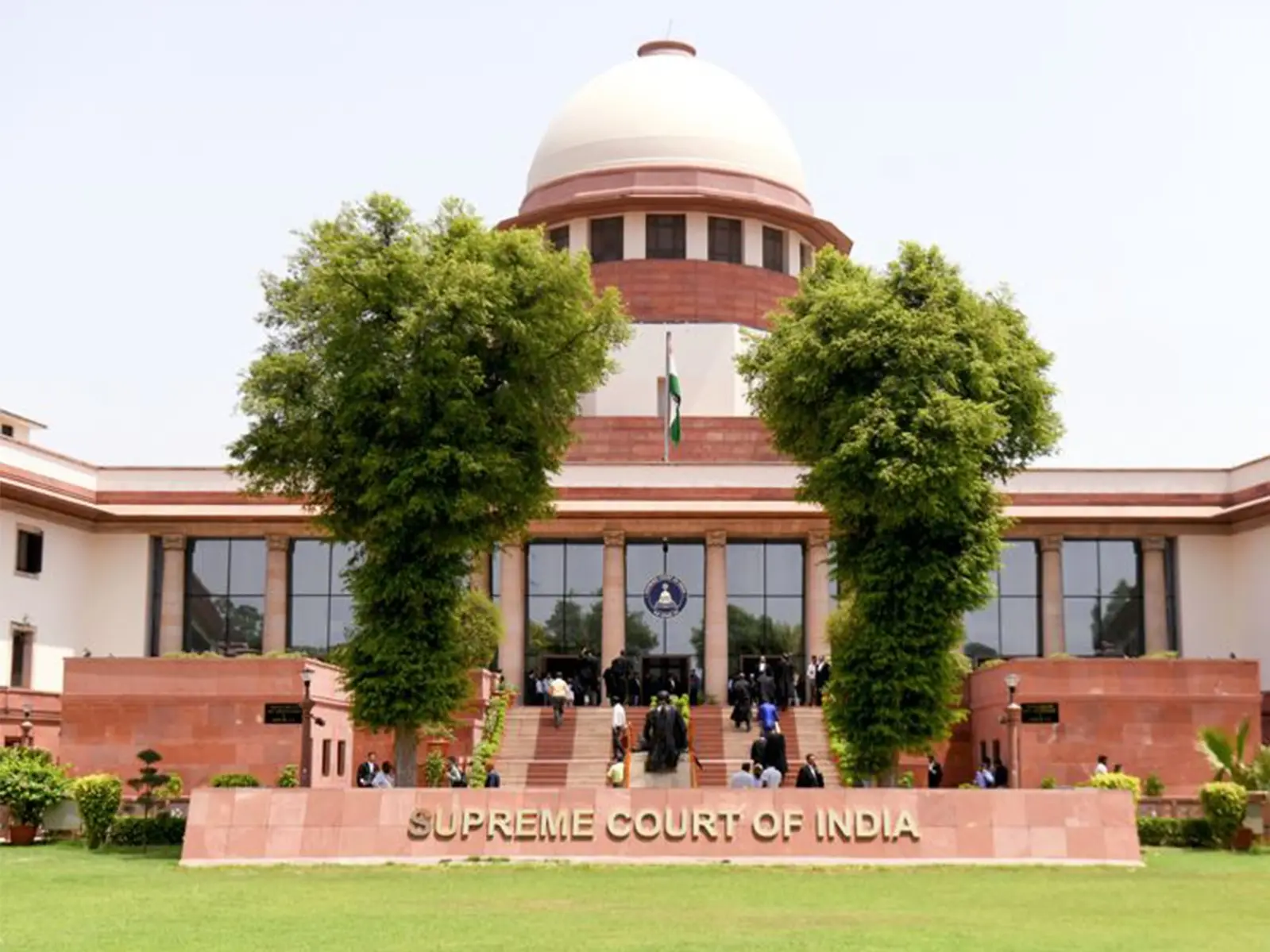
Opposition’s 10 demands in Supreme Court petition range from stay on SIR to audit of voter rolls
&imwidth=180&imheight=135&format=webp&quality=medium)
Congress demands action against chief election commissioner
&imwidth=180&imheight=135&format=webp&quality=medium)
US federal agents raid Dem Rep Ilhan Omar’s home ahead of midterms
&imwidth=180&imheight=135&format=webp&quality=medium)
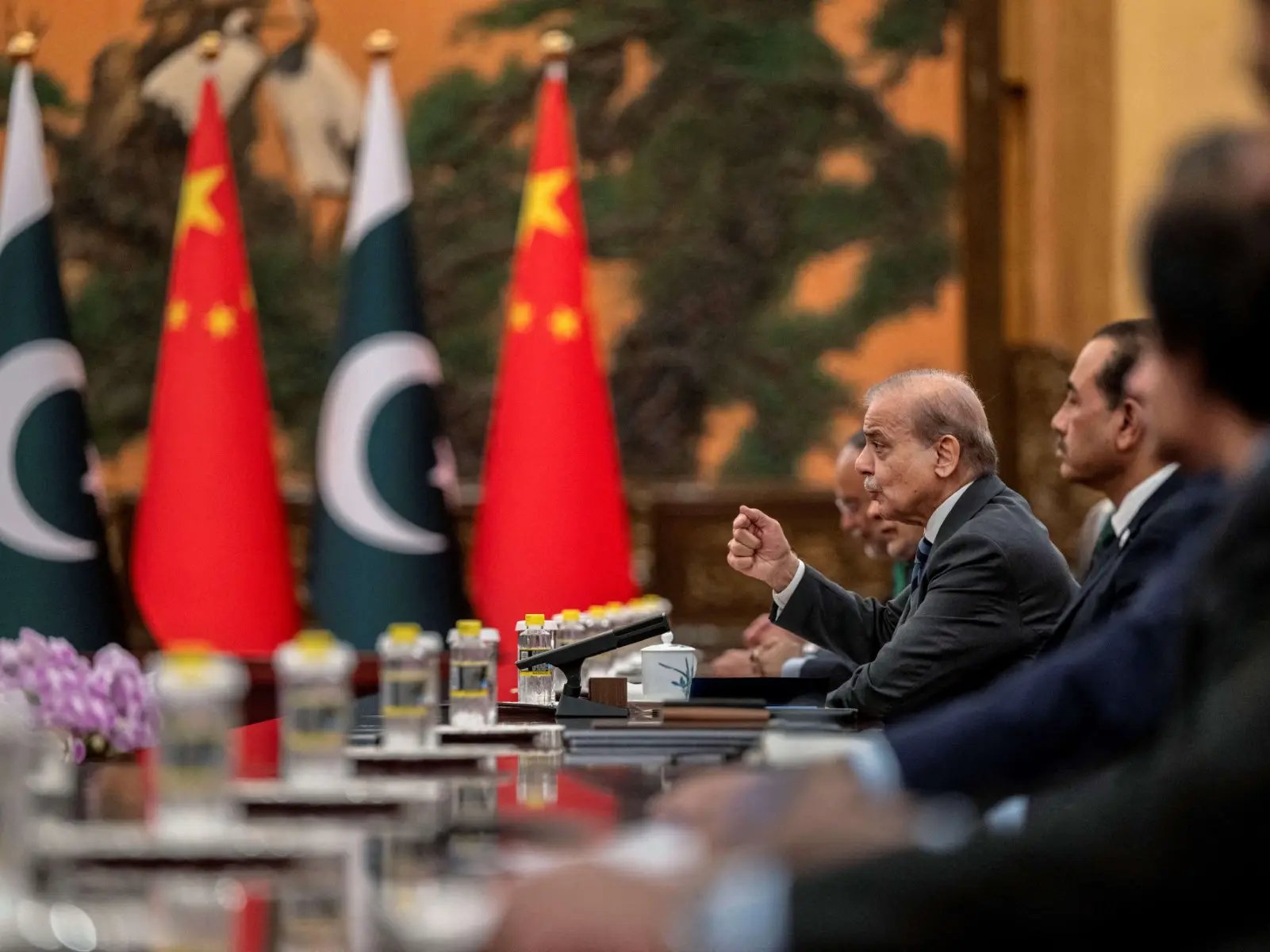
India Rejects Pakistan-China Boundary Commission, Tells Islamabad to Drop 'Theatrics' | GRAVITAS
&imwidth=180&imheight=135&format=webp&quality=medium)
'Turn approver, resign, we'll forgive you': Rahul Gandhi claims receiving messages from CEC Gyanesh Kumar
&imwidth=180&imheight=135&format=webp&quality=medium)
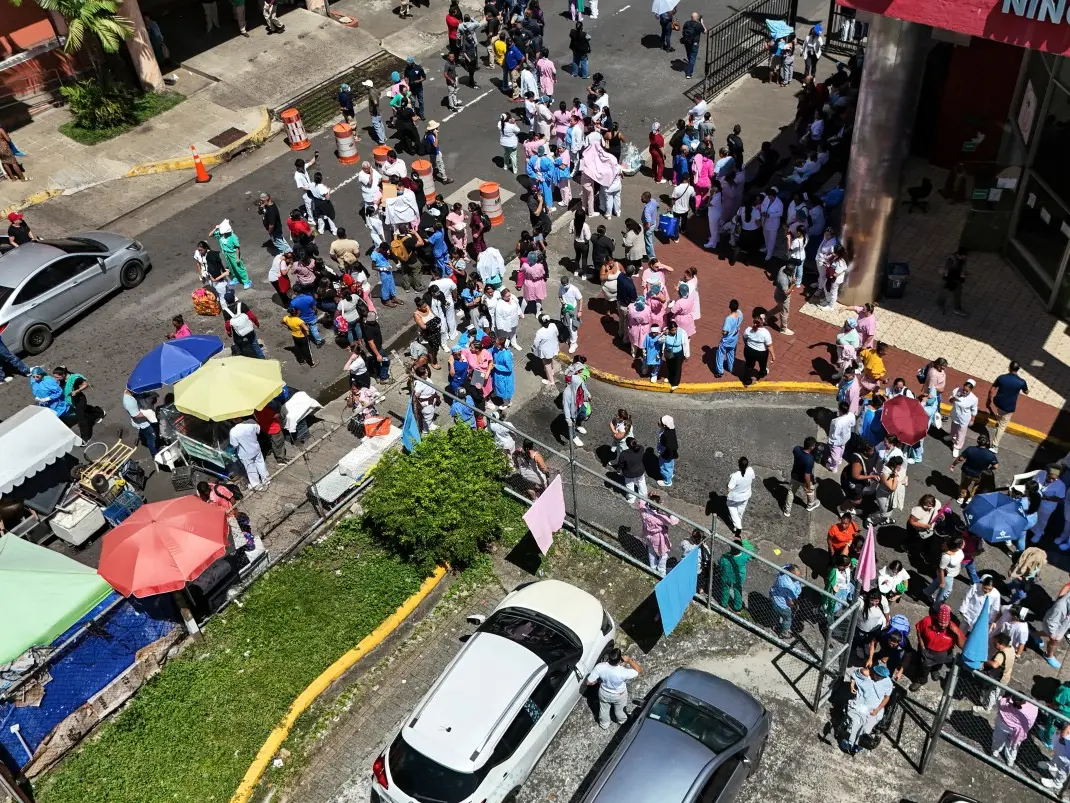
Powerful 7.7 magnitude earthquake strikes Panama, tsunami warning issued
&imwidth=180&imheight=135&format=webp&quality=medium)
Portugal Federation confirms Cristiano Ronaldo’s return to national team despite suspension
&imwidth=180&imheight=135&format=webp&quality=medium)
Korean peninsula tensions escalate as North Korea launches multiple ballistic missiles, PACOM says 'no threat to US personnel'
&im=FitAndFill=(700,400)&imwidth=180&imheight=135&format=webp&quality=medium)
How does a robot decide what to do next?
&imwidth=180&imheight=135&format=webp&quality=medium)
ICC penalises West Indies duo Powell, Rutherford for Code of Conduct breach
&imwidth=180&imheight=135&format=webp&quality=medium)
Trump weighs firing Kimberly Guilfoyle as US ambassador to Greece amid misconduct allegations: Report
&imwidth=180&imheight=135&format=webp&quality=medium)
‘This is just the start’: Maaya Rajeshwaran on historic ITF title, confidence boost and future goals
&imwidth=180&imheight=135&format=webp&quality=medium)
UK PM Andy Birnham renews claims of Russian meddling in Brexit vote
&imwidth=180&imheight=135&format=webp&quality=medium)
Robotic surgery, advanced treatment: What is coming to this small Gujarat town?
Corcovado National Park: Located on the remote Osa Peninsula, this protected area features incredibly dense and complex ecosystems. National Geographic called it the most biologically intense place on Earth per square metre, as it houses thousands of species of insects, birds, and mammals.
Tortuguero National Park: Accessible mainly by boat or small aircraft on the Caribbean coast, this park serves as a vital nesting site for green sea turtles. The peak nesting and hatching period for these turtles occurs between July and October.
Beaches and cultural landmarks
Tamarindo: Situated in the Guanacaste province, Tamarindo is famous for its long beaches and consistent surfing conditions. Its dry season runs from December to April, offering near-zero rainfall and unrelenting sunshine for beachgoers.
San José: The capital city provides a cultural contrast to the natural reserves. It serves as a practical starting point for most trips and houses historical landmarks such as the National Theatre of Costa Rica, which opened to the public on 21 October 1897.
Costa Rica offers a diverse and structured travel experience for all types of visitors. From the cloud forests of Monteverde to the turtle nesting beaches of Tortuguero, the country prioritises environmental conservation. Travelling during the dry season ensures the most accessible routes across these locations, making it a highly rewarding destination for an international holiday.
