Mithun Chakraborty diagnosed with ischemic stroke: Know all about the condition here!

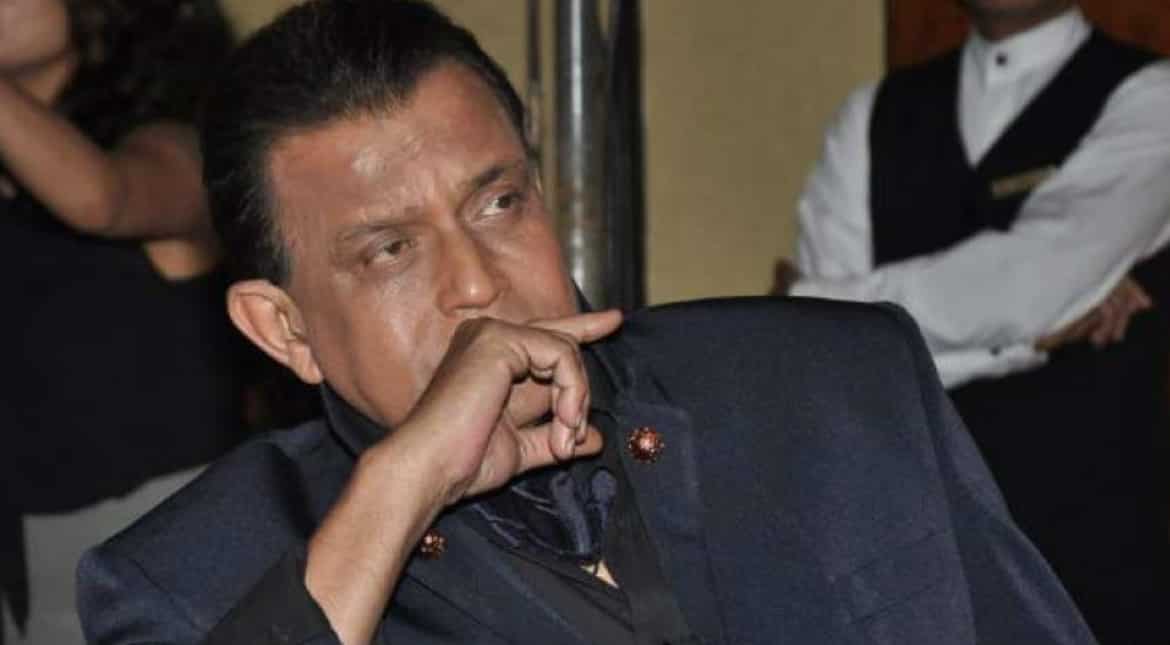
File photo of Mithun Chakraborty.
Renowned Bollywood actor Mithun Chakraborty was admitted to a hospital in Kolkata on Saturday morning after reportedlycomplaining of chest pain. The latest update on his health, as shared by the hospital, reveals that he has been diagnosed with an ischemic cerebrovascular accident (stroke) of the brain.
An official statement from Apollo Hospitals stated, "Shri Mithun Chakraborty was brought to the Emergency Department of Apollo Multispeciality Hospitals, Kolkata, with complaints of weakness in the right upper and lower limbs. Necessary investigations were carried out, including an MRI of the brain, confirming an Ischemic Cerebrovascular Accident (Stroke). Presently, he is fully conscious, well-oriented, and has consumed a soft diet."
What isIschemic Cerebrovascular Stroke?

Ischemic cerebrovascular stroke, often referred to simply as an ischemic stroke, is a serious medical condition that occurs when blood flow to a part of the brain is blocked or reduced. This interruption in blood flow deprives brain cells of oxygen and nutrients, leading to cellular damage and potentially permanent neurological deficits. Understanding the causes, symptoms, and treatment options for ischemic strokes is crucial for early detection and effective management of this life-threatening condition.
Causes
Ischemic strokes typically occur as a result of arterial blockages within the brain. The most common cause of these blockages is the formation of blood clots, which can develop within blood vessels supplying the brain or travel from other parts of the body, such as the heart or arteries in the neck.
&imwidth=180&imheight=135&format=webp&quality=medium)
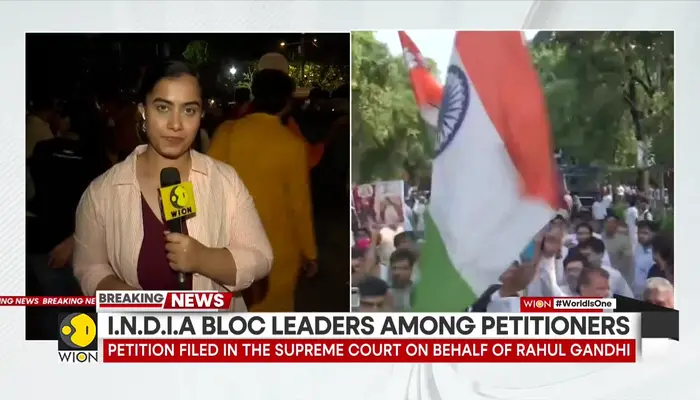
Rahul Gandhi's plea against Election Commission delayed as Supreme Court registry flags 14 ‘defects’
&im=FitAndFill=(700,400)&imwidth=180&imheight=135&format=webp&quality=medium)
Navratri 2026: 9 days, 9 forms of Goddess Durga and 9 colours- Check the complete list
&imwidth=180&imheight=135&format=webp&quality=medium)
Korean peninsula tensions escalate as North Korea launches multiple ballistic missiles, PACOM says 'no threat to US personnel'
&imwidth=180&imheight=135&format=webp&quality=medium)
Trump weighs firing Kimberly Guilfoyle as US ambassador to Greece amid misconduct allegations: Report
&imwidth=180&imheight=135&format=webp&quality=medium)
Anti-SIR protest in Mumbai: Protestors wear black masks & ribbons in Mumbai
&imwidth=180&imheight=135&format=webp&quality=medium)
UK PM Andy Birnham renews claims of Russian meddling in Brexit vote
&imwidth=180&imheight=135&format=webp&quality=medium)
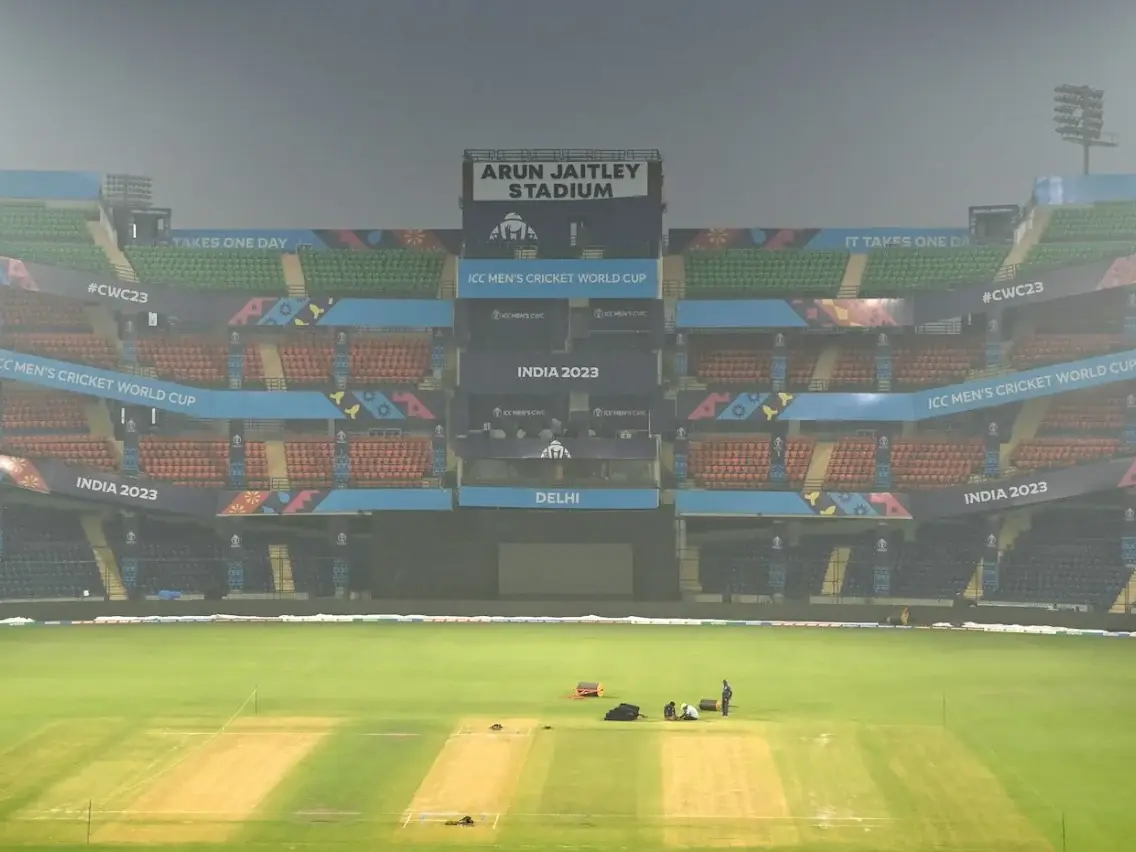
BCCI rejects venue shift reports, India vs Sri Lanka 1st ODI to remain in Delhi
&imwidth=180&imheight=135&format=webp&quality=medium)
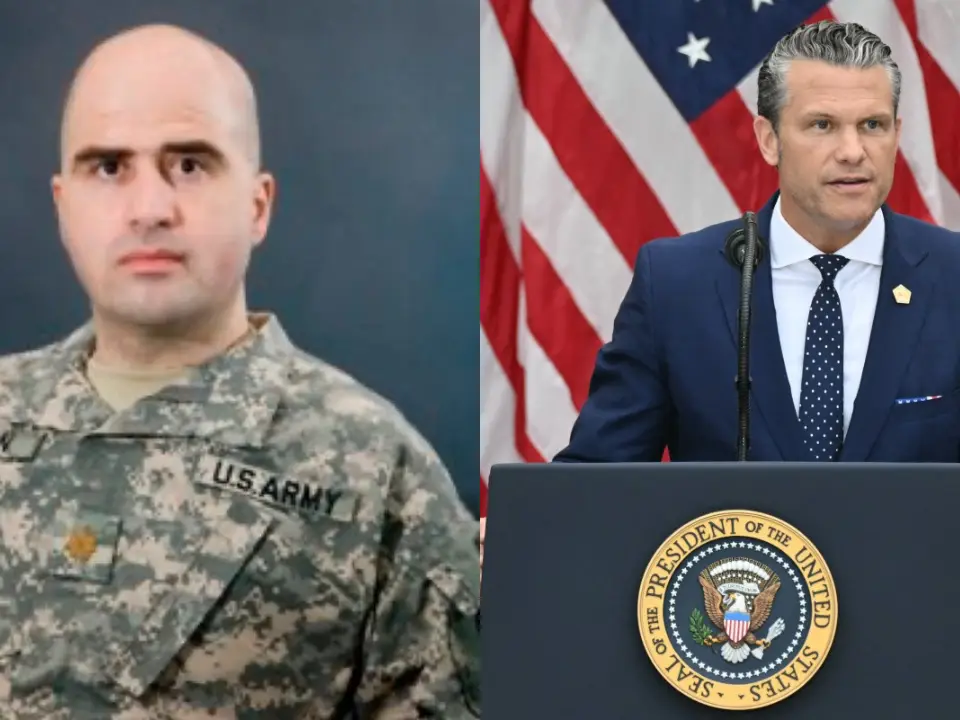
'Absolutely disgusting': Australia slams US plan to livestream Nidal Hasan's execution; Mike Johnson raises concerns, warns of terrorist propaganda
&imwidth=180&imheight=135&format=webp&quality=medium)
1,500 drones illuminate Mumbai sky as Cordelia Cruises unveils second ship, Cordelia Sky
&imwidth=180&imheight=135&format=webp&quality=medium)
Houthis warns US of 'painful response' if Washington joins Saudi war in Yemen as airlines suspend flights to Saudi Arabia
&imwidth=180&imheight=135&format=webp&quality=medium)
Congress demands action against chief election commissioner
&imwidth=180&imheight=135&format=webp&quality=medium)
Robot gropes girl, makes thrusting movements in bizarre crime in Germany
&imwidth=180&imheight=135&format=webp&quality=medium)
'Turn approver, resign, we'll forgive you': Rahul Gandhi claims receiving messages from CEC Gyanesh Kumar
&imwidth=180&imheight=135&format=webp&quality=medium)
'I will not be silenced': Ilhan Omar alleges political intimidation after federal officers search her Washington home
&imwidth=180&imheight=135&format=webp&quality=medium)
Pakistan's government blames PTI for rise of terrorism in Khyber Pakhtunkhwa
&imwidth=180&imheight=135&format=webp&quality=medium)
‘This is just the start’: Maaya Rajeshwaran on historic ITF title, confidence boost and future goals
&imwidth=180&imheight=135&format=webp&quality=medium)
I.N.D.I.A. Bloc lists 10 requests to Supreme Court
&im=FitAndFill=(700,400)&imwidth=180&imheight=135&format=webp&quality=medium)
IMF World Economic Outlook: 10 economies to watch for growth in FY27 and FY28 - Where does India stand?
&im=FitAndFill=(700,400)&imwidth=180&imheight=135&format=webp&quality=medium)
How does a robot decide what to do next?
&imwidth=180&imheight=135&format=webp&quality=medium)
Is the AI chip boom already over? Global semiconductor stocks slide as investors question unbridled spending
&imwidth=180&imheight=135&format=webp&quality=medium)
L Murugan resigns as Union Minister, expresses wish to return to grassroots
&imwidth=180&imheight=135&format=webp&quality=medium)
Trump says he 'may' meet North Korean leader Kim Jong Un during upcoming Asia trip
&imwidth=180&imheight=135&format=webp&quality=medium)
'Ouch!!! That must hurt': Kangana Ranaut hails Kamal Haasan's sharp reply to Elon Musk over Starlink row
&imwidth=180&imheight=135&format=webp&quality=medium)
Sidhu Moose Wala’s younger brother wins hearts by recreating late singer’s signature move at Toronto Hologram Show
&imwidth=180&imheight=135&format=webp&quality=medium)
Girl 'dead' for 8 hours wakes up at her own funeral, dad insists she wasn't breathing
&imwidth=180&imheight=135&format=webp&quality=medium)
UK school ditches technology, shifts from screen to pen and paper for learning
&imwidth=180&imheight=135&format=webp&quality=medium)
Opposition’s 10 demands in Supreme Court petition range from stay on SIR to audit of voter rolls
&imwidth=180&imheight=135&format=webp&quality=medium)
'I am thoroughly unamused': Judge slams Trump administration after 400 trees cut at Washington golf course
&im=FitAndFill=(700,400)&imwidth=180&imheight=135&format=webp&quality=medium)
New OTT releases this week (October 12-18, 2026): Sacrifice, Koffee with Karan S9, Roadies Rebirth- 6 titles coming on Netflix, JioHotstar and more
&imwidth=180&imheight=135&format=webp&quality=medium)
China’s gold rush puts billion in focus
&imwidth=180&imheight=135&format=webp&quality=medium)
India's Ajit Doval, Iran's Mohsen Rezaei hold talks amid escalating West Asia tensions, discuss 'issues of mutual interest'
&imwidth=180&imheight=135&format=webp&quality=medium)
New Cold War: Why is China buying more gold? Explained
&imwidth=180&imheight=135&format=webp&quality=medium)
Anupam Kher joins Ranbir Kapoor's Ramayana as Jatayu, new poster unveiled
&imwidth=180&imheight=135&format=webp&quality=medium)
'Almost certainly': UK Prime Minister Andy Burnham says Iran's IRGC behind RAF Fairford threat
&imwidth=180&imheight=135&format=webp&quality=medium)
Elon Musk pumps $276 million into Republican campaigns ahead of US midterm elections
Other factors that can contribute to the development of ischemic strokes include:
Atherosclerosis: Buildup of plaque within arteries, narrowing the blood vessels and restricting blood flow.
Cardiovascular conditions: Heart disease, irregular heart rhythms (such as atrial fibrillation), and heart valve disorders can increase the risk of blood clots forming and travelling to the brain.
High blood pressure: Hypertension can damage blood vessel walls, making them more susceptible to blockages.
Diabetes: Poorly managed diabetes can lead to vascular complications and increase the risk of stroke.
Smoking: Tobacco use is a significant risk factor for stroke, as it damages blood vessels and promotes the formation of blood clots.
Symptoms
The symptoms of an ischemic stroke can vary depending on the location and severity of the blockage within the brain. Common signs and symptoms include:
- Sudden weakness or numbness, typically on one side of the body
- Difficulty speaking or understanding speech (aphasia)
- Confusion, dizziness, or loss of balance
- Visual disturbances, such as blurred or double vision
- Severe headache, often accompanied by nausea or vomiting
- Trouble walking or coordinating movements
It's important to note that these symptoms usually develop suddenly and require immediate medical attention. Prompt treatment is essential to minimise brain damage and improve outcomes for individuals experiencing an ischemic stroke.