
&imwidth=800&imheight=600&format=webp&quality=medium "Beyond the great migration, Masai Mara offers fresh perspectives into wildlife")
Masai Mara is on every wildlife lover's bucket list. I ditched the crowds of the Masai Mara during the great migration and travelled in February, which is mating season for the big cats. During February, the sights are much more exclusive and personal since the crowds are smaller.
My Masai Mara experience could not have been more unique. As soon as I entered the gates of Masai Mara, I was greeted with the sights of an African elephant - one of the big 5, wildebeests, zebras, and unique birds. But it wasn’t game drive day and I was heading to the property for check-in.
)
Masai Mara Photograph: (X)
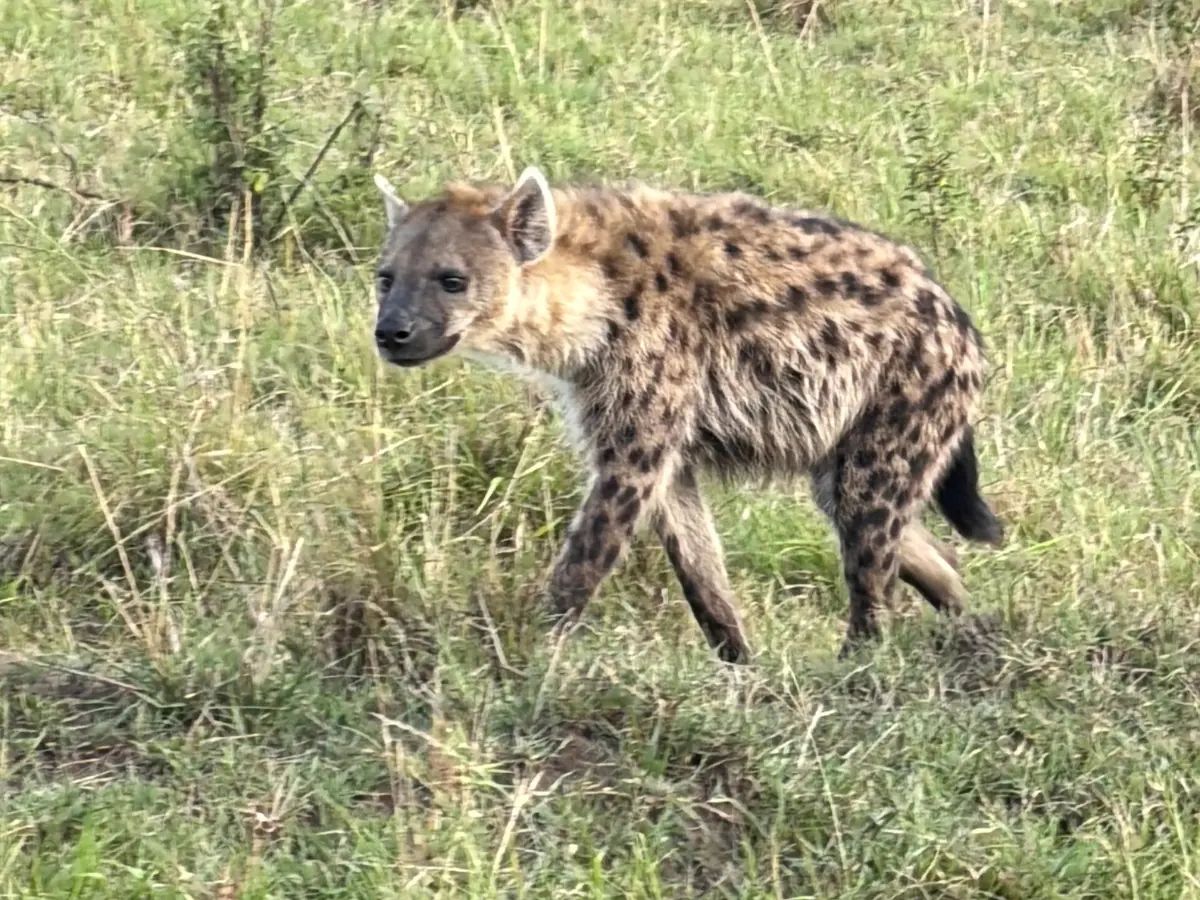
I checked into MGM Muthu Keekorok Lodge and directly went to their hippo bar, a tropical forest bar located near a lake where over thirty hippos and their babies bathe during the day. At nights, the hippos walk into the property to feed on the grass and we needed to be accompanied by a guide at all times during the evening after sunset. Post sunset, I spot a three giraffes feeding on a tree and one hyena running across the property. Since the property is located in the Masai Mara itself - wild animals frequent the property often.

)
Masai Mara Photograph: (Vidhi Bubna)
The next morning, I wasn’t prepared for the sights I was going to witness. Within the first 30 minutes of the safari during the golden hour, I enjoyed a stunning sight of a cheetah preparing for a hunt. In all its might the cheetah ferociously tried to chase a baby impala but the impala changed its course of run the last minute and outran the cheetah. The cheetah wouldn’t go hungry for the rest of the day, it would attempt another chase but not in front of us.
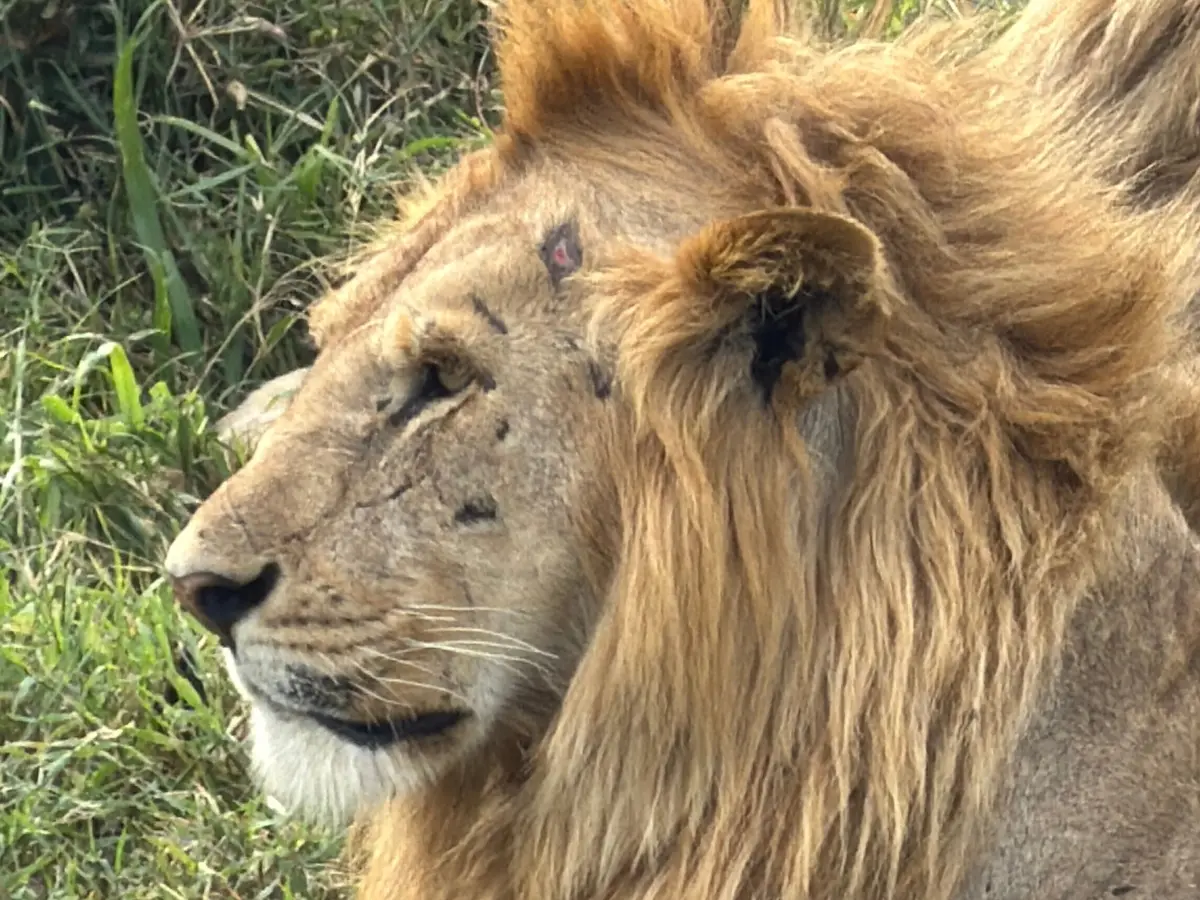
Next up, it was time for the lions, we spectated over 22 lions during the course of the two days we spent in Mara. It reminded me of Mufasa and Lion King. Lions look like the King of the jungles indeed and spark awe like no others. Most of the lions were sleeping however we were lucky to see two mating pairs since it was mating season in Mara.
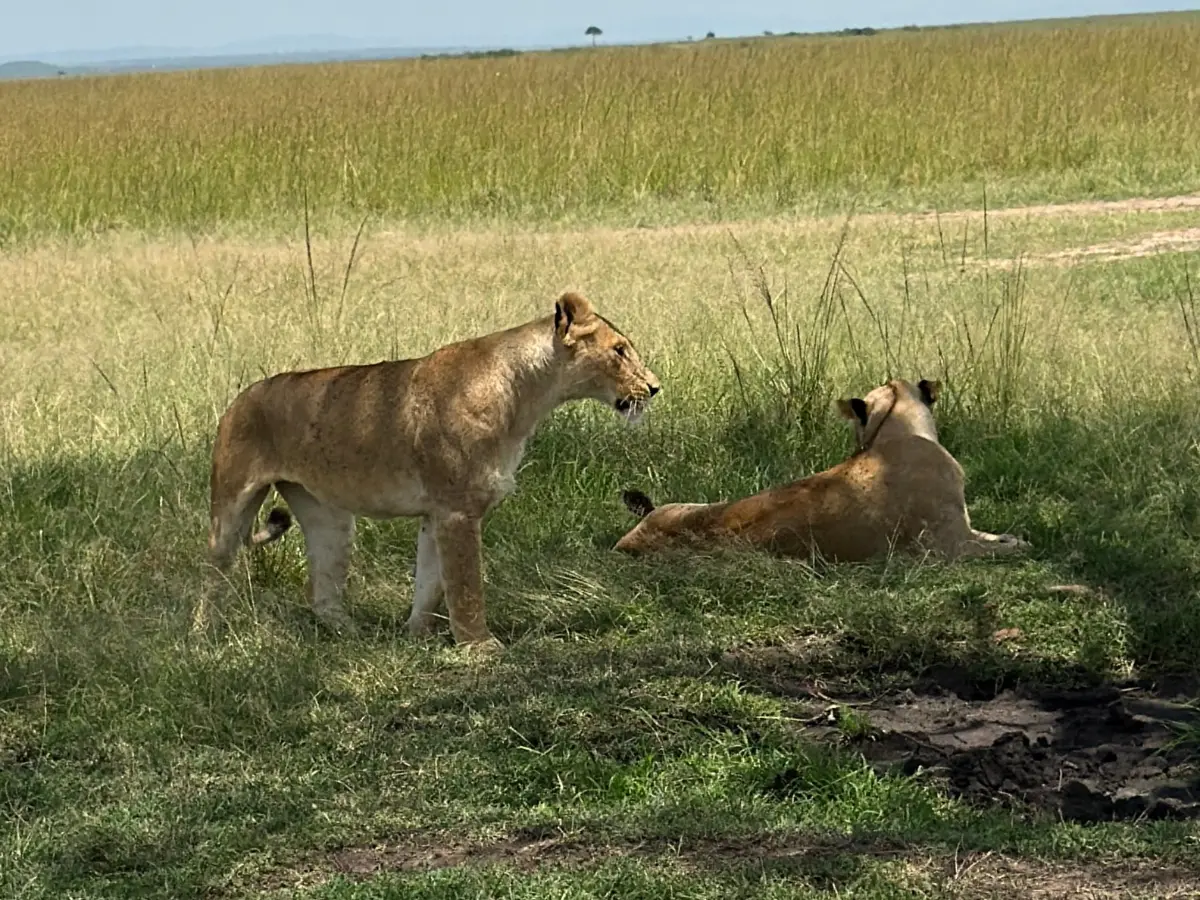)
The mating pair rested every 15 minutes and attempted mating again. Being in Mara in the heart of wildlife was a great way to learn about the behaviour of lions. I was intrigued to learn lions are afraid of elephants due to their sheer size and I spectated it firsthand. As a herd of elephants drew close to three sleeping lionesses, they woke up and sat attentively.
Among other rare things to spot in Masai Mara, we spot a den with a hyena sleeping in it, freshly made green bird nests, a group of topis grazing together and a serval cat. Not one, but two serval cats walking on the unpaved roads of Mara. I also saw a dik dik - the smallest animal in the antler family. Who would have thought witnessing sights one only sees on television on National Geographic in reality?
)
Masai Mara Photograph: (Vidhi Bubna)
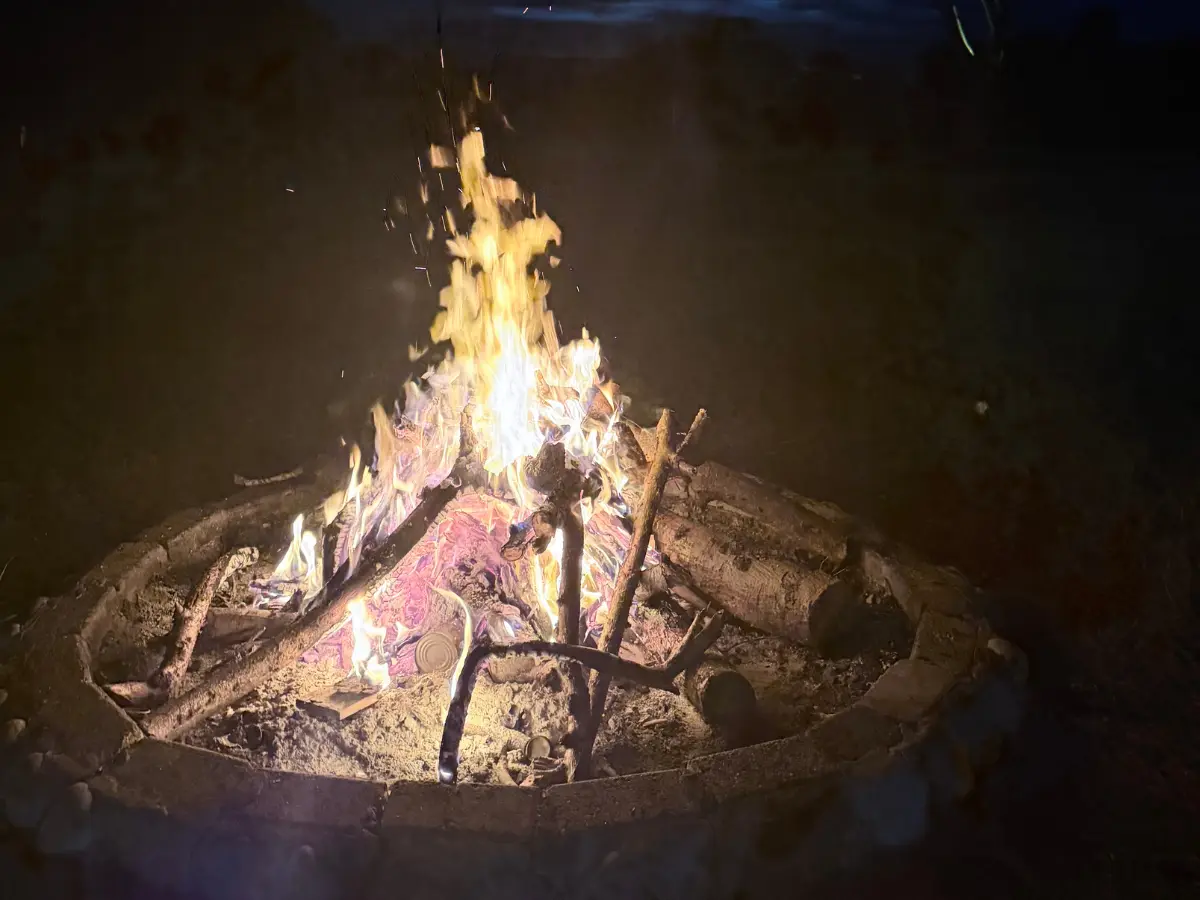
Back at the hotel, I enjoyed an evening bonfire on the side of some freshly made bhajiyas, courtesy the Indian chef Joseph. The evening was filled with mystical charm - from Masai women visiting the property to sell handmade beaded necklaces, bracelets, jewellery boxes and animal themed keychains to a local singer playing Swahili tunes to entertain us. The local Masai community also paid us a visit and entertained us in a community dance. I truly felt like I was a part of the community.
The next morning, I left for a game drive in the wee hours of the morning. Among everything I saw, the most striking was the sight of two hyenas approaching a cheetah to ask for some food. However, the cheetah growled at them and they walked away. It felt like watching a slice of reality in action where the priorities are food, water and mating - everything else takes a backseat. Watching animals coexist was beautiful.
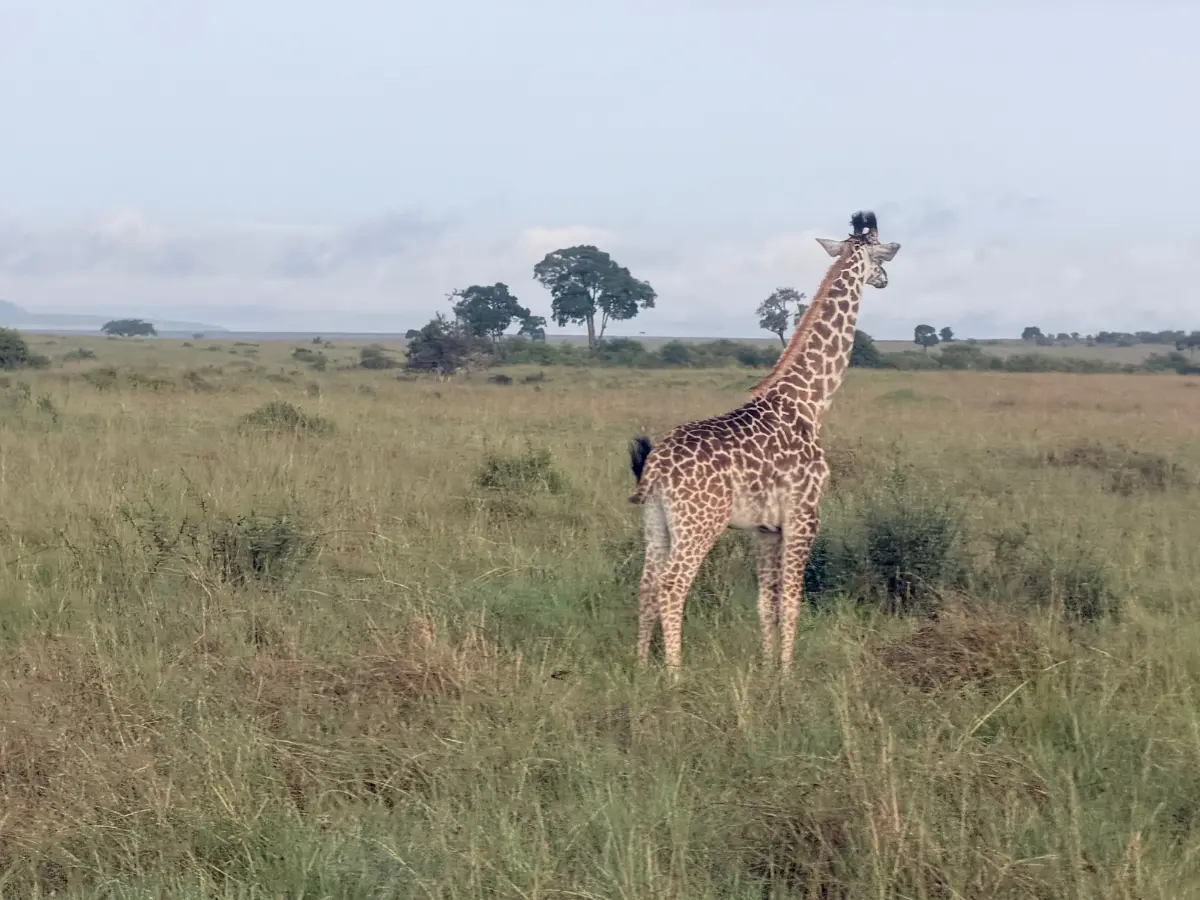
In the same landscape, I was lucky to see zebras, giraffes, wild buffalos and impalas - Masai Mara is so rich with wildlife, it fills you with hope and takes you back to theories of evolution and survival.
I did miss seeing the rhinos and the leopard in Masai Mara. The rhinos are rare in numbers and are more visible in sanctuaries across Kenya and frequently sighted in Nakuru National Park. The northern white rhino is near extinct and I saw the taxidermy of the last male northern white rhino, Sudan in Nairobi National Museum. It was saddening to see the loss of a species and made me reflect on how climate change is impacting diverse species.
The leopards in Masai Mara are elusive as ever, tough to sight. Contrary to what I believed, most people don’t see the big five in Masai Mara. The most common sightings in Mara include lion, cheetah, elephants and the African buffalo.
We made a short trip to the Mara river where the great migration happens. Crocodiles were basking in the sun and laying in the sand. I heard they create quite a scene during the great migration as they appear in big numbers during the season and kill wildbeests who are crossing the river to head to Serengeti. These ones were resting, there was no kill, no blood, just a shiny day in the sun.
Trending Stories
)
The Verdict | When precision fails: US commits war crime in Minab school strike, UN finds
)
Why Ranveer Singh’s Dhurandhar missed India’s Oscar entry; FFI jury member reveals what happened
)
US And Denmark reach Greenland deal, Trump announces expanded military presence
)
India seeks to build a full semiconductor supply chain
)
Trump signs Russia sanctions law: India faces fresh 100% tariff threat over Russian oil
)
Shivakumar attends 79th Kalyana Karnataka Utsav in Kalaburagi
)
US hiding troop deaths in Iran war? Toll higher than Pentagon count, claims report
)
Ukraine plans record $109 bn defence spending, nearly two thirds of budget amid Russia war
)
Trump's Greenland dream comes true? POTUS announces 'Infinite Life' deal with Denmark, claims permanent US control
)
China may have gained access to US's classified F-35 jets; parts meant for repairs diverted to Hong Kong, sparking Pentagon inquiry
)
Flying cars in UAE: Ras Al Khaimah signs deal with Chinese company to test new transport
)
‘Will go to any extent’: Pakistan vows to defend Saudi Arabia amid Houthi attacks
)
Pentagon revives mandatory testosterone testing for male troops aged 30 and above
&im=FitAndFill=(700,400))
Meet top 5 Indian batters with fastest T20I centuries
)
Godfather of AI Geoffrey Hinton gives US lawmakers a one-year warning on AI
)
NASA research plane reaches 61,000 feet over Panama
)
Google’s Gemini AI hacks real systems by guessing passwords during security test
)
Indian activist-lawyer Prashant Bhushan's post brings focus on ‘conflict of interest’ appointments of ex-govt officials at Reliance, Adani groups
)
Brigitte Bardot’s private collection set for Paris auction; key items and prices revealed
)
FACT CHECK: Why did PM Modi ask Xi ‘is it okay’ at BRICS Summit? New video reveals...
)
Africa is splitting, and a lot sooner than estimated, giving way to a new ocean
)
Three labourers killed as DU student loses control of his car, rams into them on Dwarka Expressway
&im=FitAndFill=(700,400))
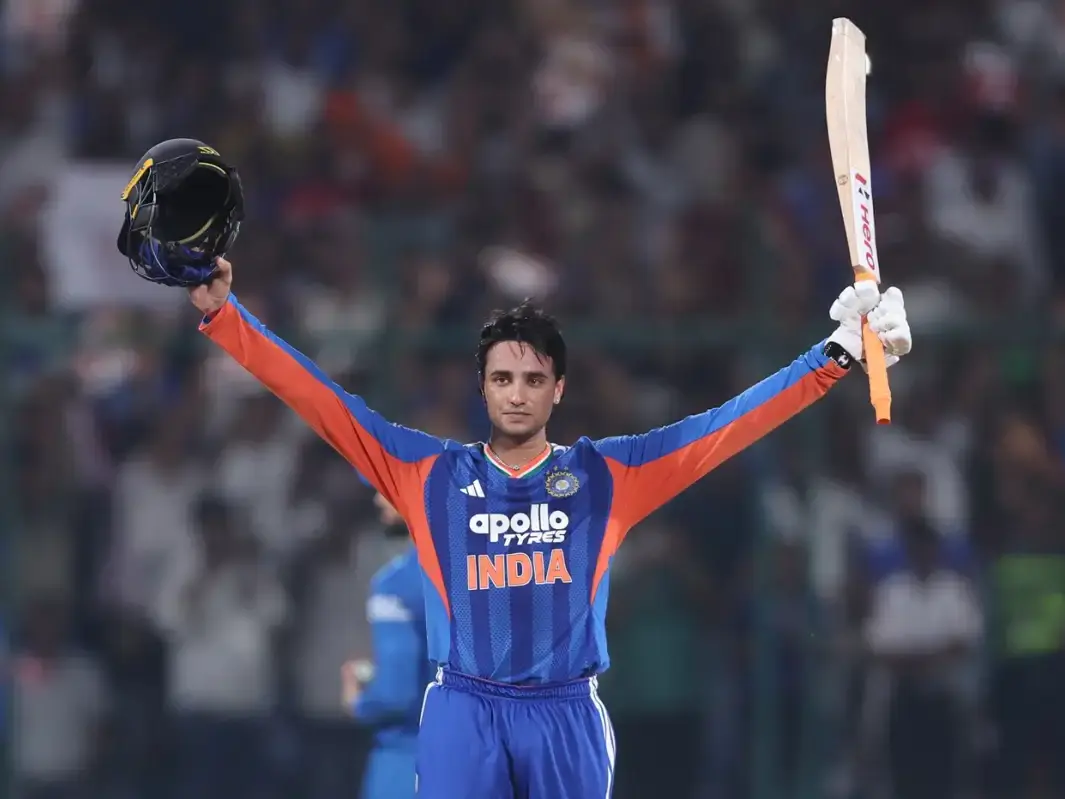
From Abhishek Sharma to Sahil Chauhan, 5 batters with fastest T20I hundreds
)
Trump bans CNN, MS NOW and Politico from White House over ‘FAKE NEWS’
)
Indian Cinema bets big on mythology, brings ancient stories to modern audiences
)
Pyongyang dismisses US, western pressure over nuclear programme
&im=FitAndFill=(700,400))
New Friday OTT releases (September 18, 2026): Lust Stories 3, You+Me, Best of the Best- 8 new titles coming on Netflix, Prime Video and more
)
Russia holds first parliamentary elections since the beginning of the Ukraine war
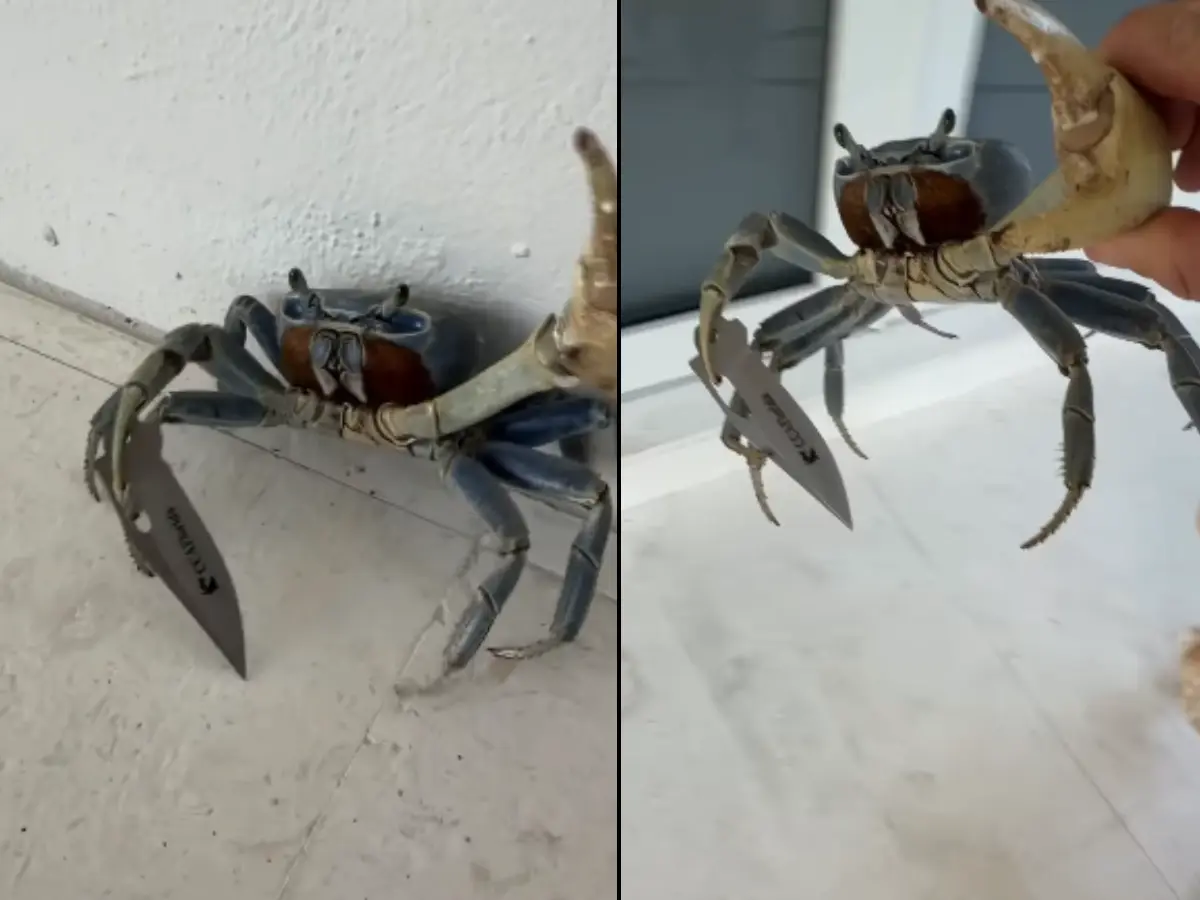)
'Gangsta' crab shoves knife blade at man and his dog in Florida - Watch
)
Fast bowler Brydon Carse faces no charges over Derby nightclub incident
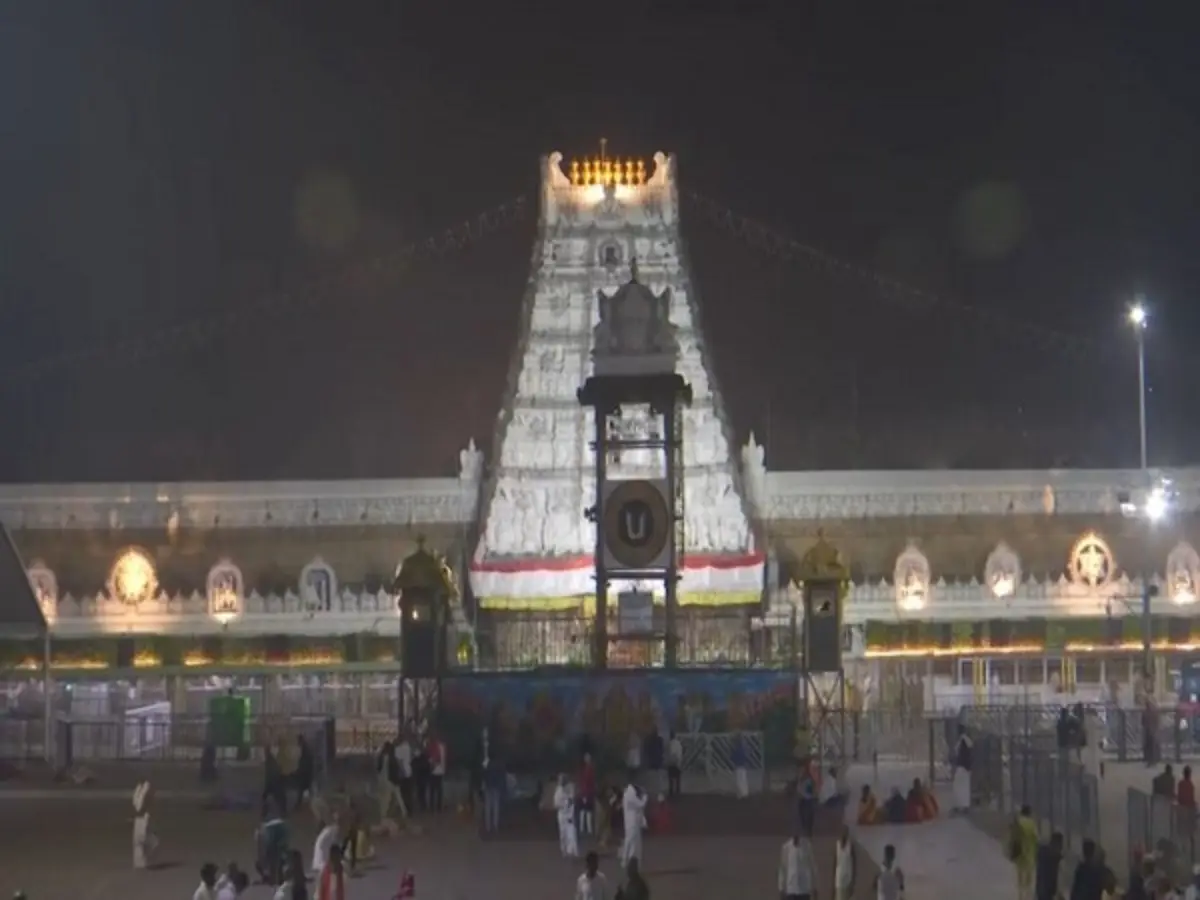)
Tirupati Laddu ghee adulterated with chemicals, says ED, supplier arrested
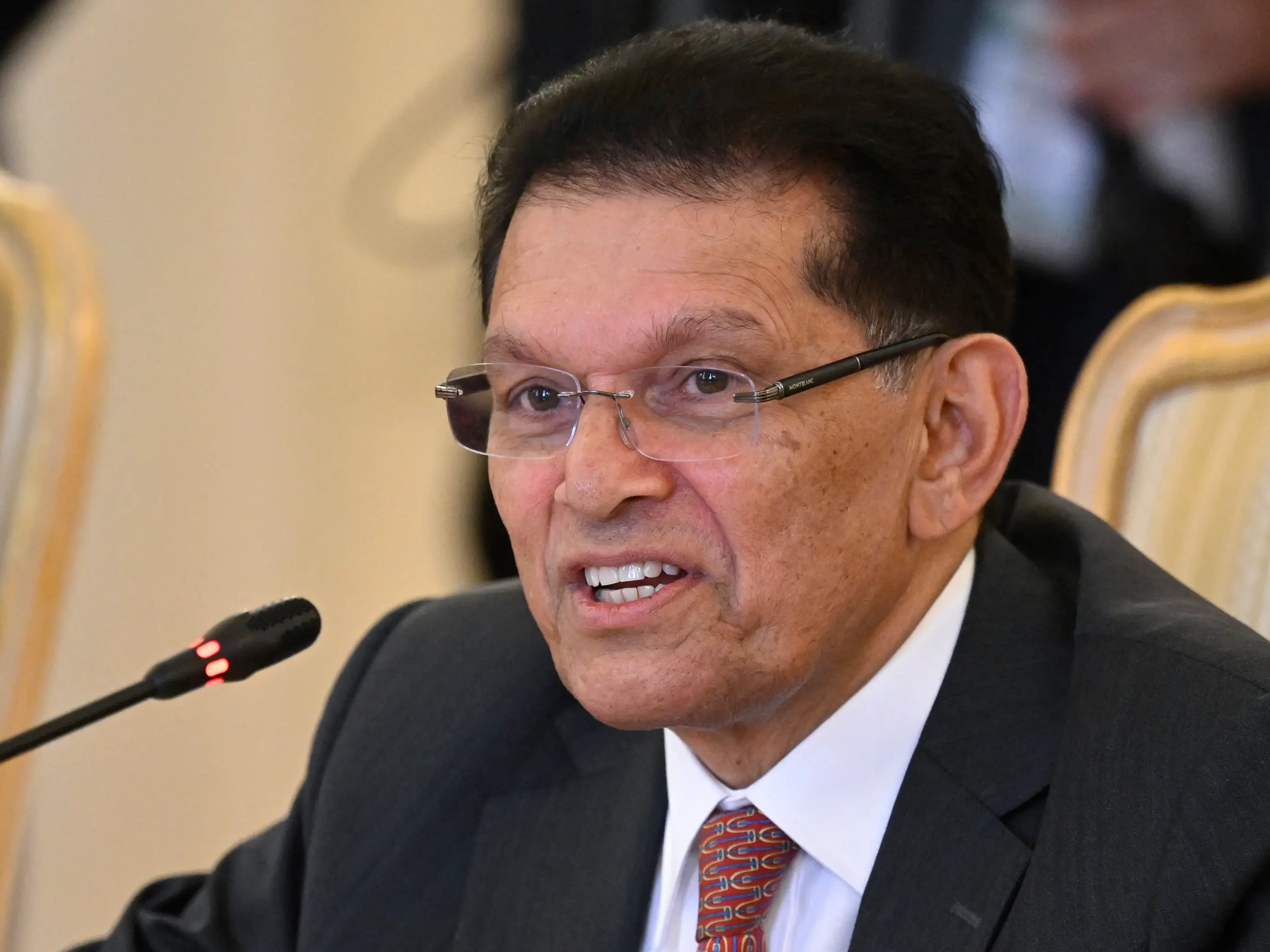)
Who is Khalilur Rahman? All you need to know about 81st UN General Assembly President
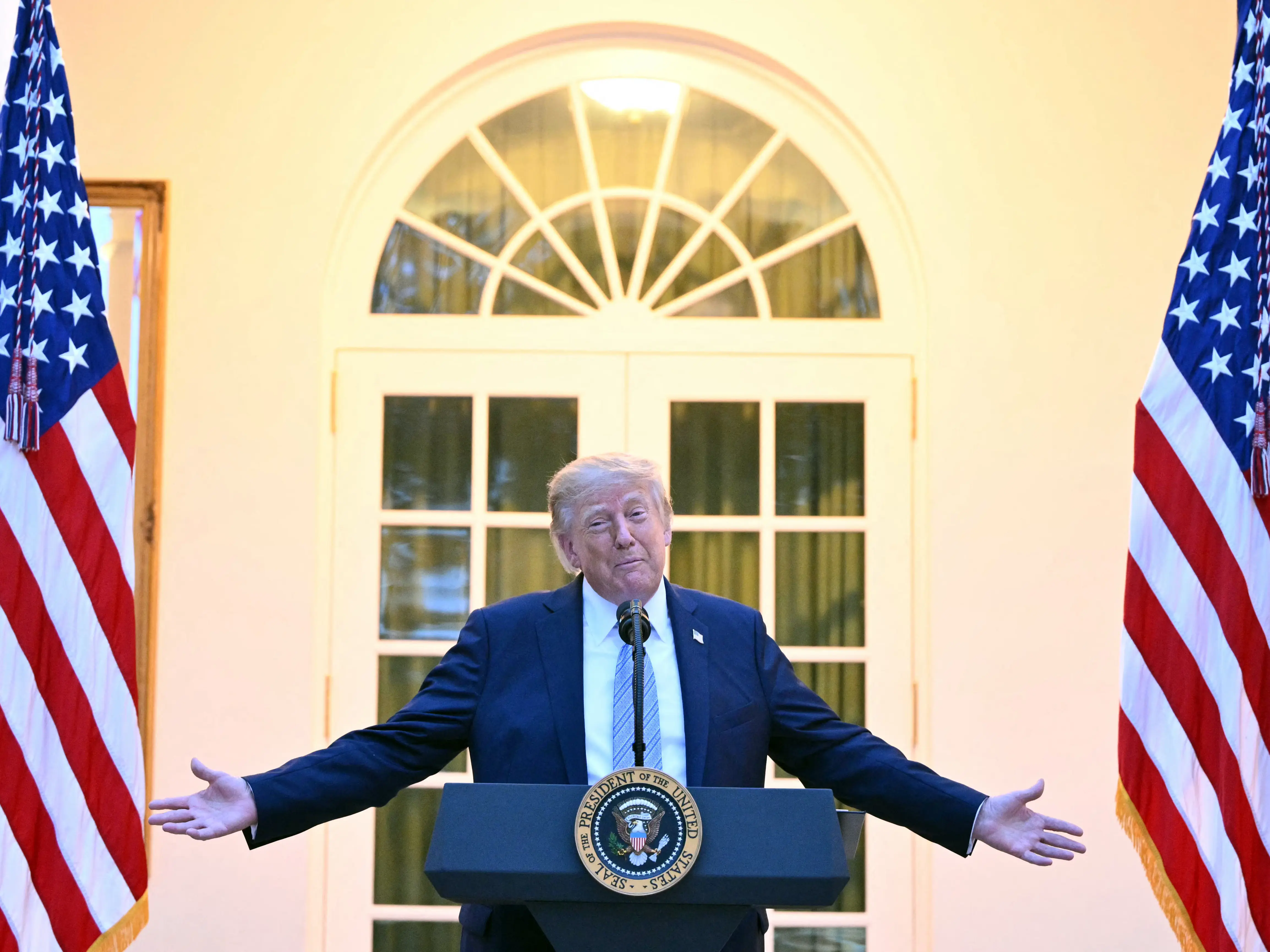)
Trump 2.0: Dark days ahead for America’s ‘imperial presidency’
&im=FitAndFill=(700,400))
Meet top 5 bowlers in latest ICC T20I rankings
)
IIT Bombay student dies by suicide, was caught seeking AI help during exams
)
Trump signs Russia sanctions bill into law, targets Moscow’s energy sector
I also made my way to the Kenya Tanzania border - the route of the great migration. It felt liminal, standing there between two countries on the border line. It’s a must have experience.
During the night, there was a two hour power cut at the property to conserve energy. I was lucky to wake up during those hours, stand near the window and see a million stars in the sky. Sleepy yet awake, I bowed to the majesty of nature. Fireflies dazzled past my room and danced in joy. While, I stood there, I was too afraid to open my window - because I knew animals are close and active at night. I was in the wild.
