Lal Salaam review: Rajinikanth barely rescues this hotchpotch story of cricket, communal violence and politics


Rajinikanth in Lal Salaam
In the final fight sequence in Lal Salaam,amid communal riots in Mumbai, an ageing Moideen Bhai(Rajinikanth) attacks his enemy with one sharp end of a spear-like weapon. In a jiffy, Moideen Bhai takes the other end of the weapon and draws blood from his own hand. Immediately, he rapidly spins the weapon that is now bloodied on both sides and asks the villain if he can identify which end has whose blood. That's how director Aishwarya Rajinikanth wishes to convey that there is no difference between the blood of the clashing Hindu and Muslim communities. Moideen Bhai then wishes peace upon his rival and walks away in his inimitable style.
Welcome to the 150-plus-minutes-long world of Lal Salaam(loosely translated as Red Salute - a greeting among communists in India), where Aishwarya Rajinikanth couldn't provide a single justification for why she chose a title of this sort. The only 'Lal'(red) that recurred throughout the film was the redness of the blood spilt by various characters. Perhaps, the Arabic greeting 'As-salamu alaykum'(May peace be upon you), could have been a more relevant title, given the constant theme of communal clashes in the film and given how Moideen Bhai wishes peace upon his rivals.
Set in a fictional village of the 1990s, in Western Tamil Nadu, the film delves into much more than the audience can handle or expect- cricket matches, communal violence, caste supremacy, local politics, village temple chariot festivals, business rivalries in Mumbai, and a lot of preaching about communal harmony. Following a non-linear narration, the film constantly keeps switching between the past and present, thereby making it feel unnecessarily complicated and tiresome.

The protagonists Thiru(played by Vishnu Vishal) and Shamsudeen(played by Vikranth) have done a commendable job in their roles- where both of them play cricket matches for opposing sides. It is the on-field rivalry of these characters, and their respective family backgrounds that form the basis of the political conspiracy to divide the Hindu and Muslim communities.
While Thiru has a love interest in the film, her character is too short to be remembered, as she barely has a few minutes of screen time. The plot has multiple loose ends, such as seemingly important characters that are established, only to be later forgotten. A classic case is that of a political leader (played by KS Ravikumar), who gets introduced in the film's first few minutes and never re-appears. Likewise, the love interest of Thiru appears only in a few scenes and does not have an overall relevance in the manner in which the plot unravels. However, the supporting roles played by Thambi Ramiah and veteran comedian Senthil were impactful and added a nice emotional touch to the film.
AR Rahman's background score enhances the scenes adequately and the songs perfectly blend with the rural setting and there's a typical heroic background score to establish Moideen Bhai. Even then, there's nothing memorable and special about the music and songs. With a big name like AR Rahman on board, it would be natural to expect some tunes worth adding to our playlists, but there's nothing of that sort to offer.
)
Lady Gaga is a mom! Oscar-winning singer welcomes first child with fiance Michael Polansky
)
BRICS Summit 2026: Iran's Pezeshkian praises PM Modi at BRICS
)
Karthik Subbaraj’s Dorothy gets a standing ovation at TIFF world premiere
)
North Korea fires missiles after US, South Korea and Japan military drills but America says 'does not pose immediate threat'
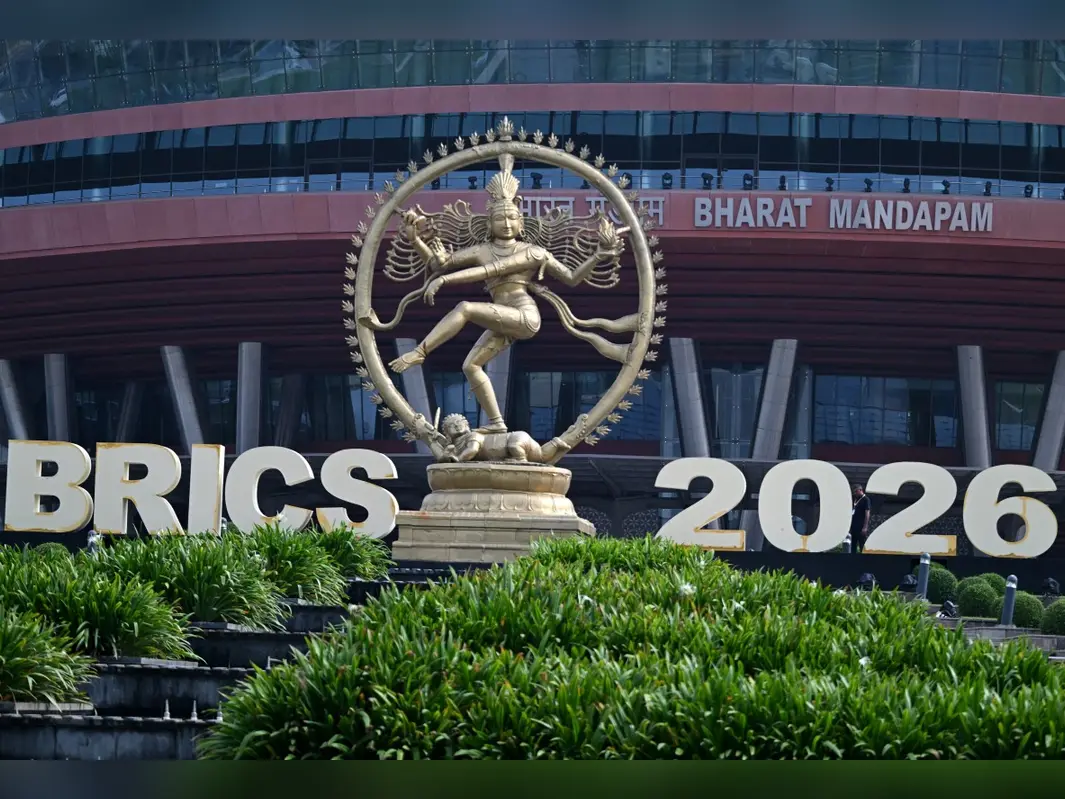)
Delhi's top luxury hotels turn into high-security fortress hubs for BRICS 2026 delegations
)
BRICS Summit 2026: 30+ countries seek BRICS membership
)
Frustrated man demolishes his kitchen after thousands flock to see Mother Mary his wife spotted on the wall
)
BRICS summit: India faces delicate Iran-UAE diplomatic test
)
From drones to KAAN fighters: Turkey outlines 229% surge in defence spending amid regional shifts
)
After praising Modi, Pezeshkian meets Indian religious leaders, Hurriyat's Mirwaiz Umar Farooq
)
Houthis vs Saudi Arabia: East-west oil pipeline shut after drone attacks from Iraq
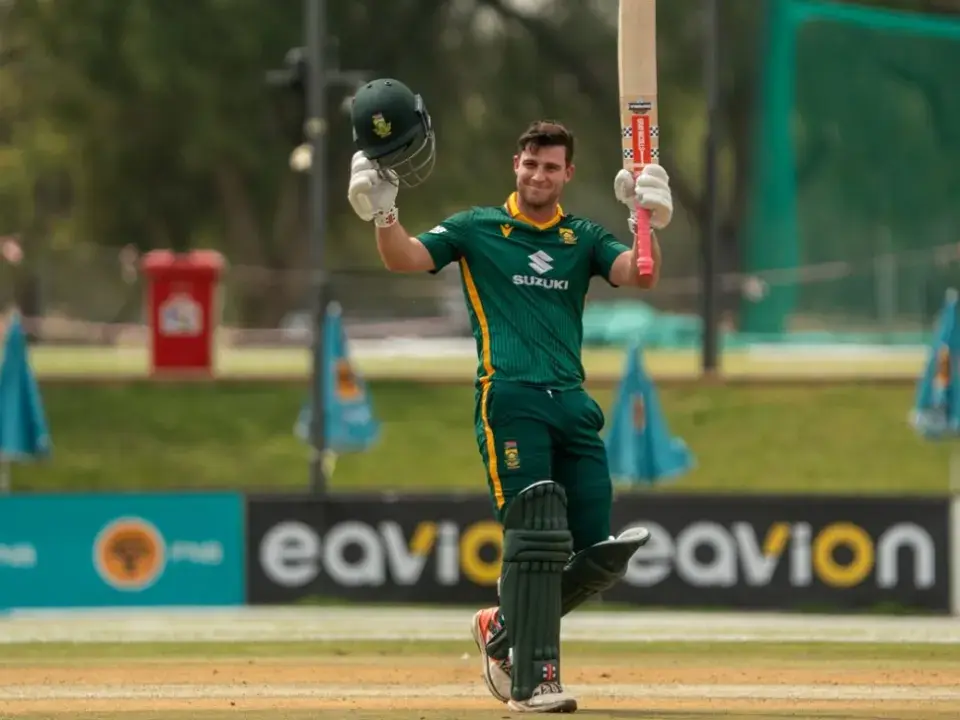)
South Africa batter Jordan Hermann hits highest individual score on ODI debut
)
800 million years old - Scientists discover 'fingerprints' of supercontinent Gondwana in ancient rocks
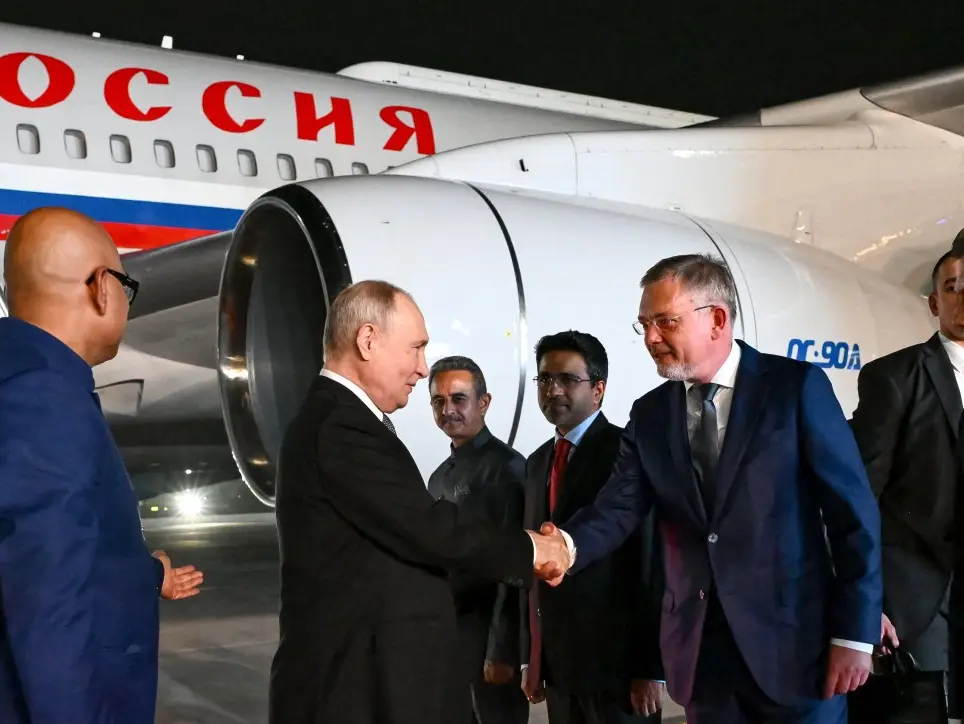)
Vladimir Putin in New Delhi for BRICS Summit: Russia-India defence, energy and nuclear ties in focus ahead of meeting with PM Modi
)
Osama Bin Laden's son ALIVE? Al-Qaeda releases video 7 years after US declared him dead
)
BRICS Summit 2026: South Africa says it will use the summit to advance its economic priorities
)
Gravitas | Iran hammers US air power in West Asia after Navy badly hit
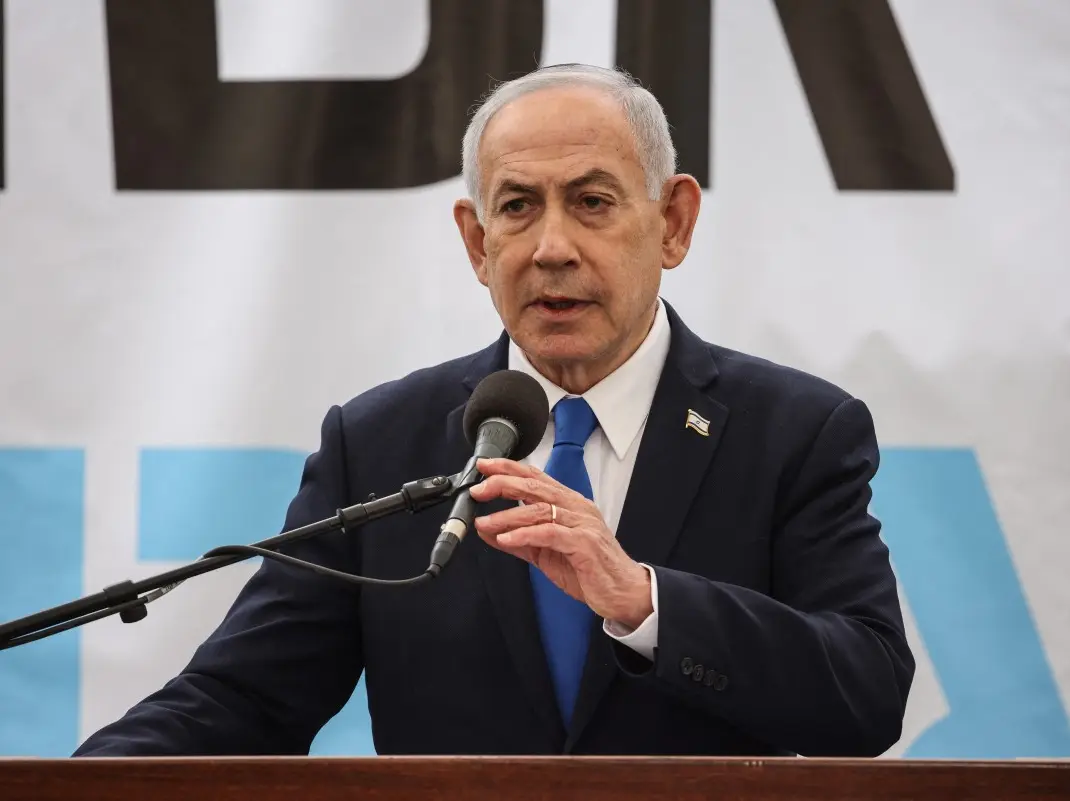)
Israel spent nearly $470,000 on PM's hair, makeup since 2019, data shows
)
Did you know THIS actor narrowly escaped the 9/11 terror attacks due to a last-minute change of travel plans?
)
BRICS Summit 2026: Rivals in West Asia, partners in BRICS, UAE, Iran, and Saudi delegations in Delhi
)
BRICS Summit 2026: PM Modi meets Malaysia, Ethiopia leaders; defence ties, trade in focus
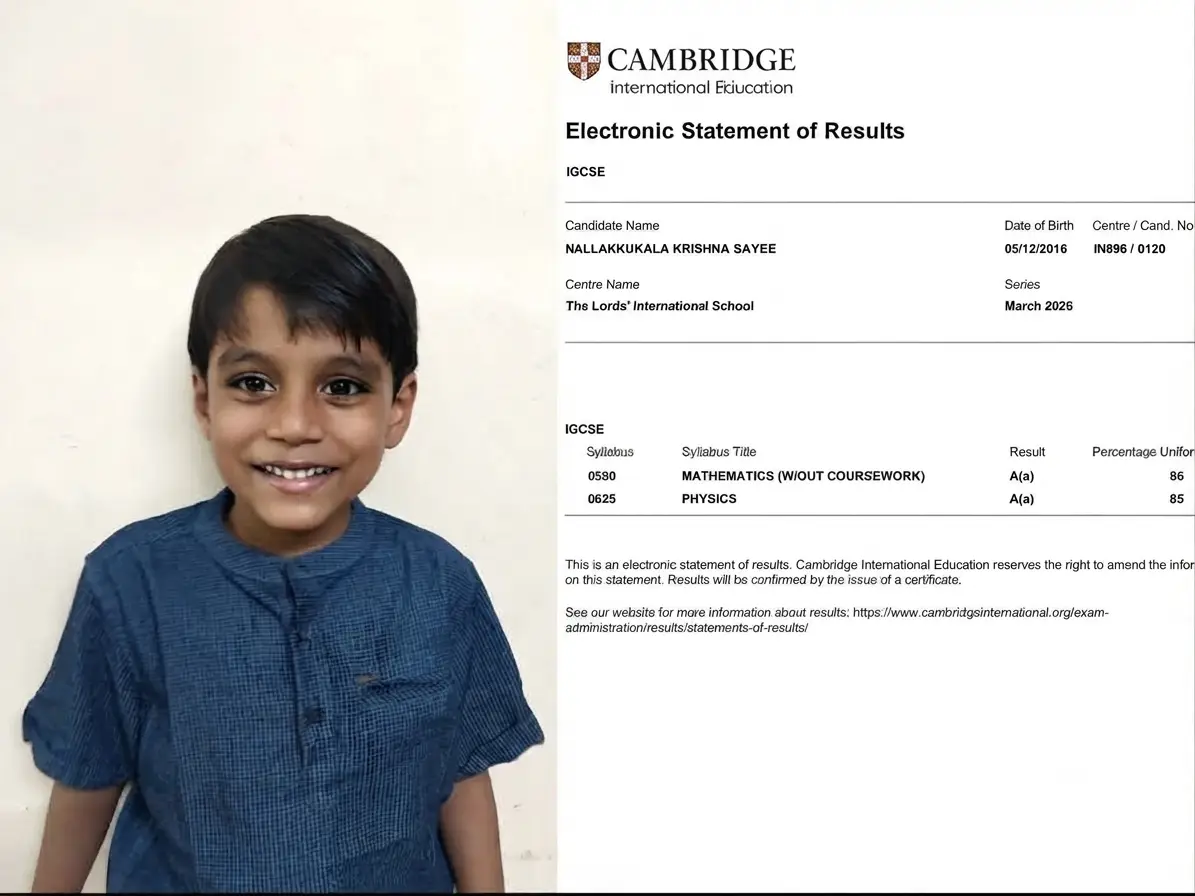)
9-year-old Chennai prodigy clears Cambridge IGCSE grade 10 exams
)
BRICS Summit: China resumes Guangzhou-New Delhi flight, issues 'good-neighbourliness' remark ahead of Xi-Modi meet
)
Satya Niketan horror: Who is responsible?
)
BRICS Summit 2026: Top world leaders in New Delhi; West Asia war casts shadow on BRICS Summit
&im=FitAndFill=(700,400))
New Friday OTT releases (September 11, 2026): The Revolutionaries, Vishwanath & Sons, Ghamasaan- 6 new titles coming on Netflix, Prime Video and more
)
Years before 9/11, CIA warned Clinton, Bush of 'explosive-packed airplane attack': What newly released files reveal
)
In first of its kind, Trump admin deports Afghan woman via Alien Terrorist Court
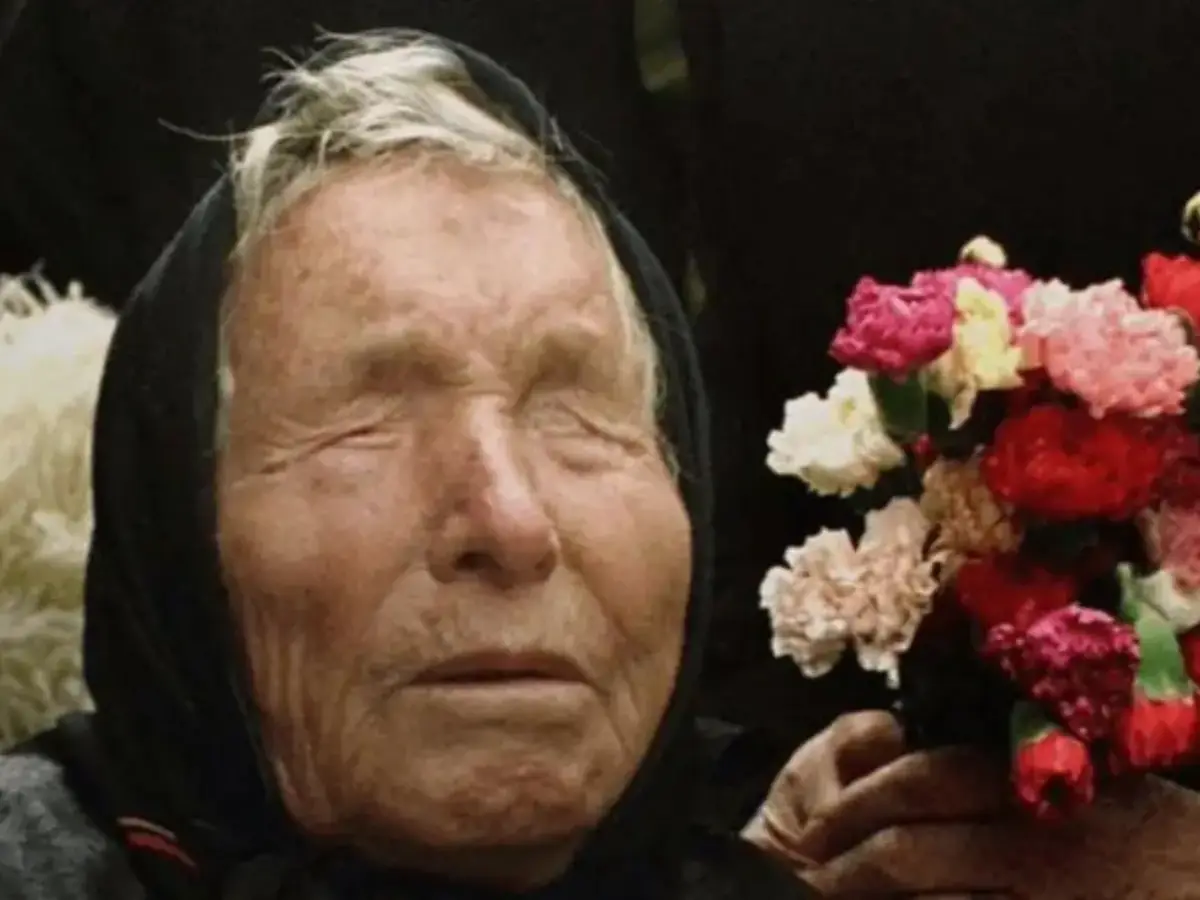)
Baba Vanga's first prophecy for 2027 is out, and straight out of science fiction
)
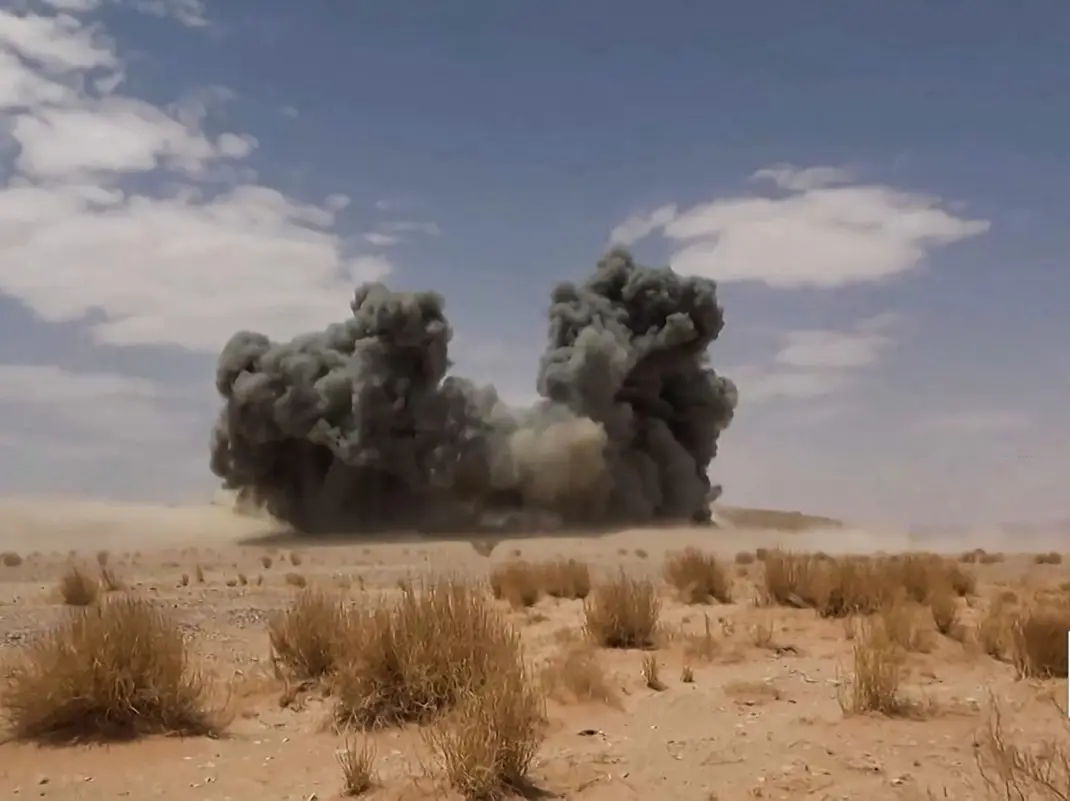
Saudi Arabia shuts East-West oil pipeline, key Hormuz bypass, after attacks
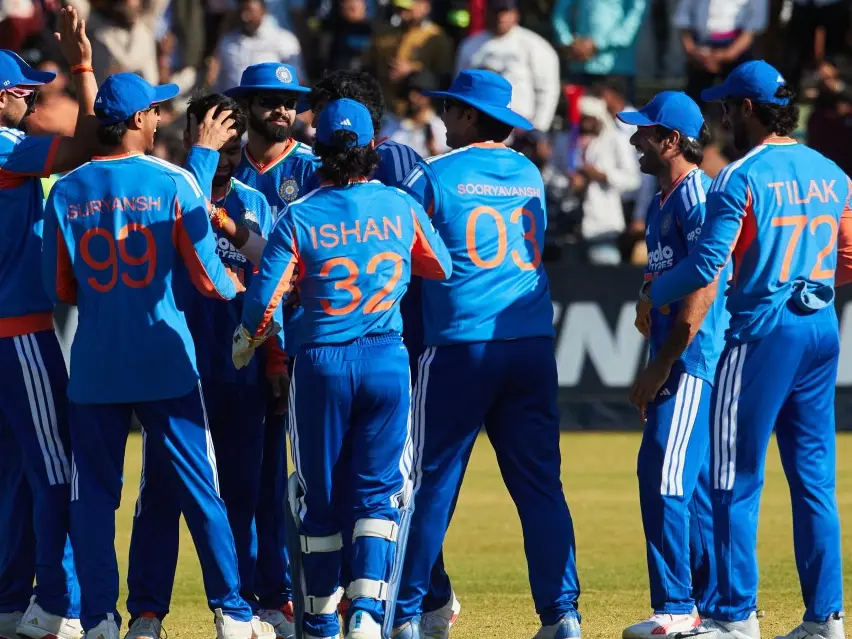)
IND vs AFG, 1st T20I: When and where to watch live streaming in India?
)
WION Expertspeak: Understanding India's BRICS presidency amid wars, trade tensions and global turmoil
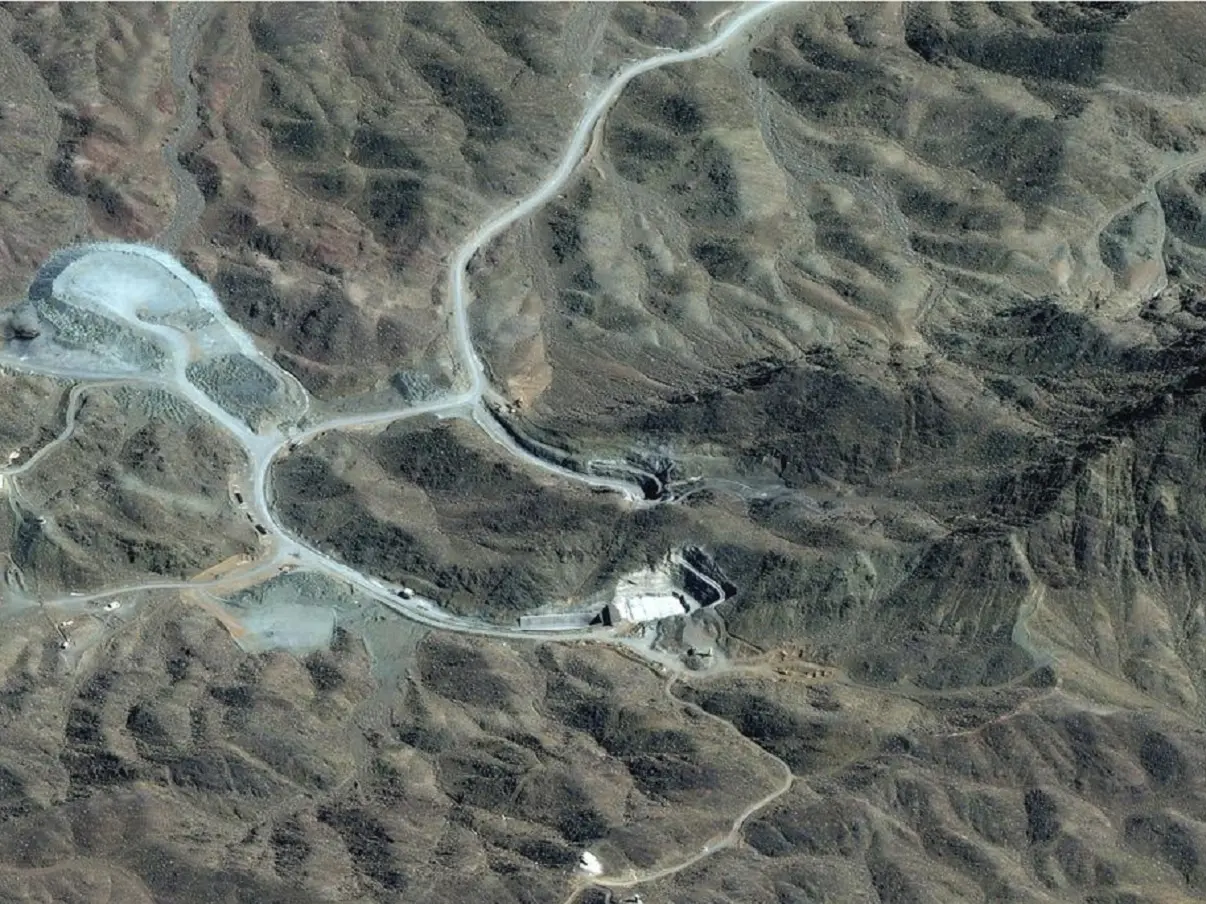)
Satellite images show construction surge at Iran’s Pickaxe nuclear site amid US war
While Rajini's role in his daughter's directorial venture is touted as an "extended cameo", the fact remains that Rajini is the one who brings closure to multiple plot elements. The portrayal of Moideen Bhai as a powerful businessman-cum-don offers a character of contrasts- he's loving, and doting towards his family and his love for his son knows no bounds. At the same time, he's brutal and unforgiving to those who cause harm to him or his family.
Rajini is cast as the wise and powerful old man who is an embodiment of communal harmony, peace, and justice as is evident from the countless dialogues he utters to ease communal tensions and possible flare-ups. From emphasizing the Indian Muslim identity to offering history lessons on how Pakistan came to be as a nation-state, Moideen Bhai is the ultimate protector of Hindu-Muslim unity and peace.
Despite the obvious high points in the film and the Rajini moments, Lal Salaamfeels unsatisfying, lengthy and unconvincing. If there's a film that even Rajinikanth can barely salvage, it is Aishwarya Rajinikanth's 'Lal Salaam'. While its noble messaging and calls for communal harmony are appreciable, the non-linear and convoluted screenplay isn't helping.
